Why the Angola Farm Line Ruling Was a False Victory


– 5 min read






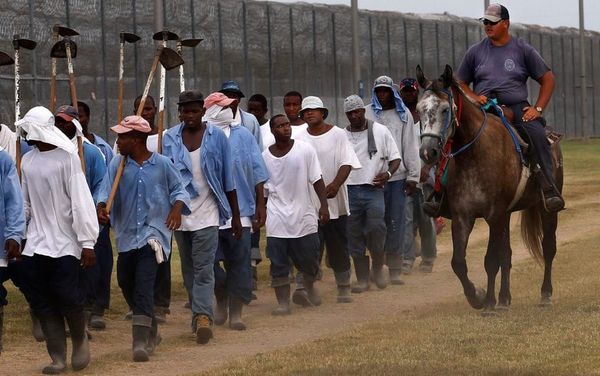
Angola sits on land with one of the darkest histories in America. During the 1830s and 1840s, Isaac Franklin, one of the nation’s largest slave traders, pieced together several plantations into a massive cotton operation worked by hundreds of enslaved Africans. The plantation’s name reflected a common practice at the time: naming the land after the African region where many of the enslaved people had been taken from.
documentary produced by PJI called Plantations and Prisons: A History of Forced Labor in Louisiana
When slavery officially ended, the labor never truly did. In 1870, former Confederate officer Samuel James secured the right to lease Louisiana’s entire convict population, and by 1880 he had purchased the former Franklin plantation outright. The same fields that had once been worked by enslaved people were now cultivated by incarcerated men. Louisiana eventually ended convict leasing in 1898 and purchased the property in 1901, transforming it into the Louisiana State Penitentiary. More than a century later, thousands of acres at Angola still produce soybeans, corn, cotton, and other crops that supply prisons across the state. According to court filings, much of that work is still performed by incarcerated men earning just two to four cents an hour after an initial unpaid period. This history is what makes Judge Brian A. Jackson’s May 26 ruling feel so complicated.
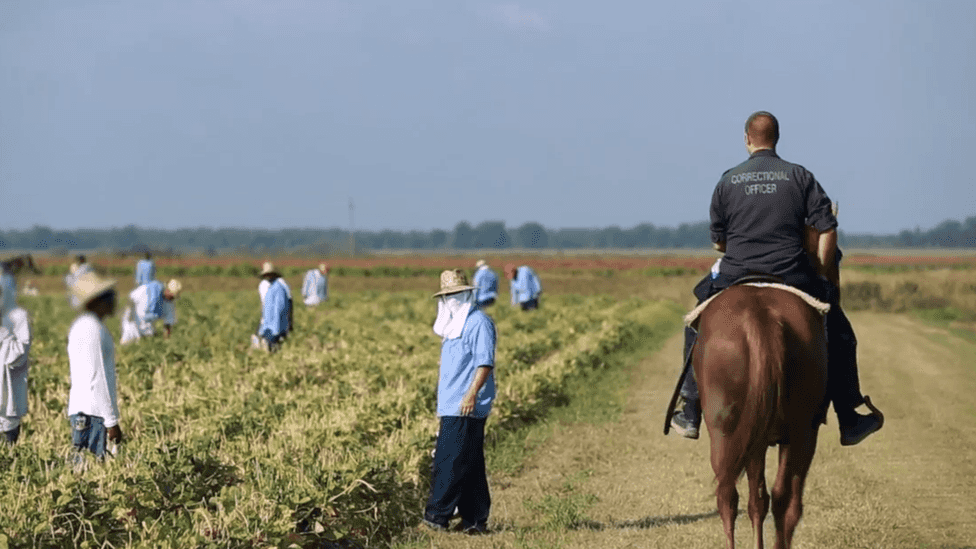
In a 60 page opinion, Jackson proved Louisiana prison officials knowingly exposed incarcerated men working on Angola’s Farm Line to dangerously high temperatures. On its face, that sounds like a significant victory. But despite acknowledging the harm, he declined to order the lasting court enforced protections the plaintiffs had asked for, explaining that a recent Fifth Circuit ruling limited what relief he could provide. Samantha Kennedy, executive director of the Promise of Justice Initiative, the organization representing the plaintiffs alongside Rights Behind Bars, summed it up in a way that has resonated ever since: it was a victory without a remedy.
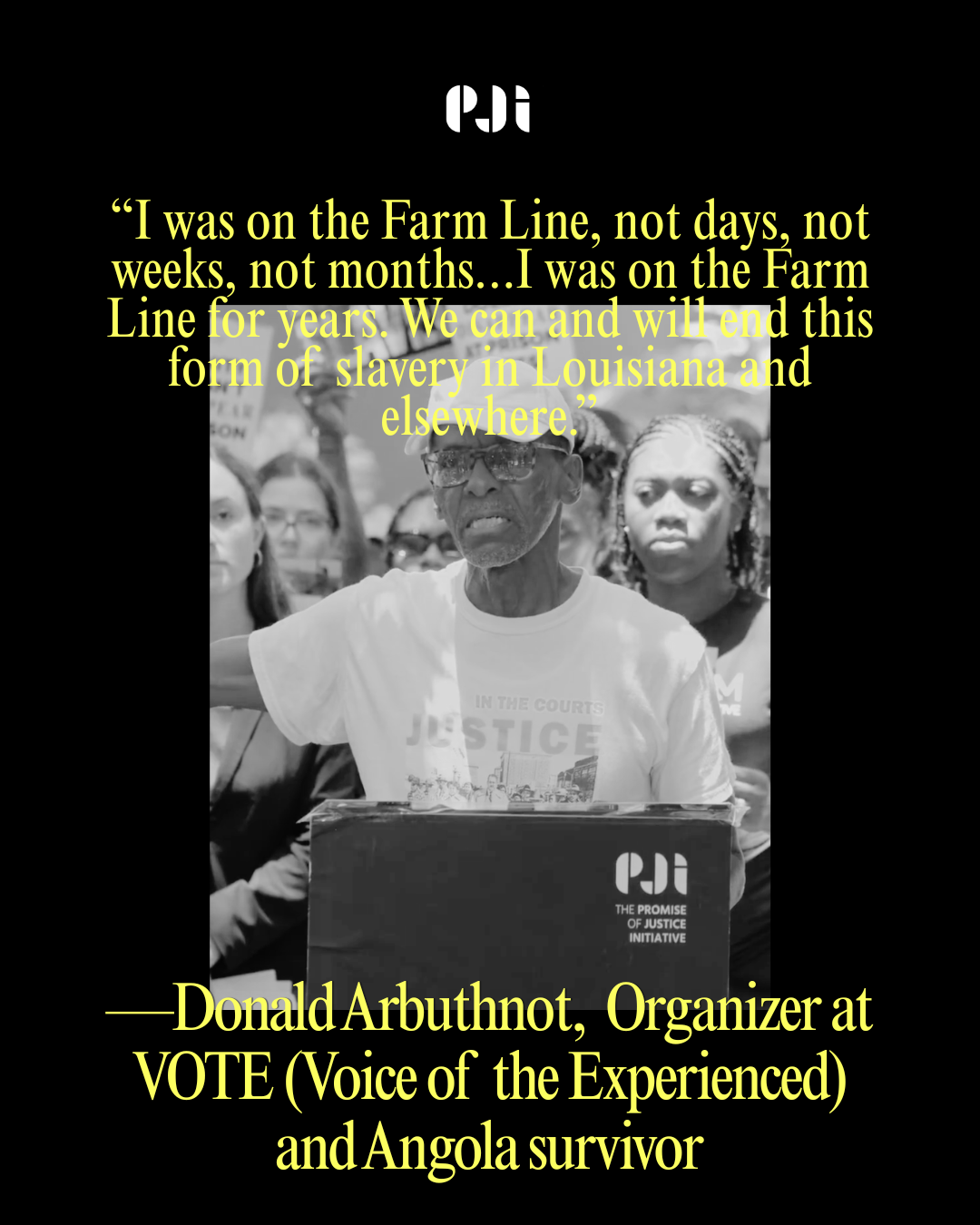
The lawsuit, Voice of the Experienced v. LeBlanc, was filed in 2023 by VOTE, a grassroots organization made up of formerly and currently incarcerated people, along with plaintiffs including Myron Smith, Damaris Jackson, Nate Walker, and Darrius Williams. All had worked on Angola’s Farm Line. During the February trial, jurors heard testimony that painted a disturbing picture. Joseph Guillory described being ordered to hand water crops for hours in extreme heat while facing discipline if he refused. Myron Smith testified that a correctional officer pointed a rifle at the work line after becoming frustrated with how slowly the men were moving. These weren’t rumors or secondhand stories. They were sworn accounts presented in federal court.
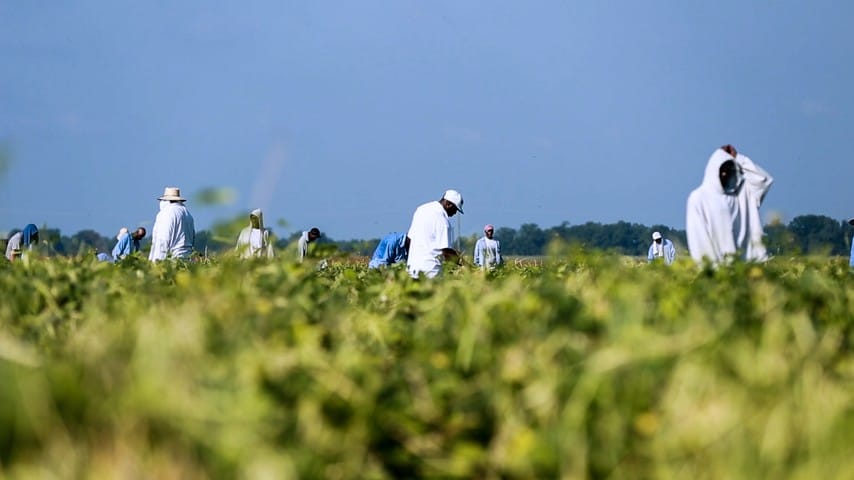
Judge Jackson did not question whether the danger existed. In fact, he agreed that the risk of serious heat related illness was both real and ongoing. But he also concluded that a separate Fifth Circuit decision involving medical care at Angola required him to consider whether prison officials had taken reasonable steps to address those dangers before ordering additional relief. Because the state implemented new measures during the lawsuit, including greater access to water, more shade breaks, and heat monitoring, Jackson found those efforts met the legal standard. Louisiana has consistently maintained in court filings that the Farm Line serves the practical purpose of feeding incarcerated people across the state and that its current heat policies satisfy constitutional requirements. Beyond those filings, the Department of Public Safety and Corrections has not publicly commented on the case.
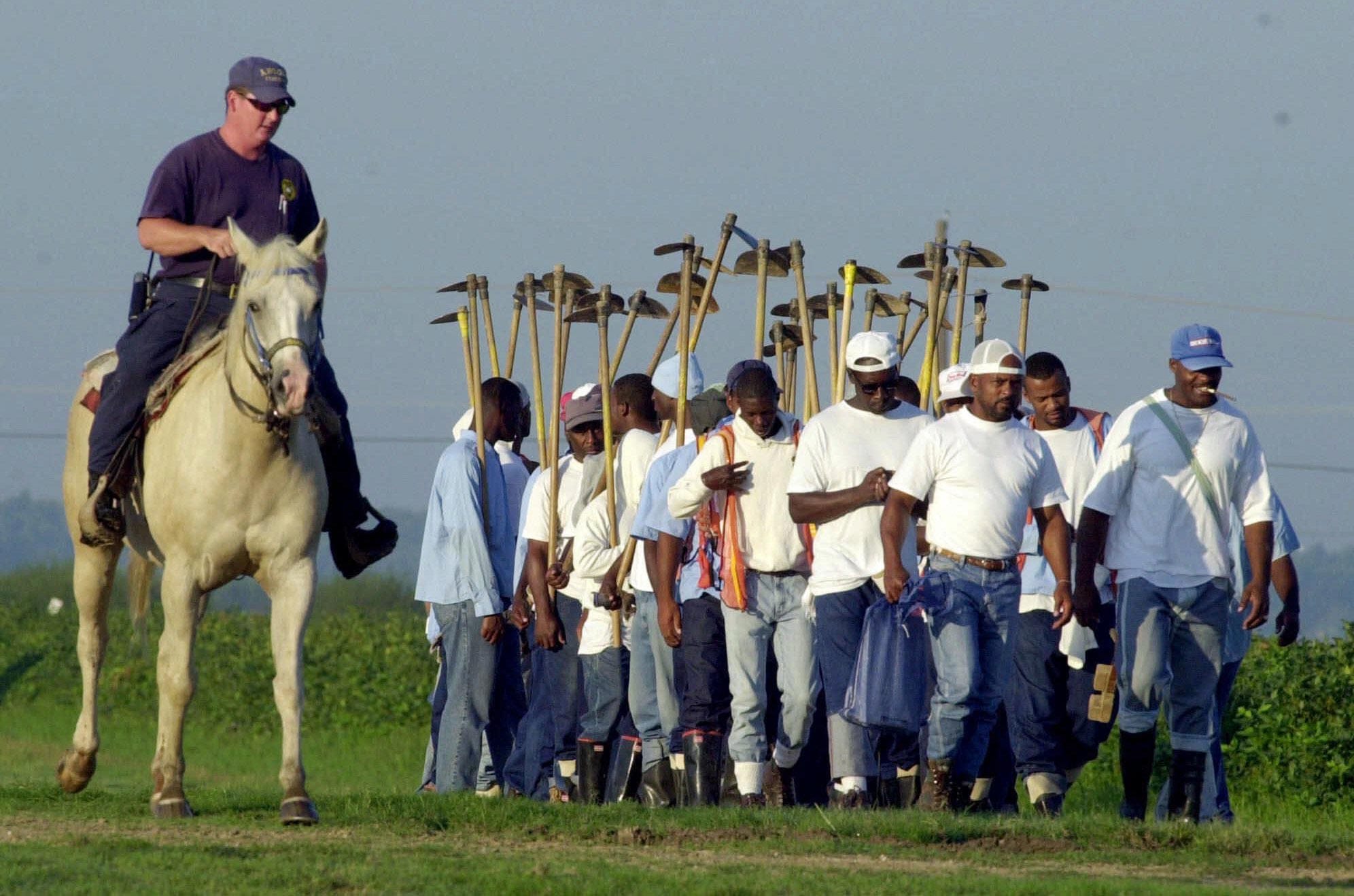
Legally, that’s where the ruling landed. But for the men who brought the lawsuit and the attorneys representing them, that was never the entire story.
Their case has always been about something much deeper than heat exhaustion. They argue that forcing incarcerated men to work the same land where enslaved Africans once labored under armed supervision creates a unique and ongoing injury to their dignity. It is a harm rooted not only in working conditions, but in history itself. Yet according to the plaintiffs’ motion asking the court to reconsider its decision, Judge Jackson’s opinion never addressed that argument. They note that the words “dignity” and “slavery” never appear in the court’s 60 page ruling, despite extensive testimony and expert evidence centered on those very issues. Attorney Samantha Pourciau of the Promise of Justice Initiative has called that omission a fundamental legal error because, in her view, the court never actually confronted one of the lawsuit’s central constitutional claims.
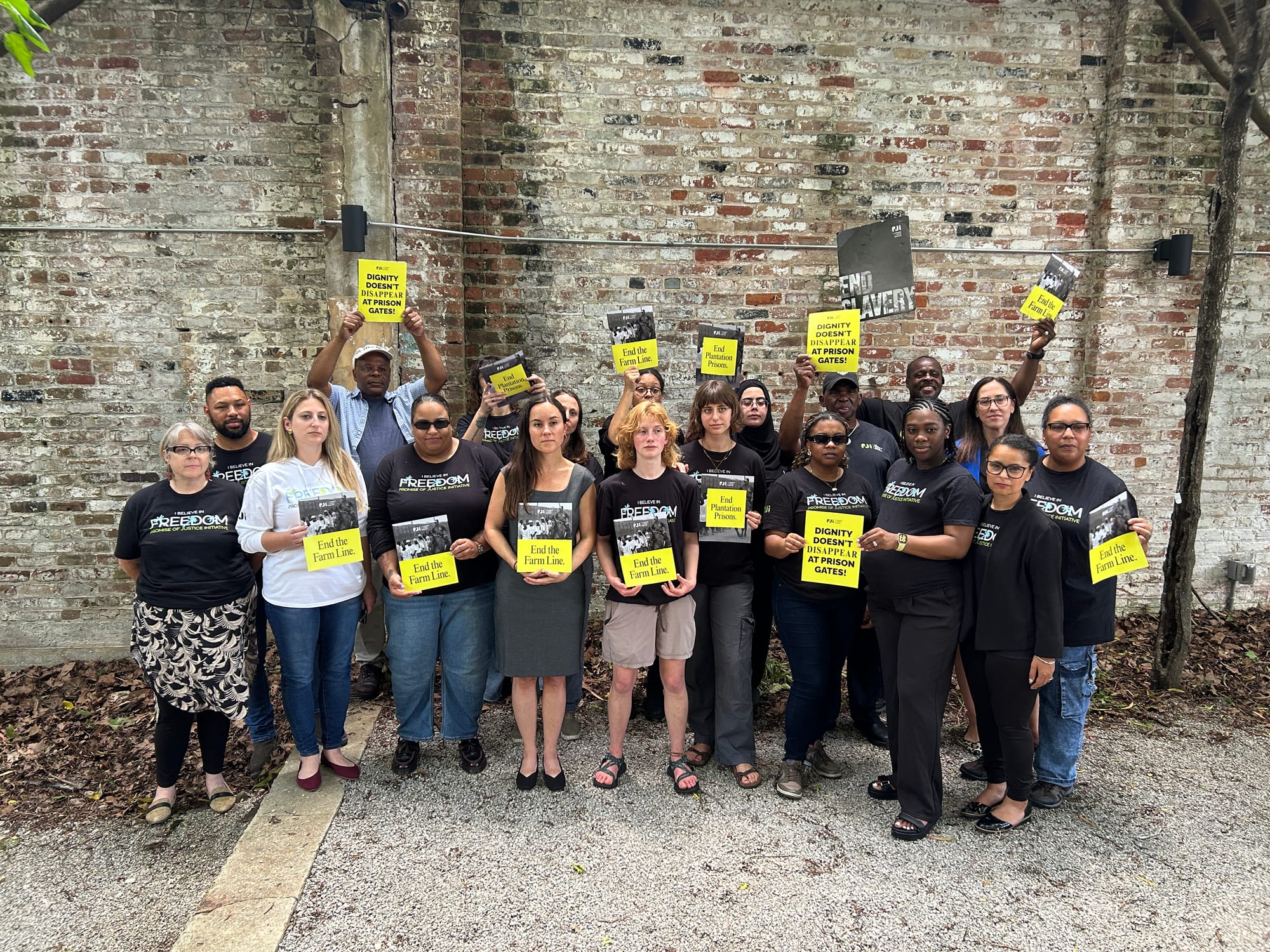
The Promise of Justice Initiative, a New Orleans civil rights organization, has worked alongside Rights Behind Bars on this litigation since 2023 as part of its broader End Plantation Prisons campaign. At the heart of their argument is the Thirteenth Amendment itself. While the amendment abolished slavery, it also included an exception allowing involuntary labor “as a punishment for crime.” Advocates argue that this single clause created the legal pathway for prison labor systems that have continued for more than 150 years. Angola, they say, simply makes that history impossible to ignore because the prison still operates on the grounds of one of America’s former plantations.
They also point out that Angola is not unique. Prison agricultural operations on former plantation land continue to exist in other states, including Texas. What makes Angola stand out is how plainly it reflects the historical connection between slavery, convict leasing, and modern prison labor.
Now, with their motion for reconsideration pending before Judge Jackson, the plaintiffs are asking the court to revisit two questions they believe remain unanswered. First, they want enforceable, long term protections against dangerous heat exposure. Second, and perhaps more importantly, they want the court to decide whether forcing incarcerated men to work on a former slave plantation under armed supervision for pennies an hour inflicts a constitutional harm to human dignity that deserves recognition and remedy.
The court has already acknowledged that the working conditions were dangerous. What remains unresolved is whether declaring something unconstitutional has any real meaning if the people living under those conditions leave the courtroom with nothing changed.

Please find more info on The Promise of Justice Initiative here - https://promiseofjustice.org/epp