The Emotional Cost of Being the Exception

– 7 min read






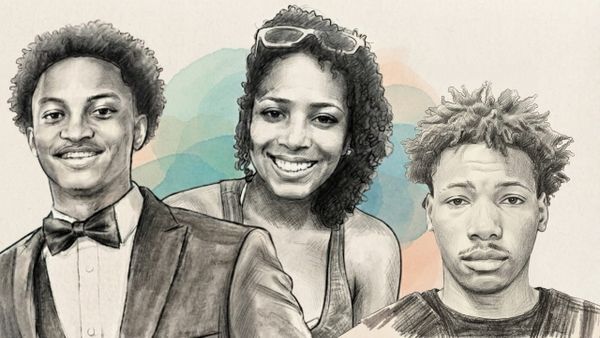
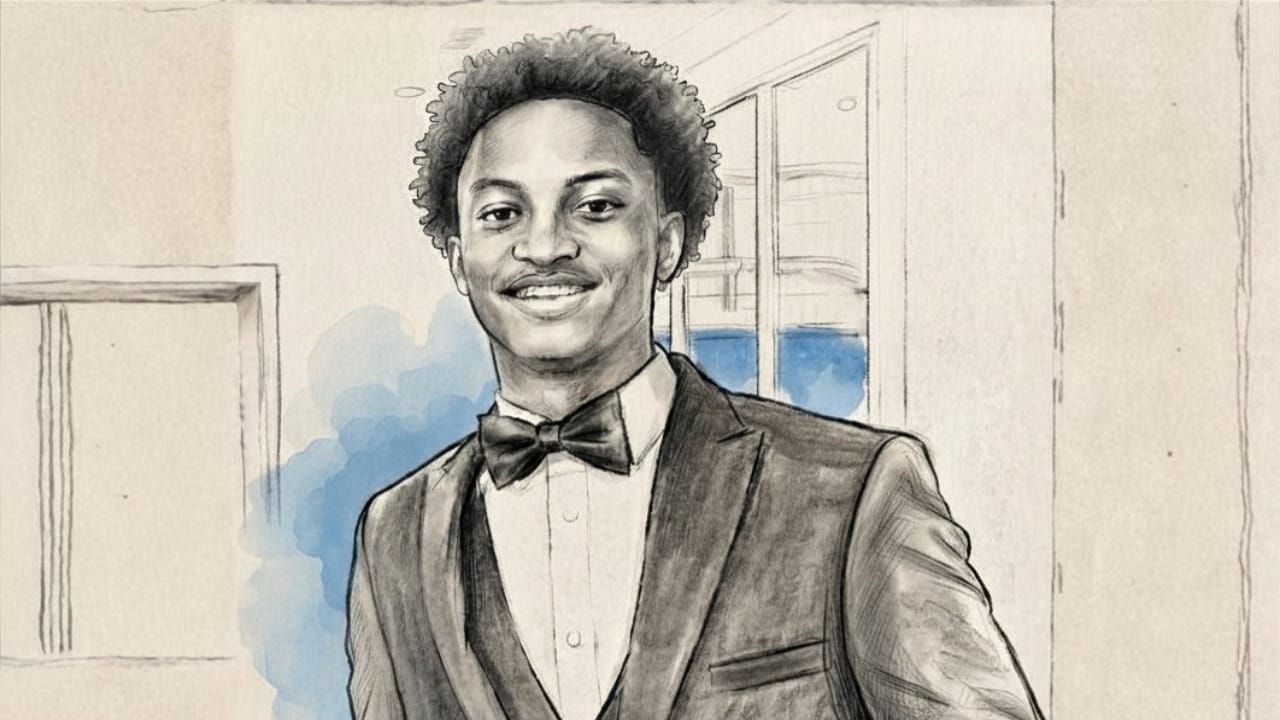
The first thing I thought about when I heard Nolan Xavier Wells had disappeared wasn’t the investigation. It wasn’t the conflicting accounts surrounding a Fourth of July trip with friends or the unanswered questions that continue to surround his death. It was his mother. As the mother of a Black son, I immediately imagined the phone call no parent ever wants to receive. I imagined the agonizing hours of waiting, praying, and convincing yourself that somehow your child will walk back through the front door. Before I ever thought about evidence, timelines, or legal proceedings, my heart went to a woman whose life had been forever divided into two chapters: before she lost her son and after.
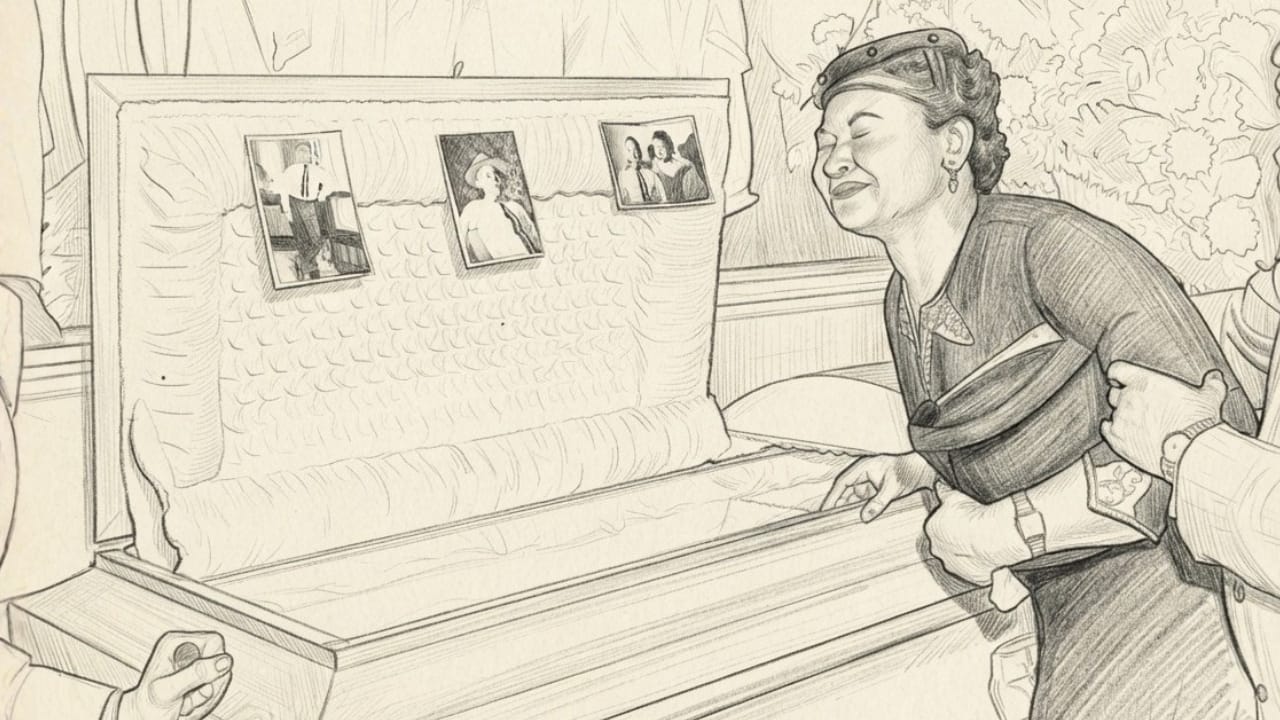
Almost instinctively, my mind traveled more than seventy years into the past to another mother who waited for a son that would never come home. Emmett Till and Nolan Wells lived in different Americas. Their stories are different, and they should never be treated as though they are the same. Emmett Till’s murder in 1955 was an undeniable act of racial terror that helped ignite the Civil Rights Movement. Nolan Wells’ death remains under investigation, and his family continues to seek answers about what happened during that trip to Horn Island. Yet despite those important differences, both stories awakened the same fear inside me. They reminded me that, after all these decades, many Black parents still understand the vulnerability that can accompany being the only Black person in the room.
That realization has stayed with me because I have spent most of my life navigating predominantly white spaces. Sometimes it was because my mother believed those environments would create opportunities she never had. Sometimes it was because my career placed me in corporate boardrooms, media organizations, and executive meetings where I was often one of only a few Black faces. Looking back, I understand why those decisions were made. They came from love. They came from sacrifice. They came from generations of Black parents who believed that better schools, better neighborhoods, and greater access would produce brighter futures for their children. In many ways, they were right. Those opportunities opened doors that might otherwise have remained closed. What no one prepared us for, however, was the emotional cost of constantly being the exception.
For much of my childhood, I learned to navigate spaces where I stood out before I ever opened my mouth. I became accustomed to questions about my hair, comments about the way I spoke, and the subtle reminders that I was different from everyone else in the room. As children, we often don’t have the language to describe those experiences, but we certainly feel them. You begin to understand that your differences are constantly being observed, even when no one intends harm. Over time, you develop habits designed to make other people comfortable. You smile a little longer. You become careful with your words. You avoid appearing too confident because confidence can be misread. Without realizing it, you begin carrying the responsibility of making everyone else feel safe around you while quietly wondering who is making sure you feel safe.
Those feelings followed me into adulthood. When I attended the University of Oklahoma, the largest concentration of Black students on campus were football players. If you were not an athlete, you quickly realized how few people looked like you. I will never forget learning that my roommate’s parents had driven to campus after realizing I might be Black because they wanted to see my family before deciding whether they were comfortable with their daughter sharing a room with me. They watched my mother, my brother, and me unload our belongings before ever introducing themselves. My roommate later explained that her parents simply wanted to know what kind of people we were. I remember feeling disappointed, but I cannot honestly say I was surprised. Even at that age, I had already learned that being the only Black person in the room often meant proving you deserved to be there before anyone bothered to know you. During my freshman year being the only black girl in a suite with 4 white girls, sharing a bathroom with all 4 and a room with one was an emotionally heavy experience to say the least. The differences between us were both obvious and ambiguous, cultural and economic, social and familial. You add being the youngest girl in a group of 17-19 year old young women and it's no surprise those hurdles worked to create a very displaced freshman year of college for me.
Years later, I carried that same awareness into corporate America. Like so many Black professionals, I became fluent in code-switching before I even knew there was a name for it. I found myself carefully enunciating every word during interviews and meetings because I wanted to be viewed as intelligent before I was judged by stereotypes. I smiled through uncomfortable moments. I measured my tone. I worked twice as hard because I understood that my mistakes might be remembered long after someone else’s had been forgotten. None of that was written into a job description, yet it became part of the emotional labor of being one of the only Black professionals in the room. Looking back, I realize I wasn’t simply building a career. I was constantly managing other people’s perceptions while trying not to lose pieces of myself in the process.
That is why conversations surrounding Black men’s mental health resonated with me so deeply this year. During Black Men’s Mental Health Month, I listened as men described spending decades calculating how they were perceived. They talked about softening their voices, avoiding appearing intimidating, and carrying the exhausting responsibility of making everyone else comfortable before allowing themselves to be authentic. Listening to those conversations, I realized that many of us have accepted this emotional labor as a normal part of success. We celebrate the Black executive, the Black student, or the Black professional who becomes “the first” or “the only,” but we rarely stop to ask what it costs to live that way for years or even decades.
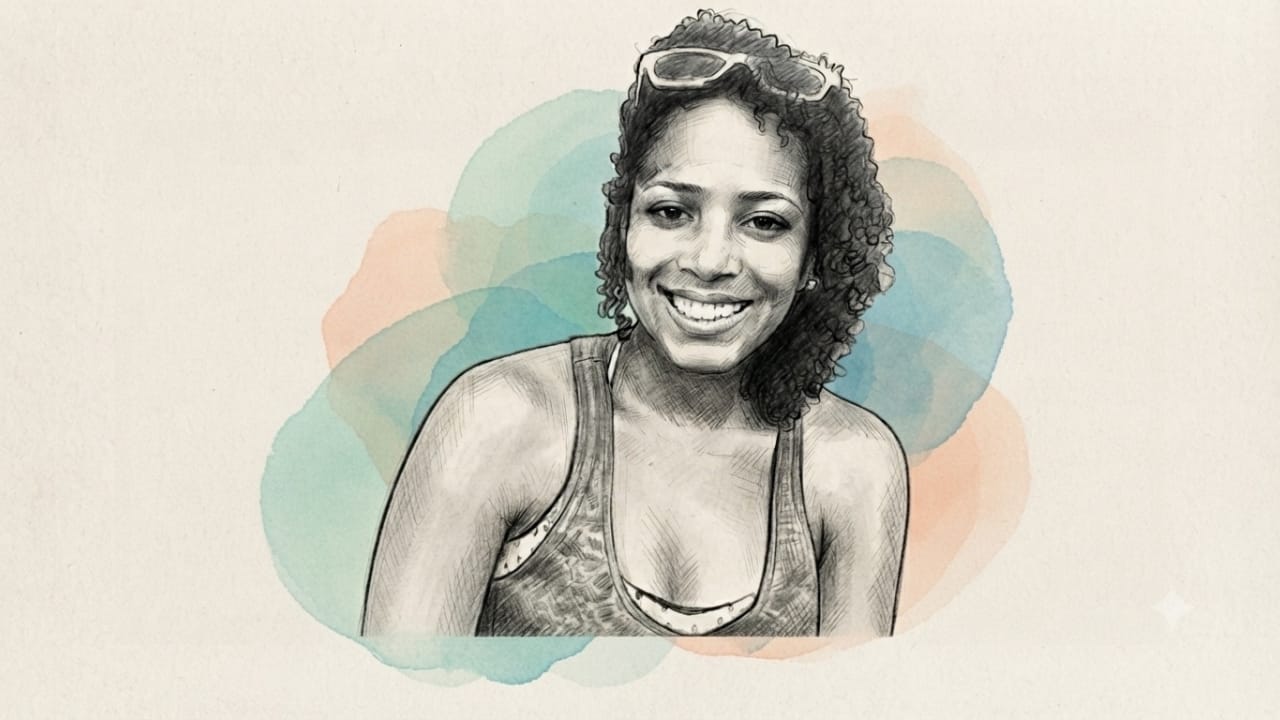
The stories of Tamla Horsford, Nolan Wells, and Karmelo Anthony each underscore different aspects of that burden, even though their facts and legal circumstances are very different. Tamla Horsford attended what should have been an ordinary adult slumber party with women she considered friends. She was the only Black woman in attendance. The following morning, she was found dead outside the home. Authorities concluded that she died from injuries consistent with an accidental fall, and no criminal charges were filed. Yet for many Black Americans, the questions surrounding her death became larger than the investigation itself. The case reflected a longstanding concern about whether Black families can trust that every tragedy involving a Black life will receive the same confidence, scrutiny, and transparency that they believe other families might expect.
Nolan Wells’ death has stirred many of those same emotions. While investigators continue their work and his family continues to seek answers, countless Black parents saw something painfully familiar in his story. They saw a young Black man who, according to public reporting, was the only Black member of his group. Whether the investigation ultimately answers every question or not, the emotional response from Black America speaks for itself. It reflects a generational memory that tells us racial isolation can carry risks that extend beyond simply feeling out of place.
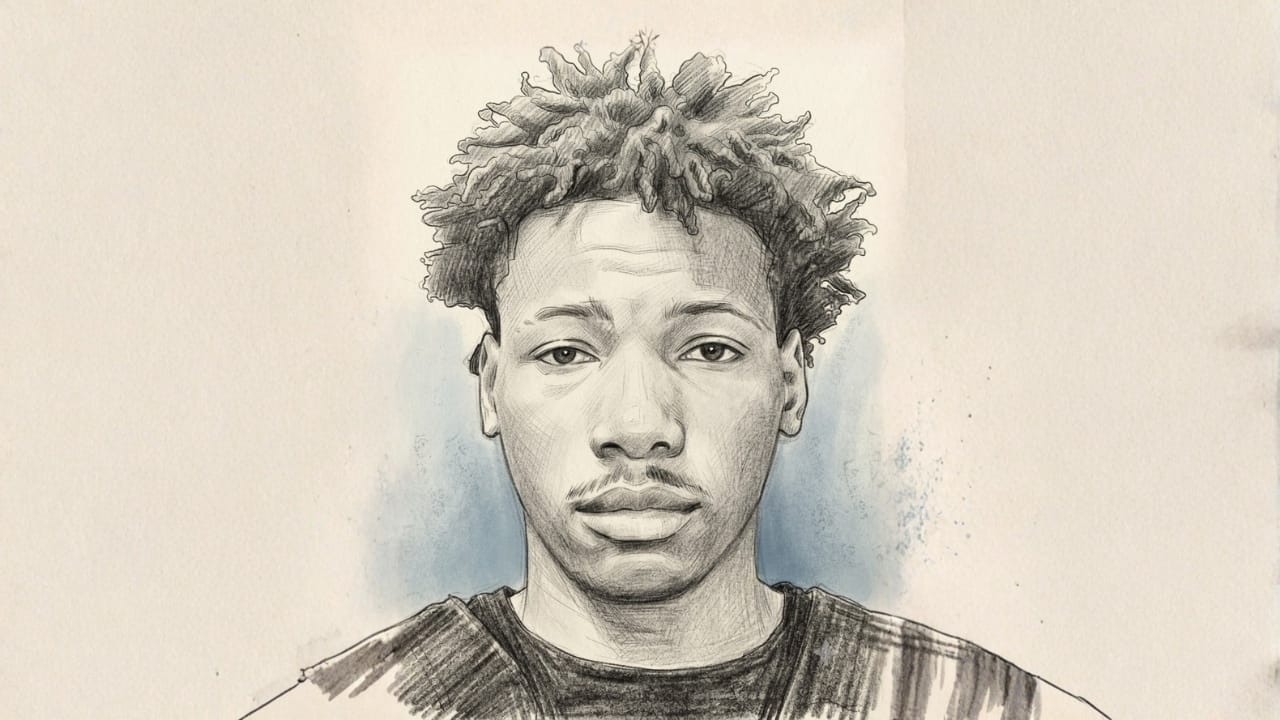
Karmelo Anthony’s story reminds us that tragedy does not always end with the loss of life alone. Following a fatal altercation at a high school track meet, Anthony was convicted of murder and sentenced to thirty-five years in prison. The jury reached its verdict, and nothing diminishes the heartbreaking loss experienced by Austin Metcalf’s family. At the same time, Anthony’s story reminds us how quickly one encounter can permanently alter multiple lives. It raises difficult questions about conflict, perception, and the pressures young people navigate when race becomes part of the story. One family buried a son. Another watched a son begin what will likely be most of his adult life behind bars. No outcome in that case can honestly be described as a victory.
None of these stories prove the same thing, nor should they be forced into a single narrative. What they do reveal is why so many Black families continue to wrestle with questions that previous generations hoped would already have been answered. They remind us that opportunity and belonging are not the same thing. We have spent decades encouraging our children to pursue the best schools, the best neighborhoods, and the best careers. Those aspirations are noble, but perhaps we have not spent enough time asking whether our children are also finding community, affirmation, and people who will recognize their humanity before asking them to prove their worth. We have to stop confusing opportunity with proximity. Access matters, but belonging matters just as much.
I still believe in diverse classrooms, neighborhoods, workplaces, and friendships. My life and career have been built by working with people from every imaginable background, and I would never argue that Black children should be separated from the broader world. What I am suggesting is something much simpler and, I believe, much more important. We should stop celebrating the idea of being “the only one” as though it is automatically a badge of honor. We should begin asking whether our children have communities that affirm them, mentors who understand them, and relationships that remind them they never have to shrink themselves in order to belong.
If Nolan Wells’ story teaches us anything, perhaps it is not simply to ask what happened on one summer day. Perhaps it should also encourage us to ask a more enduring question. Are we preparing our children only to gain access to opportunity, or are we also making sure they have the cultural foundation, emotional support, and sense of belonging necessary to thrive once they get there? After fifty-one years of navigating rooms where I was often the exception, I have come to believe that belonging is every bit as important as opportunity. Until we begin valuing them equally, we will continue asking our children to carry burdens they should never have to shoulder alone.