Forget the Dating Gurus: Minister Louis Farrakhan Gives the Best Relationship Advice in Black America

– 6 min read






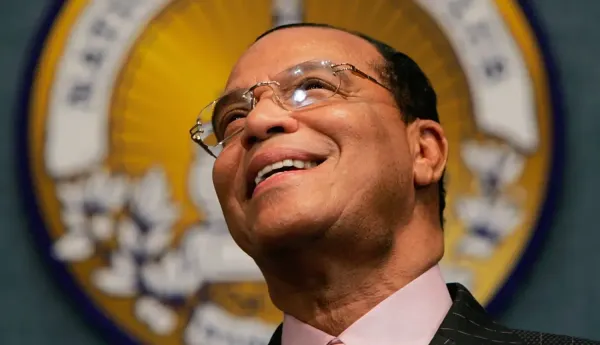
I was scrolling through social media recently when I came across another clip of Minister Louis Farrakhan speaking about relationships, marriage, and responsibility, and honestly, I had to stop and replay it twice because of how direct and practical it was. There are no gimmicks, no screaming or gender baiting. No bitterness towards or pandering to women. No attempt to embarrass men for laughs or viral engagement. Min Farrakhan simply stated that if a man wants a woman, he is going to need some money because women cost money, families cost money, and there is no real way around that responsibility if a man truly understands his role. He went on to explain that when he first met his wife as a young man, he did not have much financially because he had responsibilities helping his mother take care of their family. But even in that season of his life, he understood something many modern men seem to resist hearing today: it was still his responsibility to provide. He spoke about how his wife actually had more money than he did at the time, yet he never allowed her to spend any money on him because, even as a young man, he believed provision was tied to his understanding of manhood, integrity, leadership, and responsibility.
Listening to old clips from Min Farrakhan have always made me realize just how rare these conversations have become in today’s culture. Most modern relationship conversations online revolve around pitting men against women instead of reminding both sides why they need each other in the first place. Every day there seems to be another podcast clip designed to humiliate women, another viral conversation teaching men emotional detachment, or another social media debate centered around who is more toxic, more selfish, or more disposable in relationships. Very few people are actually promoting healthy partnership anymore. Very few people are celebrating the importance of strong men and strong women working together to create stable homes, emotionally healthy children, and stronger communities. Instead, dysfunction has become entertainment, and somehow the louder the division gets, the more profitable it becomes.
That is one of the reasons Minister Farrakhan’s commentary continues resonating across generations despite how controversial he remains in broader public conversations. Whether people agree with every aspect of his ideology or not, there is no denying that he speaks about relationships with clarity, structure, and purpose in ways that many modern “relationship gurus” simply do not. He does not approach relationships as a game built around manipulation, leverage, or performance. He speaks about marriage, family, and partnership as sacred responsibilities that directly affect the health of the larger community. He consistently frames men and women as equally necessary to the survival and development of healthy families rather than competitors fighting for dominance over one another. In a culture obsessed with independence and self preservation, that perspective almost feels radical now.
As a Christian woman, I have never believed wisdom only exists inside one denomination, one religion, or one cultural framework. I think people actually do themselves a disservice when they become so rigid that they cannot hear truth outside of what feels familiar to them. That does not mean abandoning your faith or compromising your spiritual beliefs. It simply means being mature enough to recognize value, wisdom, and practical guidance when you hear it. For me, the Nation of Islam has always addressed issues within the Black community in ways that felt deeply intentional and practical. While many churches focused heavily on spiritual endurance and salvation, the Nation of Islam often spoke directly to economic empowerment, nutrition, discipline, family structure, self respect, and community responsibility in ways that felt tailored to the realities Black families were navigating every single day.
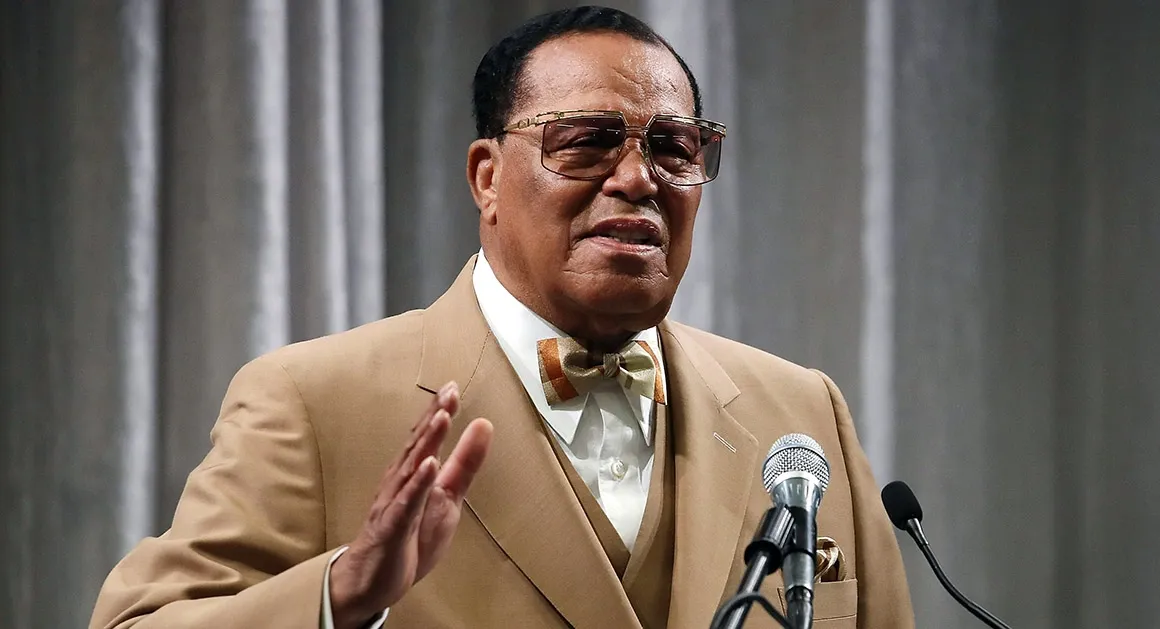
And honestly, practical application matters because spirituality disconnected from everyday life only goes so far. What good is preaching about faith if families are still emotionally broken, financially unstable, unhealthy, and disconnected from one another? One of the things Farrakhan consistently emphasizes is that leadership within the home should operate through love, discipline, responsibility, and service rather than ego or domination. That distinction is important because modern culture often confuses leadership with control. Farrakhan speaks about a man carrying the weight of provision and responsibility with pride rather than resentment. He speaks about financial support not as oppression, but as a natural extension of loving and protecting your family. In today’s climate, even discussing male responsibility in relationships can trigger backlash because accountability itself has become uncomfortable for many people.
At the same time, he does not allow women to escape accountability either, and I think that balance is part of why his teachings resonate with so many people. I remember another clip where he discussed the way a loving wife nurtures her family through intentional care. He talked about her making sure her husband is healthy, ensuring the children are healthy, preparing meals with love, creating peace inside the home, and paying attention to the emotional wellbeing of her family. Some people immediately hear conversations like that and reduce them to outdated gender roles, but I think they completely miss the deeper message. What he was really talking about was active love. He was talking about discipline, emotional investment, and service toward the people you claim to care about. In today’s world, many people define love entirely through feelings, aesthetics, social media captions, or temporary chemistry while overlooking the fact that real love often reveals itself through consistency, sacrifice, effort, and responsibility.
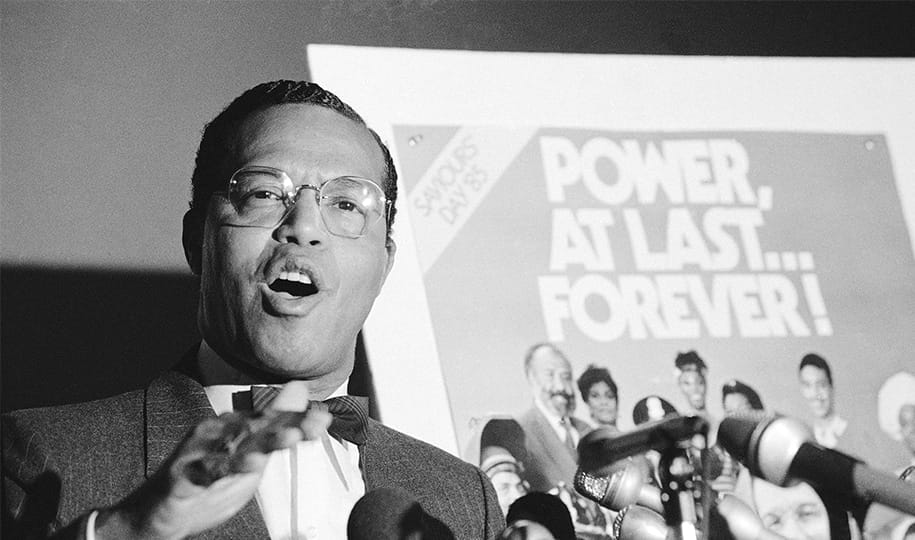
What also stands out about Farrakhan’s approach is that he never seems interested in humiliating either gender for entertainment. So much of modern relationship culture is built around embarrassment and division. Men publicly ridicule women over age, appearance, or relationship history while women create entire platforms mocking men for financial struggles, emotional immaturity, or lack of success. Everybody seems angry at one another, and somehow that anger has become normalized as relationship advice. Meanwhile, fewer people are discussing how men and women working together actually benefits children, families, neighborhoods, and communities as a whole. Farrakhan’s teachings feel different because they are rooted in collective wellbeing instead of individual ego. He speaks as though healthy homes matter because they produce healthier people, and honestly, that is a conversation Black America desperately needs to revisit.
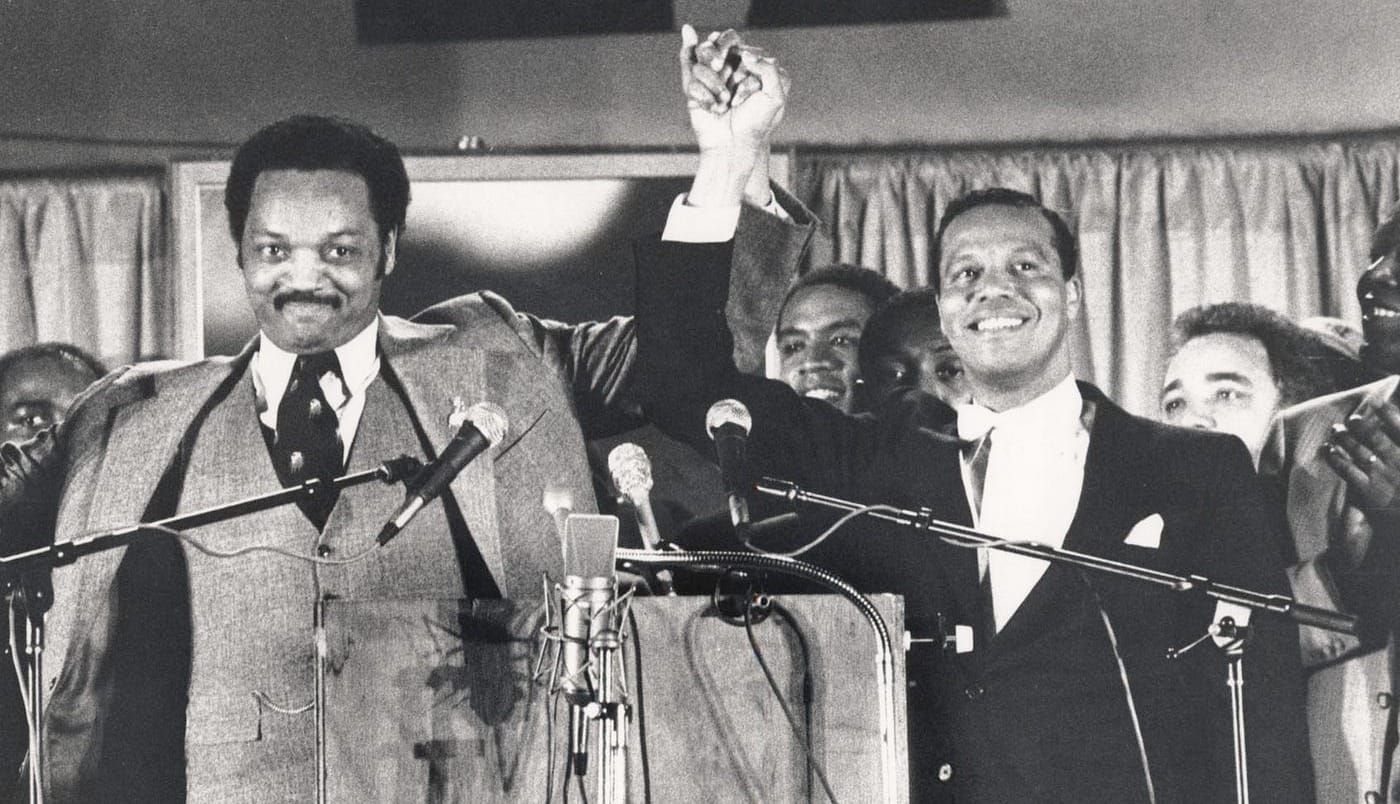
The Black community has spent generations dealing with economic instability, incarceration, addiction, violence, fractured households, and cycles of trauma that continue impacting family structures today. Healthy relationships alone will not solve every systemic issue, but stable homes absolutely matter when it comes to producing emotionally secure children and stronger communities. Children benefit from seeing healthy masculine leadership and healthy feminine nurturing functioning together rather than constantly operating in conflict. Communities become stronger when men and women stop viewing one another as enemies and start recognizing the value each brings to family development and emotional stability. Farrakhan consistently speaks to that larger picture, which is probably why his clips continue circulating online decades later among younger audiences searching for guidance.
What fascinates me most is that younger generations continue rediscovering his sermons because it says something important about where society currently is emotionally. People are exhausted by modern dating culture. They are exhausted by relationship advice rooted entirely in selfishness, emotional detachment, manipulation, and power struggles. They are exhausted from constantly hearing that vulnerability is weakness, commitment is foolish, or marriage itself no longer matters. Deep down, many people still crave structure, partnership, consistency, emotional safety, and homes that feel peaceful and secure. They want relationships where love is demonstrated through action instead of simply spoken about online for engagement. Whether people are comfortable admitting it or not, Minister Louis Farrakhan continues resonating because he speaks directly to those desires while reminding men and women that healthy communities cannot exist without both working together.
In these times we need leaders like Min Farrakhan more than ever because beneath all the social media noise, people are still searching for guidance on how to love each other well.