Bobby Brown’s 35th Anniversary Celebration Was More Than a Concert—It Was a Reunion With a Generation

– 3 min read






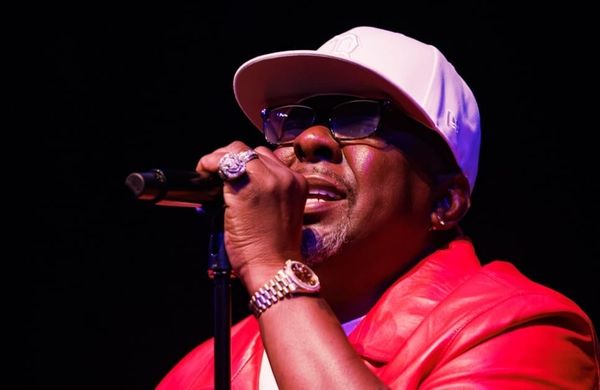
There are few artists whose music can instantly transport an audience back to a specific chapter of their lives. On Friday night, Bobby Brown proved that his catalog still possesses that rare power as he celebrated the 35th anniversary of Don’t Be Cruel, the groundbreaking album that transformed him from a member of New Edition into one of R&B’s most influential solo stars.
The evening wasn’t simply a celebration of an album—it was a celebration of an era. From the moment concertgoers entered the theater, there was an unmistakable sense that this was more than another stop on a tour. It felt like a reunion. Friends embraced, strangers struck up conversations about favorite songs, and anticipation filled the room as fans eagerly waited for one of R&B’s greatest entertainers to take the stage.
Like many live productions, the show began a little later than scheduled. But once the lights dimmed and Bobby Brown emerged, the delay quickly faded from memory. Brown delivered a solid one-hour set that reminded everyone why Don’t Be Cruel remains one of the defining albums in contemporary R&B. His performance balanced confidence, nostalgia, and appreciation, allowing the music—not elaborate production—to remain the star of the evening.
Throughout the night, Brown revisited the songs that have become woven into the soundtrack of Black culture. Each familiar melody was met with enthusiastic applause, standing ovations, and thousands of voices singing every lyric from memory. The audience didn’t need to be prompted. They already knew every word.
One of the evening’s highlights came when Brown paused to honor the artists whose contributions helped shape popular music. His tributes to The Jacksons, Prince, and several other legendary performers reflected an artist who understands that his own remarkable career is part of a much larger musical legacy. It was a thoughtful moment that acknowledged the pioneers whose influence continues to inspire generations of performers.
Equally compelling was the audience itself.
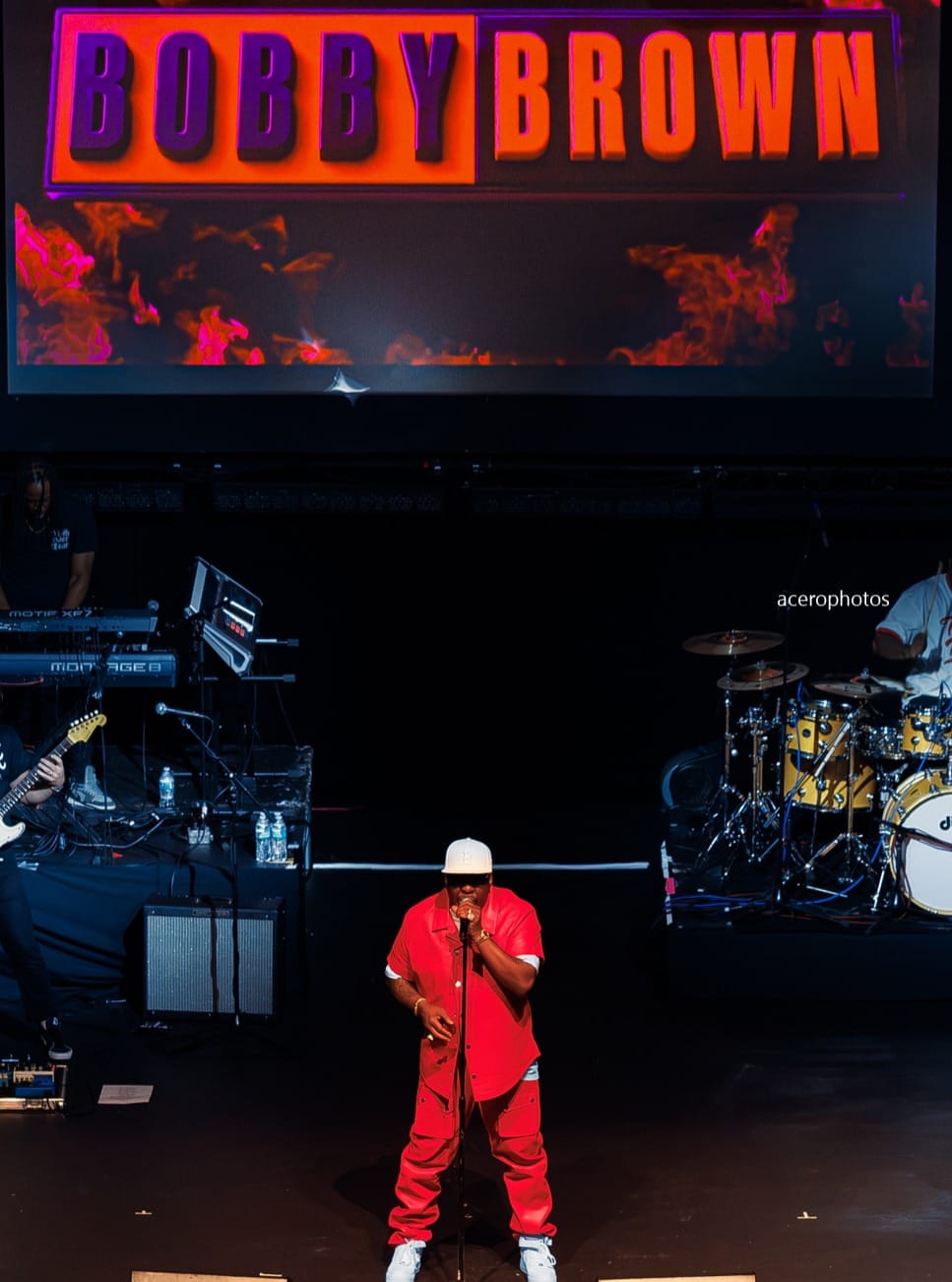
Bobby Brown’s demographic was exactly what one might expect—and exactly what made the evening so special. Women filled the majority of the seats, many arriving dressed for a night out that felt as much like a celebration as it did a concert. One group of women turned the evening into a birthday celebration, dancing together, laughing, and singing every lyric as if the soundtrack of their youth had come back to life.
While the crowd was predominantly Black, Brown’s influence extended well beyond one community. White and Hispanic fans were sprinkled throughout the theater, underscoring the universal appeal of music that has transcended race, age, and culture for more than three decades. Still, the overwhelming feeling inside the venue was one of shared nostalgia. It wasn’t about looking back with longing—it was about celebrating songs that continue to bring people together.

Brown himself appeared comfortable in that role. Rather than attempting to recreate the energetic performer of the late 1980s, he embraced the artist he is today. The swagger remains. The charisma is still unmistakable. More importantly, his connection with the audience has only deepened with time. His performance reflected an entertainer who has experienced both extraordinary triumphs and unimaginable personal loss, yet continues to stand before his fans with gratitude and purpose.
In today’s entertainment landscape, where production often overshadows performance, Bobby Brown reminded audiences that timeless music doesn’t require excessive spectacle. Great songs, authentic artistry, and a genuine connection with the people who have supported you for decades are more than enough.
Thirty-five years after Don’t Be Cruel forever changed the sound of R&B, Bobby Brown continues to demonstrate why his influence remains undeniable. Friday night’s anniversary celebration wasn’t simply about honoring a classic album. It was about honoring resilience, legacy, and the enduring power of music to connect generations.
As fans filed out of the theater, many were still singing the songs that defined the evening. Perhaps that’s the greatest measure of Bobby Brown’s impact. Long after the final note has been played, his music continues to live—not just through streaming platforms or playlists, but in the memories of the people who have carried it with them for the last 35 years.