Muni Long's Recent Health Admission Exposes the Grim Reality of the Lack of Transplant Donors for Black Women
– 4 min read





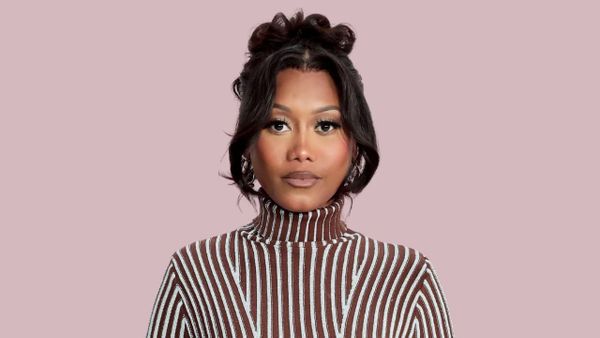
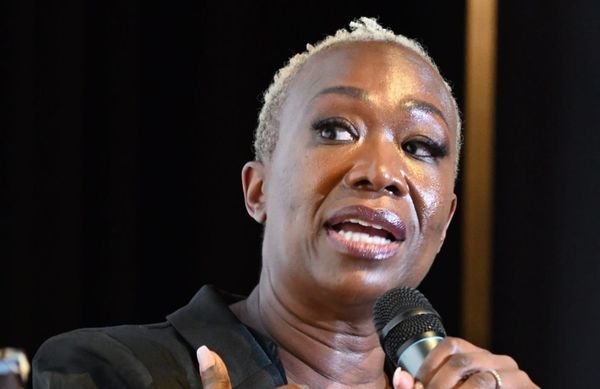
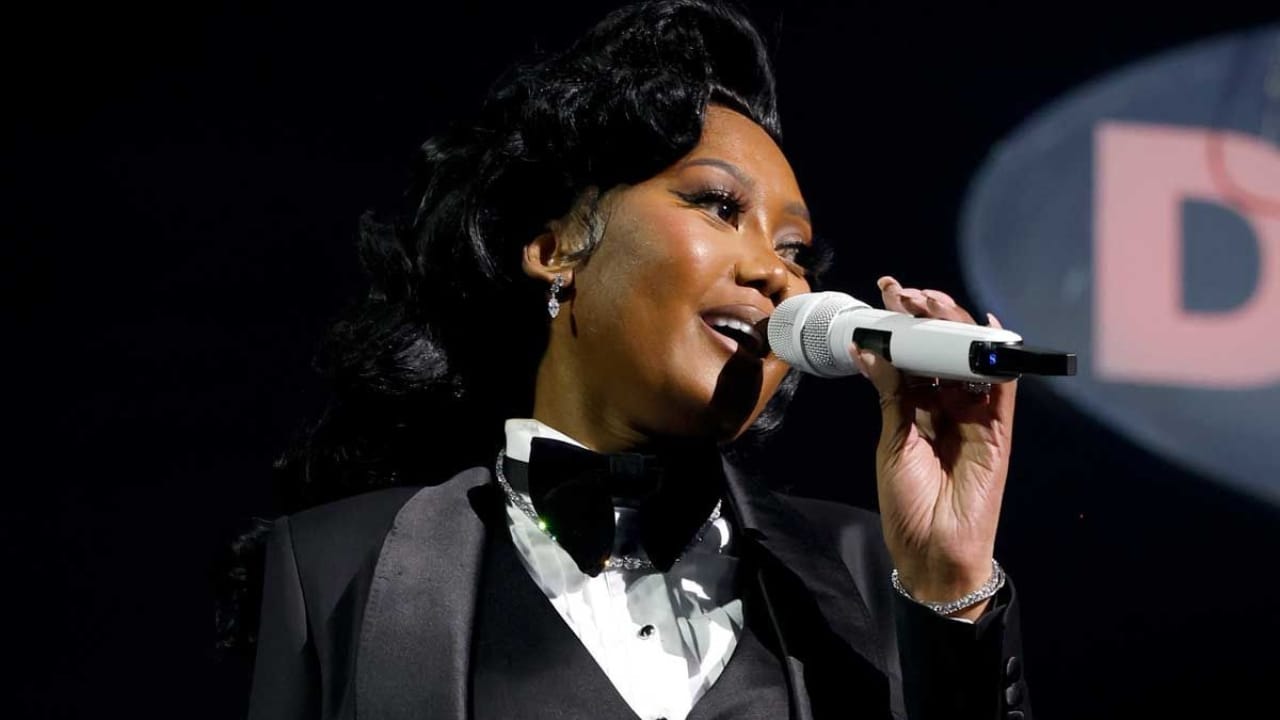
“I hope she’s okay.” That is the sentence I uttered aloud while watching Muni Long struggle to get through her performance at the highly anticipated “The Boy Is Mine” tour stop in Atlantic City, NJ last November. She’d go on to perform just two songs: “Made For Me” and her rendition of the gospel classic, “Total Praise.” Unlike Brandy, Monica, and Kelly Rowland, Long was not in an elaborate costume. She donned a bath robe and slippers. She seemed tired, leaning on the shoulder of one of her background dancers as she sat on a stool, clearly committed to finishing the set.
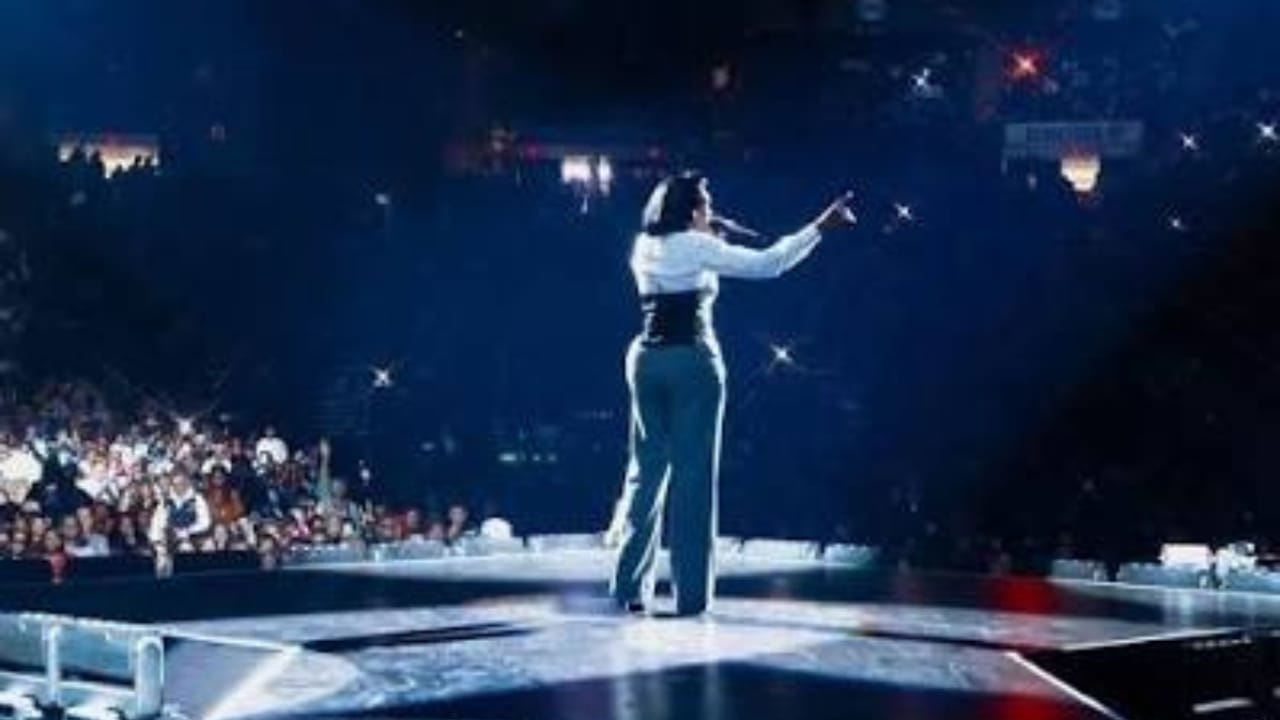
The singer/songwriter apologized multiple times before ending her brief set, and her dancers escorted her off stage. Days later, it was announced that Mya would replace Long, as Long needed to focus on getting her health on track. She’d been open about her battle with lupus for some time, so many attributed her pulling out of the tour to her condition. We’d learn six months later that the issue was much more serious.
In June, Long revealed in an interview with Good Morning America that she underwent a double lung transplant after being admitted to the hospital just days after her last show on the tour months earlier. She explained that she pulled out of the show after a bout of pneumonia, having already missed a few shows along the way. While hospitalized, doctors advised her that her situation was dire and that she needed surgery, or she wouldn’t survive.
“I should have never taken that tour, but there was so much going on in my life that I had to do it,” she explained, referencing her lupus. “About midway through, we’re up in the northeast, it’s really cold, and with autoimmune, the cold is really not your friend. I got really sick, I got pneumonia, I had to step away for a few dates. But I’m like this is not it, I got to go back. I went back and I think maybe about five or six dates in, I was like, this is not… I couldn’t even get out of bed to make my call time for the stage. And the last show, I just barely made it, I was only able to do two songs. My team and my family were like, you just need to come home and rest.”
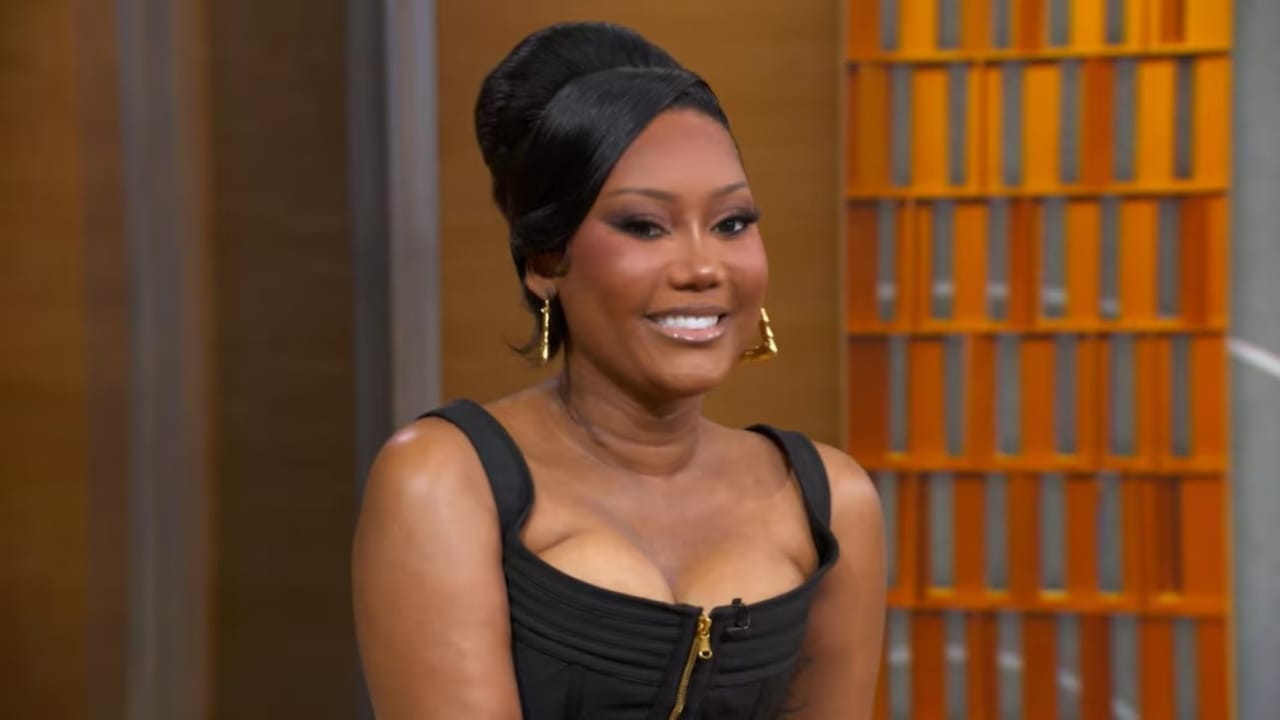
While preparing for Thanksgiving, she says she woke up in the hospital when doctors gave her the grim diagnosis. “[The doctors] were all like, you need a transplant,” she said. “I’m like, it sounds like you have a time. How long do I have to live? And they go, a week. One week. And my jaw dropped literally. I was like, ‘That’s rude.’ But they just wanted me to, hey, this is not a joke, you need to make a choice. You can either go to hospice, or you can get these lungs.” She chose the latter, noting she was afraid of how the transplant would impact her vocal cords, but her son was her motivator to do it. The transplant has been a success.
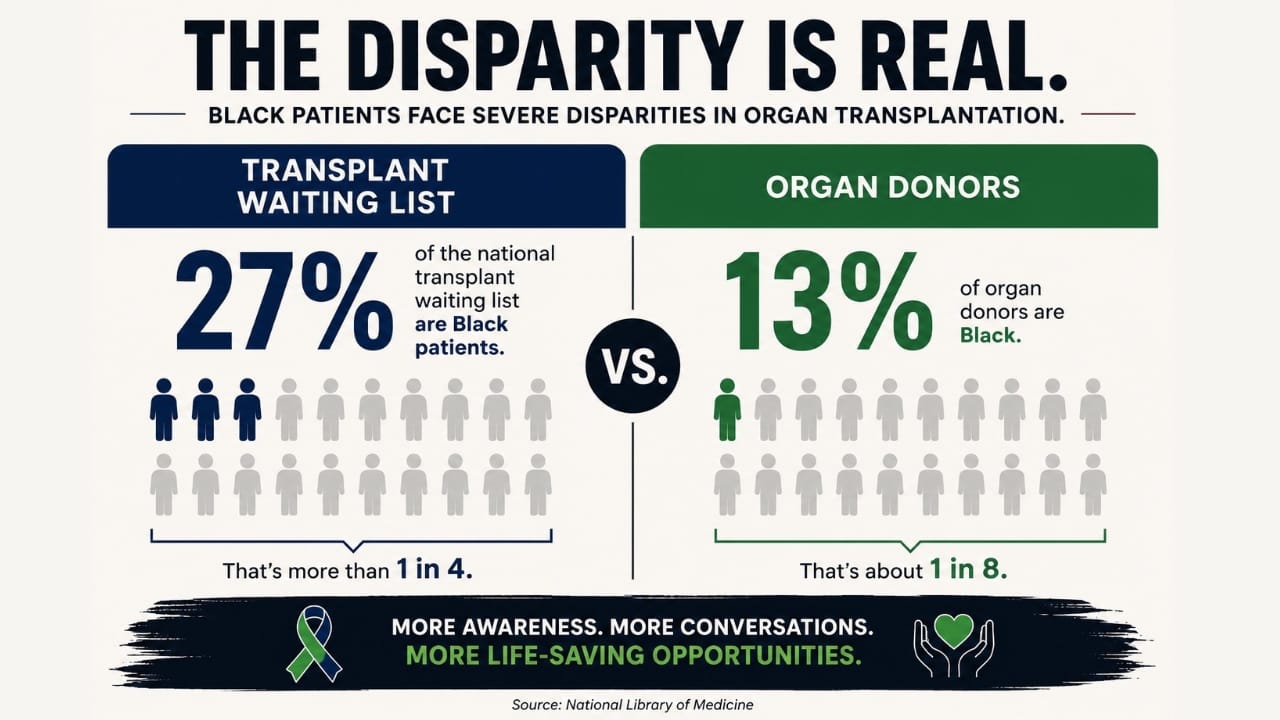
Others haven’t been so lucky. According to the National Library of Medicine, Black patients face severe disparities in organ transplantation. They account for an estimated 27% of the national transplant waiting list, yet they represent only about 13% of donors. Blood type and genetic markers are key components for a successful match, which are often inherited, having diverse donors improves transplant outcomes.
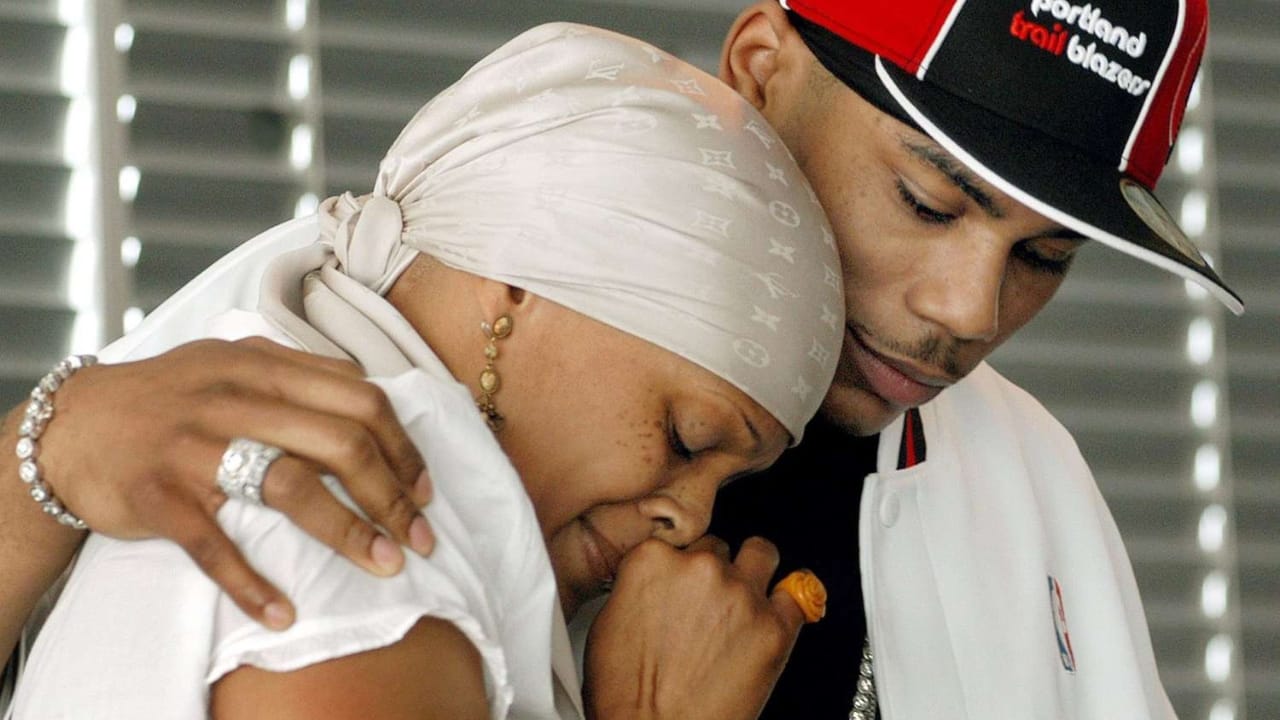
Years ago, rapper Nelly used his platform to try to get a bone marrow donor for his beloved sister, Jackie, who suffered from leukemia. Nelly held bone marrow drives and campaigns in hopes of saving her life. He established the non-profit 4Sho4Kids organization and the “Jes Us 4 Jackie” campaign to help raise awareness about the need for bone marrow donations in the African-American community. At the time he went public with her diagnosis, she’d been on the donor list for two years. She never found a match. Jackie was 31 when she passed at the age of 31, leaving behind two children whom Nelly adopted and raised after her transition. Her death crushed him.
Recently, a Facebook post about a Florida teen, Gigi Felix, was shared about her fighting for her life. She has battled sickle cell disease for most of her life and is in urgent need of a bone marrow transplant. She's up against a major blockage: doctors cannot move forward until 50 units of highly specific, compatible blood are secured.
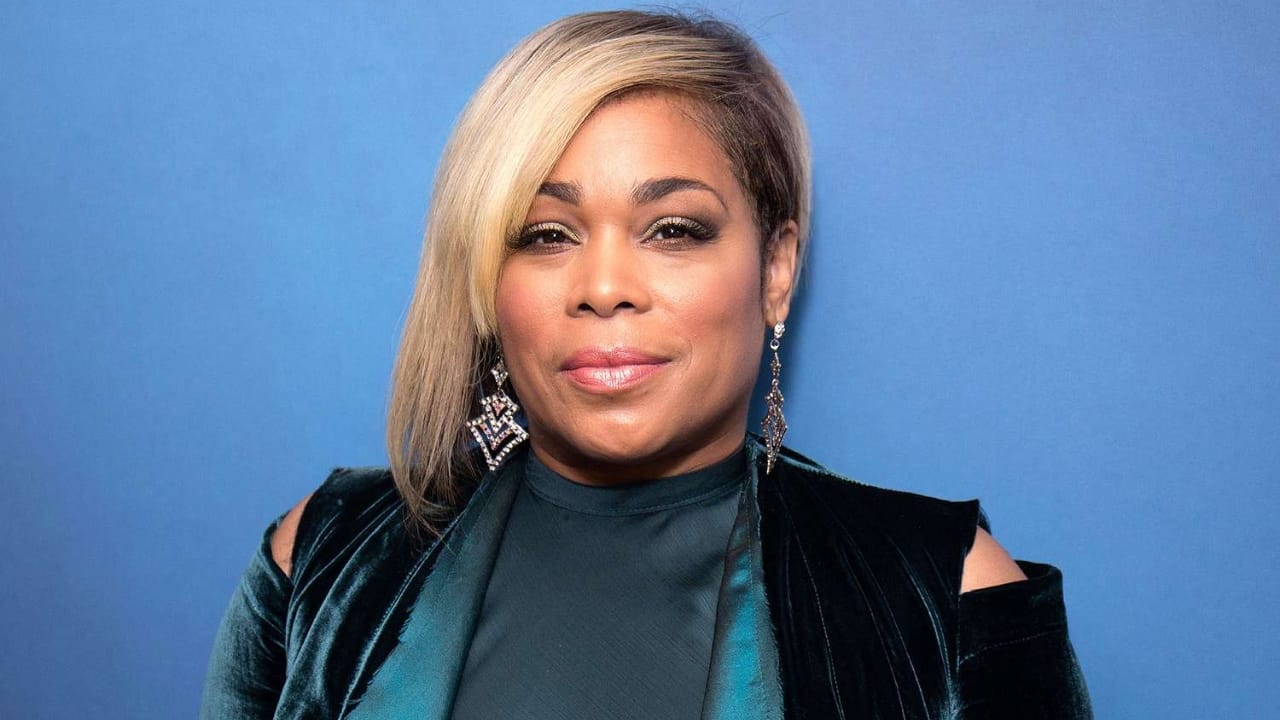
Sickle cell disease, an inherited blood disorder, causes red blood cells to become misshapen, leading to severe pain, anemia, infections, and long-term complications. Singer Tionne “T-Boz” Watkins also has sickle cell disease and has been vocal about the challenges that come with it. Felix’s complications have only worsened with age.
While her brother is already a perfect bone marrow match and ready to donate, finding blood donors—specifically individuals of African or Afro-Caribbean descent with O-negative blood- presents a barrier. Only about 7% of people in the U.S. have O-negative blood. Among African-descended populations are lower, and the odds of finding a match for Felix are roughly 1 in 1,000. Without the transplant, she faces life-threatening—and potentially life-ending—complications. Still, she remains hopeful.