From 60 Minutes to YouTube: Trump’s Stephen A. Smith Interview Shows How Political Media Is Changing

– 4 min read






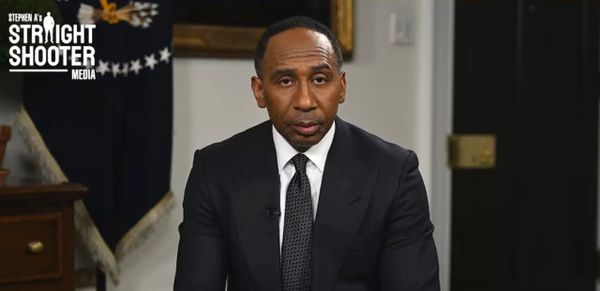
Less than a week after President Donald Trump sat down with 60 Minutes correspondent Ross Douthat, he sat down with Stephen A. Smith for an interview streamed on Smith’s YouTube channel. That sequence says something about how media is moving. A president once expected to make his post-election case through network television is now taking it to a sports commentator’s platform, before an audience that follows Smith for his personality as much as his politics. The setting was different; the familiar Trump performance was not.
Smith deserves credit for pressing Trump in a conversation that could easily have become a one-way showcase. He returned to the central question of the midterms: how could Trump say he was not on the ballot when he had urged voters to treat the election as a referendum on him and campaigned for Republicans? Trump argued he needed to be literally on the ballot to carry candidates, then maintained the losses were about the candidates, not him. Smith pointed out the contradiction. Trump did not concede it.
That exchange captured both the interview’s limits and its value. Trump was willing to explain himself, but not to accept responsibility for the result. He continued to say he had won three elections and cited his performance in states that later flipped. He also pointed to the war and higher fuel costs, suggesting voters might have accepted the sacrifice if they understood what his administration was trying to accomplish. His argument was that tariffs and other disruptions would take time to produce an economy more centered on American production. Whether that persuades people will depend on what they experience, not only on how confidently it is delivered.
Trump’s defense of tariffs underlined the gap between policy intention and public understanding. He said the policy needed better public relations. On that point, he may be right. People are more likely to tolerate disruption when leaders explain the purpose, the cost, the timeline and who will bear the burden. But communication cannot replace results, and a polished explanation cannot make hardship feel theoretical to families already paying more. If the administration wants people to wait for promised gains, it has to make the case clearly and show evidence along the way.
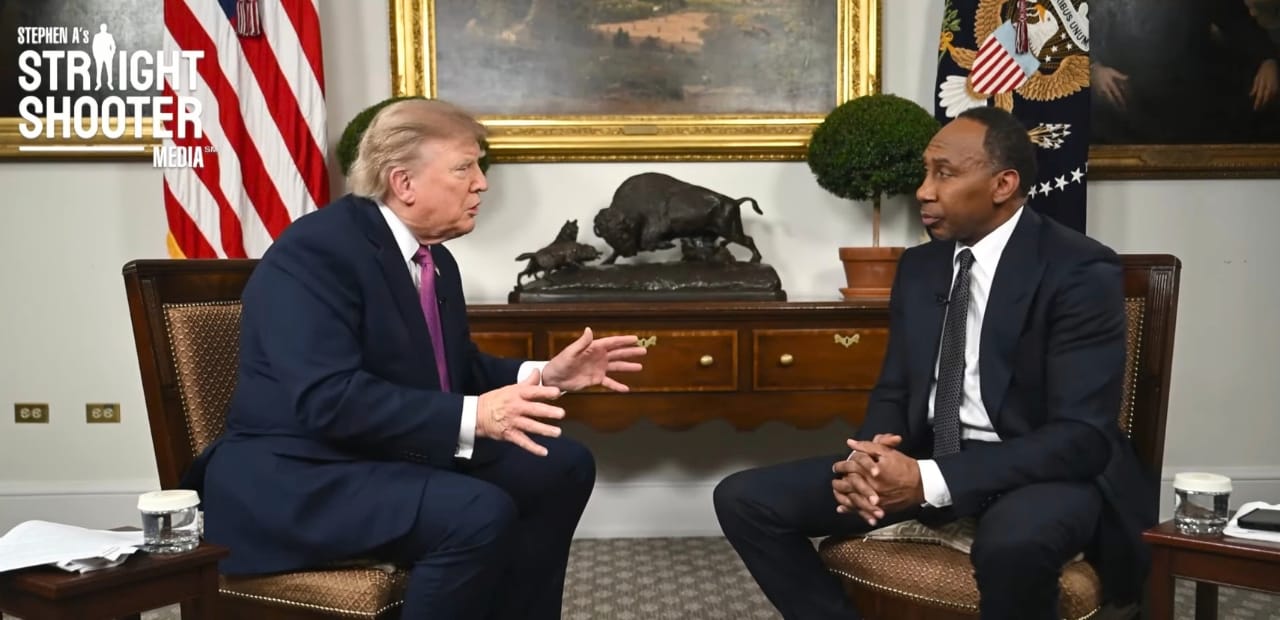
Trump also arrived with a three-page list of what he said his administration had done for Black Americans, and the first four points focused on HBCUs. Smith began that part of the conversation by sharing a message of thanks from Tuskegee University, where he had recently been, for the administration’s support of the school. Trump then argued that he had rescued HBCUs from bankruptcy and that funding allocated under Presidents Obama and Biden had not solved the schools’ financial problems. The interview did not establish whose account best describes the funding or the schools’ circumstances. What it did show was how competing claims about policy can leave audiences weighing rhetoric against evidence—and how much public relations shapes which version people hear and trust.
Smith also challenged Trump about the more than 300,000 Black women he said had lost jobs, raising the effects of federal cuts and other changes. Trump characterized the cuts as necessary to address government overspending and claimed those affected had found better jobs. His answer did not resolve Smith’s concern about what Black women were experiencing; it shifted the focus back to the administration’s rationale.
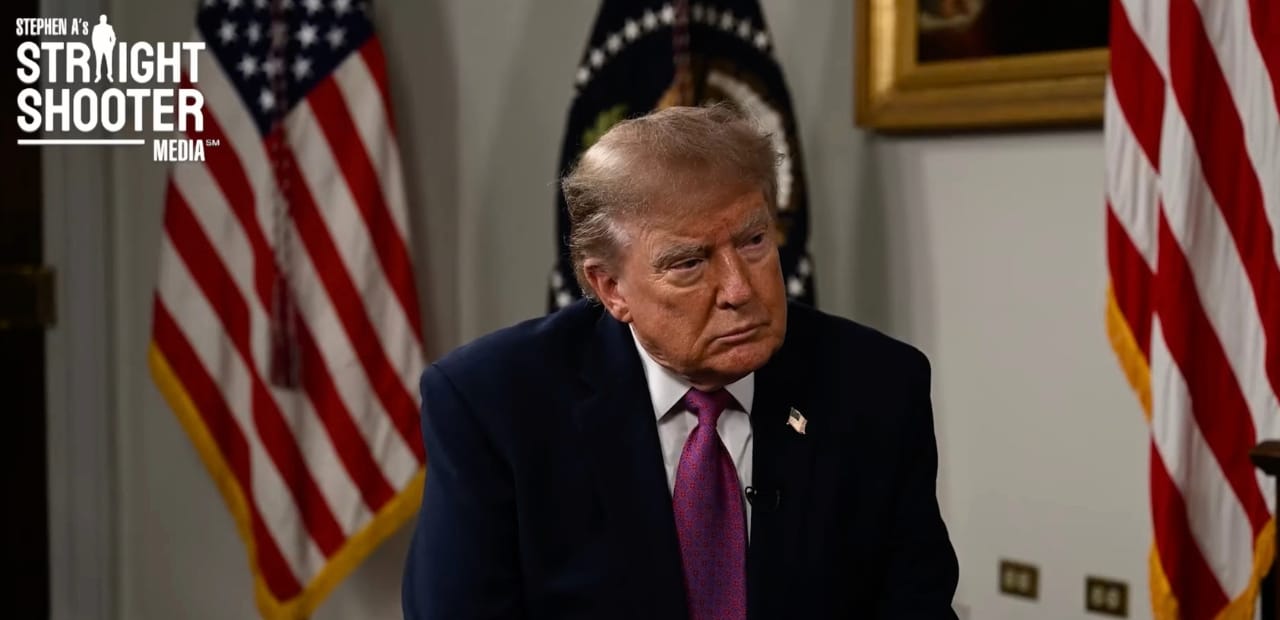
Smith asked about Trump’s comments that he hated his enemies, including Nancy Pelosi. Trump did not walk them back. He answered that the world is full of hate. For a president, words like that are not just personality. They help set the tone for public life, and voters are entitled to ask whether that is what they want from the country’s highest office.
I personally came away thinking about the danger of choosing a president primarily because he appears successful in business. Trump describes himself as a dealmaker, and he has been clear that his decisions involve tradeoffs. But business success and public leadership are not the same measure. A country is not a company whose people can simply be told to absorb short-term pain for a future return. Some voters may decide the sacrifice is worth it; others may conclude the promised benefit is too uncertain or too unevenly shared. We will see which judgment proves stronger.
My clearest takeaway was about public relations. PR is not merely reputation management after a decision has been made. It shapes how people receive information, understand policy and decide whether to trust the people asking them to accept change. When people do not understand what is happening, they fill the gaps with what they have heard, what they fear or what they have already experienced. Conviction and charisma can win attention, but they cannot substitute for honest explanation or accountability.
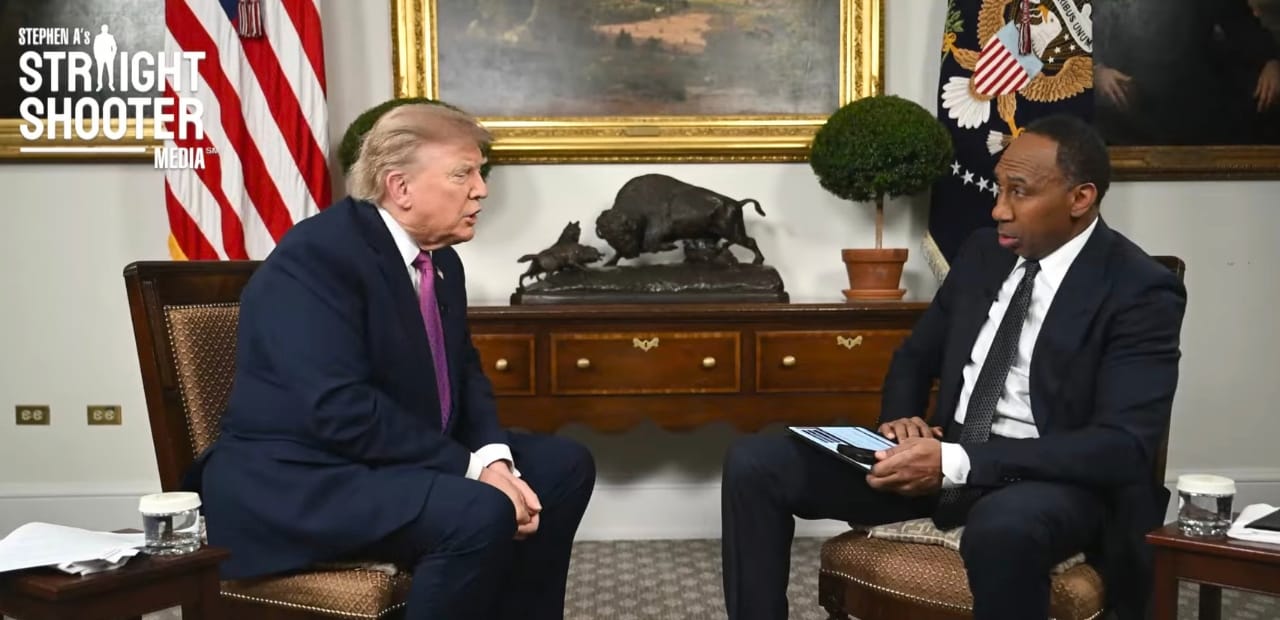
Candidates preparing for 2028 should study more than campaign slogans. They will need to understand people, marketing and public relations: how to communicate a plan, listen to its consequences and persuade without assuming confidence alone is proof. Politics has always involved persuasion; today, the channels are multiplying, and audiences are deciding where they want to hear from leaders. Trump’s move from 60 Minutes to Stephen A. Smith’s YouTube channel made that shift visible.
And kudos to Stephen A. Smith. He kept the conversation moving, challenged the president directly and made a sports-centered platform a place for a consequential political interview. As a fellow Black journalist, I loved seeing him take up that space. The interview may not have changed Trump’s position, but it showed how much the media landscape and the work of reaching voters has changed.