From Viral Feud to Sisterhood: Mz. Shyneka and Claressa Shields Turn Conflict Into a Teachable Moment
– 3 min read





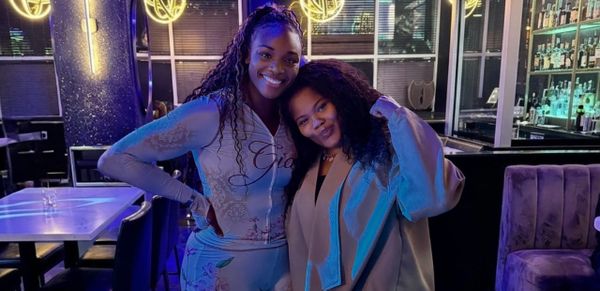
When Mz. Shyneka and Claressa Shields’ disagreement went viral, it was easy for people to pick a side and keep the argument going. The tension began after Shields appeared on The Streetz Morning Takeover on Streetz 94.5, where Shyneka asked about her relationship with Papoose. It was a pointed question, and Shields was offended by it. But Shyneka’s Instagram caption after the two women met gives the story a more meaningful ending: she said the conversation started rocky, but they listened to one another, apologized, and moved on. She also clarified that Shields had respected the question when it was asked on air, and that the conflict escalated after others got involved.
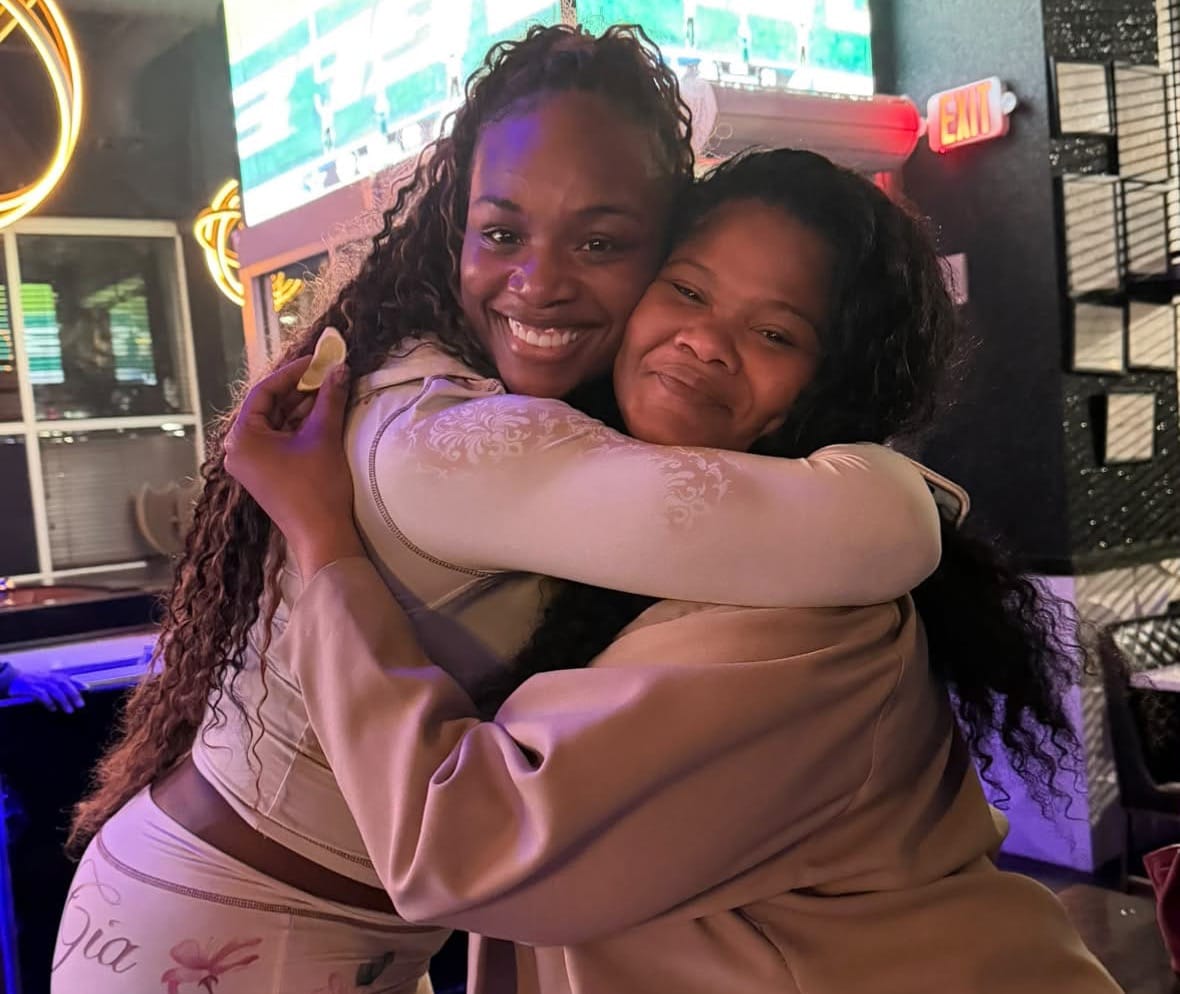
I admire Shyneka for showing up first as a media personality willing to ask what people wanted to know, then later as a Black woman willing to sit down with another Black woman and hear her. That kind of growth does not erase the uncomfortable moment or require either woman to pretend she was never hurt. It shows that disagreement does not have to become a permanent dividing line, especially when both people are willing to listen and take responsibility for their part. Shyneka even shared that the public’s hostility toward Shields weighed on her spirit, a reminder that a viral argument can take on a life far beyond the people who were actually in the room.
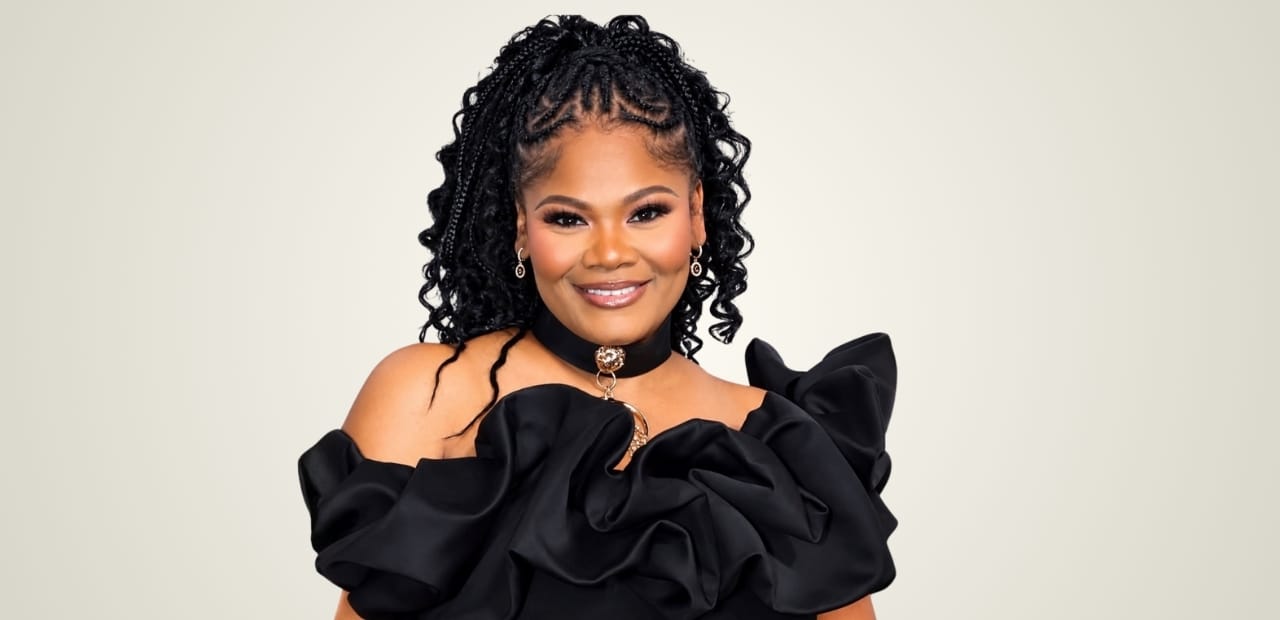
Atlanta is very protective of Miss Shyneka, and that loyalty makes sense to anyone who knows what she means to this city. People have listened to her for years, watched her grow up on the radio, and come to feel as if they know her; to many, she is not just a familiar voice but someone who feels like a sister. The Atlanta hip-hop community considers her a legend, so when the argument went public, people were ready to stand up and fight her battles—even against a woman who has never lost a fight. But Shields is a cultural force in her own right: a four-time undisputed champion widely known as the GWOAT, or Greatest Woman of All Time. Both women are accomplished, both are human, and neither should be reduced to one heated exchange.
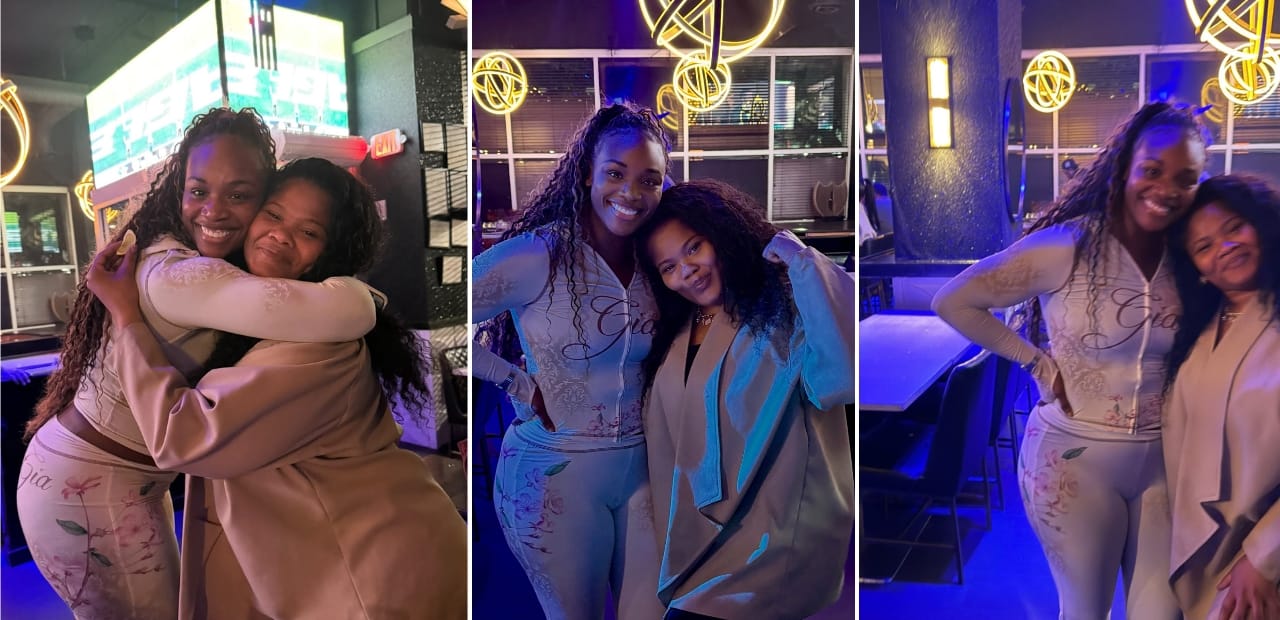
We all make mistakes, but most of us do not have to make ours in front of the whole world. When we see another woman in a situation we recognize, our first instinct should be compassion rather than condemnation. So often, people enjoy watching Black women disagree, dissect every sharp word, and turn a conflict into a spectacle. We should be just as willing to celebrate what happened next: two women came to the table, spoke honestly, apologized, and chose to move forward. Shyneka’s caption called the meeting a “Divine Link Up,” and I see both women showing us what sisterhood can look like in practice. It is not simply, “I am my sister’s keeper”; it is, “I am not my sister’s keeper, I am my sister.” I love that both women exhibited that truth by making room for understanding, grace, and one another’s humanity.