Fear Drove the Midterm Election: How Bad Republican Leadership Turned Anxiety Into a Blue Tsunami
– 4 min read





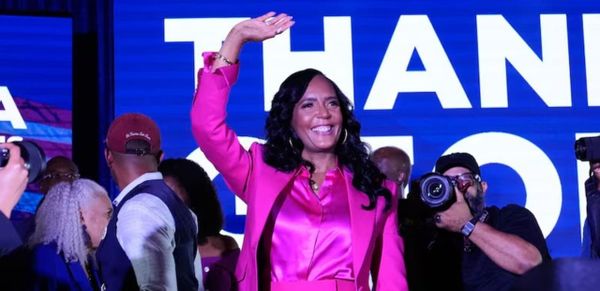
As I watched the election results come in Tuesday night, my attention first went to Georgia. I live here, so seeing Keisha Lance Bottoms defeat Rick Jackson felt personal before it felt political. I was excited because this was a historic moment: Bottoms became the first Black woman elected governor in the United States. Then I started watching the results unfold across the country, and the night began to feel like more than a celebration of one race or one party. The number of seats changing hands made me wonder what was driving so many Americans to demand a different direction.
On Fox News this morning, I heard Senator Raphael Warnock describe the result this way: “We were expecting a blue wave, but we got a blue tsunami.” That phrase captured what I had begun to feel as I looked beyond Georgia. Democrats won control of both chambers of Congress, flipped at least seven Senate seats and more than two dozen House districts, and captured several Republican-held governorships. A million-vote margin by itself is not unheard of in a large state; population and turnout shape those totals. What struck me was the breadth of the shift and how many voters, across very different races, seemed ready to reject the direction of the country.
To me, fear was a powerful force behind that shift. Not fear as an abstract political talking point, but the fear that your paycheck will not cover groceries, gas, housing, and health care. When I go to the grocery store, I am thinking about what I can afford to bring home for my family. I am thinking about the next bill and what might happen if someone needs medical care. The AP Voter Poll found that about six in ten voters were very concerned about the cost of food and groceries, while a pre-election AP-NORC poll found that 84% considered the cost of living very important to their vote. Those numbers cannot tell us what every voter was thinking, but they show how many people were carrying real financial pressure into the voting booth.
That fear grows when people feel helpless, and bad leadership can deepen that feeling by adding chaos to lives that already feel unstable. In the days before the election, Donald Trump Jr. told a rally crowd that Democrats wanted to “make Ohio a state,” then appeared to correct himself and refer to making Washington, D.C., a state. Ohio has been a state since 1803. One verbal stumble did not decide this election, but moments like that can add to the impression that political spectacle is taking priority over seriousness, competence, and the everyday concerns of families. People are listening to what leaders say, and they are also judging whether those leaders seem prepared to meet the responsibilities of their jobs.
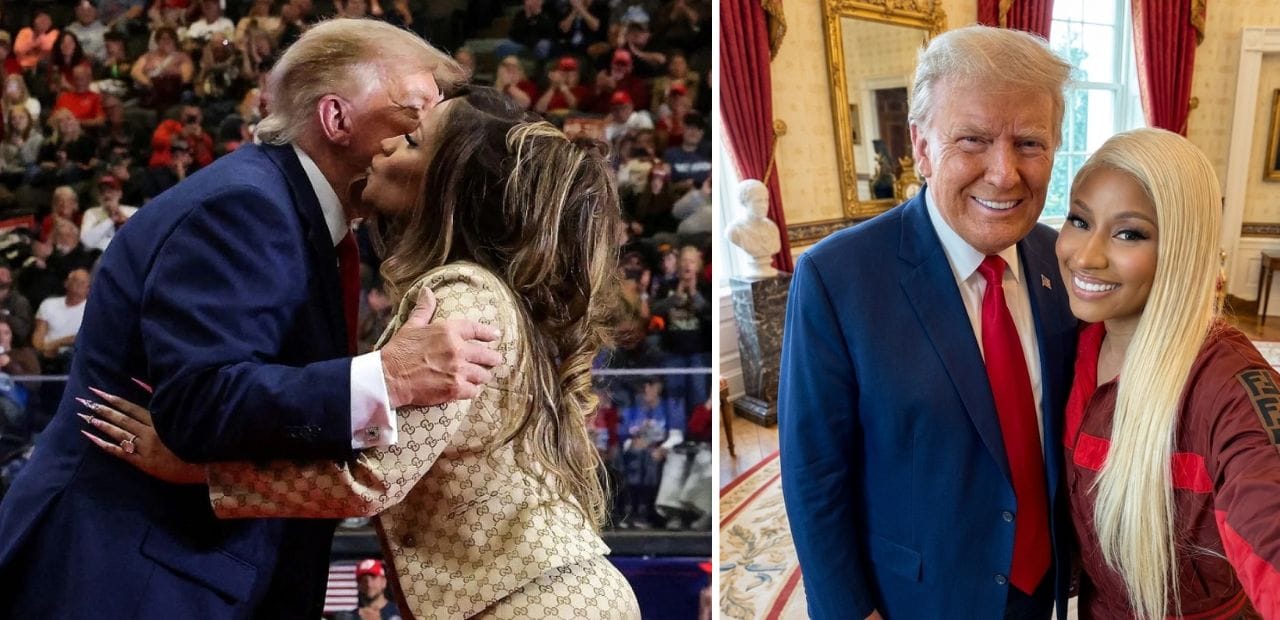
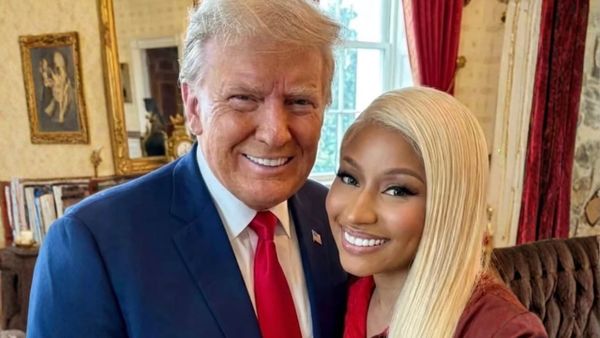
I also kept thinking about the moment when Nicki Minaj stood with President Trump at a Michigan rally. She voiced her support, and Trump responded with a sexualized comment about her body, calling her “one hell of a beautiful ass” and asking her to stand. I remember watching and wondering whether people were listening—not only to the crowd’s reaction, but to what that kind of remark says about leadership. I cannot say that moment determined anyone’s vote, and the results do not prove that it did. But it stayed with me as a contrast between political spectacle and the serious concerns people carry into the voting booth. Racist and sexist rhetoric should not be dismissed as harmless, even as we recognize that voters are weighing many issues at once.
The voter data points to more than household costs. The AP Voter Poll found that more than half of voters considered government corruption crucial to their congressional vote, and about seven in ten said Congress was not doing enough to provide checks and balances on the president. Those findings suggest that many voters were also concerned about trust, accountability, and whether the government was serving the public. When families are struggling while the country’s leaders appear consumed by conflict, people can begin to feel that no one is listening or protecting their interests. That is how anxiety can turn into helplessness, and how helplessness can become a demand for change.
As an independent, I see this election as a lesson for both parties. Americans know we have real differences, and a healthy democracy should make room for them while allowing people on both sides to be heard. The danger comes when disagreement hardens into extreme, polarizing politics that leaves people feeling dismissed or pushed aside. Then the country starts swinging like a pendulum from one extreme to the other, with each side focused on undoing what came before instead of building something stable. That cycle is unhealthy, and when either party alienates large parts of the country, the backlash can ultimately weaken both sides.
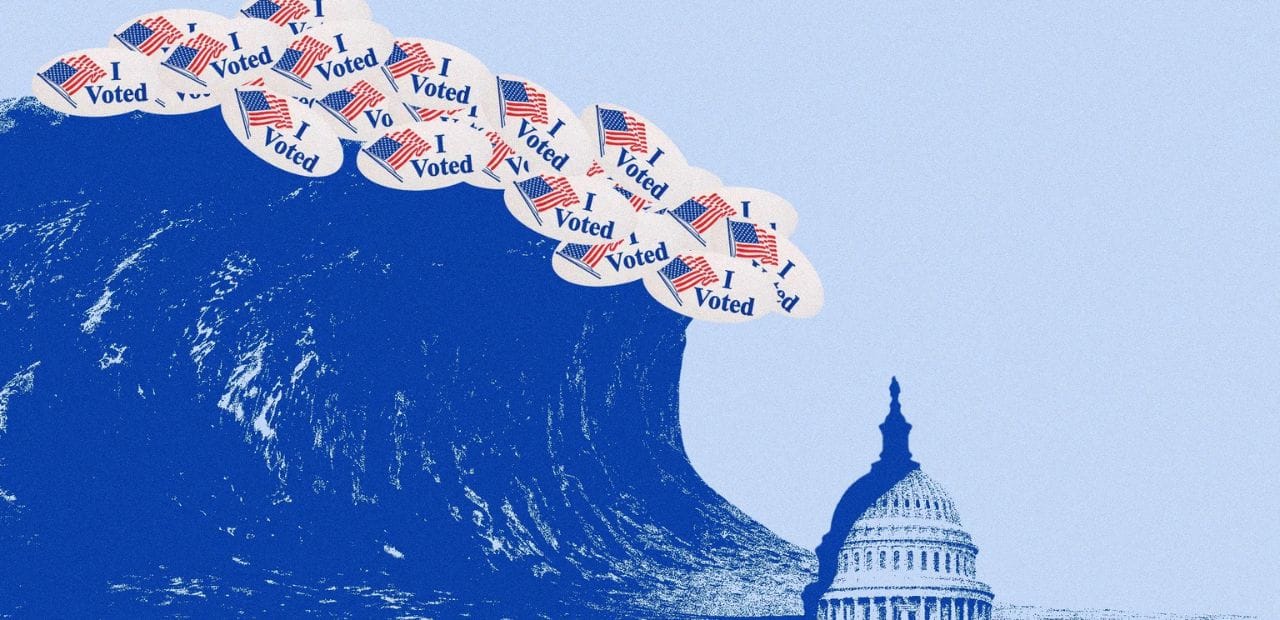
The blue tsunami changed who holds power, but its warning reaches beyond one party: voters who feel afraid, ignored, and pushed to the margins will eventually make themselves heard. Strong candidates and effective campaigns mattered, but the results also reflect a judgment on the conditions surrounding people’s lives. No party should mistake a win for permission to stop listening. If leaders answer division with more division, the pendulum will keep swinging while families live with the instability it creates. A country cannot build a secure future through permanent political retaliation. When leadership turns difference into division and anxiety into chaos, the consequences reach us all.