Democracy Forum at Martha’s Vineyard Was Hosted by Joy-Ann Reid, One of the Most Trusted Voices for Black America

– 5 min read






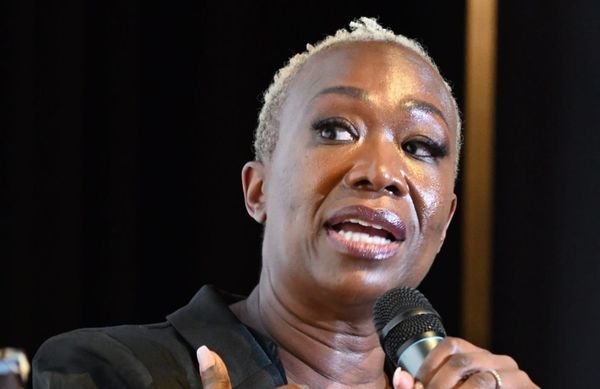
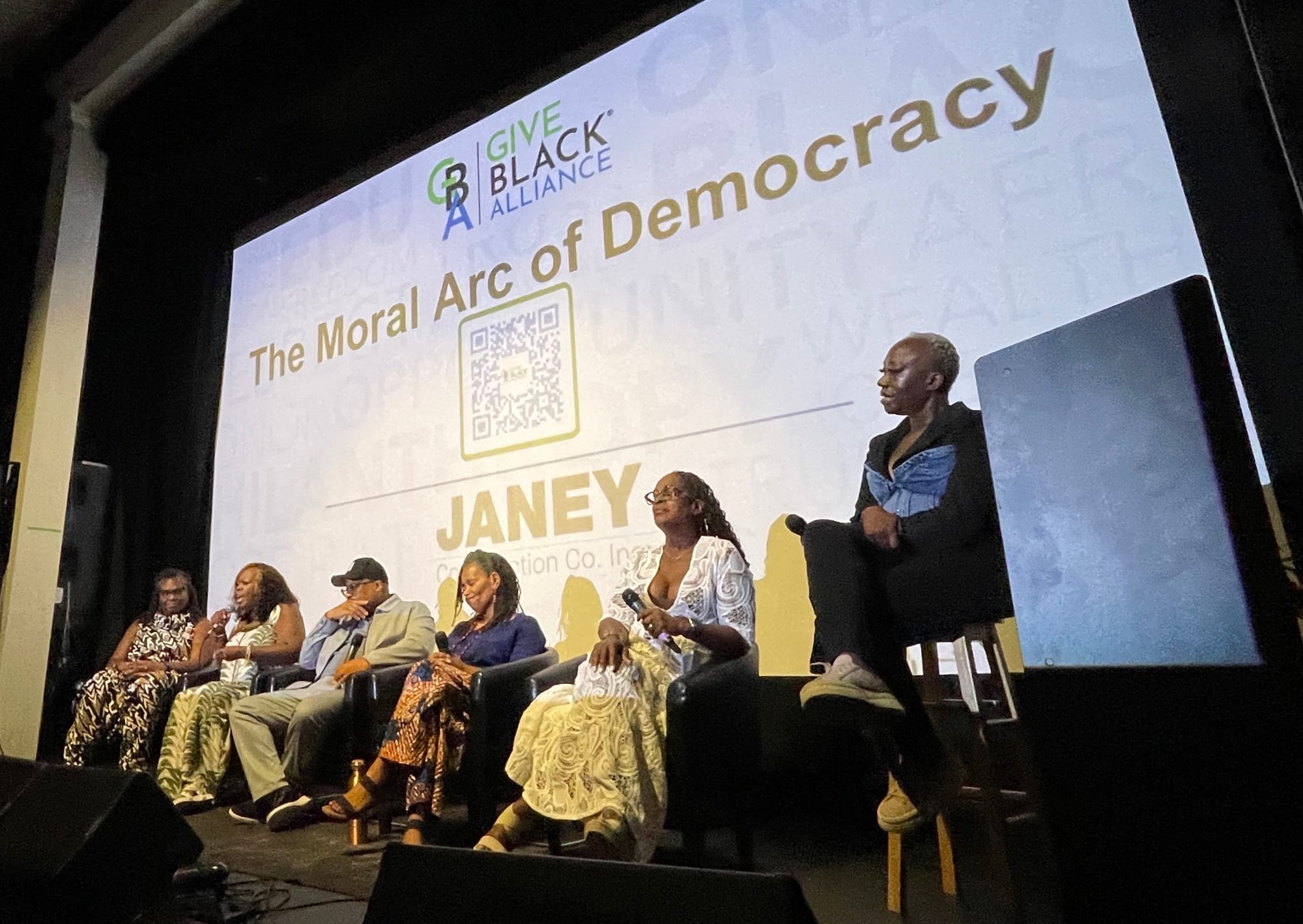
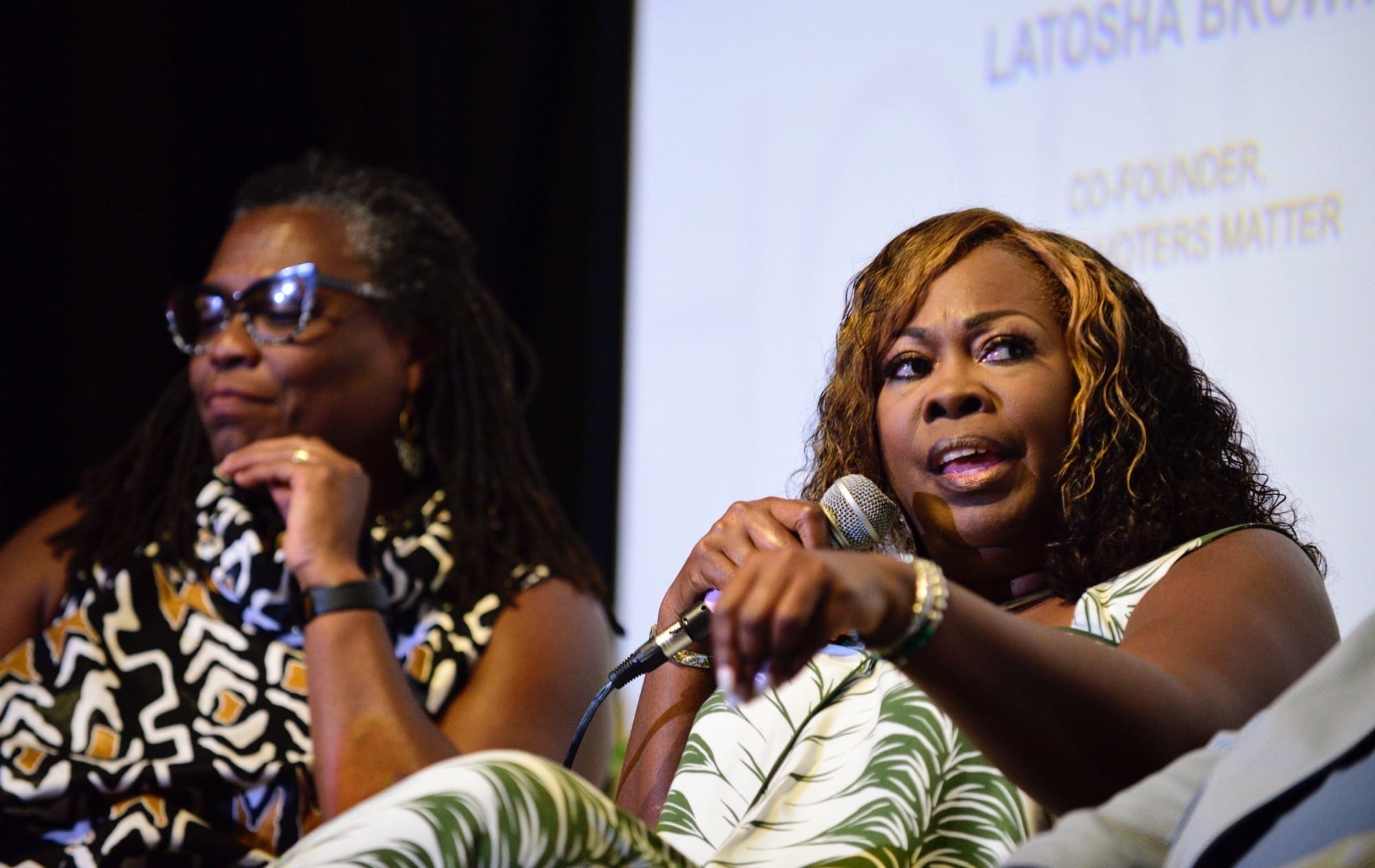
When Give Black Alliance and Black Voters Matter came together on Martha’s Vineyard for a conversation about voting rights, Black political power and the future of American democracy, Joy-Ann Reid was the natural choice to lead it. On Friday, August 14, The Strand Theatre in Oak Bluffs hosted “The Moral Arc of Democracy: Voting Rights. Black Political Power. The Future of America,” bringing together activists, filmmakers and leaders who have spent years working in and around issues that directly affect Black communities. The program opened with a screening of filmmaker Daresha Kyi’s documentary “Love, Joy & Power: Tools for Liberation,” followed by a panel featuring Cliff Albright, April England-Albright and LaTosha Brown of Black Voters Matter, Kyi, and Bithiah L. Carter, president and CEO of Give Black® Alliance. Reid moderated the discussion, helping connect the larger questions about democracy with the realities of what voting rights, political participation and representation actually mean for Black Americans. It was the kind of conversation that has long had a place on Martha’s Vineyard, where Black leaders, thinkers, artists and cultural figures have historically gathered to talk about issues that extend far beyond the island.
For Black Americans, voting has never been just another item on the political calendar, and that history gave the afternoon a particular weight. Generations of Black people fought through poll taxes, literacy tests, violence, intimidation and outright exclusion for the right to participate in a democracy that claimed to represent them while routinely denying them access to it. That history is why conversations about voting rights still resonate so deeply, especially during a period when battles over ballot access, redistricting and political representation continue to shape elections across the country. Carter addressed that urgency directly, saying, “Voting rights are not a matter of politics. They are a matter of conscience,” while encouraging Americans to show up in force during the midterm elections. Her point also expanded the responsibility beyond Black voters, because protecting democracy cannot continue to fall only on the people who have historically had the most to lose when it fails.
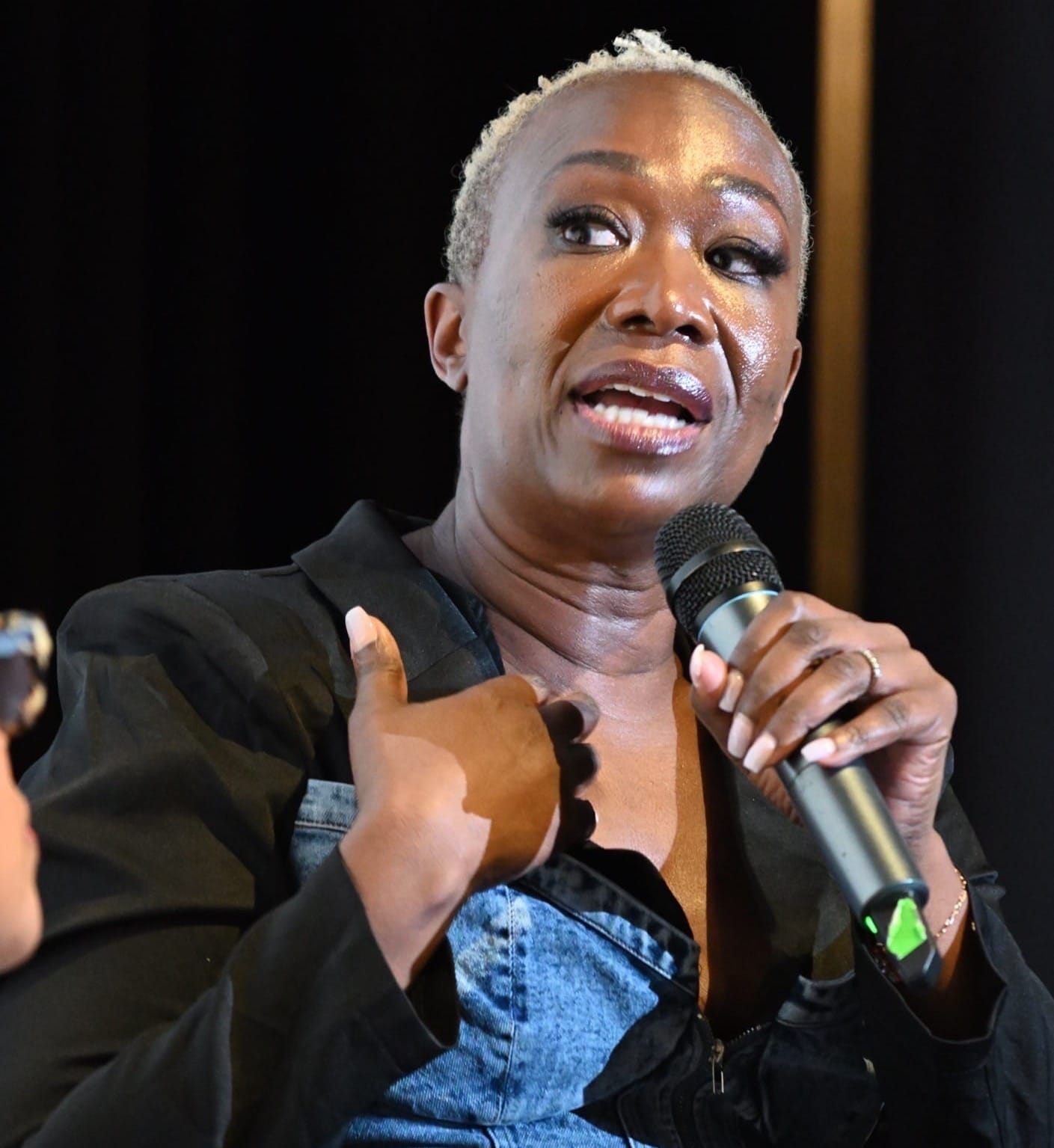
Having Reid guide the conversation was spot on because her career has been built around many of those same intersections of race, politics, power and culture. Long before she became a familiar face on MSNBC, Reid worked in South Florida journalism, spent time in talk radio, wrote for The Miami Herald and served as managing editor of TheGrio.com, building a body of work that consistently spoke to Black audiences without treating their concerns as secondary to the larger national story. Her national profile grew considerably when she joined MSNBC, first hosting The Reid Report and later becoming the face of AM Joy, where her weekend interviews and political commentary established her as one of the network’s strongest voices on race and American politics. In 2020, she moved into the 7 p.m. weekday slot with The ReidOut, becoming the first Black woman to anchor a primetime cable news program, a milestone that carried significance well beyond television ratings. When The ReidOut ended in February 2025 during a broader programming shift at MSNBC, the moment felt jarring for many viewers who had grown accustomed to Reid being one of the few Black women regularly framing the day’s biggest political stories from a national cable news desk.
Reid’s influence, however, has never rested entirely on one television show, and the chapter that followed The ReidOut has made that even clearer. She is also the author of several books examining race, politics and American history, including “Fracture: Barack Obama, the Clintons, and the Racial Divide,” “The Man Who Sold America: Trump and the Unraveling of the American Story,” and “Medgar and Myrlie: Medgar Evers and the Love Story That Awakened America.” Throughout her career, she has covered presidential elections, national conventions, civil rights anniversaries and some of the most defining stories involving race in modern America, often bringing historical context into conversations that television news can otherwise reduce to headlines and sound bites. That ability to connect what is happening today with what Black Americans have already lived through is a large part of why her audience has remained loyal. People may not agree with Reid on every issue, but there is a familiarity and cultural fluency in the way she approaches politics that has made her a trusted voice for many Black viewers.
Reid has continued the relationship with her audience without waiting for another major television network to decide where she belongs. After leaving MSNBC, she launched The Joy Reid Show and continued building Joy’s House, her independent media platform that gives her room to discuss politics, democracy, current events and culture directly with the people who have followed her work for years. The shift reflects a larger change happening across media, where journalists and commentators with established audiences no longer have to depend completely on traditional institutions to remain part of the national conversation. For Reid, that independence has allowed her to keep doing the work that made people pay attention to her in the first place, while also showing that losing a cable news time slot does not automatically mean losing relevance or influence. In some ways, this phase of her career may be an even more telling measure of the trust she has built, because the audience is following the person rather than simply the network.
The Strand Theatre conversation was about protecting democracy and preserving Black political power, led by a journalist who has spent years explaining what those ideas look like when they collide with real life. Reid has never been afraid to discuss race as a central part of the American political story, and she has rarely treated Black voters as a monolithic sidebar that only matters during election season. Her career has instead reflected a broader understanding that voting, economics, education, public policy and representation are all connected, and that Black Americans deserve to hear those conversations in a language that acknowledges both our history and our present. Seeing her moderate this panel on Martha’s Vineyard was another reminder that while the platform may have changed, the value of her voice has not.
Joy-Ann Reid remains one of the most recognizable and trusted voices in Black political media, not because she has always said what everyone wanted to hear, but because she has consistently stayed in the conversation when the issues became difficult, uncomfortable or deeply personal to the communities she speaks to. Her move from cable television into independent media has not diminished that role, and events like The Moral Arc of Democracy show that she is still being called upon to help frame some of the most important conversations facing Black America. There is something encouraging about seeing a journalist with Reid’s history continue to evolve while remaining connected to the audience that helped make her work matter in the first place. Martha’s Vineyard provided the setting this time, but the larger story is about a voice that has traveled with her from television to books to independent media and now into rooms where people are trying to figure out what comes next. We are glad she is still asking the questions, still making room for Black perspectives and, most importantly, still making sure those perspectives are heard.