SpelHouse Homecoming Reminded Me That It Really Is a Different World

– 8 min read





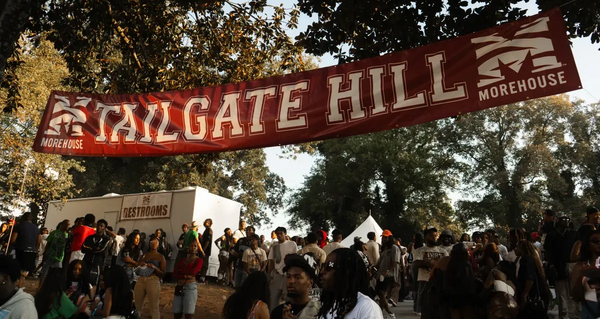
After spending a rainy Sunday at SpelHouse Homecoming, I can officially say that it really is a different world. As someone who recently finished deliciously binge-watching A Different World, the experience felt almost like stepping onto the campus of Hillman College. Except this wasn’t television, and the beautiful display of Black intellect, culture, and generational pride was happening right in the heart of Atlanta. I attended what we call a PWI, a predominantly white institution, and while I have wonderful college memories and friendships that have lasted decades, I’ve always wondered how different my journey might have been had I attended an HBCU. College is such an important season of becoming, when you’re discovering yourself, developing your confidence, and trying to understand exactly where you belong in the world. I’ve often wondered whether I would have struggled as much with my identity had I spent those formative years in an environment that celebrated the totality of who I was as a young Black woman. Perhaps that’s why I’ve always avoided HBCU homecomings, because somewhere deep down, I knew I might feel a little envious of an experience I could never go back and recreate.
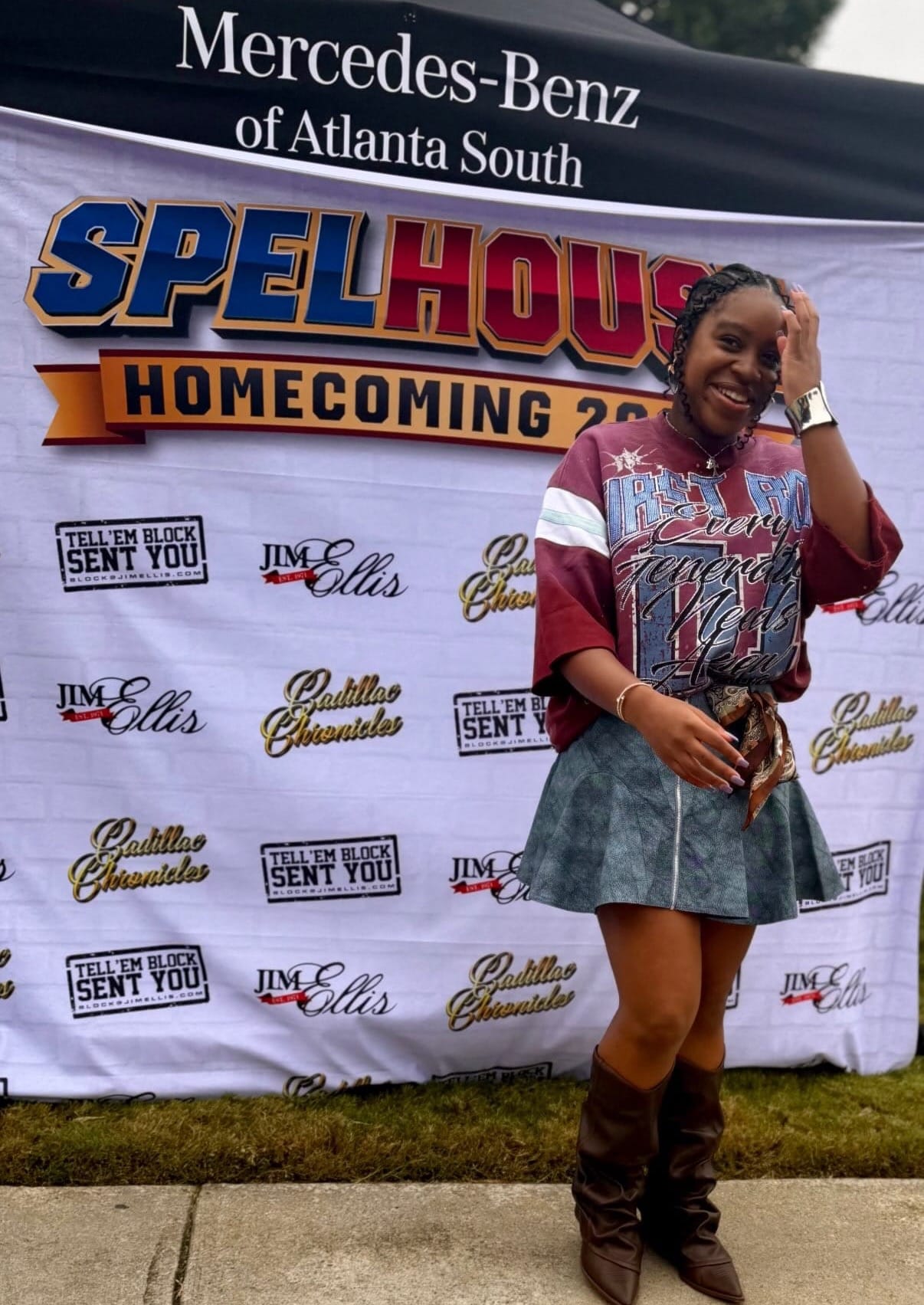
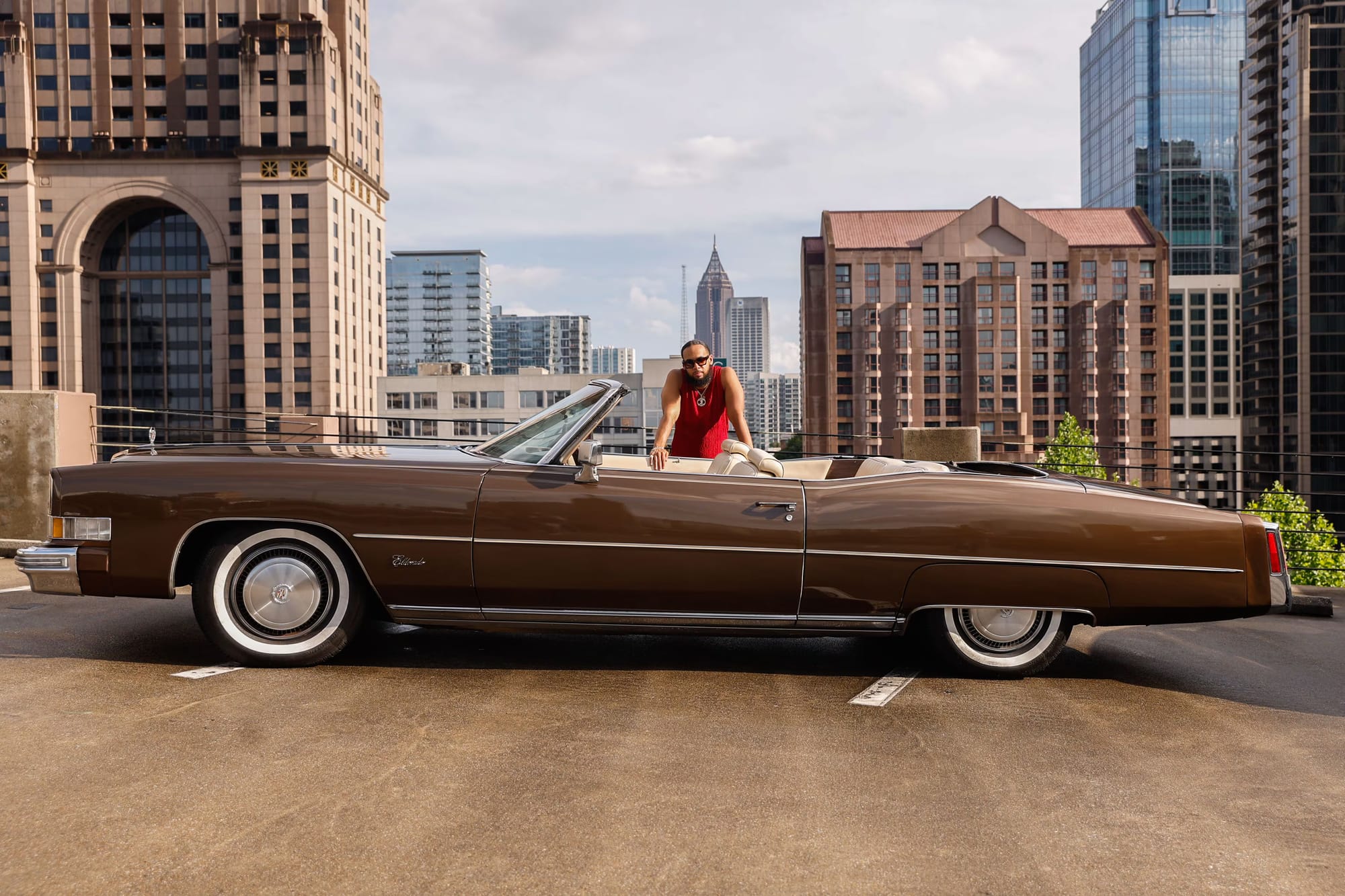
This year, however, work brought me to SpelHouse, and I couldn’t have imagined a more meaningful introduction. Consulting with Block Entertainment, our goal was to connect Jim Ellis Automotive Group more deeply with the culture of Atlanta, and what better place to begin than with two of the most prestigious historically Black institutions in the country? Spelman and Morehouse aren’t simply colleges located in Atlanta. They are part of the city’s cultural and intellectual foundation, institutions that have produced generations of leaders, innovators, and extraordinary Black minds who have helped shape Atlanta and the world beyond it. Our activation brought luxury vehicles from the Jim Ellis family of dealerships, including Cadillac, Mercedes-Benz, and Audi, directly into the celebration across from the football stadium. We spent the day engaging alumni, meeting families, and giving away gas cards, but some of my favorite moments came from the students themselves. While plenty of young men were fascinated with the beautiful Audi and its performance capabilities, I was particularly impressed by the freshmen and sophomores who approached Shadina asking about career opportunities, some even arriving with résumés, ready to introduce themselves and make a professional connection.
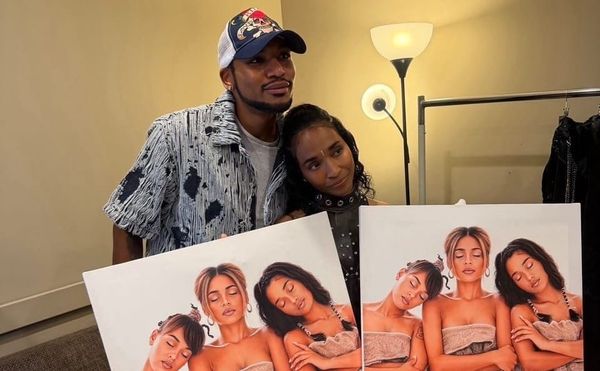
Those moments reminded me why community partnerships matter and why businesses should recognize the value of connecting with the people who contribute to their success. It’s one thing for a young person to admire a luxury vehicle, but it’s another for them to recognize an opportunity to build a career with the company behind it. A freshman who walks over to admire an Audi may become a customer someday, but the student who approaches a company representative with a résumé could eventually become an employee, a manager, or an executive. That kind of access can begin with something as simple as a conversation, and those are the opportunities I believe community partnerships should help create. We also had the pleasure of connecting the experience with Cadillac Chronicles, the entertainment platform that has become part of Atlanta’s cultural currency by bringing artists and audiences together through music, storytelling, and a ride through the city. I previously experienced the platform with my longtime clients TLC when we filmed with host Brian in Nashville ahead of their It’s Iconic tour. There was something beautifully full circle about reconnecting with Cadillac Chroniclesat SpelHouse as that tour was coming to an end, particularly because the entire day was centered around the importance of culture, connection, and shared experiences.
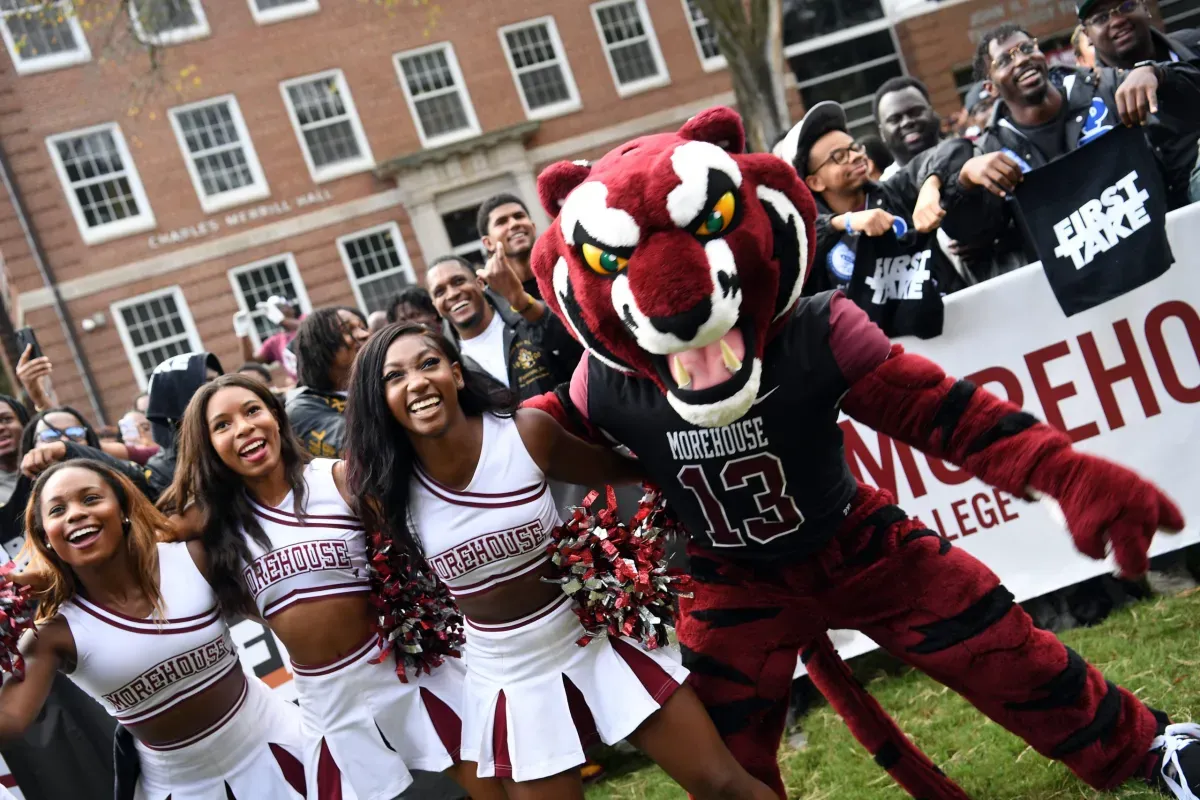
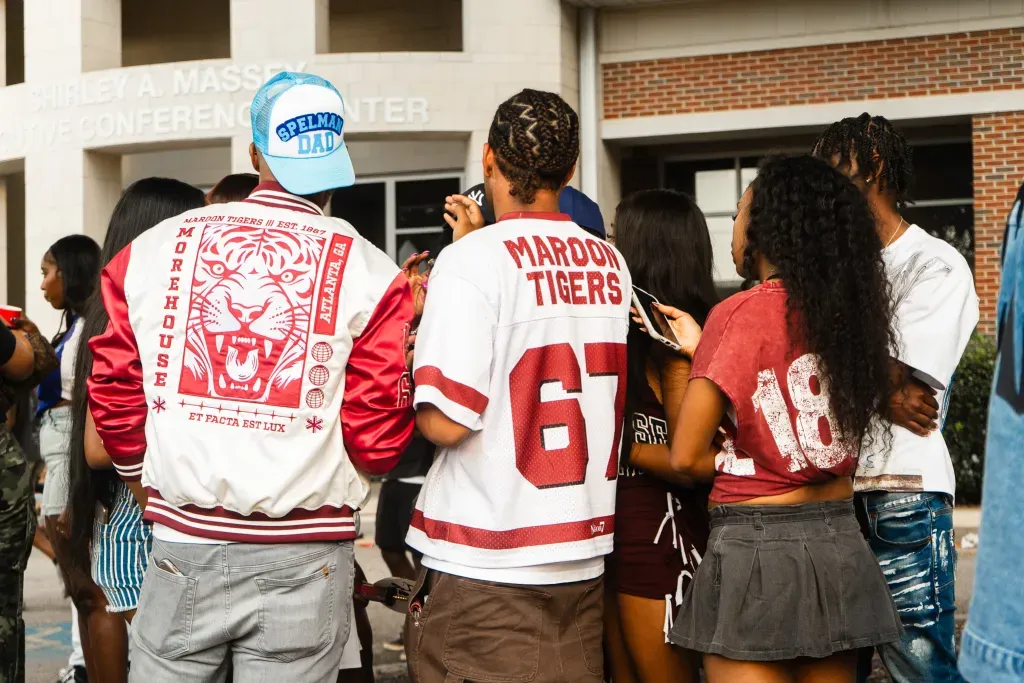
Even with a professional assignment keeping me busy, I couldn’t ignore the extraordinary celebration happening around me. SpelHouse was everything I imagined it would be, a beautiful offering of Blackness that stretched across generations, backgrounds, and experiences. There were distinguished gentlemen walking alongside young men preparing to follow in their footsteps, beautiful Spelman women representing every age and stage of life, and families celebrating legacies that began long before the students currently walking those campuses were born. I watched grandparents, parents, and children enjoying a shared appreciation for institutions that have helped define Black intellectual excellence for more than a century. The pride was almost tangible, reflected in the embraces, the laughter, the familiar greetings, and the unmistakable joy of returning to a place that had helped shape so many lives. I couldn’t help but think of Lorraine Hansberry’s To Be Young, Gifted and Black, because looking around at those beautiful brown faces, I imagined this must have been the kind of brilliance she was celebrating. Yesterday’s dreamers, today’s executives, and tomorrow’s leaders were all occupying the same space, creating a living portrait of Black achievement that no television production could ever fully capture.
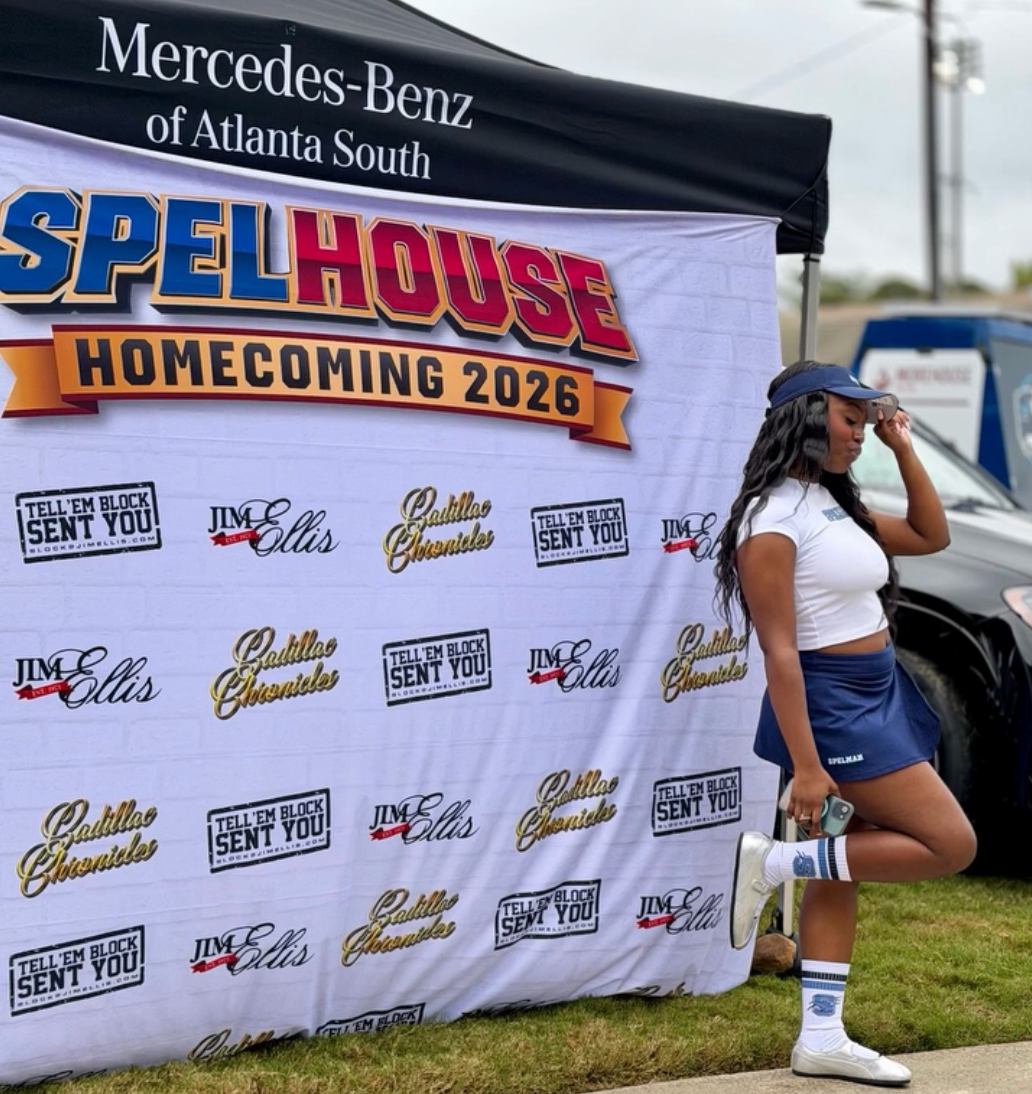
One of my favorite parts of the day was watching my girlfriend, Spelman alumna Saptosa Foster, reconnect with her former classmates. There was something beautiful about the light in her face as women recognized her, embraced her, and immediately returned to the familiarity of friendships that began decades ago. I have college friends I love dearly, so I understand the comfort of being around people who knew you before adulthood introduced all its complications, but watching Saptosa with her Spelman sisters, I saw something particularly special. Their embraces seemed to say, “I know you,” not simply the accomplished woman standing before them today, but the young woman they knew when she was still discovering who she wanted to become. They remembered the dreams, the insecurities, the laughter, and the moments before careers, marriages, children, and life’s responsibilities began shaping their stories. There is something incredibly comforting about being known that way, when someone remembers you before the world had an opportunity to tell you who you were supposed to be. Watching those women together helped me understand why HBCU homecomings feel less like reunions and more like returning home.
There was another part of the experience that stayed with me, and it was the contrast between the celebration of Black excellence and the economic struggles visible in the surrounding community. Just beyond the beautiful clothes, luxury vehicles, and accomplished alumni were reminders of the poverty and homelessness that continue to exist near these historic institutions. It was a striking contradiction, witnessing generations of Black intellectual achievement while recognizing that so many people living nearby are still fighting for the most basic opportunities. Morehouse and Spelman were established during a period when African Americans were denied access to many educational institutions, and their very existence represents the determination of our ancestors to create pathways toward opportunity and advancement. Yet the communities surrounding these institutions remind us that educational achievement and economic progress have not reached everyone equally. That reality didn’t diminish the beauty of the homecoming, but it certainly gave me something to think about as I considered the responsibility we all share in creating opportunities for future generations. It also reinforced why I believe organizations that benefit from our communities should find meaningful ways to participate in their growth.
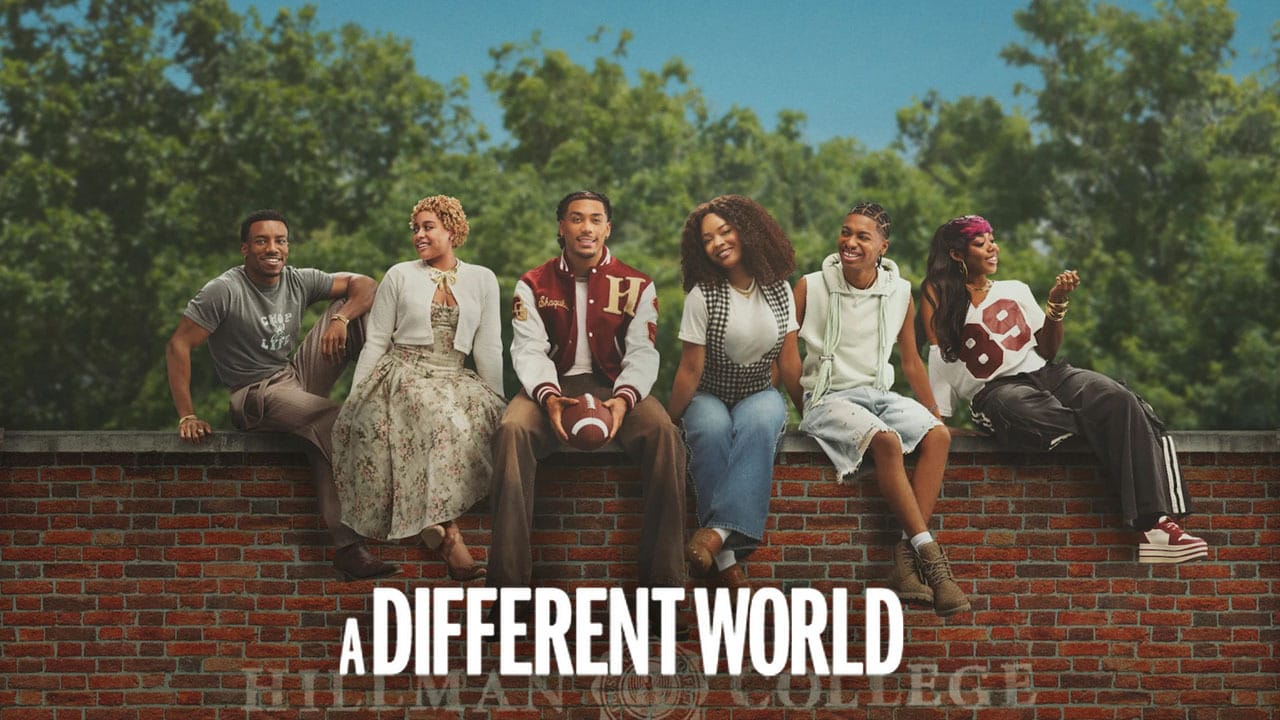
As the afternoon continued, my thoughts kept returning to Debbie Allen and the brilliance of A Different World. What Bill Cosby, who created the original series, and Allen, whose creative leadership helped define its identity, understood was that the Black college experience offered something far more meaningful than an education alone. Through Dwayne Wayne, Whitley Gilbert, Freddie Brooks, Ron Johnson, and the rest of the Hillman family, audiences were introduced to young Black people discovering love, friendship, independence, and intellectual identity in an environment that celebrated their humanity. The series captured the magic that already existed on campuses like Spelman, Morehouse, Howard, FAMU, and countless other historically Black colleges and universities, then shared that magic with millions of viewers who might never experience it firsthand. Saturday afternoon, standing in the middle of SpelHouse Homecoming, I finally got a glimpse of that world for myself. Strangers wished me “Happy Homecoming” throughout the day, and for a little while, I almost felt like I belonged to that extraordinary sisterhood. I even found myself joking that perhaps I should pursue an advanced degree connected to Spelman just to claim a little piece of the experience, because I finally understood why the women who attended that institution carry their sisterhood with such extraordinary pride.
I arrived at SpellHouse as a publicist and consultant with a professional assignment, but I left with a deeper appreciation for our historically Black colleges and the generations of families who continue to celebrate their legacies. I still wish I had attended an HBCU, and perhaps a part of me always will, but Saturday reminded me that there is beauty in celebrating an experience that wasn’t necessarily your own. Happy Homecoming, SpelHouse! Happy Homecoming, Spelman! Happy Homecoming, Morehouse! Thank you for reminding me of the beauty of our culture, the brilliance of our people, and the power of a legacy that continues from one generation to the next. I’m especially grateful for community partners like Jim Ellis Automotive Group and Block Entertainment, two companies that recognize the importance of connecting with families throughout every phase of their lives. From the excited college freshman arriving on campus with big dreams, to the parents working hard and sending money to make sure their children have everything they need, to the grandparents slipping a little extra into their grandbaby’s hands just to make sure they’re okay, it really is about the entire family. Our community doesn’t begin or end with any one generation, and I’m proud to work with companies that recognize the value of showing up, not simply when there’s something to sell, but when there’s something worth celebrating.
If there’s one thing I took away from my first SpelHouse Homecoming, it’s that Black excellence isn’t just about what we accomplish individually. It’s about what we build, what we pass down, and how we continue showing up for one another along the way. It’s about the young woman who arrives at Spelman unsure of who she will become and returns decades later surrounded by sisters who remember exactly where her journey began. It’s about the Morehouse freshman who approaches a business representative with his résumé because he’s already imagining the possibilities waiting for him beyond graduation. It’s about generations of families who understand that every accomplishment belongs, in some small way, to the people who helped make it possible. For one rainy Saturday in Atlanta, I had the privilege of witnessing that legacy up close, and it was everything I imagined it would be.
It really is a different world. And what a beautiful world it is.