Ready for Love or Clout? Reality Dating Shows Hit a Casting Wall

– 5 min read





A new season of Love Is Blind is on the horizon. And while millions will tune into the upcoming phase of the reality dating experiment, most who watch will more than likely walk away with the same complaints. For starters, it’s looking like a very non-inclusive season, meaning there are very few love stories highlighting people of color, a subject matter that trends season to season on this show and others alike. But there’s more to critique than the fact that the casting does not reflect the dating landscape of today.
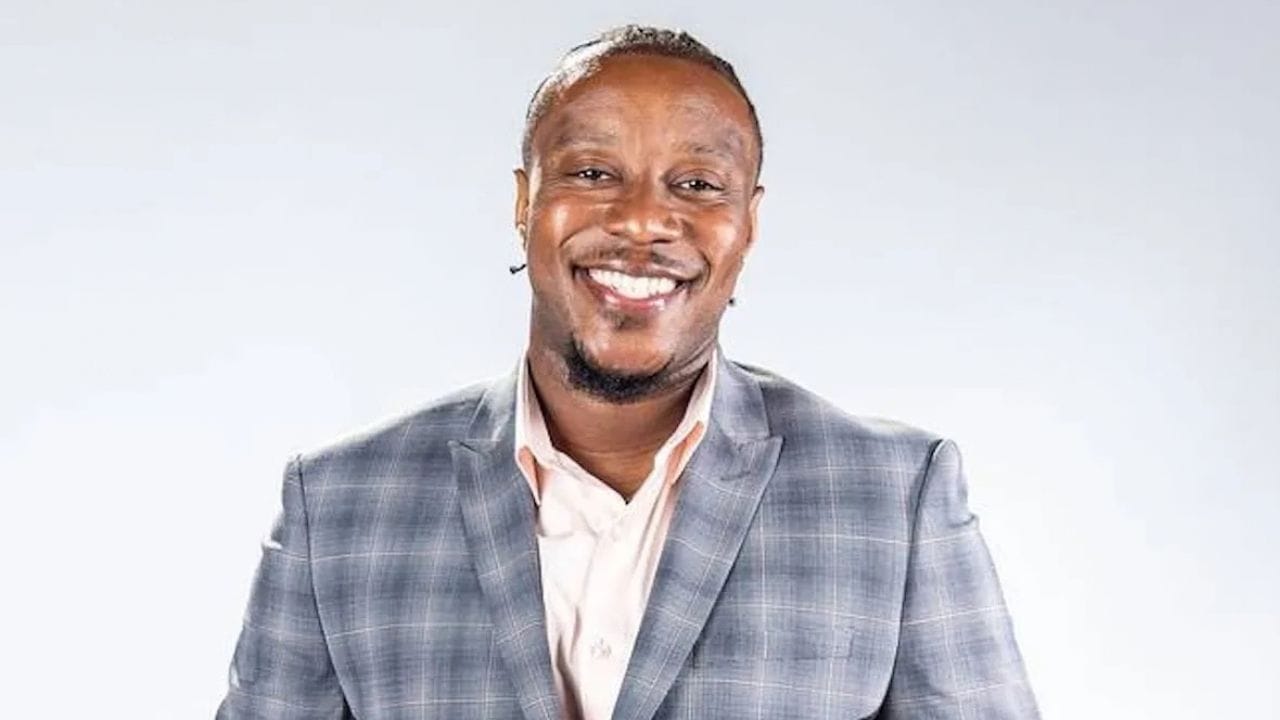
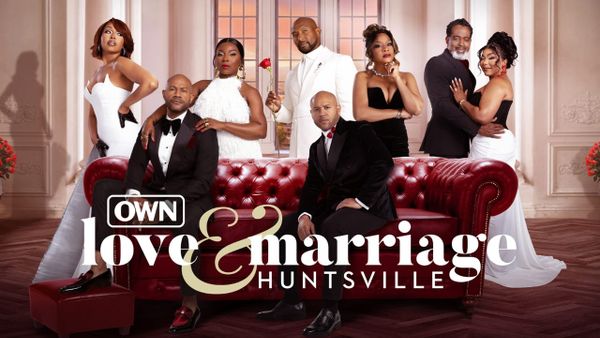
The newest season of Ready to Love Chicago proves casting directors have run out of singles genuinely looking for love. Jarrette Jones first appeared on Netflix’s Love Is Blind, where he actually got married before the relationship ended in divorce about a year later. Now he’s back on OWN as opposed to Netflix, supposedly giving love another shot. Then there’s Huebert, who enjoyed a viral moment last year as a contestant on Pop the Balloon, and then there is Jessica, also known as Jay, who previously appeared on The Never Ever Mets. That’s three contestants on one dating show who have already had their shot at finding romance in front of cameras. The growing number of repeat contestants makes it increasingly difficult to believe that love is the primary motivation. It also raises serious questions about casting companies that seem more interested in familiar faces and viral moments than finding people who are actually ready for commitment. When the same singles keep showing up on different networks with the same relationship goals and the same disappointing results, perhaps the problem isn’t that love is hard to find.
Gone are the days when genuine love stories unfold, leaving those watching believing that finding their true person is possible. Instead, the storylines centered are largely about entertainment, rather than actual matchmaking. Let’s face it: the odds of single hopefuls saying “I do” by the end of a season, or even walking away with a relationship that can survive when the cameras are off, are slim. Reality dating shows have lost their spark.
Love versus clout
Are people still going on dating shows to genuinely find love, or have these shows become stepping stones for exposure, acting jobs, and personal brands? It seems to be the latter. The main contributing factor to these shows hitting a brick wall is that the authenticity is no longer in finding a soulmate. Instead, many cast members are using them as career opportunities. Most go into the situation with love as a secondary bullet point in the outline of their overall goal. They figure: if I find love in the process, that’s great.
Let’s take the latest season of Married at First Sight as an example. Season 20’s BelléJolie, an aspiring singer and working makeup artist, admitted in her interview with Love Is Blind alum Amber Desiree “AD” Smith that she rarely considered marriage before the show. Once she was locked into the contract, however, her mindset shifted, and she committed herself fully to the process.
Note: Mecca would later confirm that the cast members were not forced to sign a legal marriage certificate. So no one on Season 20, with the exception of Michelle and Cameron, was actually married at first sight. This was also jarring news to viewers.
It’s no secret the opportunities that being on a major platform like Netflix or Peacock brings are huge, and anyone would be a fool not to take advantage of their 15 minutes of fame. The issue is many of the participants applying and selected to be on the show are aware of the success that can come out of it, and it’s their primary motivator for wanting to be on the show to begin with.
Casting for entertainment value and exploitation
There’s a lot of chatter about exactly how much participants are being paid to be on these shows. In recent seasons of MAFS, social media investigators have alleged that contracts detail the longer you stay on the shows, the more you are paid. Furthermore, some even claim participants who walk away legally married are paid significantly more. If true, this may be the reason why even the most ill-matched pairings get married, and are divorced by the reunion or within a year of filming ending.
The shock value factor has been an ongoing conversation. Every season, there’s a horribly matched pairing on MAFS, and the Love Is Blind participants barely make it through the honeymoon portion once the pod bubble has burst. MAFS specifically has earned a reputation for doomed pairings. Season 20’s Shawn and Nikki probably never stood a chance based on the fact that Nikki was clear about her typical preferences in terms of attraction. Shawn did not live up to that expectation, so any chances of intimacy were out of the window. Things like attraction and unevenly yoked financial status cannot be forced or overlooked. Those two qualities are typical entryways into a dating relationship.
Someone always walks away hurt or feeling cheated out of the process because they are matched with someone producers and casting executives selected based on them being “good TV.” Even Adam and Marissa on the latest season of MAFS were a train wreck waiting to happen because of Adam’s hyper physical activity level requirements compared to Marissa’s happy hour socials and soft life era. The experts also failed by matching Felipe and Tori, an admitted atheist with a devout Christian. In what world would that scenario ever work?
Yes, the ratings are solid, and the storylines make for great conversation socially. But what’s being lost is that the participants actually looking for love are leaving empty-handed.
The vetting process strategy is counterproductive to the actual goal
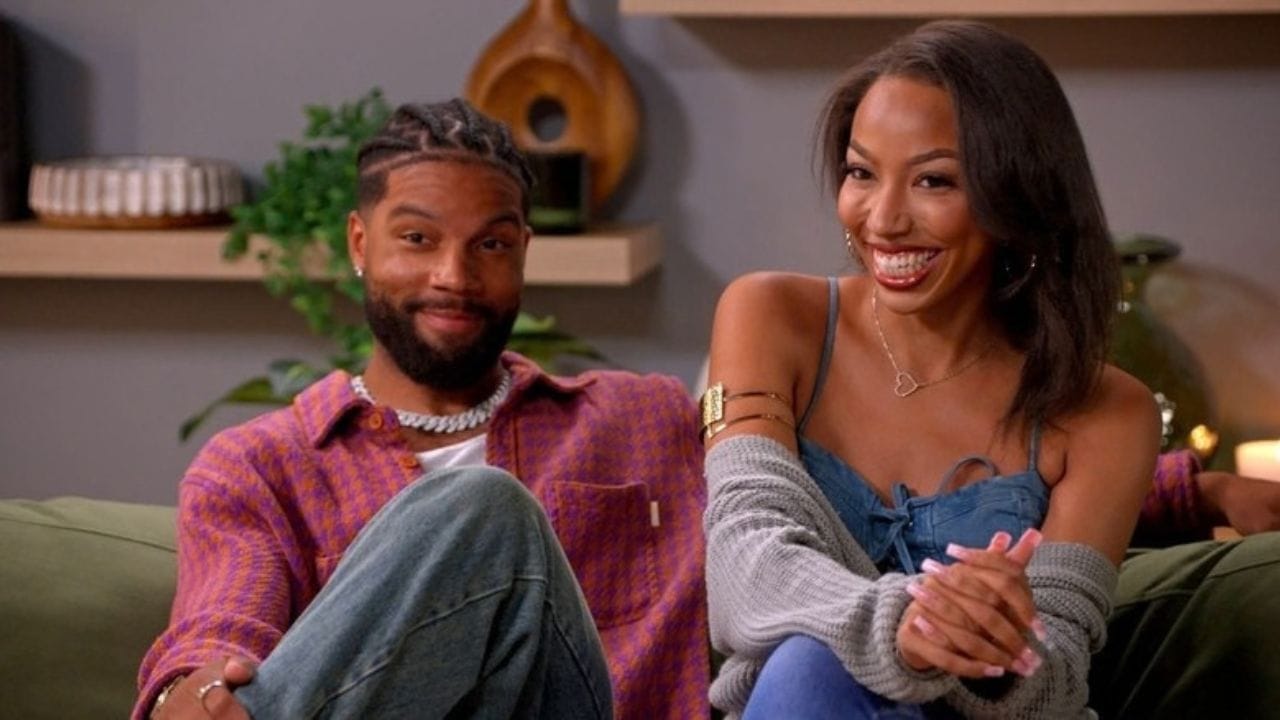
Thanks to post-season cast interviews, we've learned that many participants in these reality dating shows don't go through the traditional application process on their own. Nope, they are vetted. Producers and casting executives are actively scanning social media accounts looking for up-and-coming or inspiring influencers, or those looking to be in entertainment, to position them to be on the shows.
For others, like BelléJolie, she’d already formed a relationship with a producer who was working on another show. When that show failed, she asked if she’d be interested in MAFS. Initially, BelléJolie didn’t want to be on the show, but her mother encouraged her to do so to kill two birds with one stone: a career boost and the chance to find love. This casting practice has made viewers question participants' intentions and whether the relationships developed on the show were ever real.
Whatever the case is, the shows are entertaining. But if you’re looking for a tearjerker true love story to develop while watching, watch a Hallmark movie to save yourself the disappointment.