All Lies Will Be Exposed: What Love & Marriage Huntsville Has Taught Us About the Price of Reality TV Fame

– 7 min read





In January 2024, Katt Williams sat across from Shannon Sharpe on Club Shay Shay and said something that immediately became eerily prophetic: “All lies will be exposed.”
After moderating Lenox & Parker Presents: 4 Wives, 1 Conversation — Why Love & Marriage Huntsville Has Us in a Chokehold, I kept coming back to those words. Not because I believe Love & Marriage: Huntsville is simply a television show about people lying, cheating or behaving badly. What stayed with me was something much bigger and, honestly, much uglier. Reality television has exposed just how much we are willing to sell in exchange for fame, attention and access.
Our success is for sale. Our marriages are for sale. Our humiliation is for sale. Our heartbreak, our betrayals, our friendships, our family breakdowns and sometimes even our children’s pain are apparently available for purchase if the check is right and enough people are watching.
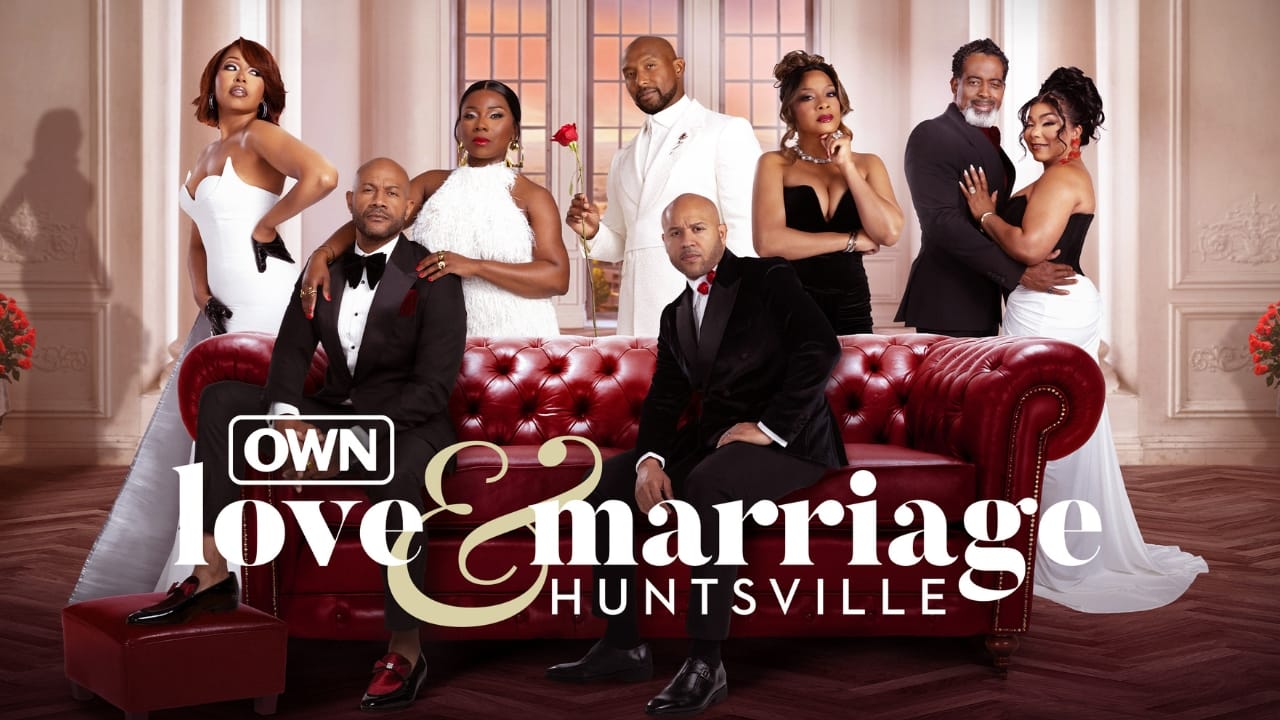
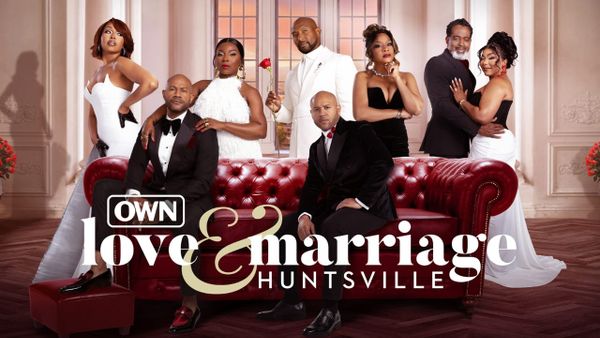
That is especially sad when you remember what Love & Marriage: Huntsville was originally supposed to represent. The premise was Black excellence. These were successful Black couples in Huntsville, Alabama, building businesses, investing in real estate, believing in entrepreneurship and promoting the idea of circulating money within our own communities. Those are things I believe in wholeheartedly. I believe in Black entrepreneurship. I believe in supporting Black businesses. And I believe strong marriages can help create strong families, which ultimately help build strong communities.
Unfortunately, reality television needed a vehicle to make all of that interesting. Interesting in television speak becomes drama, infidelity, betrayal and broken friendships. The Reign drop production cameras found every crack in Huntsville.

Melody and Martell Holt were introduced as one of the couples representing this version of Black success and marital partnership while their real marriage was apparently far more complicated than the image viewers were initially given. I have always found that fascinating. There is something incredibly bold about believing you can invite cameras into your life while presenting an image that does not fully line up with what is happening inside your home.
Maybe that is ego. Maybe it is ambition. Maybe it is the belief that if you control the narrative well enough, the audience will never see behind the curtain. But cameras are funny that way...they always do.
The diagnoses isn't really about Melody Shari, Martell Holt or even Arionne Curry. They are simply one of the clearest examples of something we are watching happen everywhere. Social media is filled with pseudo-perfect couples selling us lifestyles that later turn out to be much less perfect than advertised. We see the beautiful house and eventually learn the financial situation was shaky. We see the luxury cars and later discover they were leased, borrowed or part of an image somebody was desperately trying to maintain. We see matching outfits, romantic vacations, relationship advice and long captions about “building an empire together,” only to find out months later that the relationship behind those pictures was crumbling.
Sometimes there are allegations of abuse. Sometimes there are allegations of infidelity. Sometimes the money was never what followers were led to believe it was. Sometimes people have gone into debt or crossed ethical lines trying to maintain the appearance of a lifestyle that exists more convincingly online than it does in real life.
That is why Katt Williams’ words resonate so much, all lies will be exposed. The lie does not even have to be a literal lie. Sometimes the lie is simply the distance between the image and the truth.
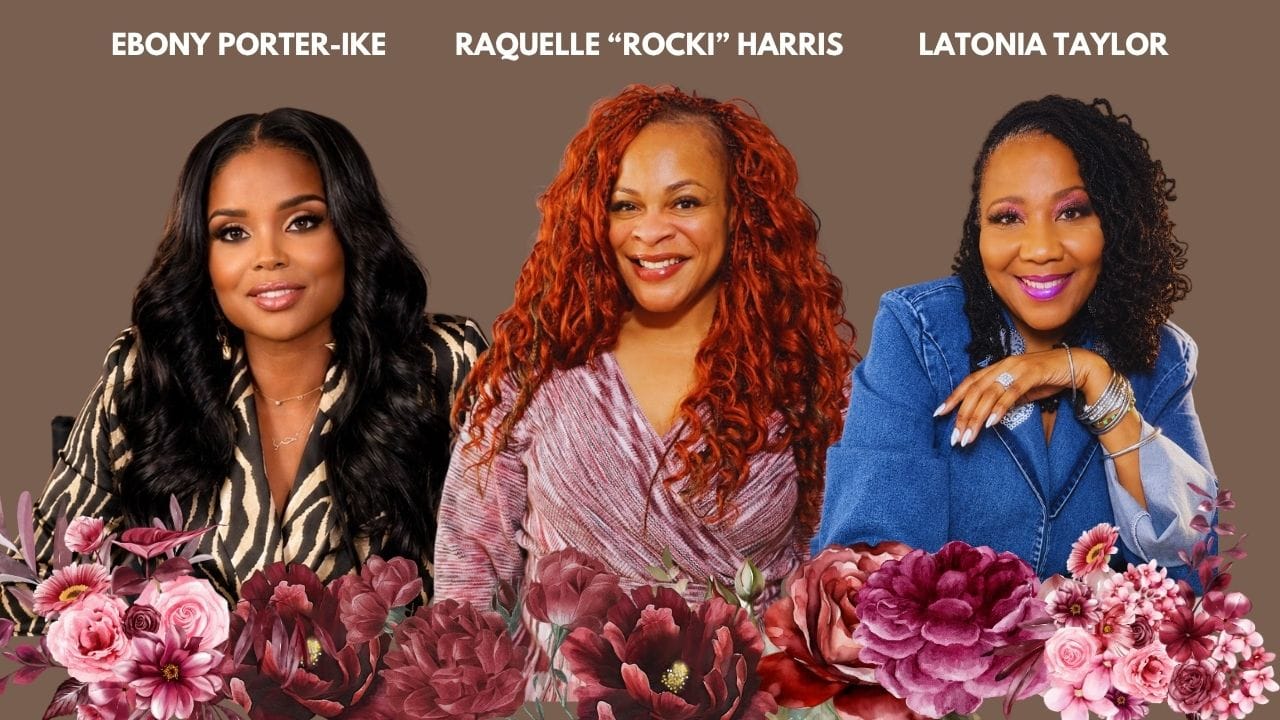
During our 4 Wives, 1 Conversation, I wanted women at the table who could look beyond the latest episode and the latest social media argument. Raquelle “Rocki” Harris is a multimedia journalist who has spent years writing and speaking about relationships and Black love. Coach LaTonia Taylor has worked in television production, including on OWN’s Iyanla: Fix My Life. Ebony Porter-Ike is a crisis communications consultant who has worked with numerous public personalities, including people connected to the reality television world. Beyond their professional résumés, these women have another credential I considered equally important: they have lived marriage. Each understands what it means to build a life with someone over years, not episodes.
We were not four women sitting around deciding which cast member was right this week. We were wives examining what happens when marriage becomes content. And the more we talked, the more apparent it became that Arionne Curry was never really the story.
Yes, her existence became undeniable evidence of a marriage that was very different from the power-couple image viewers had once been shown. Yes, the affair became one of the central scandals surrounding the show and continues to shape conversations years later. But Arionne is one person inside a much larger story.
Season after season, viewers have watched personal relationships deteriorate in public. Marriages ended. Friendships that seemed unbreakable became vicious. Accusations spilled from television onto social media and from social media into courtrooms and police reports. Members of a cast once introduced through the language of entrepreneurship and Black excellence have found themselves associated with arrests, warrants, domestic violence allegations and mugshots.
What began as an aspirational picture of Black couples building something together has, at different moments, looked like a case study in what can happen when fame, ego, resentment, money and unresolved pain all get thrown into the same pressure cooker. And somehow we still digest this as entertainment.
One image from the show stuck with me recently. Maurice and Kimmi were showing the expensive cars sitting in their driveway, and I could almost hear viewers looking at the screen thinking, “They are really doing it.” Because those are still the markers we have been trained to recognize.
The cars, the houses, the clothes, the trips, the jewelry, the businesses or even the follower count.
But I am starting to question whether any of that tells us much about success at all. A car can be leased. A house can go into foreclosure. Designer clothes can be purchased on a credit card that eventually gets maxed out. Money can disappear and money can be made again. You can lose a house and buy another house. You can lose a car and buy another car. You can lose a business and build another business. But some things cannot simply be replaced. You cannot give your children their childhood back. You cannot always repair the relationship you destroyed because destroying it gave you the better storyline that season.
You cannot erase the footage your children may one day watch of their parents humiliating each other in front of millions of people.
You cannot always undo what happens when a friendship that could have lasted 30 years becomes collateral damage because television needed conflict. You cannot pretend that because everybody got paid, nobody paid a price.
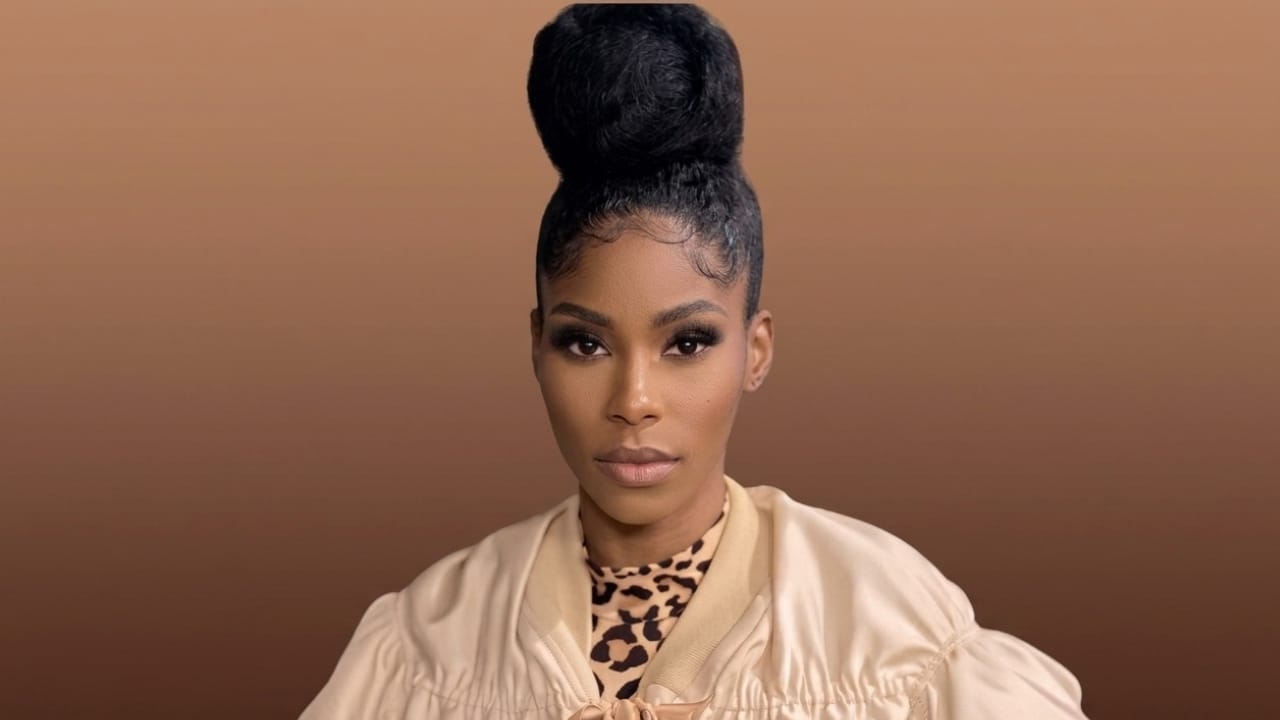
This isn’t really about Arionne Curry. It isn’t even ultimately about Martell or Melody. They are casualties and participants in something much bigger than any one affair or divorce. The bigger question is what we are willing to sacrifice to be seen.
At what point did pain become intellectual property? How has humiliation become part of a branding campaign?
When did destroying someone you once loved become a reasonable trade if it gave you a stronger storyline, another season, another interview, another viral clip or another opportunity?
We keep climbing and climbing. We keep exposing and exposing. We keep giving audiences more and more because yesterday’s revelation is never enough for tomorrow’s ratings. Eventually, there is no room left in the house that the cameras have not entered.
And somewhere along the way, we lose our understanding of what is sacred. Marriage used to be sacred. Family was sacred. Friendship was sacred. Children were sacred. There were arguments that happened inside a home that stayed inside that home. There were betrayals that might have ended a marriage but did not become entertainment for strangers. There were family wounds people worked through privately because everybody did not need a front-row seat to the worst moment of their lives.
Maybe that world is gone. Because now, if the price is right, apparently everything can become content. Your affair could be content. Your divorce could be content. Your arrest could be content. Your humiliation could be content. Your child’s heartbreak could be content. Your family’s destruction could be content.
And after watching Love & Marriage: Huntsville evolve from a show about Black couples building businesses and community into everything we have witnessed since, I am left wondering whether the most important lesson has anything to do with love, marriage or Huntsville at all.
Maybe the lesson is far more disturbing. Katt Williams told us all lies would be exposed.
He may have been right. But I am beginning to think exposure is only half the problem.
Because once everything is exposed, we have created a culture willing to package it, promote it, monetize it and sell tickets to watch it burn.
And if we keep going down that road long enough, eventually there will be nothing left that isn’t for sale. Not our marriages, our families, our pain, our children, or ourselves. There will be no such thing as off-limits, sacred. Everything has become commodity, everything is for sale.