Thank You, Tyler Perry: Netflix’s 'Doing Life' Reminds Us Black Love Doesn’t Have to Be Perfect

– 7 min read





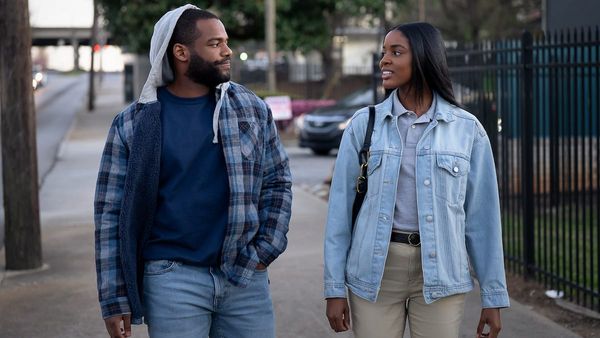
I walked away from Tyler Perry’s 'Doing Life' wanting to say something I don’t think we say enough: thank you.
Not because the film gives us some perfect, sweeping love story with two people who have checked every box before finding each other. Actually, I’m thanking Tyler Perry for doing the exact opposite. He gave us a love story between two people who come with baggage, mistakes, complicated families, bad decisions and histories that could easily make somebody on social media decide neither one of them is “ready” or even deserving of love.
Somewhere along the way, we have turned dating into a search for two already perfected people. The woman is supposed to have the perfect body, her career together, her finances together, her car, her home, no lingering trauma, no complicated past and somehow still be perfectly submissive and agreeable. The man needs to be at least six feet tall, preferably making six figures, with a six-pack, good credit, emotional intelligence, no baggage, no children creating complications and enough confidence to lead without ever making the woman feel controlled. Apparently, everybody is supposed to arrive fully healed, fully established and completely free of mistakes.
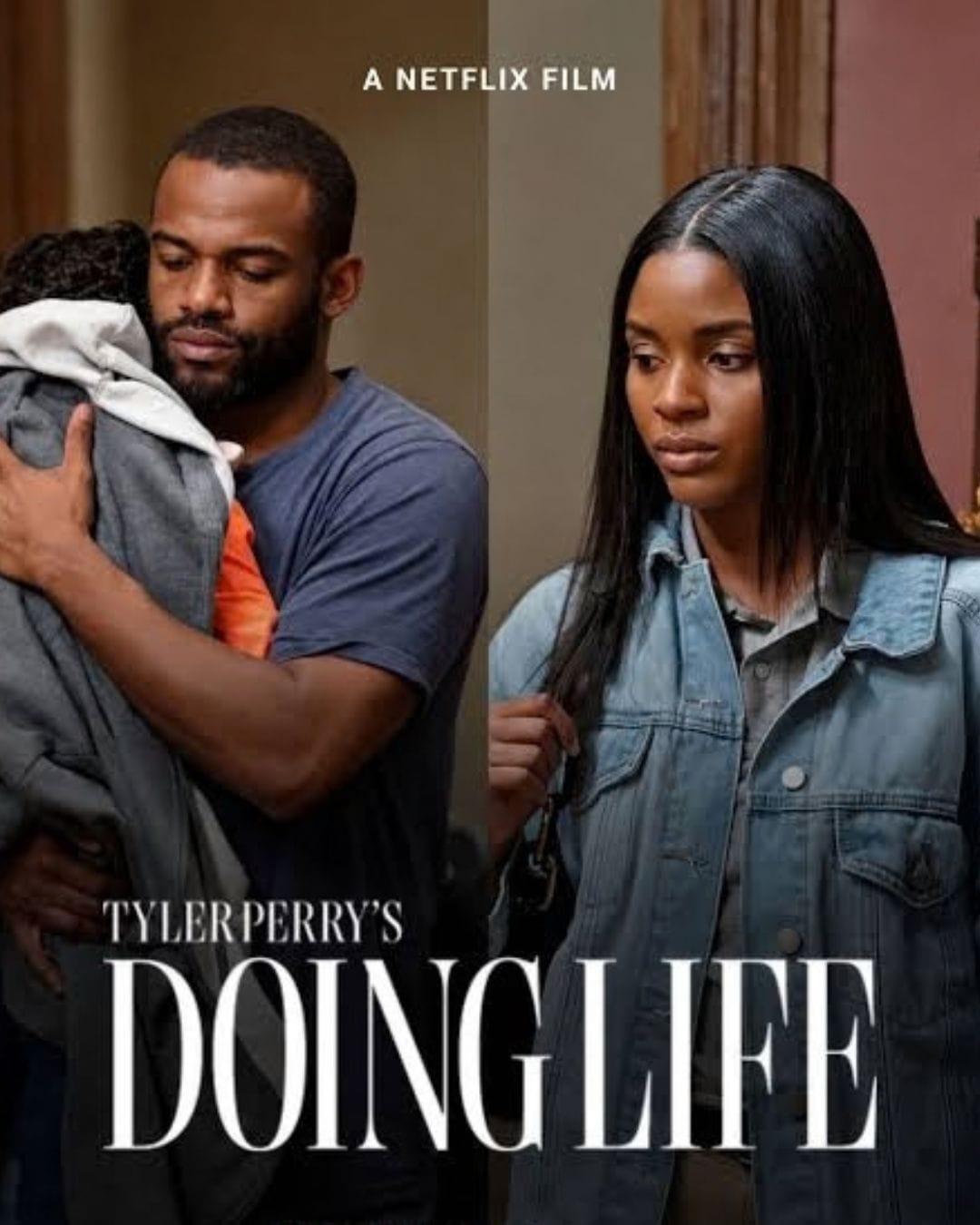
The problem is, most human beings don’t show up like that. 'Doing Life' gives us a beautiful illustration of two imperfect people who dare to love one another.
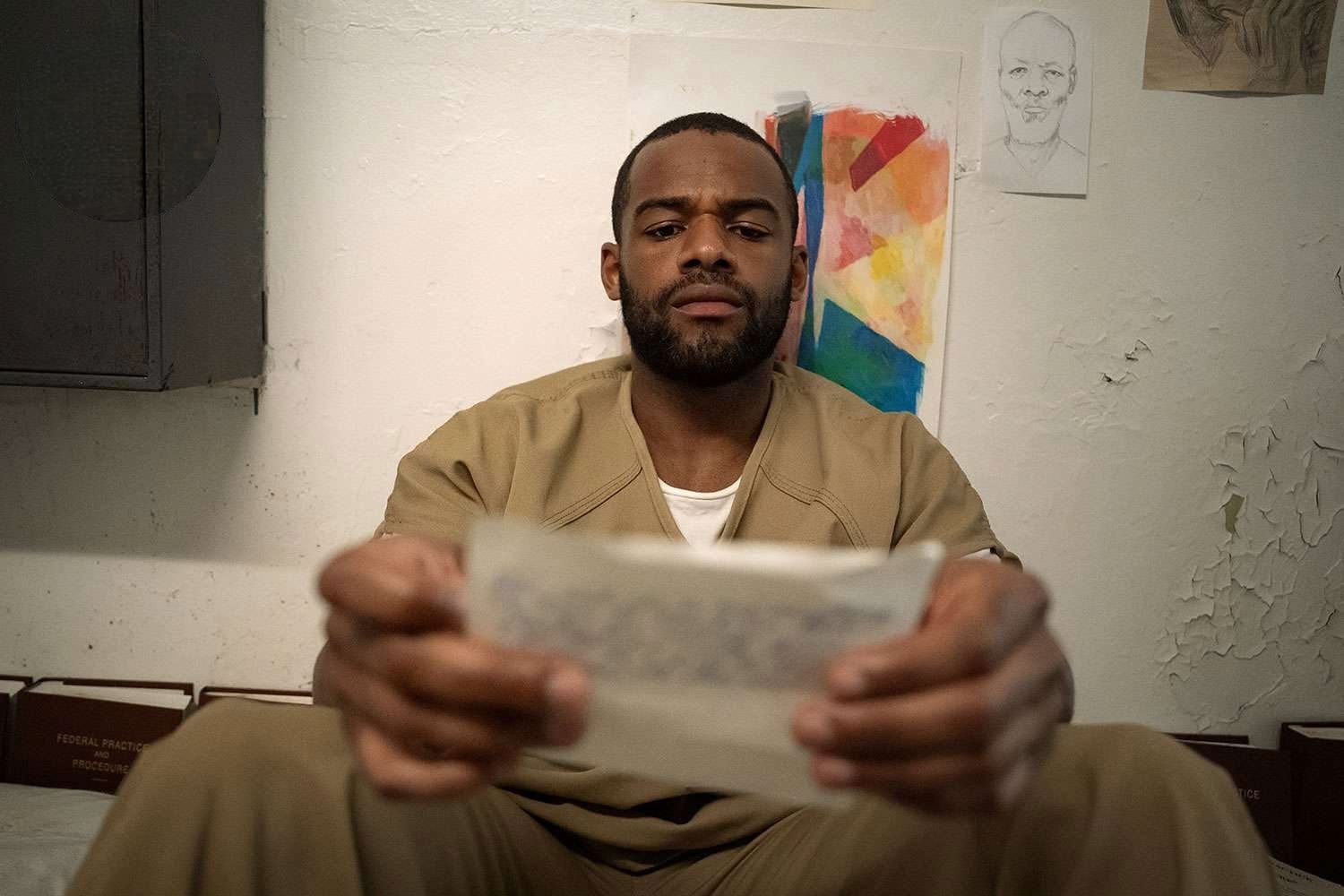
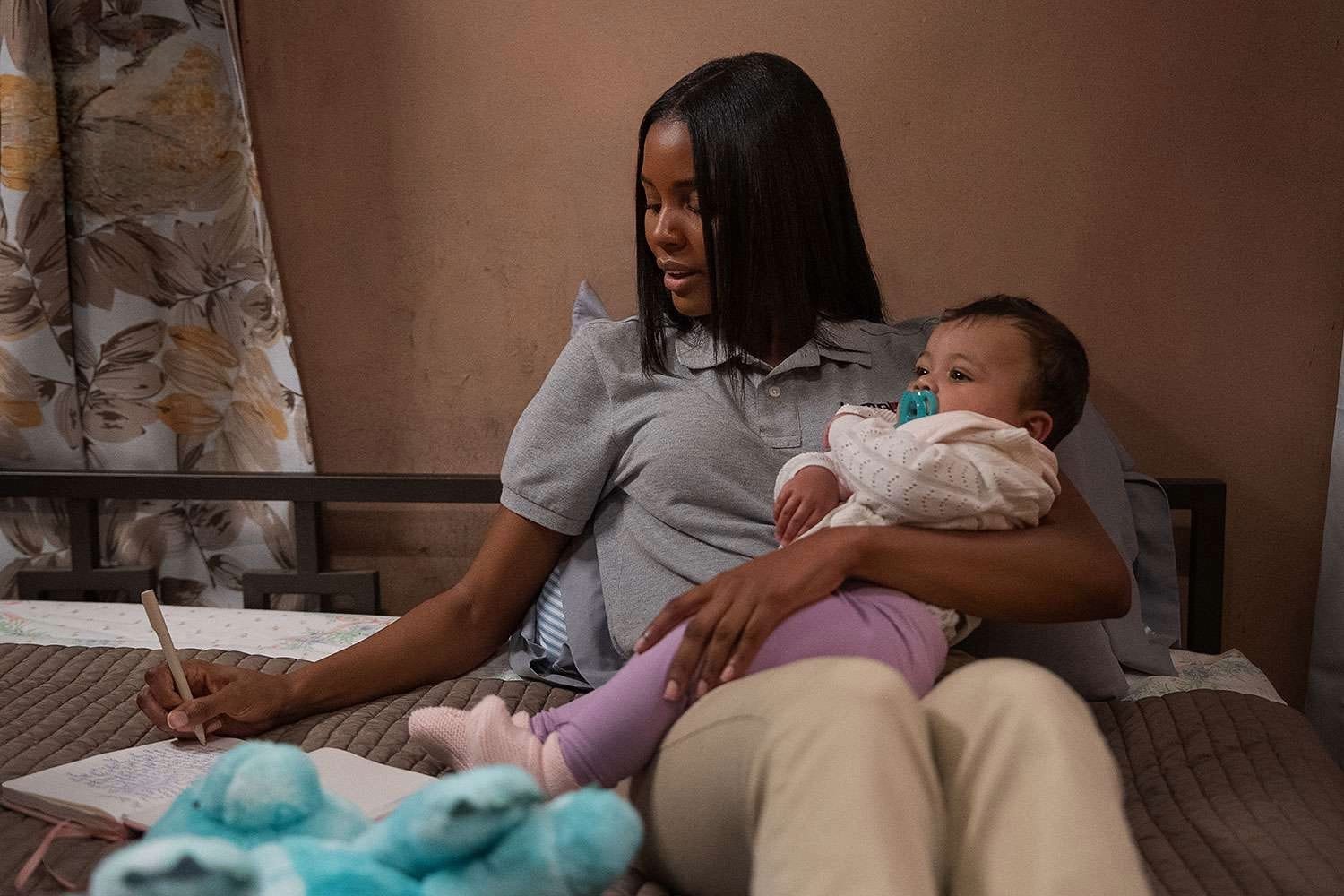
Carousel has been incarcerated. Anika is a single mother whose child’s father has chosen not to be an active partner in her life. Neither of them walks into the relationship carrying the type of résumé that social media would immediately stamp #RelationshipGoals. What they do have is something that gets discussed far less often when we talk about relationships: character, vulnerability, hope and a genuine desire to do better.
I don’t believe the message of 'Doing Life' is that women should run out and start dating men who have been incarcerated. The message, at least the one I received, is bigger than that. Maybe we should stop reducing people to the worst thing they have ever done. Maybe good character, growth, kindness, accountability and the way someone treats you deserve to weigh just as heavily as the parts of their past that look less impressive on paper. The same grace has to extend to women.
Anika made choices that would immediately make her a target in today’s relationship conversations. She had a child with a man who did not become the father or partner she needed him to be. There is an entire corner of social media that would tell her that because she “chose wrong,” she should now live with that decision forever. Her value, according to that thinking, becomes the sum total of the man she chose before she knew better.
Tyler Perry challenges that idea by simply allowing Anika to still be worthy of love.
Her difficulties don’t stop there. She comes from a family dealing with serious pain, including her mother’s illness, but Perry also shows something else that made me uncomfortable because of how familiar it felt. Sometimes the greatest opposition to a Black woman’s relationship can come from other women who love her. Mothers, sisters, aunts and friends can become so committed to finding what is wrong with the man that they stop allowing her to see what may be right about him.
That doesn’t mean women shouldn’t protect one another. We absolutely should. But there is a difference between protection and projection. There is a difference between recognizing red flags and being determined to prove that a man has them because nobody could possibly be good enough. In 'Doing Life', we get to see how family dysfunction can follow people into their relationships and how easily the voices around a couple can become louder than the two people actually trying to build one.
Tyler Perry has also always been known for giving us villains who are almost unbelievably cruel. We have seen it before with characters like Charles in 'Diary of a Mad Black Woman', and we see it again in 'Doing Life'. Watching Anika’s mother repeatedly refer to Carousel as “convict,” spewing venom every time his name comes up, can feel extreme. Her older sister is just as difficult to watch because she seems almost committed to making sure Anika sees this relationship through the same bitter lens that she does. On the surface, you can easily say, “Nobody acts like this.” But I think that misses what Perry is doing.
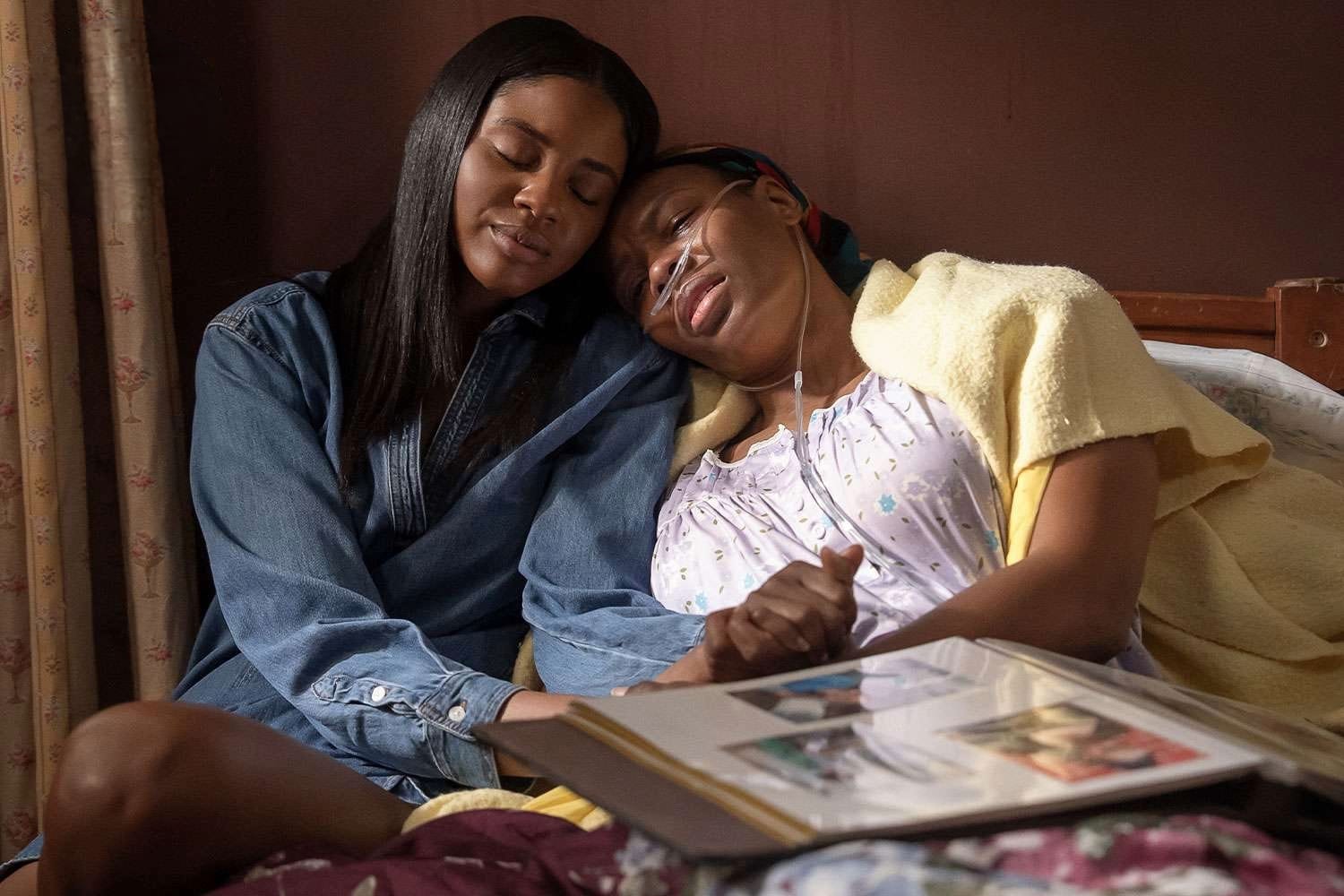
Maybe one mother doesn’t say all of those things. Maybe one sister isn’t quite that cruel. But what if that character represents ten or fifteen different voices we have heard throughout our lives? The auntie who told you not to take a man seriously because his money wasn’t long enough. The cousin who made a joke because he was too short. The girlfriend who wanted to know what kind of car he drove before she wanted to know how he treated you. The mother’s friend who reminded you about something he did years ago every single time his name came up. Social media has only added hundreds, sometimes thousands, more voices to that chorus, all ready to tell us why somebody isn’t good enough based on a mistake, a paycheck, a past or a package that doesn’t look impressive enough.
That is why I think Tyler Perry’s villains are intentionally exaggerated. They carry the point home. Art is supposed to imitate life, but sometimes it has to turn the volume up before we recognize ourselves in it. Anika’s mother may be one character, but she represents every voice that has told a man his worst mistake is the only thing worth knowing about him. Her sister represents the aunties, godmothers, cousins, girlfriends and big sisters who have been hurt themselves and now meet somebody else’s optimism about new love with suspicion, criticism and sometimes outright negativity.
And that part is important because women do need women who will protect us. We need the mother who notices something we are too blinded by love to see. We need the sister who asks the uncomfortable question and the girlfriend who recognizes the red flag. But protection can cross over into projection. Sometimes we are no longer warning somebody about what a man has actually done. We are punishing him for what another man did to us.
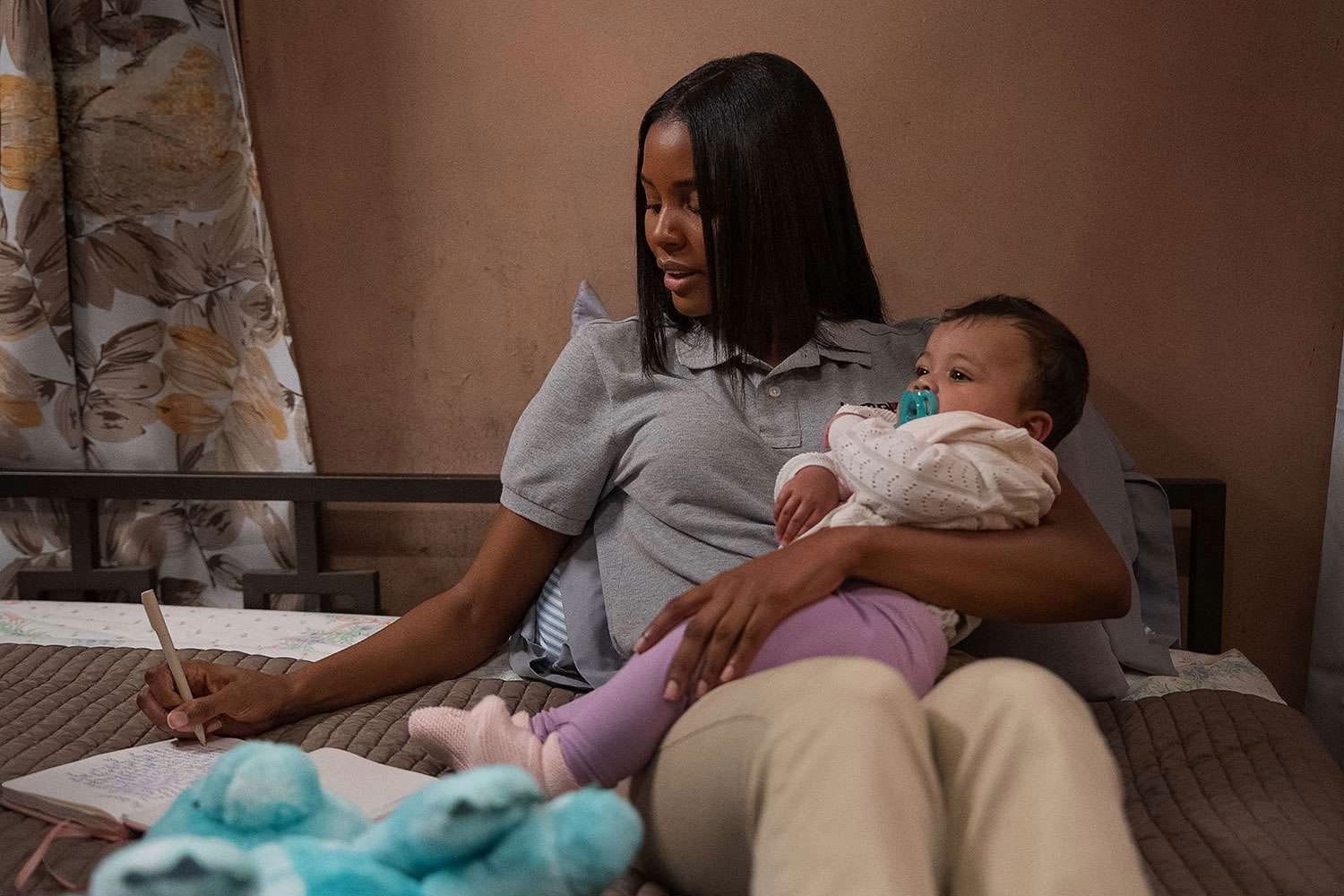
That may be one of the more uncomfortable mirrors 'Doing Life' holds up. We spend so much time talking about men potentially destroying women that we don’t always talk about the ways women can help destroy a relationship before it ever gets the chance to become something healthy. Not every imperfect man is dangerous. Not every woman who sees potential in a man is naive. And sometimes the person everybody has decided isn’t good enough may be the person who treats you better than all the people who looked perfect on paper.
Carousel’s story touched me for another reason that is much more personal. My first best friend was my brother. He went to prison at 16 for something he did as a teenager and, much like Carousel, was tried as an adult before he had ever actually become a man. There is something especially heartbreaking about watching a boy make the transition into manhood behind prison walls. In many cases, society decides who that young man is going to be for the rest of his life before he has even had an opportunity to figure it out for himself.
Black boys in particular are rarely given the luxury of being young and stupid. A bad decision can become an identity. A mistake can become a lifetime sentence even after the official sentence is over.
Watching Carousel made me think about young men like my brother who are not inherently bad people but made bad decisions during years when most of us were still learning who we were. What happens when they come home? Are they allowed to dream? Are they allowed to grow? Are they allowed to become husbands, fathers, businessmen and good men, or are they permanently required to introduce themselves through their worst chapter? As a sister who has mourned what could've been for her 49 year-old brother, this is why 'Doing Life' felt hopeful to me.
Tyler Perry has built a career telling stories that sometimes make us uncomfortable because there is usually a message underneath the drama. This one feels especially necessary at a time when relationships have become increasingly transactional and people are encouraged to evaluate potential partners like products instead of human beings. Carousel and Anika aren’t perfect. That is exactly why I cared about them.
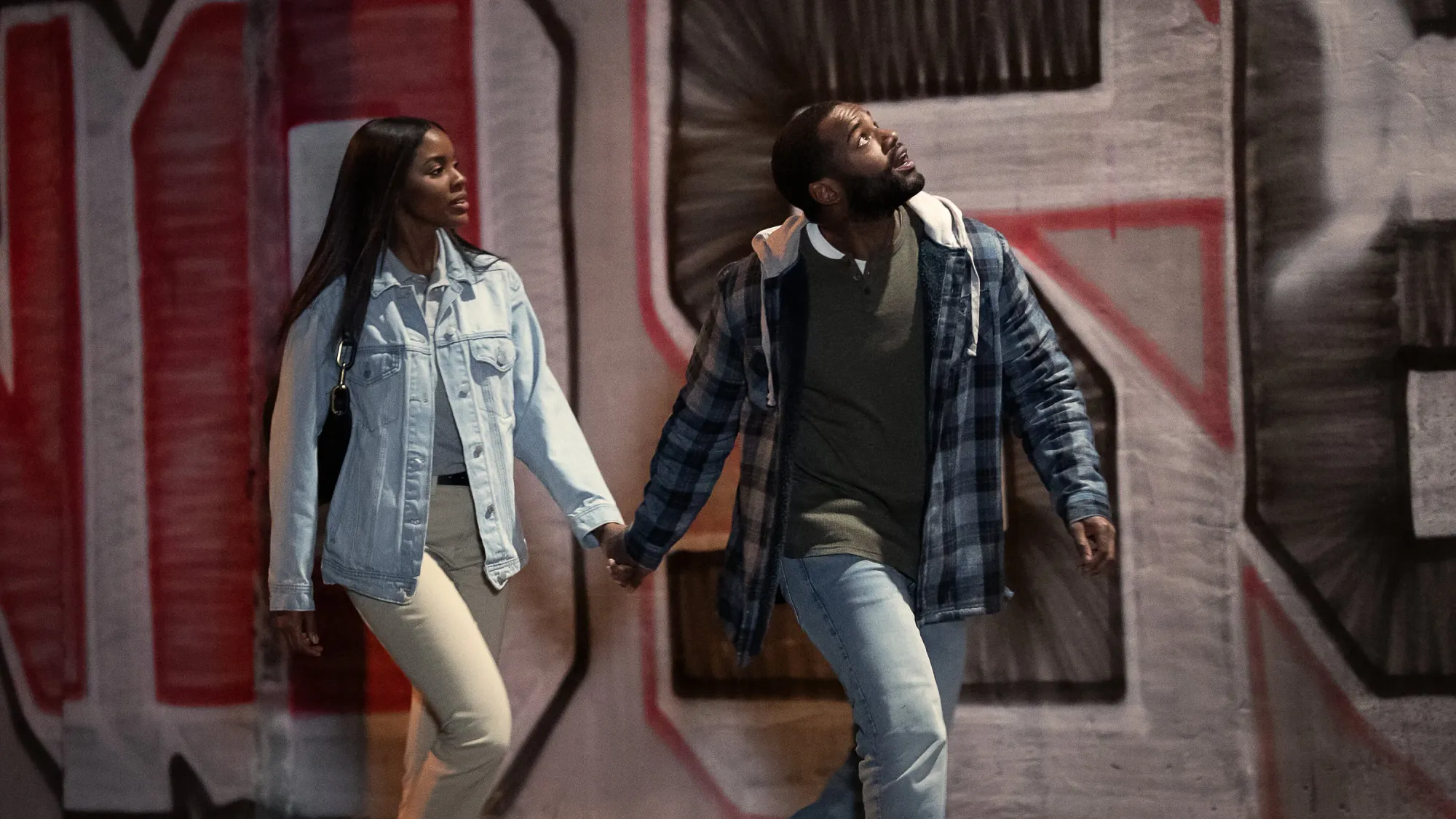
Their love is not about pretending the past didn’t happen. It is about deciding that the past does not have to have the final word. It is about two people who want more for themselves, see something worthwhile in each other and are willing to try to build something better together.
So thank you, Tyler Perry, for reminding us that love doesn’t always arrive six feet tall, six figures, completely healed and wrapped in a perfect Instagram package.
Sometimes love looks like two imperfect people who have survived some things, made some mistakes and still have enough hope left to choose each other and maybe...just maybe that deserves to be relationship goals too.