A Billion-Dollar Vision Of Art And Imagination: Inside The Lucas Museum

– 8 min read






Some places invite you to look. Others invite you to see.
My visit to the Lucas Museum of Narrative Art in Los Angeles offered an opportunity to do both.
From its extraordinary architecture to its expansive collection of paintings, illustrations, photography and cinematic art, the museum presents a compelling exploration of how stories shape our understanding of ourselves, our communities and the world around us.
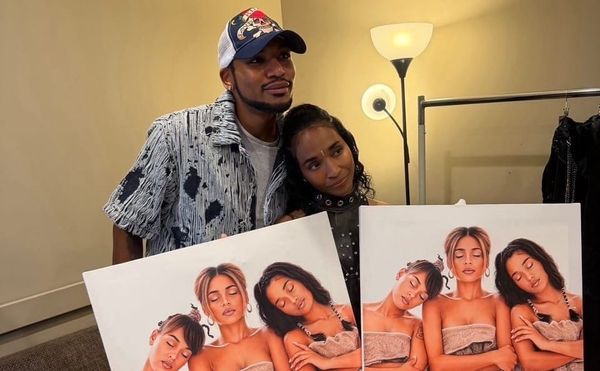
Located in Exposition Park, the museum welcomed Lenox & Parker during a media event on October 17, 2026.
The experience was an opportunity to explore a remarkable cultural addition to Los Angeles and reflect on the enduring power of visual storytelling.
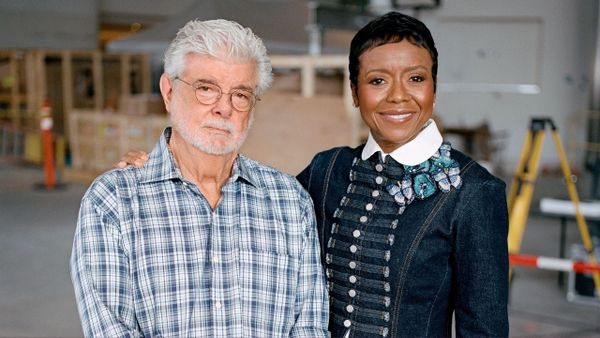
Founded by filmmaker George Lucas and business leader Mellody Hobson, the museum was created around a fundamental belief: illustrated stories connect us.
Through images, artists communicate ideas, preserve memories, challenge assumptions and reflect the experiences that help define our humanity.
That mission feels especially relevant in a world where conversations about history, identity, representation and whose stories deserve to be remembered continue to matter.
George Lucas, the filmmaker behind Star Wars, has spent more than 50 years collecting narrative art. Together with Mellody Hobson, he envisioned a museum that would bring this passion for storytelling to a broad audience, placing different artistic traditions and forms of visual expression within the same cultural conversation.
The result is a museum dedicated to narrative art, a term that encompasses the many ways images communicate stories. From ancient cave paintings and religious imagery to children's book illustrations, comic art, murals, photography and cinema, visual storytelling has long been central to how people share knowledge, express beliefs and make sense of the world.
The museum's founding collection includes more than 40,000 works, with exhibitions spanning centuries and cultures.
Its philosophy also recognizes that art is personal.
A painting may communicate one experience to one viewer and something entirely different to another. Our backgrounds, memories and perspectives influence what we see and how we interpret it.
That is part of art's enduring power.
It creates opportunities for connection without requiring everyone to have the same experience.
Architecture That Makes An Impression
Before exploring the galleries, it is difficult not to notice the museum itself.
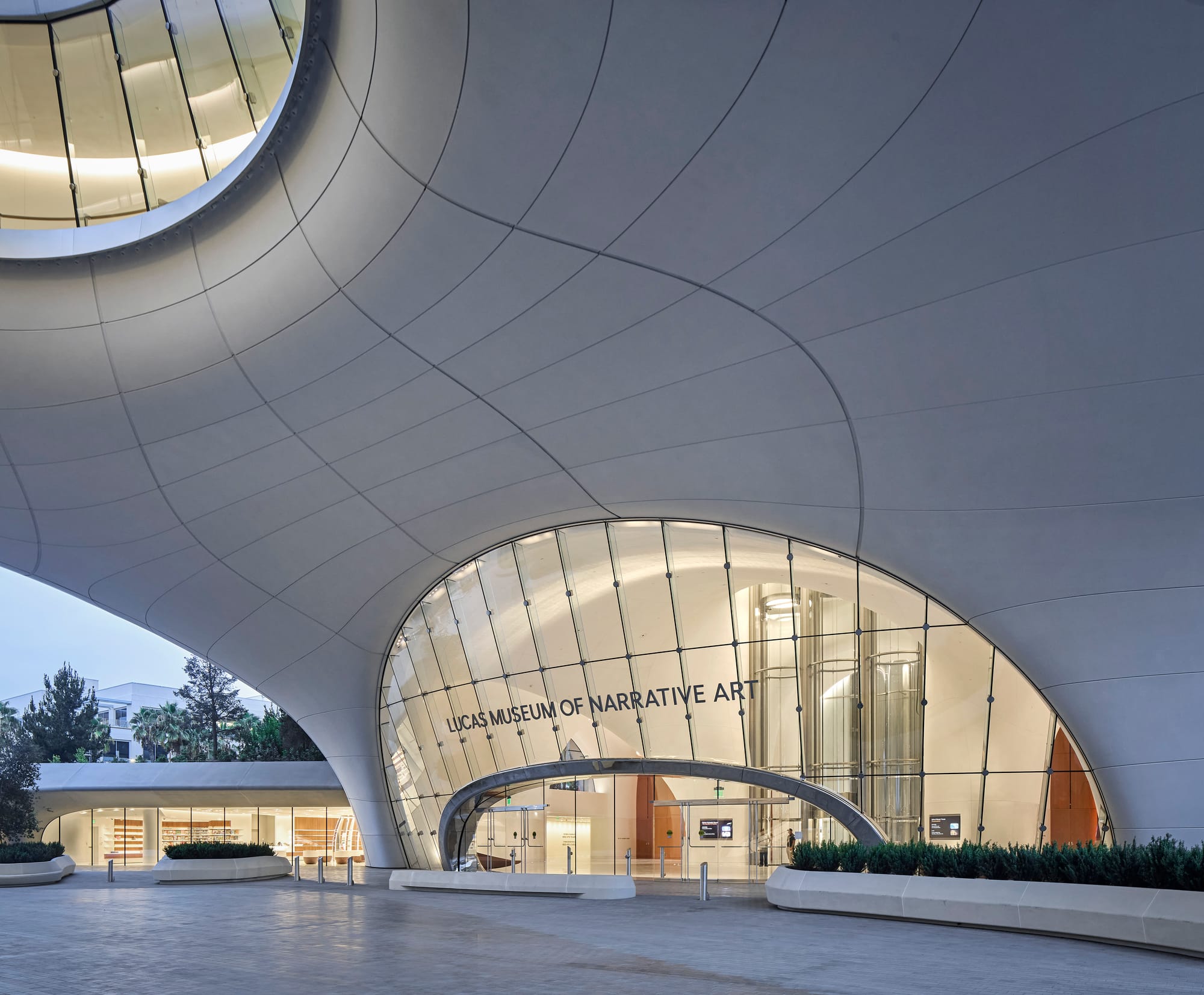
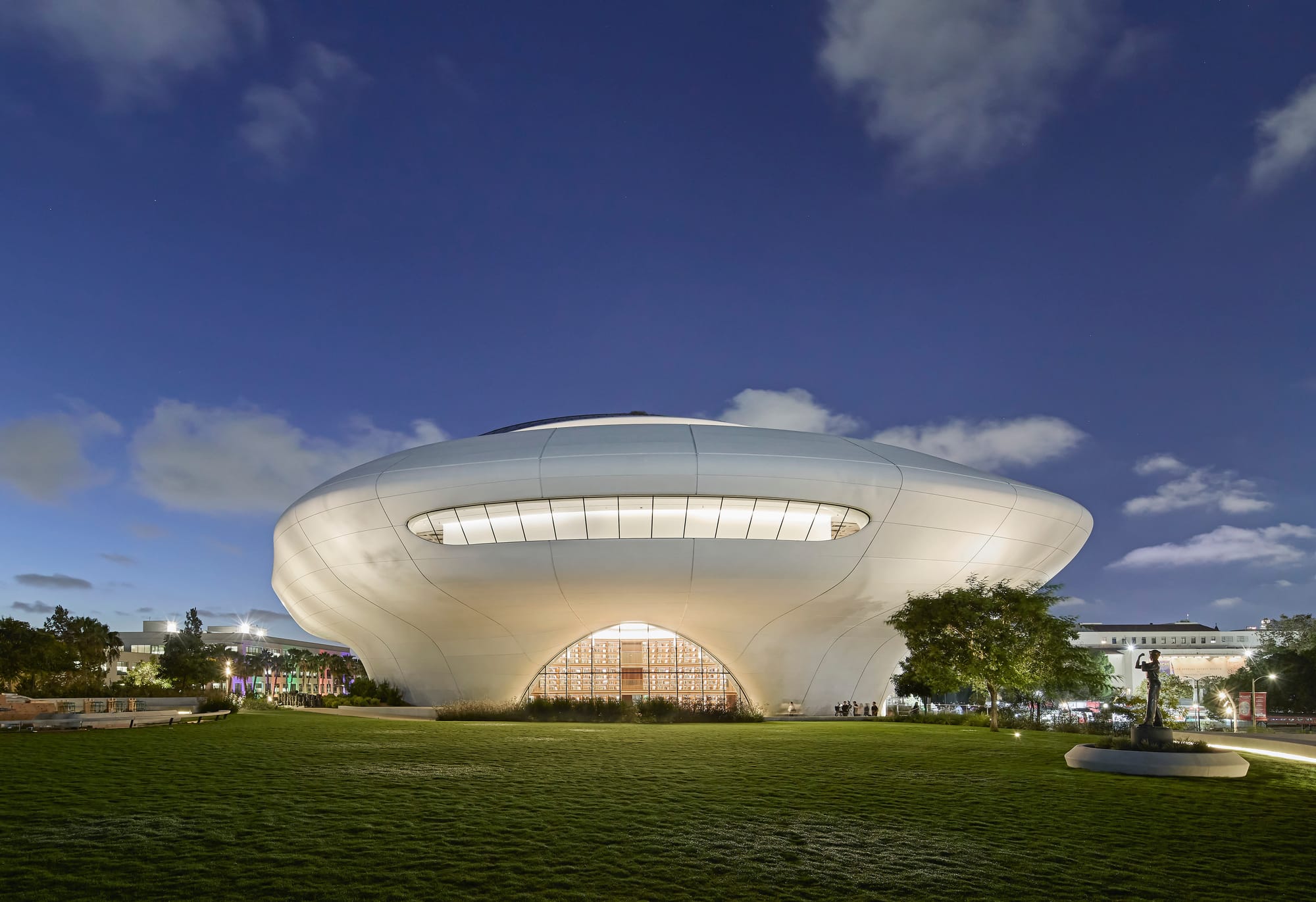
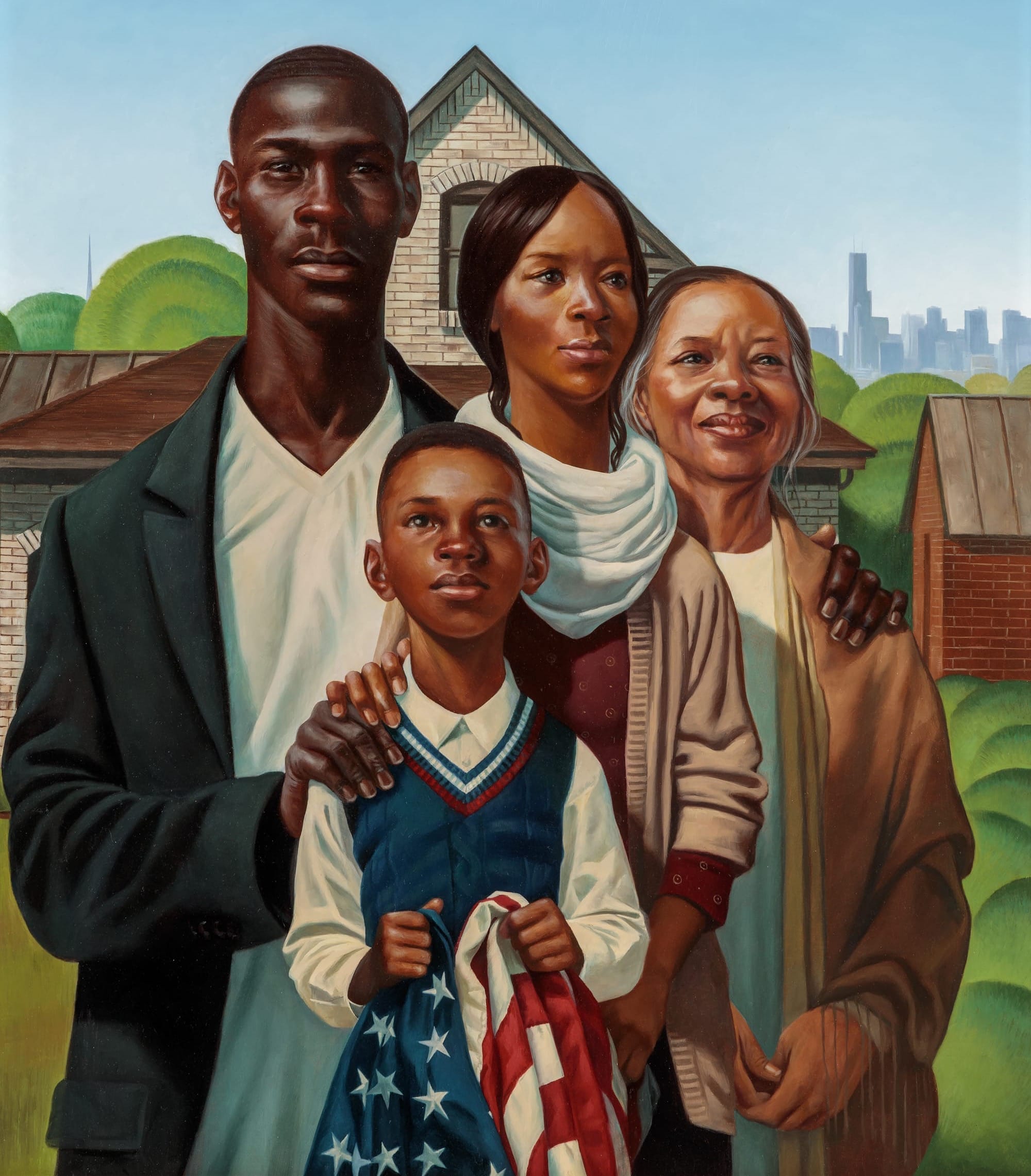
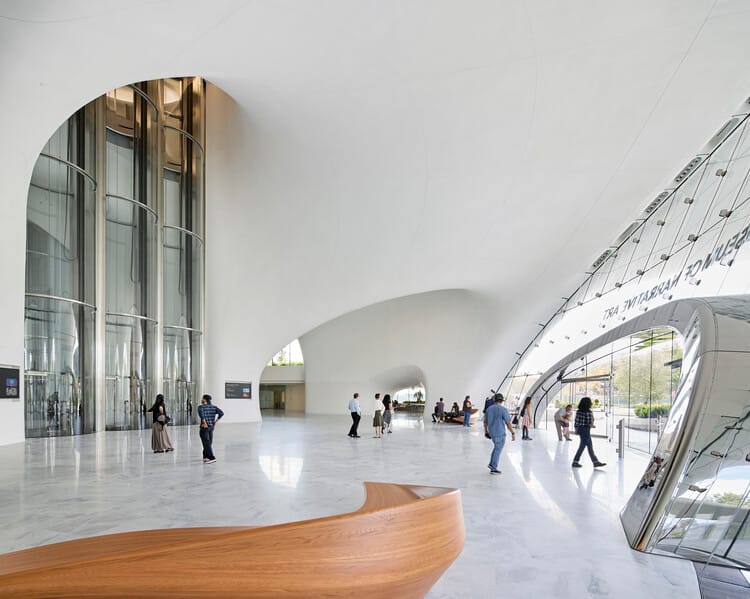
Designed by architect Ma Yansong of MAD in collaboration with Stantec, the five story, 300,000 square foot building is an architectural statement in its own right. Its sculptural form and flowing lines create a striking presence within Exposition Park.
The design feels imaginative and contemporary, reflecting the museum's broader commitment to creativity and discovery.
The surrounding 13 acre campus includes a park and gardens designed by Mia Lehrer and her team at Studio MLA. The landscape creates additional public space for gathering, reflection and community engagement.
The museum represents an estimated $1 billion investment by Lucas and Hobson, reflecting the scale of their vision for an institution devoted to visual storytelling.
Inside, visitors will find more than 100,000 square feet of gallery space across more than 30 galleries, along with theaters, a research library, a museum store, a café, a restaurant and spaces for educational programming and events.
The museum officially opened to the public on September 22, 2026, adding a significant new destination to Los Angeles's cultural landscape.
When Art Preserves History
One of the most moving works I encountered was Norman Rockwell's The Problem We All Live With, which depicts six-year-old Ruby Bridges being escorted by federal marshals as she integrated William Frantz Elementary School in New Orleans in 1960.
The painting captures a defining moment in the struggle for civil rights. Its subject is a young child, yet the story extends far beyond one person's experience.
It speaks to courage, racial injustice, resistance and the consequences of decisions made by adults and institutions.
Seeing this work in person was a reminder that art can preserve history in ways that reach audiences across generations.
A painting can make a historical moment feel immediate.
It can encourage viewers to confront difficult truths, consider the experiences of people who came before them and recognize the individuals whose courage helped change the course of history.
These works are important because history is not simply a collection of dates and events. It is made up of people, families, communities and experiences that deserve to be remembered.
For Black communities in particular, the preservation and presentation of history through art can offer meaningful opportunities to recognize contributions, examine injustices and ensure that future generations have access to stories that inform their understanding of the past.
The significance of such works extends beyond the gallery. They become starting points for conversations about the society we have inherited and the one we continue to shape.
Artists Who Expand the Picture
The museum's collection includes a remarkable range of artistic voices, and I was especially pleased to encounter works by Ernie Barnes.
Among the paintings represented are The Drum Major and The Critic's Corner, which provide opportunities to appreciate Barnes's distinctive visual language and his contribution to American art.
Barnes developed a recognizable style characterized by elongated figures, expressive movement and scenes that often reflected the rhythms of everyday life.
His work demonstrated that ordinary people, familiar environments and shared cultural experiences could become powerful subjects for fine art.
His paintings also remind us that the significance of an artist's work cannot be separated entirely from the experiences and cultural environments that inform it.
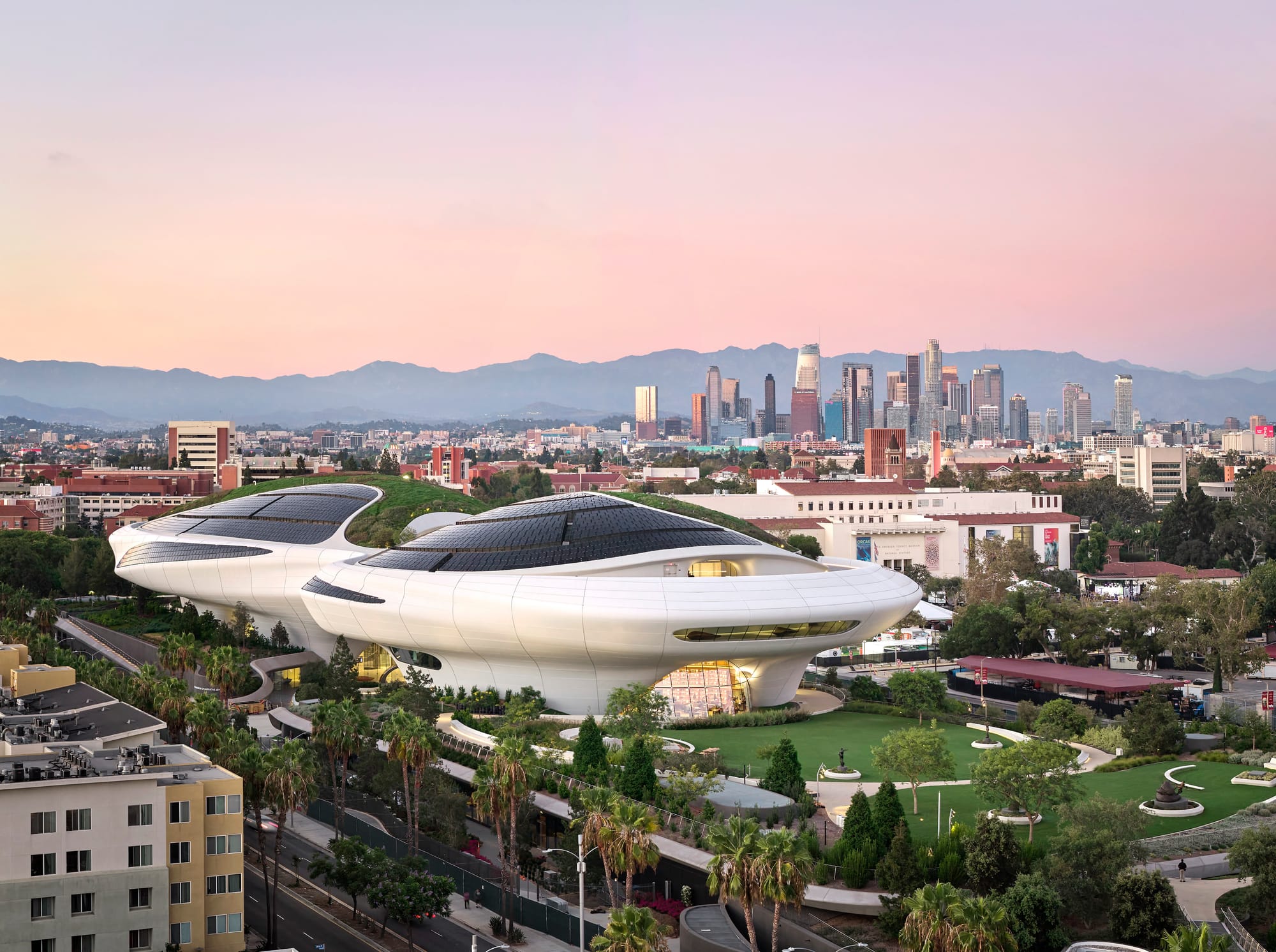
Another notable work in the collection is Black Gothic by Kadir Nelson. The painting invites viewers to consider identity and representation through a reinterpretation of the familiar American Gothic tradition.
By placing Black subjects at the center of the composition, Nelson encourages audiences to reconsider established visual narratives and think about whose lives and experiences have historically occupied prominent places in American art.
Representation is not simply about visibility.
It also concerns how people are portrayed, the complexity afforded to their experiences and whether their humanity is reflected with dignity.
Gordon Parks offers another powerful perspective through his photography. A celebrated photographer, filmmaker and writer, Parks documented American life while addressing social inequality and capturing the humanity of his subjects.
His work demonstrated how photography could serve as both an artistic discipline and a means of examining the world around us.
Through his camera, Parks brought attention to lives and circumstances that demanded to be seen. His photographs continue to encourage viewers to look beyond appearances and consider the larger stories behind the people and places they depict.
The museum also features work by Frida Kahlo, whose deeply personal imagery explores identity, emotion and the human experience.
Alongside artists such as Jacob Lawrence, Charles White, Robert Colescott and Diego Rivera, these creative voices demonstrate the breadth of stories that can be communicated through visual art.
What makes the collection compelling is the opportunity to encounter these artists within a wider artistic landscape. Their work contributes distinct perspectives while participating in the universal tradition of storytelling.
From Fine Art To Popular Culture
The museum also challenges the idea that meaningful artistic expression belongs to only one category.
Its collection includes illustrations, comic art, murals, photography, movie posters and cinematic materials. These forms of visual communication have shaped popular culture and influenced how generations imagine the world.
The inaugural exhibition Star Wars in Motion explores the creativity behind the Star Wars films through concept designs, props and costumes associated with the franchise.
For fans, the exhibition offers a closer look at the artistic decisions and craftsmanship involved in bringing an imagined universe to life.
For others, it provides an opportunity to understand film as a collaborative visual art form, one that combines design, illustration, movement, color and storytelling to create experiences that resonate with audiences around the world.
The museum's collection demonstrates that stories can move between mediums. An idea expressed through an illustration may find another life in a film, while a photograph or mural can preserve a cultural moment for generations.
By presenting different forms of visual storytelling together, the museum encourages visitors to recognize the creative connections that link fine art, popular culture and everyday life.
A Space For Discovery And Community
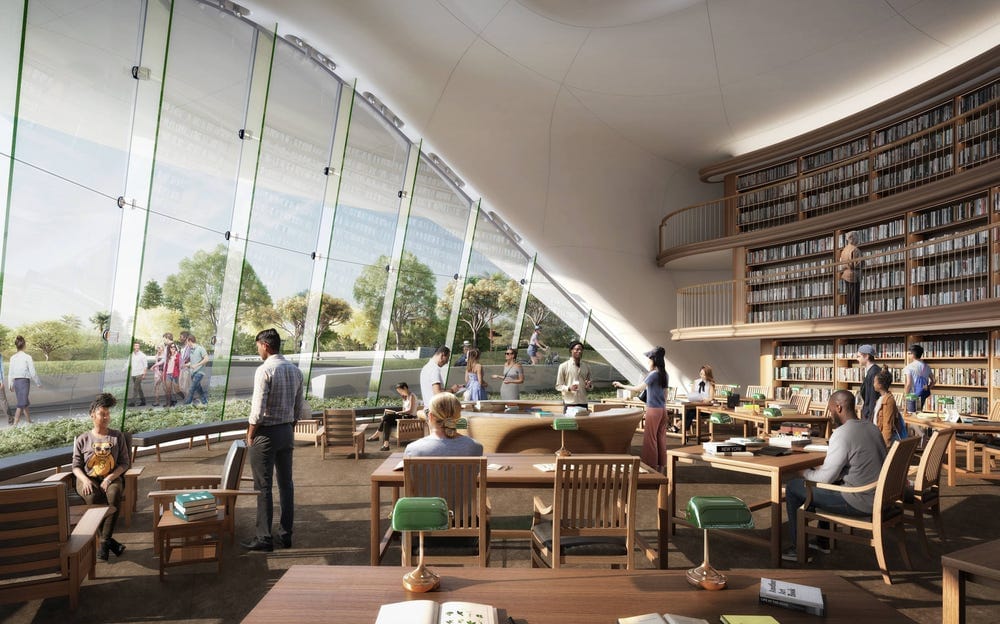
The museum's experience extends beyond the galleries. Its research library offers resources for exploring art history, illustration, cinema, folklore, literature, photography and popular culture. The library is open to visitors free of charge, providing an additional opportunity for learning and research.
The surrounding park and gardens create space for visitors to gather, enjoy the outdoors and experience public art. Together, the building and its grounds offer a destination for education, reflection and cultural engagement.
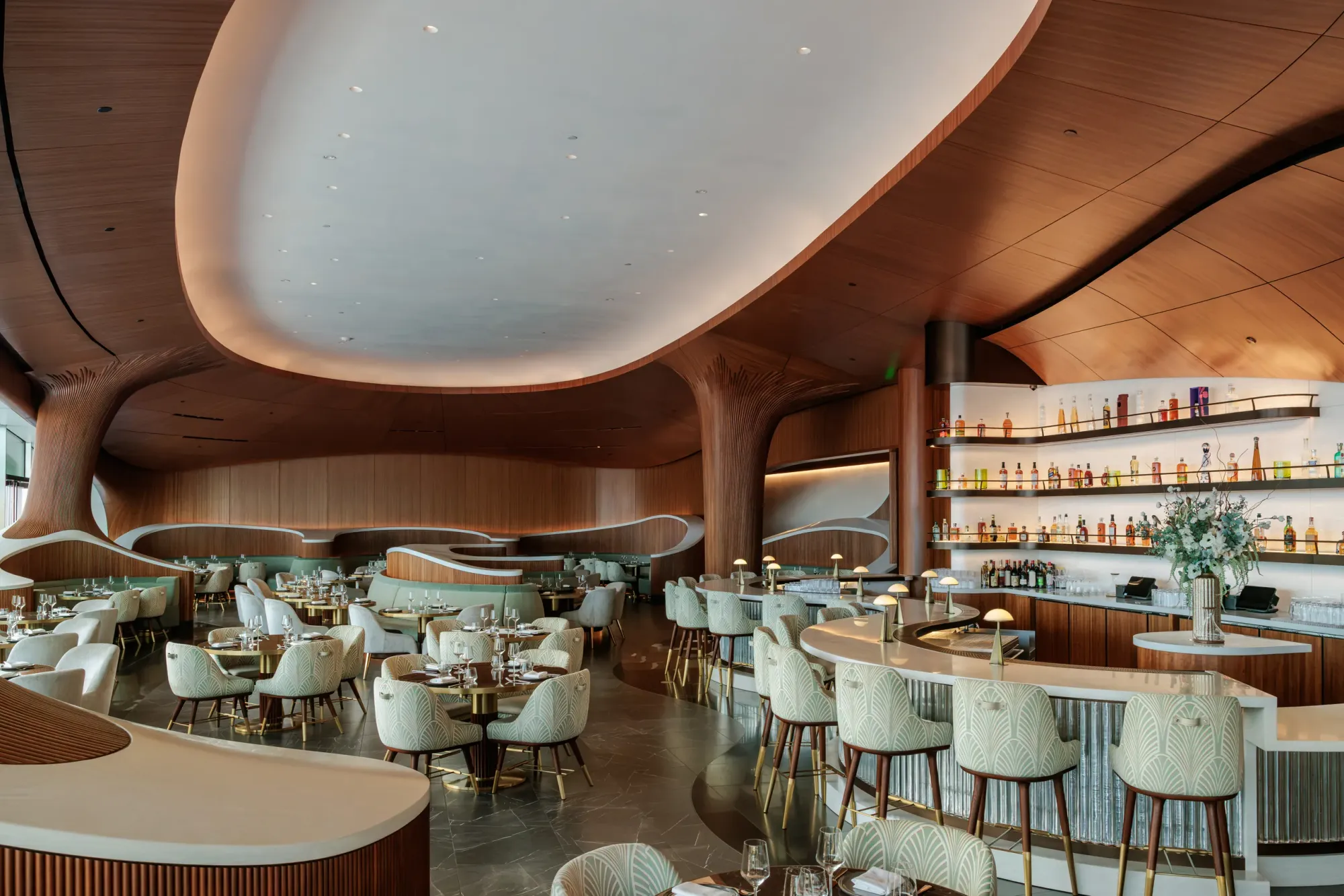
For those planning an extended visit, Skywalker Grill provides a place to stop for a meal and recharge before returning to the galleries. With so much to see, allowing time for a break can make the experience more enjoyable.
The museum's scale encourages visitors to take their time. Rather than attempting to absorb everything at once, it is worth slowing down, looking closely at individual works and considering the stories behind them.
That sense of discovery is part of what makes museums valuable. They create environments where curiosity is encouraged, questions can emerge and people with different perspectives can encounter the same work and find meaning in different ways.
The Stories We Choose To Preserve
My visit to the Lucas Museum of Narrative Art was a reminder that storytelling is far more than entertainment. It is one of the ways people preserve culture, communicate values, document history and create connections across generations.
The images we save and the artists we recognize influence how future generations understand the world. They help determine which experiences remain visible and which voices become part of our collective memory.
That responsibility makes institutions devoted to art and cultural preservation especially important.
For me, the museum's greatest strength is its invitation to look more closely. It asks visitors to consider not only what an image shows, but also what it communicates, whose perspective it reflects and why the story matters.
A special thank you to the Lucas Museum of Narrative Art for a wonderful tour and to the amazing staff for their warm welcome and hospitality. Their knowledge and enthusiasm helped make the visit a memorable experience.
Admission is $25 for adults and $21 for seniors ages 65 and older. Children ages 17 and under are admitted free, with timed entry reservations required. Visitors should check the official website for current ticketing information and visiting details.
For more information and to plan a visit, go to lucasmuseum.org.
Art allows us to encounter the world through another person's eyes. At its best, it expands our understanding, deepens our appreciation of one another and reminds us that every community has stories worth preserving and sharing.