Atlanime Fest Is Building a Home for Black Anime Fans in the Heart of Atlanta
– 6 min read





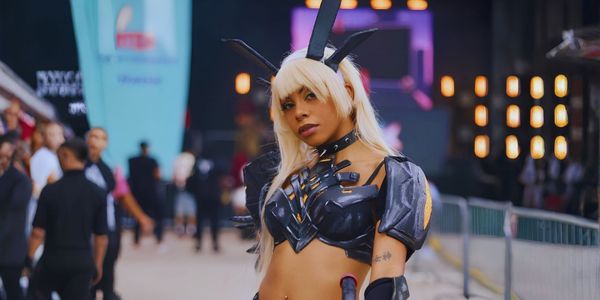
What began as a small Trap Sushi party has grown into a four-day celebration of anime, hip-hop, gaming, fashion, and the Black creatives who have made all of it their own.
There are some events that could probably happen in any major city and still make sense. Atlanime Fest is not one of them. After talking with founder Tolden “Troop” Williams, it becomes clear that Atlanta is not simply the city hosting the festival. Atlanta is part of the reason the festival exists in the first place. The Morehouse graduate moved to Atlanta from Mississippi and remembers being struck by something that can be easy to take for granted when you have lived here for years: Black people were successful everywhere he looked. There were Black entrepreneurs, executives, artists, entertainers, professionals and creatives building lives that made him rethink what was possible for his own.
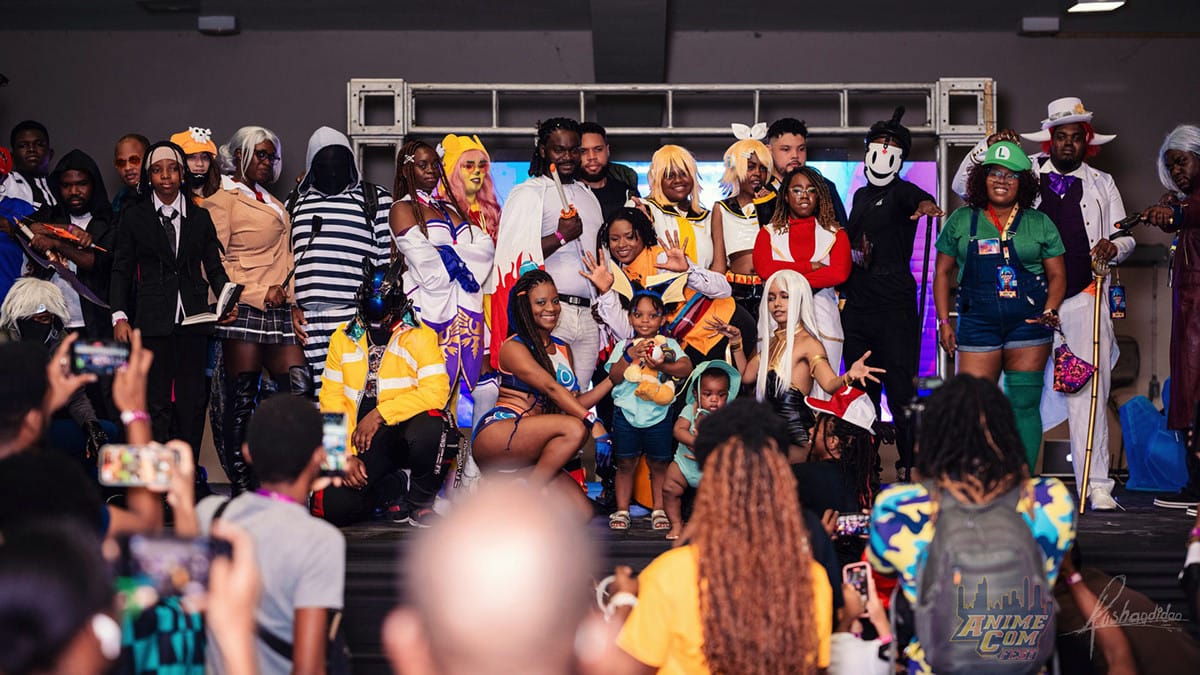
For Troop, Atlanta was aspirational. Moving here changed the way he saw success because he was surrounded by Black people doing well in virtually every area of life, and that exposure opened up an entirely new world for him. It also gave him something else he had not necessarily found before: his tribe. Anime had long been something he loved, but in Atlanta he began discovering just how many other Black people shared that same passion. They loved anime, hip-hop, gaming, fashion and culture, often all at the same time, and eventually that community would become the foundation for something much bigger.
Atlanime Fest actually began with a party called Trap Sushi, which Troop founded alongside Stephanie Williams in 2020. The first Trap Sushi event reportedly attracted only 25 people, but the idea clearly touched something that had been waiting for a place to live. Within three years, those gatherings were drawing crowds of around 2,500 Black anime fans, gamers and creators. By 2025, the concept had evolved into Atlanime Fest, which welcomed thousands of attendees during its inaugural year. Now, only a year later, Atlanime has expanded into a four-day festival running October 15 through October 18 across Underground Atlanta and Monday Night Garage.
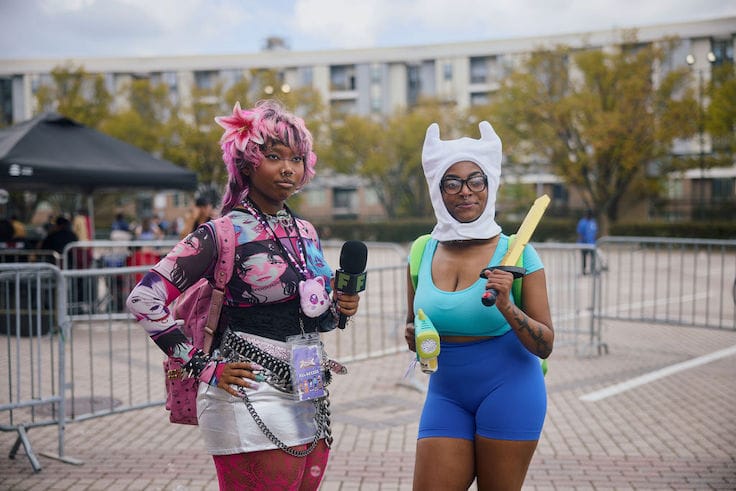
That growth is also where Eli Watkins, CMO and Managing Partner of Atlanime Fest, comes into the story. Watkins sees the festival not only as an entertainment experience, but as a platform for visibility, opportunity and scale. As the event expands, his focus has been on making sure the growth still reflects the community that made Atlanime possible in the first place. For Watkins, that means giving Black animators, creators, gamers, designers and artists a larger stage while also building Atlanime into something that can attract audiences well beyond Atlanta.
Watkins has also emphasized that representation is a major part of the festival’s mission. Atlanime is creating spaces where younger Black creatives can actually see people who look like them working in animation, content creation, gaming and other industries that have not always made those pathways visible. That thinking is reflected in programming like the Black Animators Panel and the Content Creator Incubator, both of which are designed to go beyond entertainment and create real access. More than 300 creators applied for this year’s incubator, with 100 accepted and a smaller group selected for mentorship from established creators.
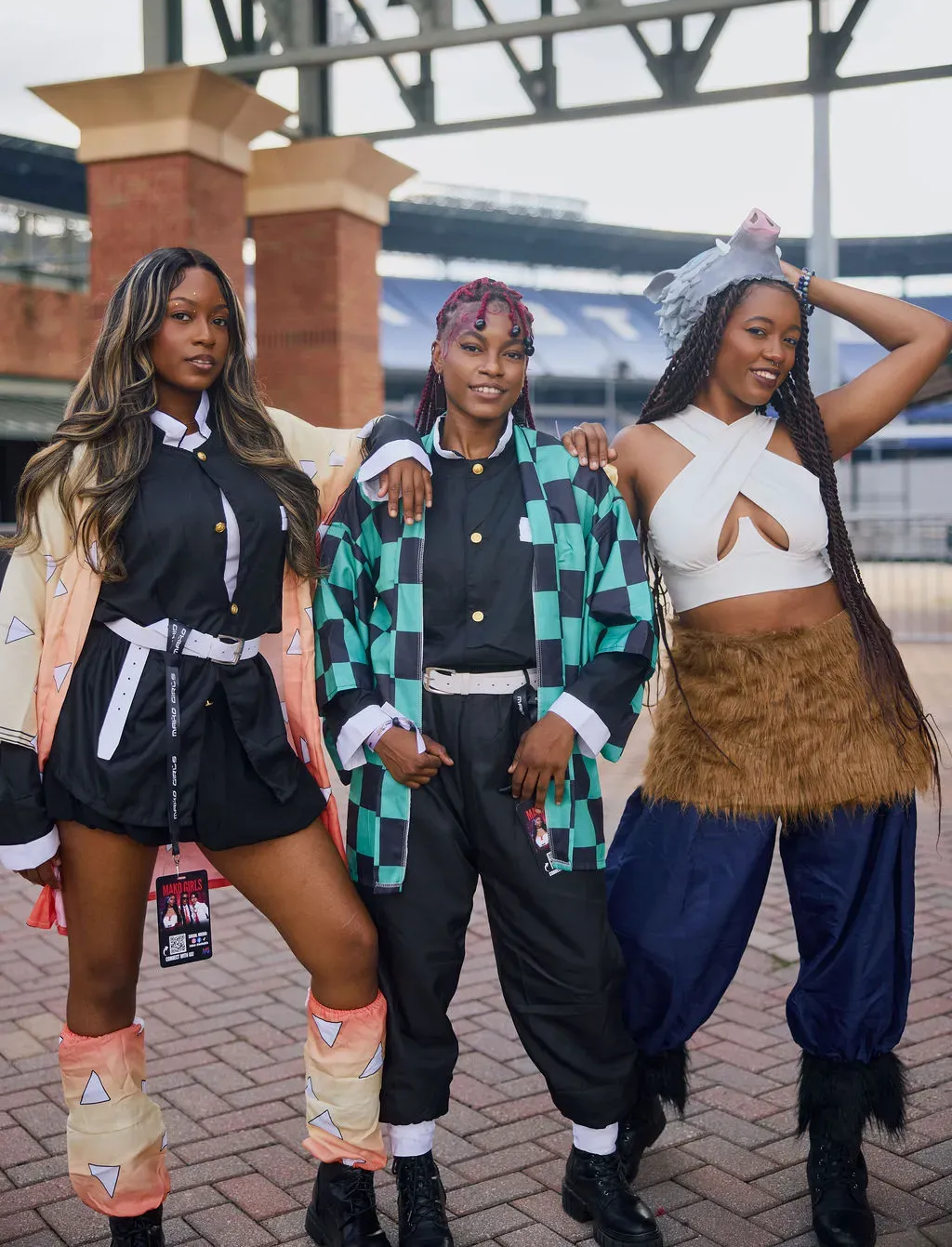
That balance between community and expansion is part of what makes Atlanime interesting. Troop’s story is deeply personal, rooted in finding belonging after moving to Atlanta, while Watkins is helping shape what that belonging looks like at a much larger level. Together, they are building something that feels less like a traditional convention and more like a cultural ecosystem. People can come for the music, fashion or gaming, but they can also meet collaborators, discover new career paths and see themselves reflected in spaces they may have once felt disconnected from.
For many Black anime fans, that sense of belonging matters. Anime was once treated like something outside of traditional Black culture, even though countless Black kids grew up watching Dragon Ball Z, Naruto and other anime right alongside BET, music videos and everything else shaping popular culture at the time. Today, the overlap is impossible to miss. You hear anime references throughout hip-hop, see its influence in streetwear and fashion and watch Black cosplayers, artists, animators and content creators build massive audiences around a culture they have been part of for years.
Troop said that is exactly what Atlanime is supposed to celebrate. He describes the festival as a place where people can come enjoy themselves, learn something new and, maybe most importantly, find their own tribe. That last part feels especially important because Atlanime is not simply attempting to recreate the traditional convention experience with a different audience. The festival feels rooted in the way Black culture naturally blends interests together. You can go from anime to trap music, from cosplay to sneakers, from gaming to fashion and never feel like you have left the same cultural conversation.
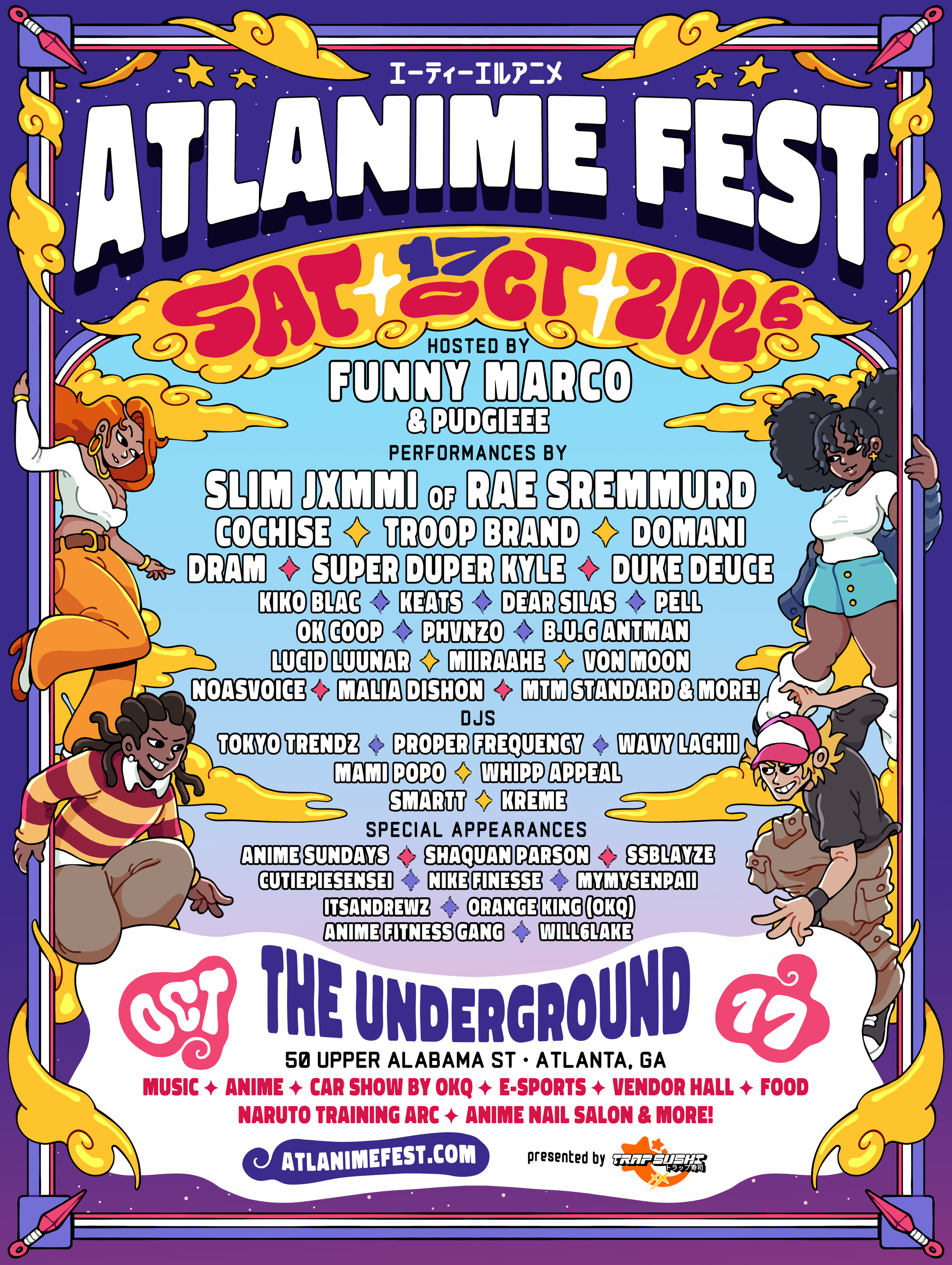
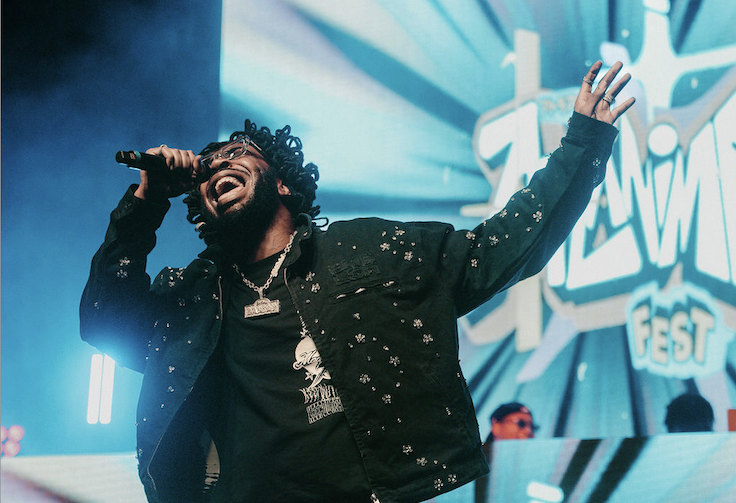
This year’s lineup reflects that mix. Funny Marco will serve as headlining host alongside co-host Pudgieee, while Slim Jxmmi of Rae Sremmurd, Cochise, DRAM, Duke Deuce, Domani, Super Duper Kyle, Troop Brand and several other artists are scheduled to perform. The four-day weekend also includes gaming tournaments, a Black Animators Panel, a live taping of No Spoilers, a Content Creators Panel, The Fashion Arc fashion show and a celebrity soccer game. There will also be esports, vendors, food, an anime nail salon, car culture and several additional events happening throughout the weekend.
The Black Animators Panel may be one of the most important additions because it helps connect the fun of the festival to something bigger. Professionals whose credits include projects connected to Jujutsu Kaisen, MAPPA and NieR:Automatawill talk about their careers and give attendees a look at what it takes to enter the animation industry. That kind of access is exactly the type of programming Watkins has pushed as Atlanime grows, making sure the festival is not only asking people to show up and consume culture, but also giving them tools to imagine themselves creating it.
There is something especially fitting about all of this happening in Atlanta. The city has spent decades proving that Black culture does not have to ask permission before becoming mainstream culture. Hip-hop, fashion, television, film, entrepreneurship and social media have all been shaped by Atlanta’s willingness to create its own lanes rather than wait to be invited into someone else’s. For Troop, who first arrived in the city and saw successful Black people everywhere, bringing Atlanime somewhere else almost feels contrary to the story. Atlanta gave him the opportunity to imagine bigger, meet people who shared his interests and eventually create a space where thousands of others could experience that same feeling.
Atlanime Fest returns October 15 through October 18, with its main festival day taking place Saturday, October 17, at Underground Atlanta. Weekend programming will also take place at Monday Night Garage, along with separately ticketed parties and themed experiences throughout the city. More than anything, though, the weekend is shaping up to be one big reminder that finding your people can change the trajectory of your life. Troop found his tribe in Atlanta, and with Watkins helping expand the vision, Atlanime Fest is making sure thousands of other Black anime lovers have a place to find theirs too.