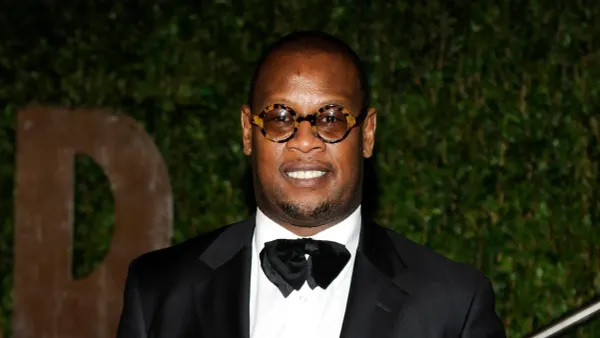
Robert Pope Kept Moving Even When He Couldn’t See What Was Next

– 8 min read





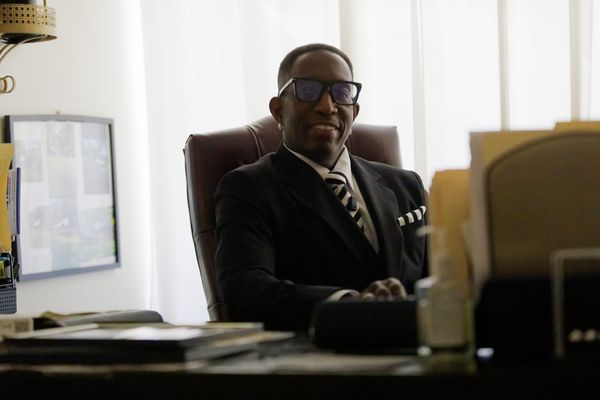
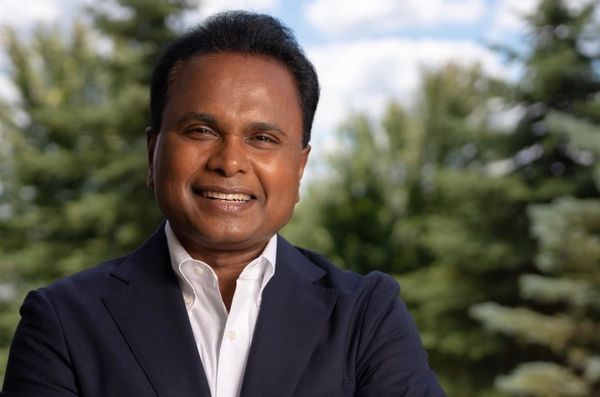
Robert Pope can tell you about leaving jobs, starting over, sleeping in his car, making eight dollars an hour after earning a comfortable salary, building a business before he really had all the pieces and watching that business survive economic shifts that could have easily taken it under. What makes his story special, though, is that he does not tell it like a man trying to convince you that he had everything figured out. Quite the opposite. Much of Robert Pope’s life has been about moving forward while still figuring things out along the way.
The owner of Inviting Events in Snellville, Georgia, Pope has spent decades in hospitality, but this was not some childhood dream he carefully mapped out. Growing up in Memphis, Tennessee, he was raised in the church and once thought he might become a preacher. He attended David Lipscomb College in Nashville with ministry in mind, but it did not take long for him to realize that was not his path. He returned home, enrolled at Memphis State University and started trying to understand what his life was supposed to look like.
Life did not give him much time to figure it out slowly. Pope became a father at a young age, and with fatherhood came the reality that he had responsibilities whether he felt completely prepared for them or not. By 21, he was already managing restaurants and supervising people older than he was. He was learning how to manage food costs, employees, customers and personalities, but he was also learning something about himself. He could lead, make decisions and walk into a situation, pay attention and figure out what needed to happen next.
Eventually, Memphis began to feel too small for where he believed his life could go. He was tired of restaurant management, the city was changing around him during the crack cocaine era, and something inside him told him it was time to move. So he packed his car and drove to Atlanta without a network waiting on him, without family already established there and without any guarantee that things would work out. His first night in Atlanta, he slept in his car, and that one detail says so much about the Robert Pope story because there was nothing glamorous about the beginning.
He was not walking into Atlanta as a successful businessman with investors and connections. He was a young man betting on himself, trying to create something from very little. The next day, he made his way to the Butler Street YMCA, eventually found a room and began putting his life together one decision at a time. He had transferred into a position at the Hyatt Regency as a room service waiter, but Robert being Robert, he did not stay in one place long.
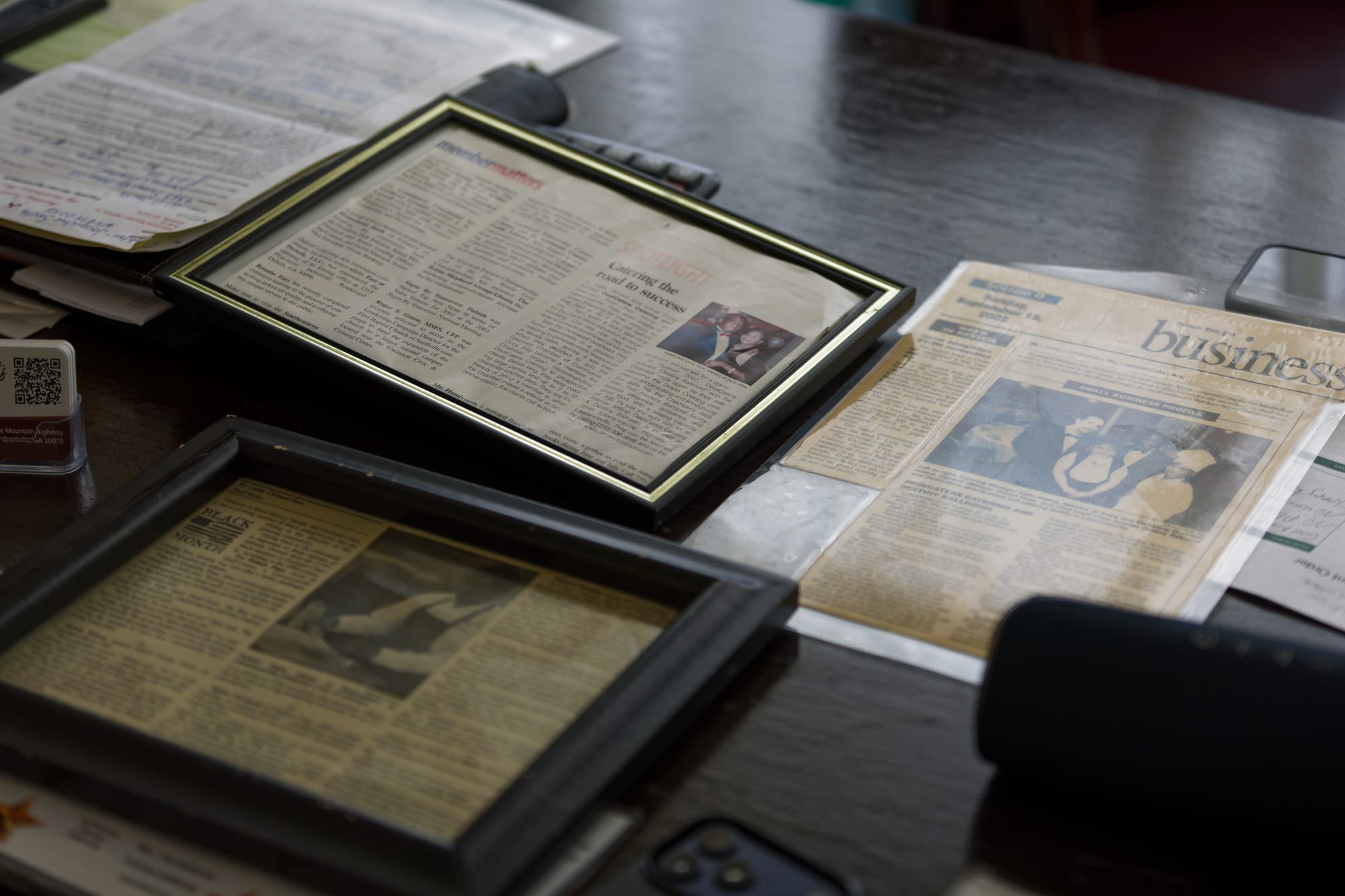
His ability to lead and understand hospitality became obvious, and before long he was working banquets and eventually serving as a banquet maître d’. That career put him in rooms with people like Muhammad Ali and former President Jimmy Carter, but more importantly, it began showing him that all the things he had learned in restaurants could take him much further than he originally imagined. Atlanta was giving him a different kind of education, one that blended hospitality, leadership, service and instinct.
Years later, one of the biggest turning points in his life came because he got frustrated enough to leave a well-paying job. At the time, Pope was earning roughly $75,000 a year, which was real money, especially for a man with a wife and children depending on him. He walked away anyway, but he refused to go home and tell his family he had quit without having some kind of plan. On the way home, he stopped at a private banquet facility called the Grand Ballroom and got a job that same day.
The new job paid about eight dollars an hour, and going from $75,000 a year to eight dollars an hour could easily have felt humiliating. It could have looked like proof that he had made a terrible decision, but Pope walked into that building and started paying attention. He watched how the facility operated, noticed what worked and what did not, and saw places where he believed his years of restaurant and hotel experience could make things better. Most importantly, he realized that even without some of the operational knowledge he possessed, the owners were making money.
That got his attention, and before long, Pope went home and told his wife, “We can do something like this. We can do this.” His wife, whom he had met while working at the Hyatt Regency, was a pastry chef, and between the two of them, they knew food, hospitality, presentation and customer service. They had the skills. What they did not have was a fully developed company with a warehouse full of equipment and money sitting around waiting to finance a new business.
So Pope started anyway. He put menus together, took pictures of buffet displays he had created, put on his tuxedo and began walking through Atlanta-area business parks introducing himself and talking about his catering company as though it was already everything he believed it could become. In reality, he was still building it, and when customers placed deposits, Pope used the money to purchase what he needed for their events.
One deposit might buy chafing dishes, while another could pay for supplies. Every customer helped him build a little more of the company he had already seen in his mind. There is something beautifully simple about the way Pope remembers that period because he does not spend much time talking about fear, although it had to be there. Instead, he talks about faith.
“I never looked at how difficult or how big of a mountain it actually was,” he says. “It was just blessed. That energy was blessed.”
That belief carried the business from the family home into a commercial kitchen and eventually into something his children grew up working inside. His sons washed dishes, helped with events and watched their parents build something from the ground up. Decades later, they are still connected to the business, which means Inviting Events became more than Robert Pope’s entrepreneurial accomplishment. It became part of his family’s history.
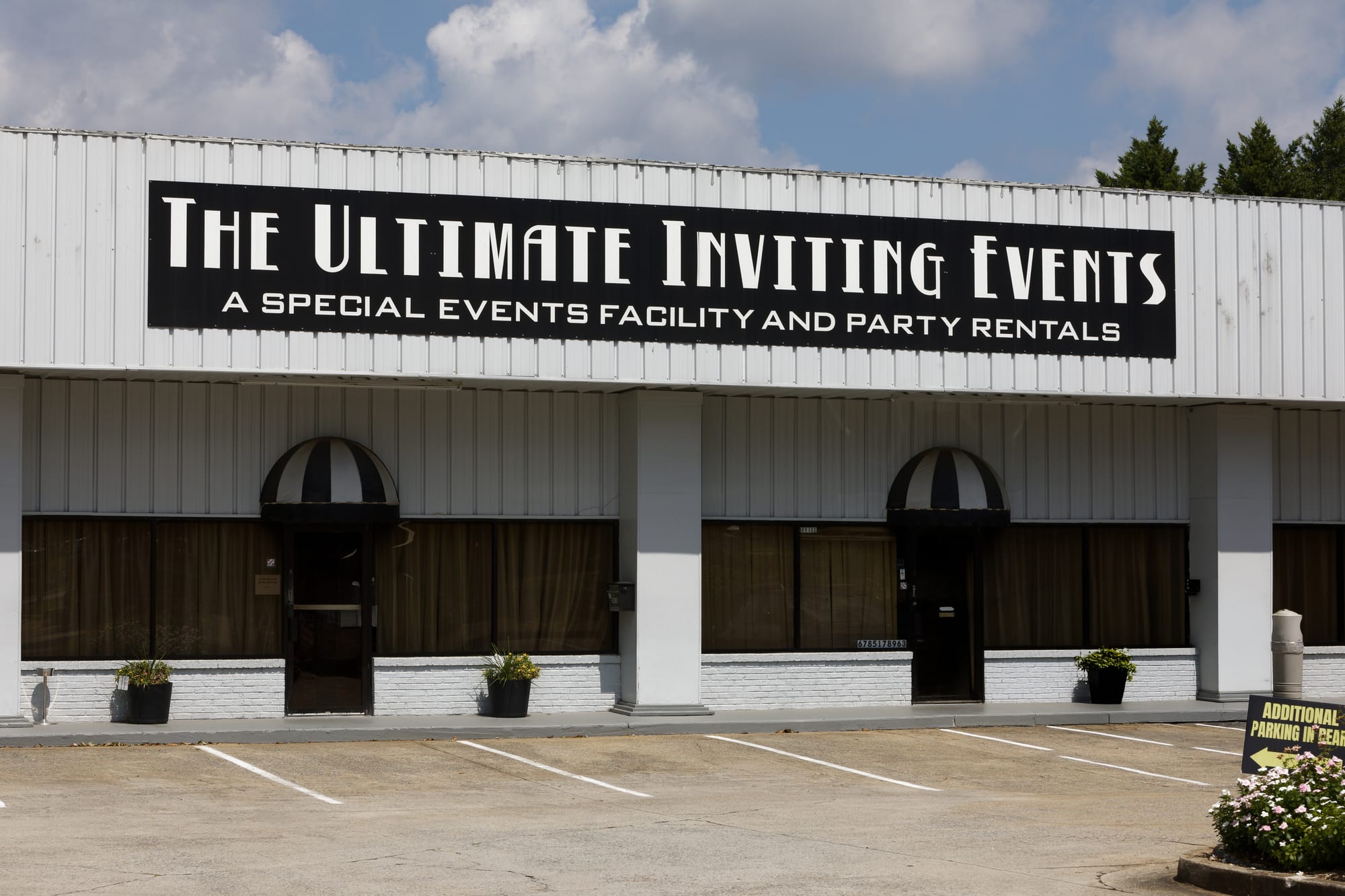
Of course, staying in business for decades means surviving seasons that do not care how hard you worked to get there. After September 11, 2001, corporate catering changed dramatically, and companies pulled back on spending. Pope had already been thinking about expanding into social events, so he adjusted. Around the 2008 economic downturn, the market shifted again, and once again he had to change with it.
There were moves into social events, an expansion into Loganville and eventually the opportunity that led to Inviting Events in Snellville. Every transition required sacrifice, and every transition required Pope to release something familiar before reaching for something new. When he talks about those changes, he uses an analogy that probably explains his life better than any business textbook ever could.
He talks about Tarzan swinging from vine to vine. “The momentum has to carry him to the next one,” Pope says. “And in order to grab that one, he has to let that one go first. And that little space in the middle is faith.” Anybody who has ever had to start over understands exactly what he means, because there is a moment when you have let go of the thing you knew but have not quite reached the next thing yet.
You are suspended somewhere between what was and what you hope is coming, and Robert Pope has lived in that space more than once. Maybe that is why he does not seem particularly impressed by competition today. The event industry around Snellville is far more crowded than it once was, with more venues, more options and more people fighting for the same customers. Pope’s response has not been to panic or simply raise prices, but to make sure people feel like they received something worthwhile.
He believes in value, and he believes in paying attention to what customers need, what the business needs and what the moment requires. Even his approach to slower seasons reflects that. If running a promotion brings people through the doors and keeps cash moving, pride is not going to stop him from doing it. He would rather respond to reality than pretend reality does not exist.
That habit of paying attention has become one of his biggest lessons for the people who work with him. “You should detect and react to the stimulus,” he says. “If you saw it and didn’t put it in place, you were ineffective.” It sounds like business advice, but it is really life advice too, because seeing what is happening around you means very little if you are unwilling to respond to it.
Pope responded when Memphis no longer felt like home. He responded when an eight-dollar-an-hour job revealed an opportunity. He responded when the economy changed, and he responded every time life made it clear that standing still was no longer an option. That ability to move when the moment called for it may be one of the greatest reasons he is still here, still working and still thinking about what comes next.
Now, as he approaches 65, his idea of what comes next has changed. The goal is not necessarily another building or a bigger footprint. Pope has begun thinking about what it might look like to share the lessons he has collected through all these years, and YouTube, podcasting and short-form digital content are among the possibilities. The conversations would center around business, faith and life, but for him, that feels less like another business venture and more like a calling.
Faith has become increasingly important to Pope in this season of his life. Success can make any of us start believing we did everything ourselves, and Pope openly acknowledges that he has had to reconnect with the spiritual foundation that was there long before the businesses, the events and the accomplishments. He has started thinking more deeply about the difference between accomplishment and purpose, and his definition of success has evolved right along with it.
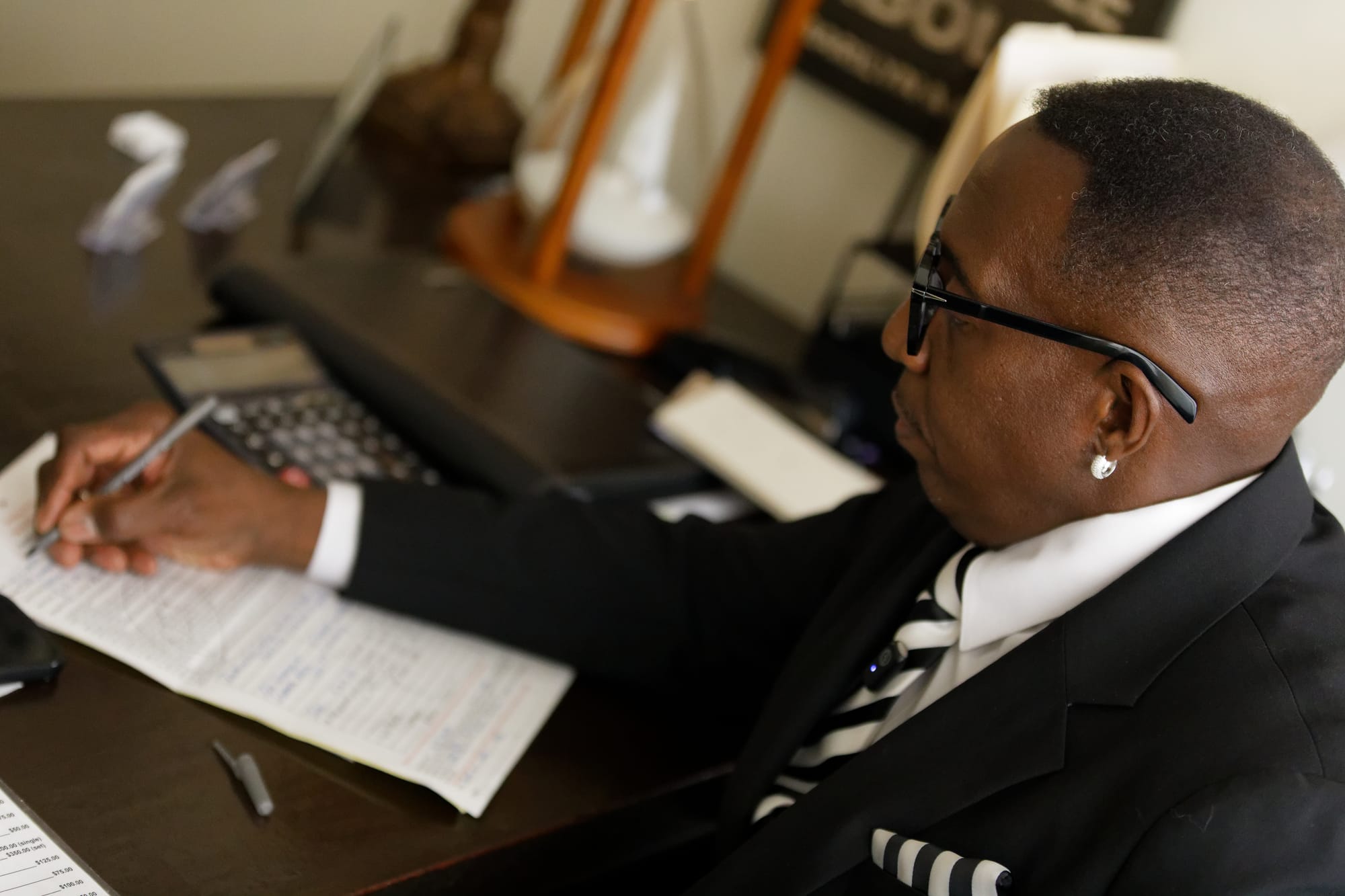
For Robert Pope, success is no longer simply about money, even though he understands how necessary money is. It is having enough so that every decision is not controlled by the fear of not having enough. It is having peace, maintaining relationships and being able to slow down long enough to sit outside, enjoy nature, listen to somebody who needs you, help when you can and stay quiet long enough to hear whatever God may be telling you next.
“The point is to have enough money not to have to worry about money,” he says, and there is a freedom in that definition that probably only comes after you have spent enough years chasing everything else. Robert Pope’s life does not read like the story of someone who always knew exactly what he was doing, and that may be the most encouraging part of it. He knew when something was no longer working, when it was time to move and how to recognize an opportunity when it showed up looking nothing like the opportunity he expected.
Sometimes that opportunity looked like a room at the YMCA, and sometimes it looked like an eight-dollar-an-hour job. Sometimes it looked like a catering deposit that could finally buy another set of chafing dishes, and sometimes it looked like letting go of one vine without being completely sure he could reach the next one. None of those moments looked glamorous while he was living them, but together they became the story of his life.
“Just don’t be afraid to try things,” Pope says. “There’s only one ending to the story. You come here with nothing, and you leave with nothing. So play ball.” For Robert Pope, the lesson was never about knowing exactly where the journey would end. It was about trusting himself, trusting God and having enough courage to keep moving when the next step was the only thing he could see.