Tel K. Ganesan: Building Businesses Without Boundaries
– 4 min read






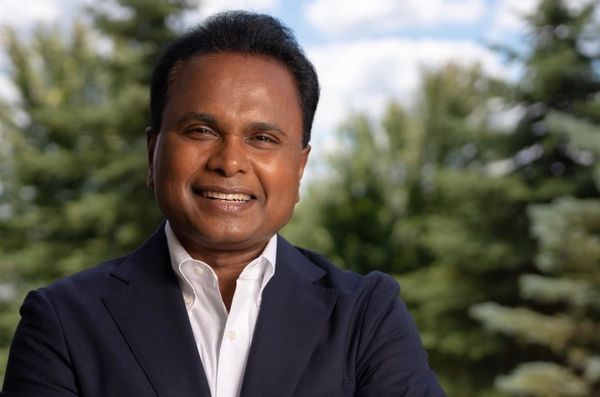
One of my favorite parts of interviewing entrepreneurs is discovering what drives them long before success arrives. While every Goal Getters conversation is unique, my interview with serial entrepreneur Tel K. Ganesan reminded me that extraordinary careers are often built on one simple trait—curiosity.
Meeting Ganesan, it quickly became apparent that he doesn’t view business the way most people do. He sees opportunity where others see uncertainty, and he embraces unfamiliar territory with the confidence of someone who believes growth only happens outside of comfort zones.
Originally from India, Ganesan’s journey to America was fueled by a lifelong passion for automobiles. That passion eventually landed him in Detroit, where he began his career with Chrysler. Like many professionals, he built a successful corporate career that offered stability, benefits, and security. Yet despite everything that came with that position, something continued pulling at him.
He shared that after more than a decade in corporate America, he realized, “My destiny wasn’t really in my own hands. Every few years a new manager came in, and I had to prove myself all over again. I knew there had to be a better way.”
Rather than allowing fear to dictate his future, Ganesan began asking himself a question many aspiring entrepreneurs never answer: What if I actually tried?
What impressed me wasn’t simply that he wanted to become an entrepreneur—it was how thoughtfully he prepared for the transition. Before resigning, he spoke with his supervisor, ensuring that if things didn’t work out, the door would remain open.

“The worst thing that could happen,” he told me, “was I could come back and do the same job. But if I never tried, I’d never know what was possible.”
That mindset became the foundation of everything that followed.
Instead of chasing random opportunities, Ganesan built his first company around something he already understood. He returned to Chrysler—not as an employee this time, but as a business owner. Leveraging years of relationships and proven performance, he secured his former employer as his first client.
Listening to him explain those early days reinforced something many successful entrepreneurs eventually discover: your first opportunity often comes from the reputation you’ve already built.
As his company grew, Ganesan began acquiring struggling businesses, transforming them into profitable operations. Rather than seeing failure, he saw unrealized potential. Every company had problems, but he believed every problem also represented value waiting to be unlocked.
What fascinated me most during our conversation was how naturally he moved from one industry to another. Engineering eventually led to technology, then entertainment, music, film, fashion, wellness, and now beauty.
Most people would view entering so many industries as risk.
Ganesan views it as learning.
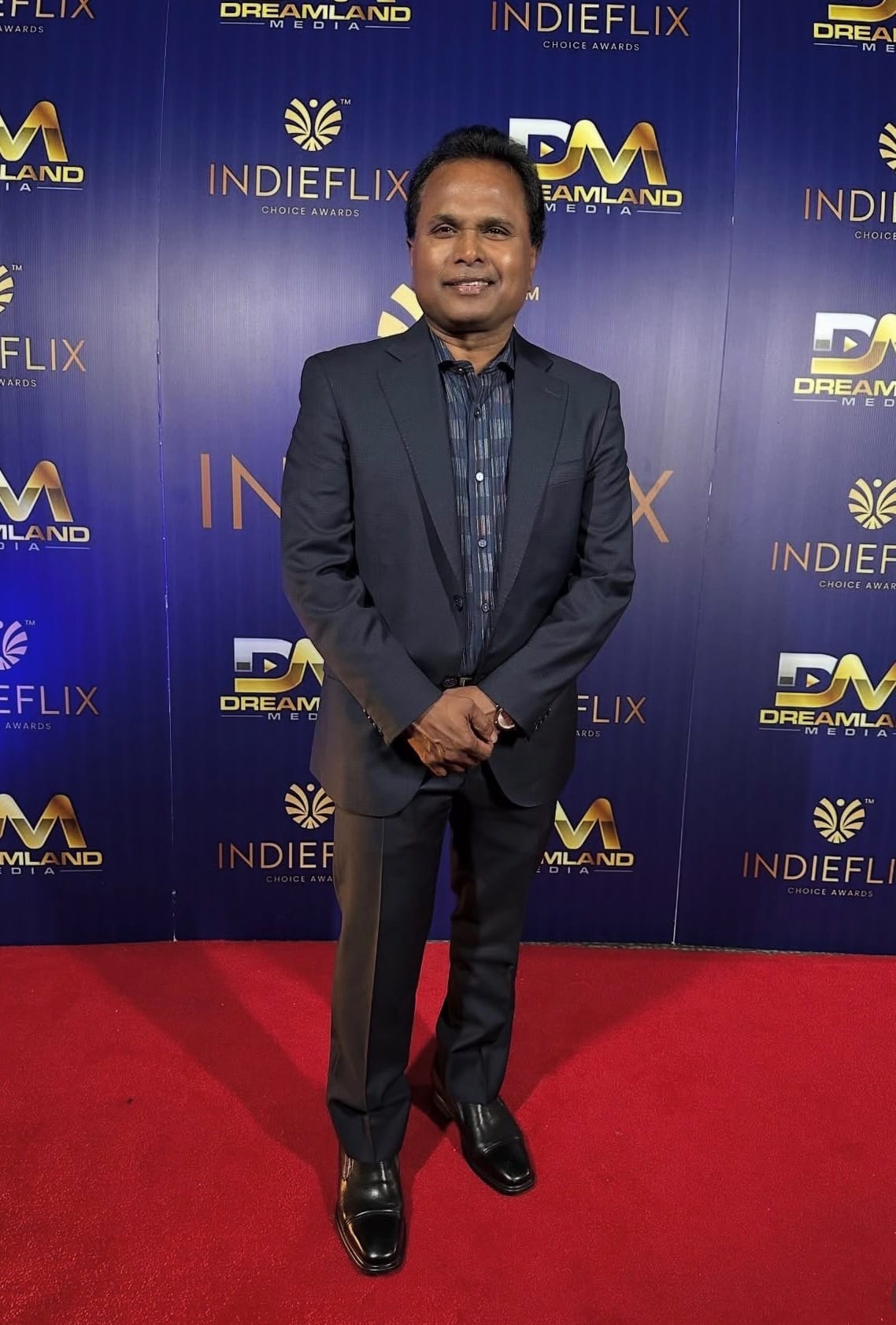
“Business principles stay the same,” he explained. “Whether it’s film, music, technology, or beauty, it’s still a business. The creative side may change, but leadership, discipline, systems, and execution never do.”
That philosophy allowed him to enter Hollywood without decades of filmmaking experience. Rather than pretending to know everything, he became a student.
He intentionally learned from directors, producers, writers, marketers, and production managers. Every project became another classroom. Instead of competing immediately, he absorbed knowledge until he understood every moving part.
That commitment eventually led him to produce Trap City, a theatrical release that later became one of the top trending films on Starz.
As I listened to him describe the process, what stood out wasn’t the success of the film itself—it was his respect for continuous learning. Even after building multiple successful companies, he still approached new industries with humility.
That willingness to learn may be one of his greatest competitive advantages.
Success, however, isn’t measured solely by business growth in Ganesan’s eyes.
“Impact is success to me,” he said. “Financial success allows you to do bigger things, but if your work isn’t making people’s lives better, you’re missing the point.”
That perspective extends well beyond business.
Whether discussing his upcoming podcast, Mind Trap, or his newest venture in ethically sourced South Indian human hair, every project seems connected by a deeper purpose. His goal isn’t simply to launch another company; it’s to create meaningful value while inspiring others to think differently.
Our conversation eventually shifted toward giving back, and once again his philosophy challenged conventional thinking.
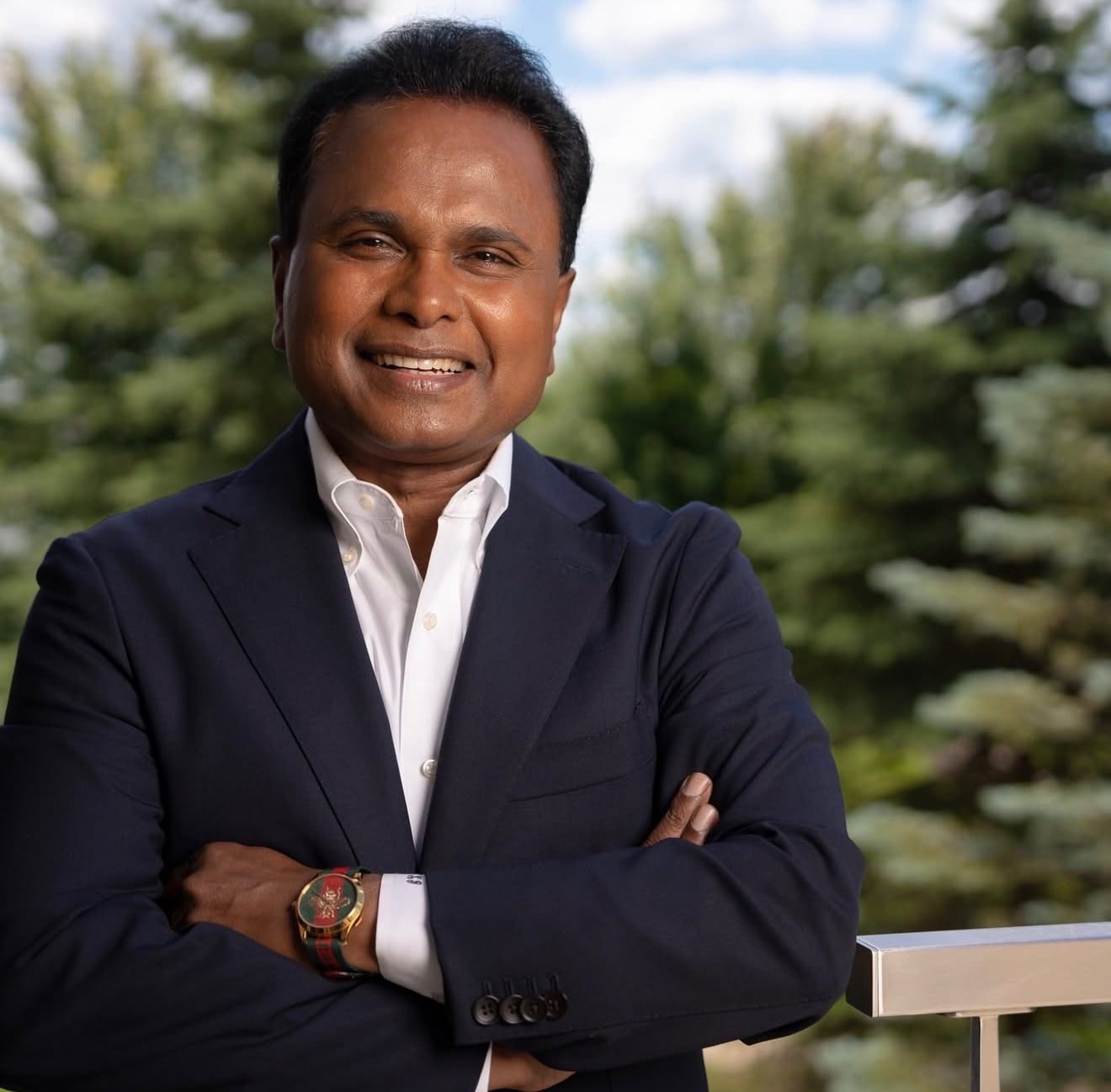
“As I give more, I actually receive more,” he shared. “Sometimes giving isn’t money. It’s knowledge. It’s experience. It’s helping someone avoid mistakes you’ve already made.”
I found that perspective especially refreshing in an entrepreneurial culture that often celebrates individual achievement over collective growth.
Perhaps what inspired me most was Ganesan’s refusal to let fear define his future. He doesn’t pretend failure isn’t possible. Instead, he refuses to give failure the final word.
His story isn’t simply about building successful companies. It’s about refusing to become trapped by limiting beliefs. It is about trusting that preparation, persistence, and faith can carry you into spaces where others believe you don’t belong.
As our conversation concluded, I walked away with a renewed appreciation for what entrepreneurship truly represents. It isn’t about mastering one industry before moving to another. It’s about mastering yourself—your discipline, your curiosity, and your willingness to keep learning.
For Tel K. Ganesan, business has become more than a career. It has become a lifelong pursuit of growth, service, and impact. His journey reminds us that success doesn’t belong exclusively to the most talented person in the room. More often than not, it belongs to the person who is willing to stay hungry, remain teachable, and never stop believing that the next opportunity is waiting just beyond the limits of comfort.