The Beauty of Black Summer

– 3 min read







There was a time when summer meant trying to hide from the sun instead of embracing it. For many Black girls, every extra shade of brown earned after a day outside came with an unsolicited comment. Hair was expected to be straightened before vacation photos. Afros were considered statements instead of simply hairstyles. Beauty standards often suggested that the closer you looked to someone else, the more beautiful you became.
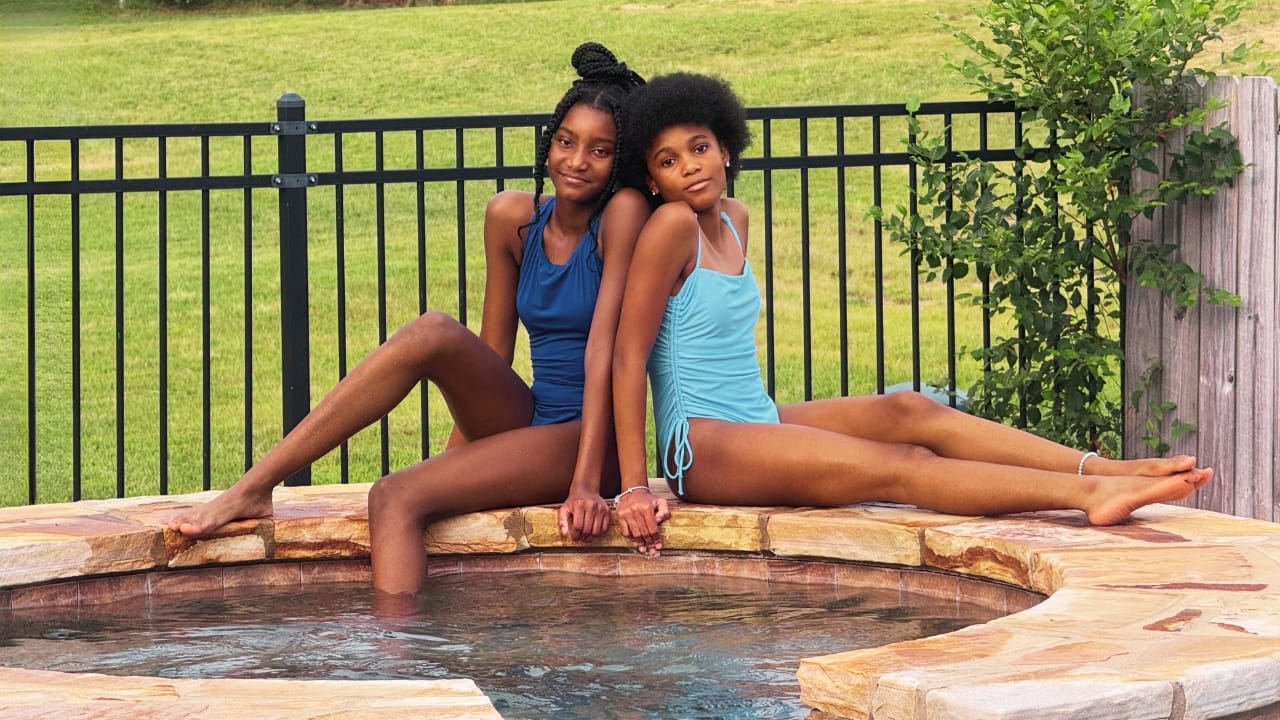
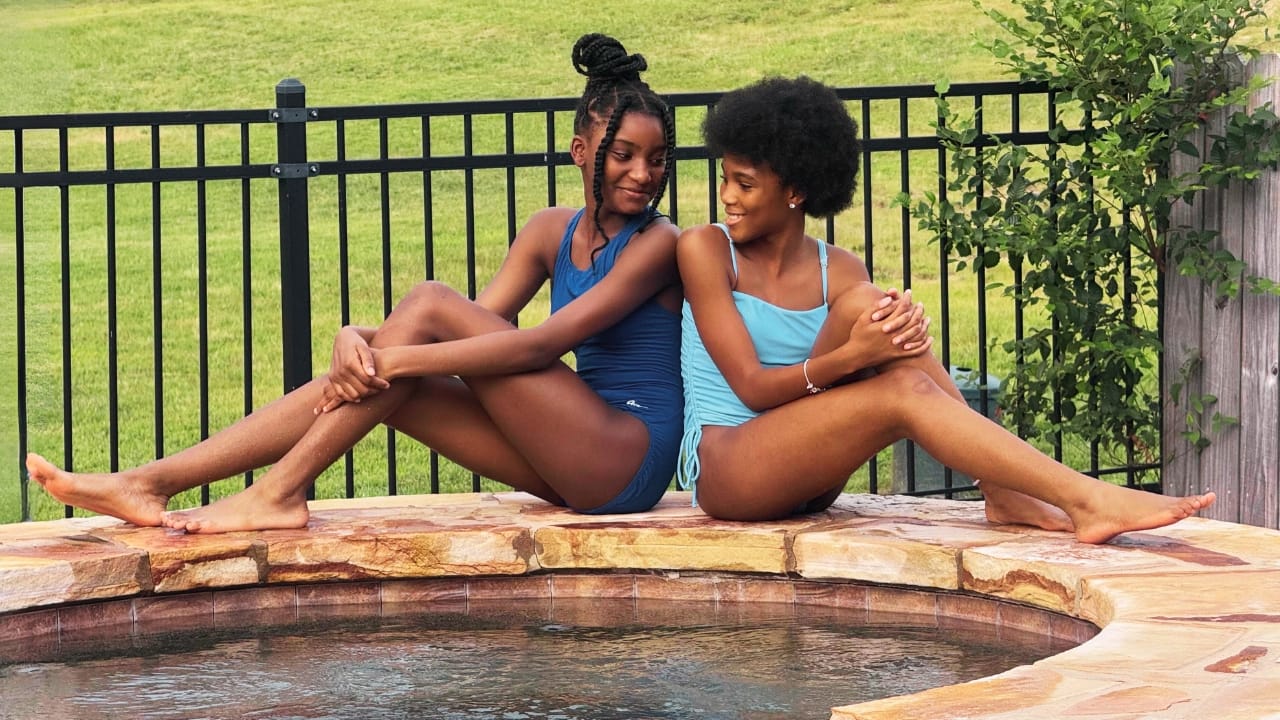
Today, I looked at these two young girls sitting effortlessly by the pool in their natural beauty, and I realized just how much has changed. Their confidence feels effortless because it has been nurtured from the very beginning. One wears her natural afro like a crown. The other wears her braids with the ease of someone who has never been told her hair needed to be “fixed” before she could be considered beautiful. Their rich brown skin glows beneath the summer sky, untouched by insecurity or apology. They aren’t trying to become someone else’s definition of beautiful. They already know they are, and that may be one of the greatest victories of this generation.
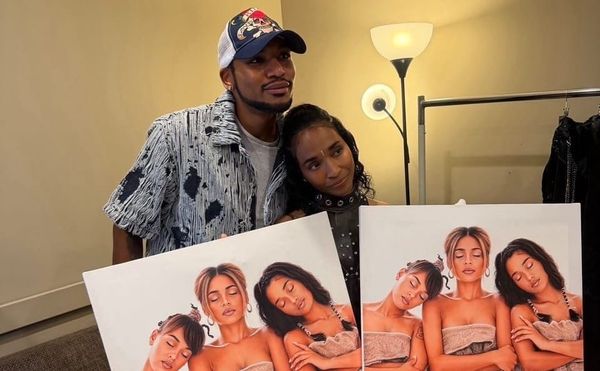
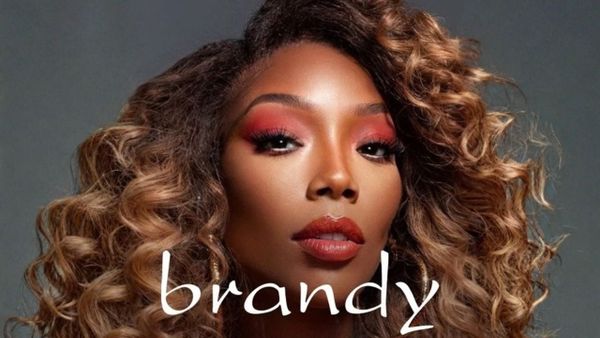
As Patti LaBelle, Brandy, and Monica took the stage together at the Essence Festival this weekend, I couldn’t help but think about the decades that separate their journeys from the lives these young girls are living today. When Patti LaBelle began her legendary career, opportunities for Black women in fashion, beauty, television, and advertising were painfully limited. Even as Brandy and Monica rose to fame, conversations around colorism, natural hair, and representation were only beginning to reach the mainstream. The women who came before them challenged an industry that often celebrated Black culture while refusing to fully celebrate Black women.
Today, the landscape looks remarkably different. Walk through any beauty aisle and you’ll find products created specifically for coils, curls, locs, twists, and protective styles. Magazine covers regularly feature women with deep complexions, freckles, textured hair, and every shade of Black beauty imaginable. Fashion campaigns, cosmetics, and entertainment have become more reflective of the women who have always shaped culture. Brands are finally recognizing what Black women have always known: our beauty was never the exception. It has always been worthy of celebration.
That doesn’t mean the work is finished. Colorism still exists. Eurocentric beauty standards haven’t disappeared, and social media continues to create unrealistic expectations for girls of every race. Yet today’s young Black girls are growing up with something many of us didn’t have. They see women who look like them celebrated every day. They are learning earlier that beauty doesn’t require permission, comparison, or compromise.
Representation matters because reflection matters. When little girls grow up seeing women who share their skin tone, their hair texture, and their features celebrated instead of corrected, they begin believing something previous generations often had to spend years unlearning: they are already enough. That belief becomes part of their identity long before anyone has the chance to convince them otherwise.
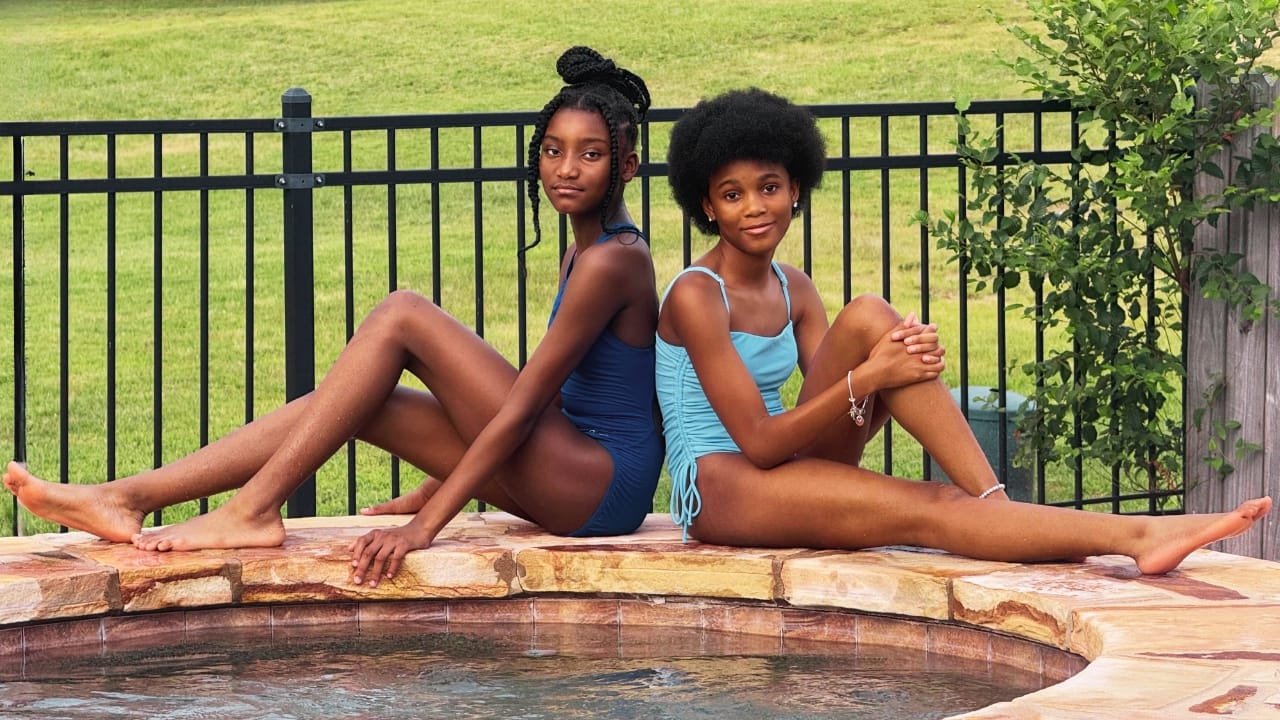
Looking at these two young women standing on the brink of adulthood filled me with a pride that is difficult to describe. They are inheriting a world that still has work to do, but it is also a world where loving their Blackness is no longer considered revolutionary. It is becoming the expectation rather than the exception.
Black summer beauty isn’t just glowing skin, natural curls, or carefree afternoons by the pool. It is the joy of watching a generation of young Black girls inherit confidence instead of insecurity. It is seeing them step into the sunlight knowing their melanin, their coils, their curves, and their culture are not obstacles to beauty but expressions of it. Watching these girls, I realized that perhaps the greatest gift our generation has given the next isn’t simply better representation. It’s the freedom to begin their lives already believing what so many of us had to discover along the way: they have always been beautiful.