History Is Still Catching Up to TLC

– 8 min read






There are moments in theater when you leave talking about the performances, the music, or the beauty of seeing a familiar story brought to life in a new way. Then there are productions that send you home questioning whether history has fully understood the people it claims to celebrate. CrazySexyCool: The Musical did that for me. Somewhere between the music, the laughter, the heartbreak, and the remarkable performances, I realized something that felt both obvious and overdue: history is still catching up to TLC.
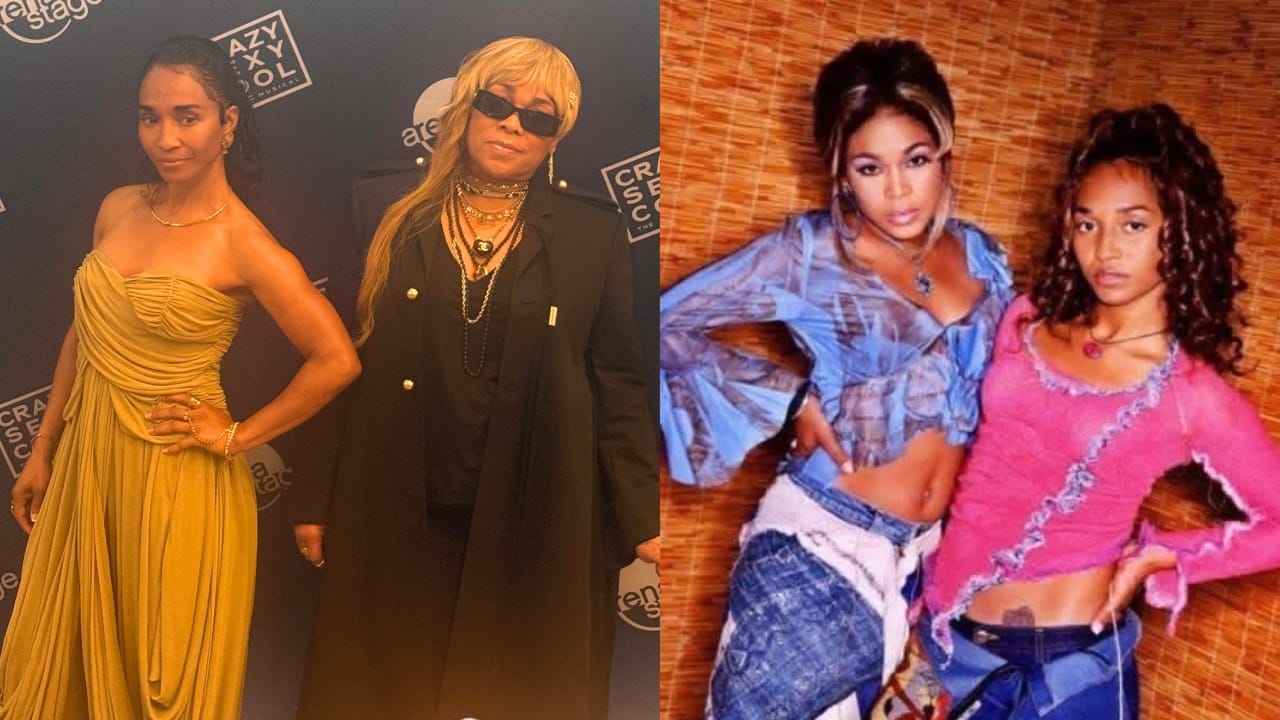
I have spent nearly twenty years working alongside TLC. I have watched performances from backstage, seen rehearsals when no cameras were present, witnessed the documentary, celebrated the biopic, and watched Tionne “T-Boz” Watkins and Rozonda “Chilli” Thomas continue to honor Lisa “Left Eye” Lopes with a grace that is almost impossible to describe. I thought I understood what made this group special. Ironically, it took sitting in a theater watching their story unfold onstage to realize there were parts of their legacy I still had not fully appreciated.
History remembers TLC as the best-selling U.S. girl group of all time. It remembers the Grammy Awards, the diamond-selling albums, the unforgettable hits, the iconic videos, and the fashion choices that helped define an era. But somewhere along the way, we have reduced their cultural significance to statistics and style, as if oversized clothes, condoms pinned to clothing, and record-breaking sales alone explain why they mattered. Those things are part of the story, but they are not the story. What made TLC extraordinary was not simply that they were successful. It was that they became successful without surrendering the values that made them different.
Long before the industry learned how to package female independence as a brand, TLC was already living it. Their feminism was not created in a boardroom, polished by a publicist, or borrowed from a trend. It was not a campaign, and it certainly was not performative. It was simply who they were. They believed women deserved to be heard before they were desired, and every creative decision they made reflected that conviction. In an industry that constantly rewarded women for becoming objects before artists, TLC insisted that their voices, intelligence, humor, creativity, and talent would always be the main attraction.

That still feels radical. Even in 2026, when the language of empowerment is everywhere, the entertainment industry continues to reward women for how available they are willing to make themselves to the public gaze. TLC refused to make their bodies the headline when their artistry deserved top billing. They were three undeniably beautiful women, but beauty was never the product they were selling. Their choreography was not designed to invite objectification. It reflected confidence, athleticism, personality, humor, swagger, and joy. They danced the way they wanted to dance, performed the way they wanted to perform, and gave audiences something far more lasting than fantasy. They gave them identity.
One of the greatest misconceptions about TLC is that their extraordinary crossover success somehow made them less representative of Black culture. I have heard versions of that conversation for years, that because they appealed to audiences around the world, they somehow belonged more to pop music than to Black music. Watching CrazySexyCool: The Musical, I realized just how inaccurate that narrative really is. If anything, TLC may be one of the most unapologetically Black groups to ever achieve global success, not because they talked about being Black, but because they never felt the need to explain or dilute who they were. They simply showed up as three confident Black women from Atlanta and invited the rest of the world into their reality.
There is a saying we hear all the time now: “I’m So ATL.” Today, it represents confidence, originality, influence, and a city that no longer asks permission to lead culture. In 2026, that is an easy statement to make because Atlanta has become one of the world’s creative capitals. The rest of the country now looks here for music, fashion, film, television, entrepreneurship, and the next cultural movement. But that was not Atlanta when TLC was born. Back then, much of the country dismissed the city as country, overlooked Southern artists, and underestimated the creative force quietly building inside LaFace Records and throughout Atlanta’s Black communities.
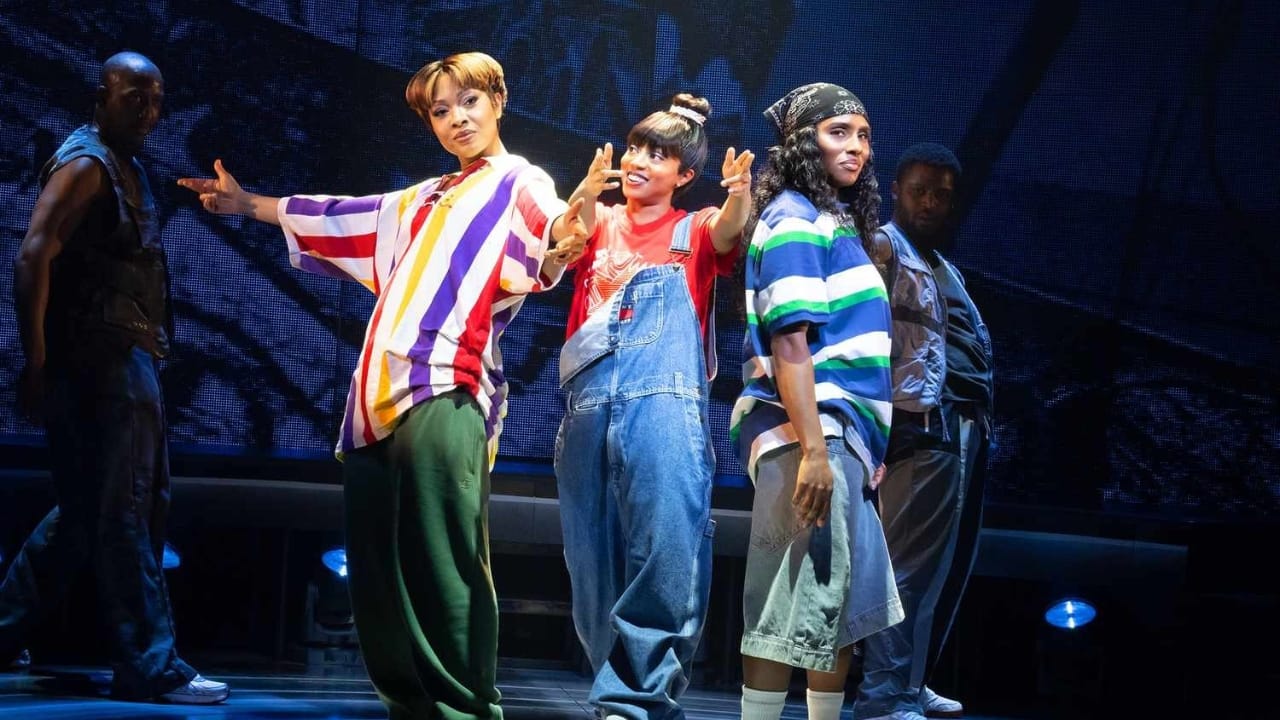
That is what makes TLC’s story so extraordinary. They never tried to become more New York. They never tried to become Los Angeles. They never reshaped themselves to satisfy an industry that had not yet figured out Atlanta’s value. They danced the way Atlanta danced. They spoke the way Atlanta spoke. They embraced the city’s swagger, humor, creativity, and fearlessness long before those qualities became global commodities. They represented Black Southern women without apology, years before Southern Black culture became the standard everyone wanted to imitate. Looking back now, I do not think TLC simply came from Atlanta. I think they helped teach the world what “I’m So ATL” would eventually mean.
Perhaps that is why the conversation about whether TLC was “Black enough” has always missed the point. Their crossover success did not dilute their identity. It proved that authenticity could travel. The world did not embrace TLC because they became less Atlanta or less Black. The world embraced them because they refused to become anything else. In many ways, history did not change TLC. History eventually caught up to them, just as it eventually caught up to Atlanta.
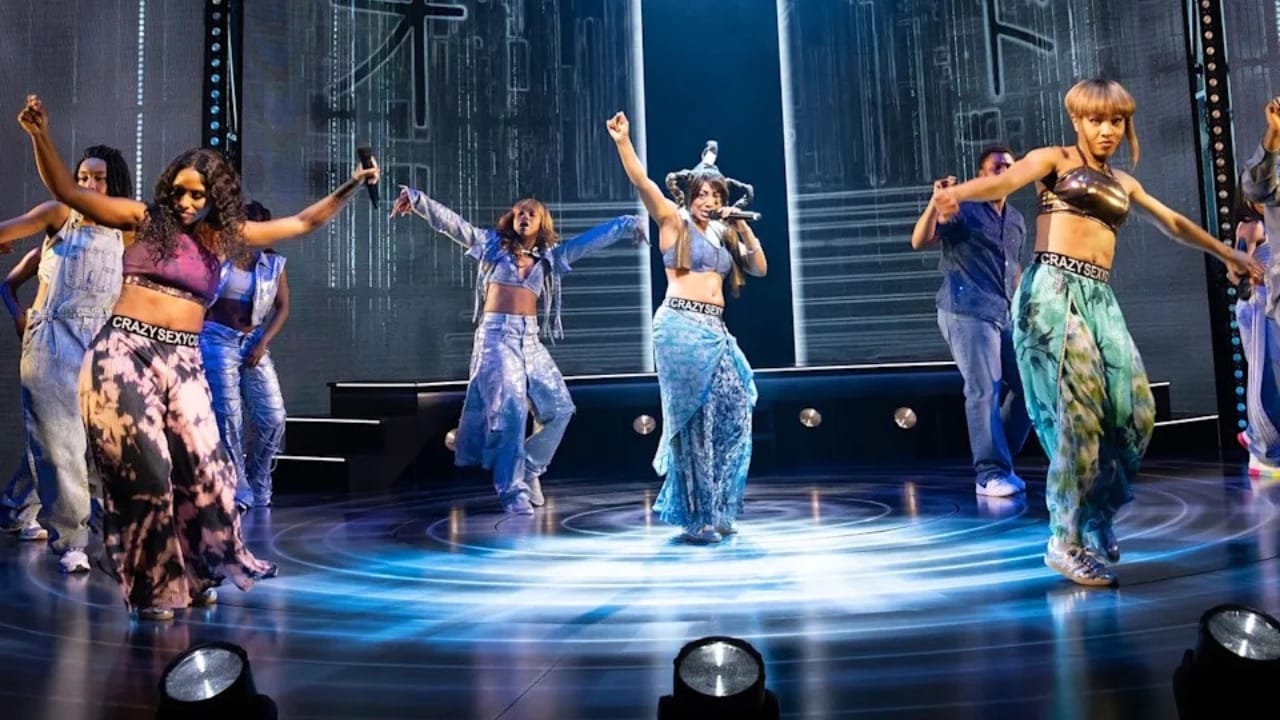
The musical also gives audiences something we have rarely been allowed to experience this intimately: the sisterhood that held these women together. Yes, you witness the disagreements, the business struggles, the personal heartbreaks, and the unimaginable pressure of becoming famous so young. But more importantly, you witness three young Black women navigating adulthood together. They fell in love. They experienced motherhood. They wrestled with fame, finances, health, expectations, and identity while the world watched. They did not stop being women because they became stars. They became stars while continuing to live through everything women experience.
Watching the actresses embody these roles was one of the evening’s greatest joys. They did not simply imitate Tionne, Chilli, and Lisa. They captured the emotional heartbeat of their relationship. Even after the curtain call, watching the actresses interact with one another, I caught glimpses of the same warmth, playful chemistry, and protective affection that I have watched exist between Tionne and Chilli for years. Somewhere during the production, they stopped playing sisters and found their own version of sisterhood, and that moved me almost as much as the musical itself.
Perhaps the most emotional moments belong to Lisa. The production refuses to reduce her to headlines, mythology, or tragedy. Instead, it reminds us that she was an artist, a philosopher, a seeker, and a woman wrestling with extraordinary gifts alongside very human struggles. We often celebrate Lisa’s brilliance after the fact, but this musical invites us to appreciate her complexity in real time. It allows audiences to understand not only who she was, but who she was still becoming.

Watching Tionne’s story unfold felt equally profound. For decades, we have celebrated her resilience, but seeing her journey presented so honestly reminded me that resilience is not a single moment. It is a lifetime of choosing to continue. Sickle cell disease, a brain tumor, the desire to become a mother, and confronting mortality while carrying the weight of one of music’s most successful groups could have easily defined her life. Instead, they became circumstances she refused to surrender to. Even today, after all these years, she continues to show up, continues to perform, continues to lead, and continues to prove that courage is not always loud. Sometimes courage is simply continuing.

Chilli’s story reminds us that ambition and vulnerability have never been opposites. Her desire to love deeply, to become a mother, and to build a meaningful life beyond the stage never diminished her strength. It completed it. The musical allows us to see a woman balancing extraordinary success with deeply personal hopes, proving that pursuing greatness and pursuing joy can exist side by side. In a world that often asks women to choose between their dreams and their hearts, Chilli’s journey reminds us that womanhood has always been large enough to hold both.
As I watched the final curtain fall, I realized I had walked into the theater believing I was about to celebrate a remarkable legacy, but I left convinced that the conversation surrounding TLC is far from over. Their story is not important simply because they sold millions of records. It is important because they changed what women were allowed to be. They proved that Black women could be outspoken without apology, beautiful without exploitation, creative without compromise, commercially successful without sacrificing artistic integrity, and deeply human while becoming iconic.
That message still feels revolutionary. CrazySexyCool: The Musical does not feel like a nostalgic trip back to the 1990s. It feels like a mirror. It reminds us that women are still fighting to be heard before they are judged by how they look. Artists are still being asked to sacrifice authenticity for commercial success. Black women are still demanding ownership of their voices. Sisterhood is still complicated, necessary, fragile, and powerful. Atlanta is finally recognized as a cultural leader, but TLC was carrying that truth before the world knew how to receive it.
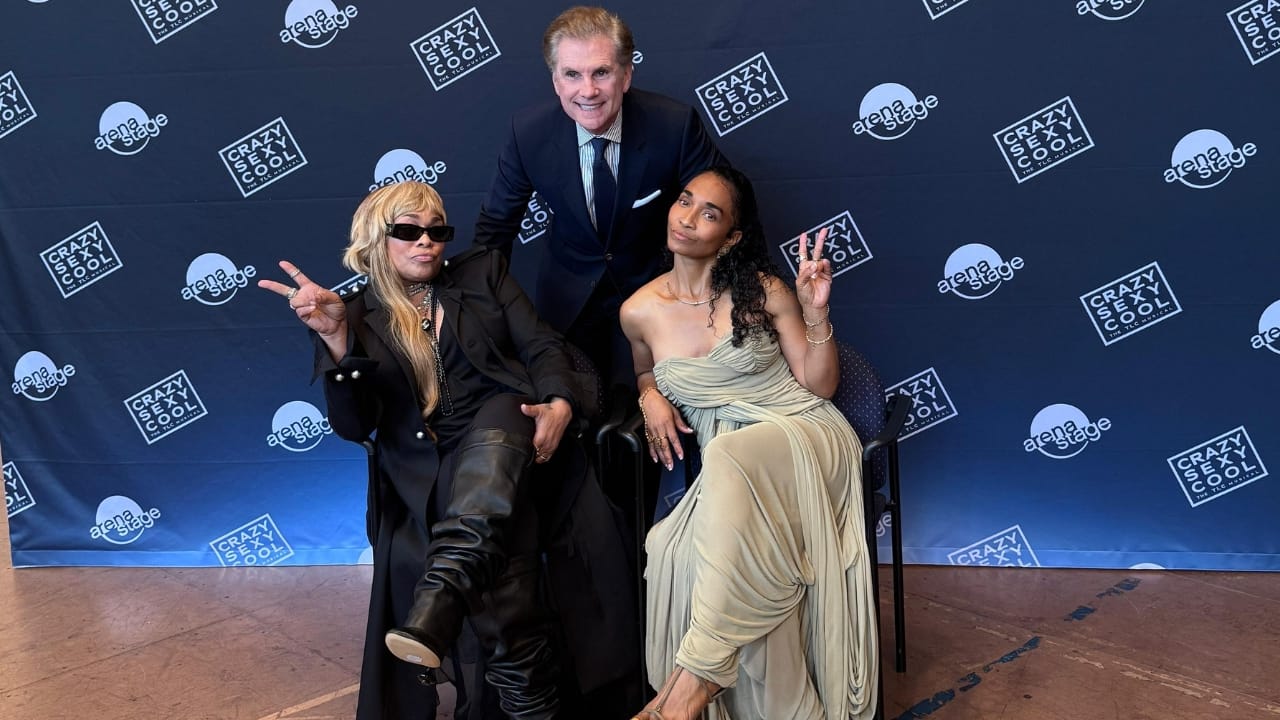
As the audience rose to its feet on opening night, I found myself thinking less about the songs and more about the women who first sang them. I thought about three young artists who refused to compromise when compromise would have been easier. I thought about three women who believed Atlanta belonged on the world’s biggest stages long before the world agreed. I thought about a sisterhood that has endured unimaginable loss and somehow continues to tell its story with grace, humor, and love. Walking out of the theater, I realized CrazySexyCool: The Musical is not simply preserving TLC’s legacy. It is introducing a new generation to the courage that built it.
History eventually caught up to Atlanta. I believe it will continue catching up to TLC. Until then, this musical stands as a beautiful reminder that there will never be another group quite like them because there has never been another group quite willing to stand so firmly in who they were while the rest of the world kept asking them to be someone else.