When Harlem Meets the Vineyard: Dance Theatre of Harlem Celebrates Black Art and Culture

– 6 min read






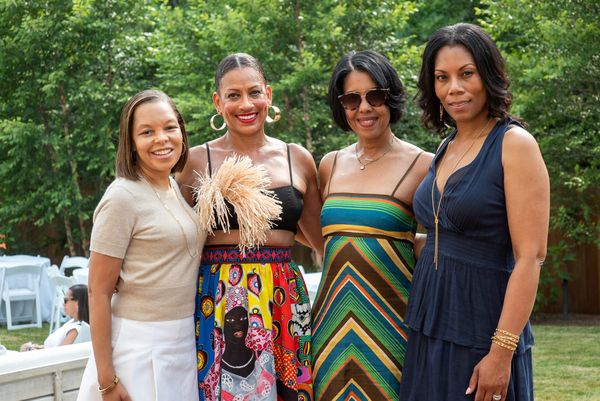
On Martha’s Vineyard, Dance Theatre of Harlem brought Robert Garland and Mickalene Thomas together for a conversation that connected two places with deep roots in Black creativity, community and cultural influence.
There are certain places that mean something different to Black people because of the history we have created there, and Martha’s Vineyard is one of them. Long before the Vineyard became the summer backdrop for celebrity photos and social media posts, generations of Black families were building community there, particularly in Oak Bluffs, creating a place where we could vacation, gather, celebrate and simply be together. It became a summer home away from home for Black artists, writers, political leaders, business owners, educators and families who returned year after year and built traditions that continue today. That history makes Martha’s Vineyard a particularly fitting place for Dance Theatre of Harlem, another institution born from the belief that Black people deserve beautiful spaces where our talent, creativity and humanity can exist fully and be celebrated.
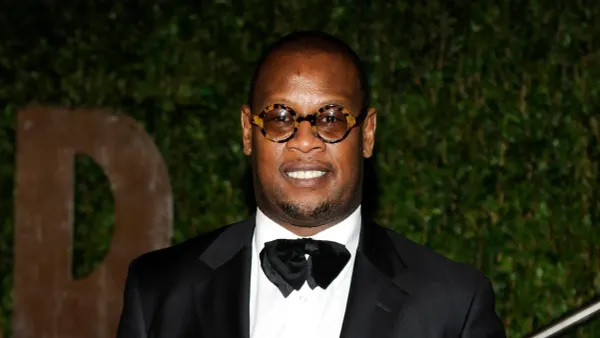
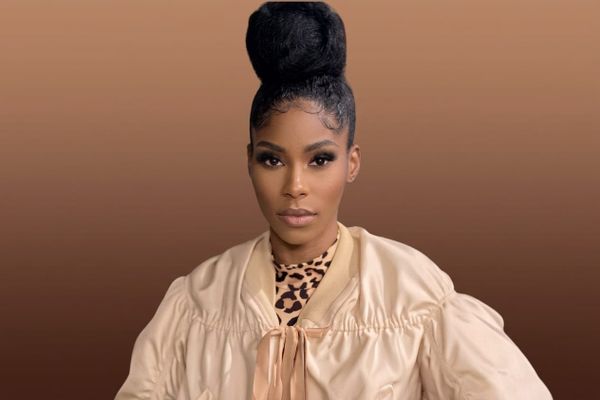
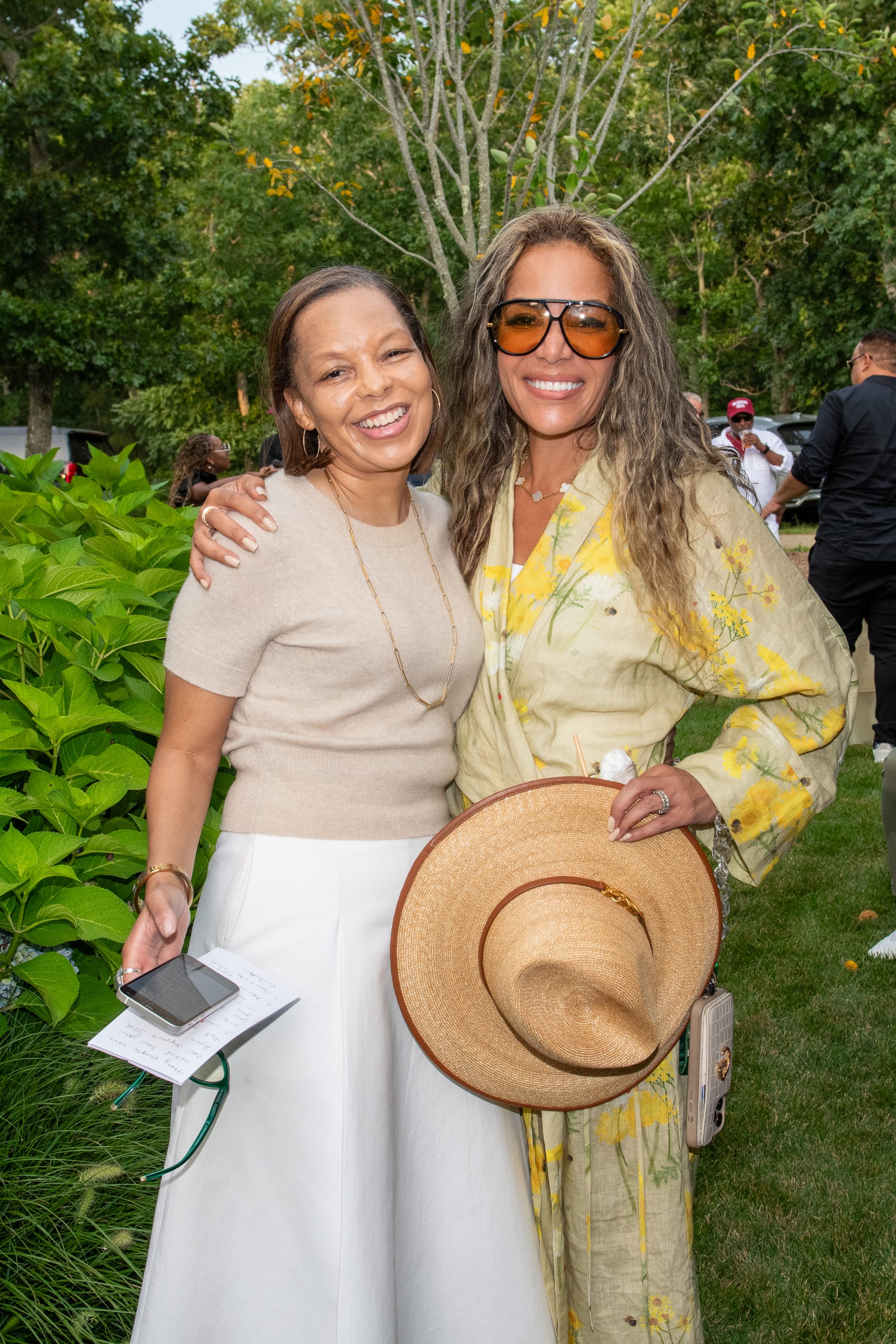
That connection was at the heart of Dance Theatre of Harlem’s signature Martha’s Vineyard program, “Cocktails & Conversation,” held August 12 in Edgartown. DTH Artistic Director Robert Garland joined acclaimed visual artist Mickalene Thomas for an intimate conversation about art, culture, representation and the responsibility that comes with creating work that reaches beyond you. DTH Board Member Leslie Wims Morris hosted the evening alongside fellow Board Member Erika Munro Kennerly, with guests including Sunny Hostin, Michelle Miller, Malaak Compton-Rock, gallerist Lewis Long, Lori Stokes and Latham Thomas. It was the kind of room that has become part of the Black experience on Martha’s Vineyard, where people who influence different corners of culture somehow find themselves in the same place, sharing conversation over cocktails and discovering just how connected their worlds really are.
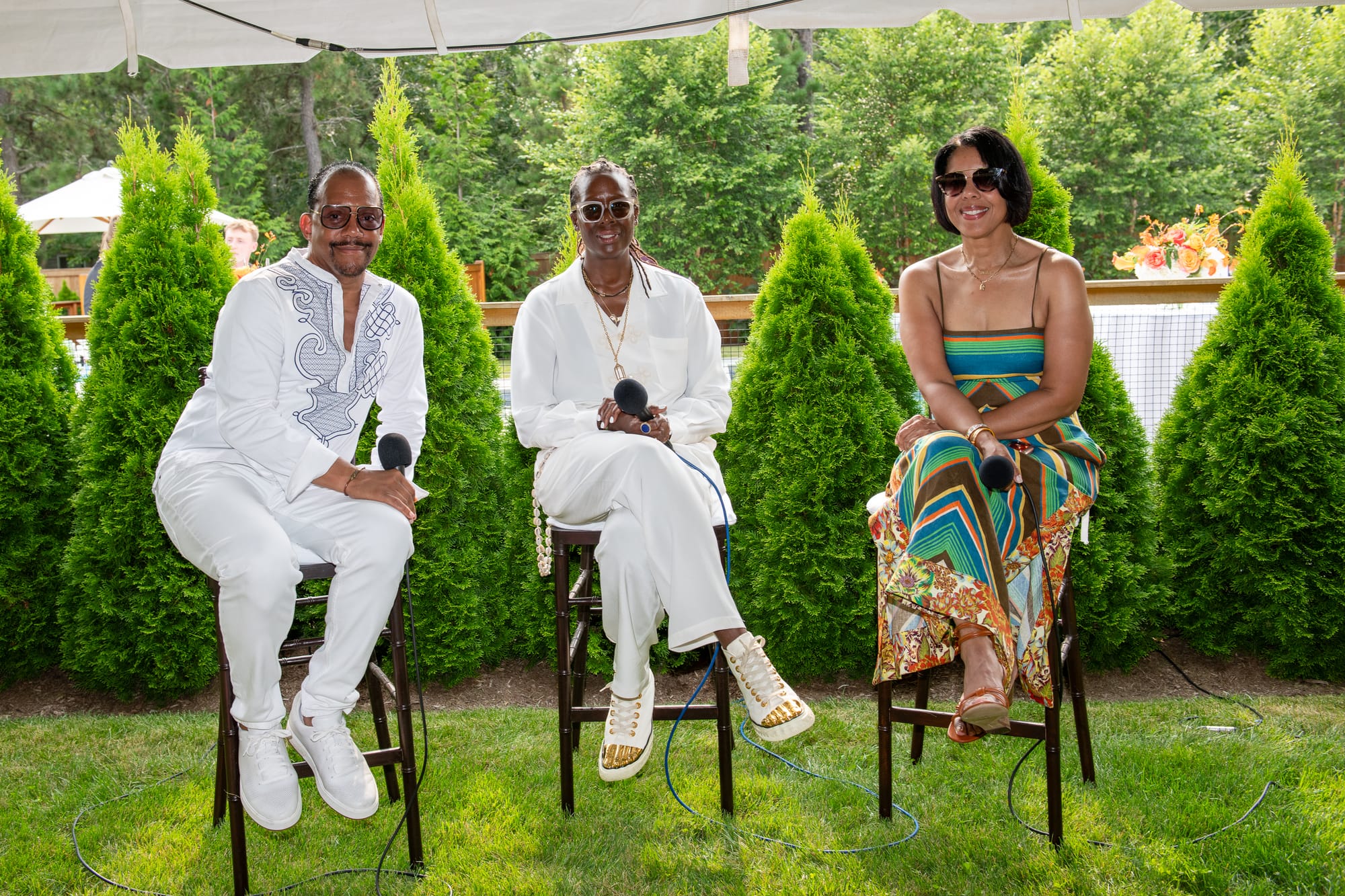
Harlem and Martha’s Vineyard may seem like two very different places, but culturally, there is a thread connecting them. Harlem became one of the most important centers of Black artistic expression in America, a place where our music, literature, dance, fashion, politics and visual art could grow into movements that eventually influenced the rest of the world. Martha’s Vineyard became something different but equally meaningful, a place where generations of Black people could gather away from many of the expectations and limitations waiting for them back home. One gave Black creativity a place to explode. The other gave Black community a place to exhale. Dance Theatre of Harlem, in many ways, represents a little bit of both.
When Arthur Mitchell and Karel Shook founded Dance Theatre of Harlem in 1969, shortly after the assassination of Dr. Martin Luther King Jr., Mitchell wasn’t simply creating another ballet school. As the first Black principal dancer with New York City Ballet, he understood firsthand what it meant to enter an artistic world where people who looked like him were rarely centered. He wanted children in Harlem to have access to serious classical dance training and, perhaps even more importantly, the ability to imagine themselves belonging in that world. What began as an opportunity for Black children to see themselves differently eventually became an internationally respected institution that helped the rest of the world see Black dancers differently too.
More than five decades later, Dance Theatre of Harlem doesn’t need to spend its time proving that Black dancers belong in ballet. Its history has already answered that question. What feels much more interesting now is watching the organization explore what happens when Black artists are able to influence the traditions they were once simply fighting to enter. That was where Garland and Thomas found so much common ground during their Vineyard conversation. Garland works through movement and choreography, while Thomas has built an internationally celebrated visual language around Black women, Black beauty, photography, painting and collage, but as they talked, the similarities in their creative processes became clear.
Both artists share an interest in collage, with Garland explaining that he sometimes approaches choreography much like a visual artist approaches putting together different images, textures and ideas. Thomas has made that kind of layering central to her work, using it to create images that center Black women and Black identity in ways that are bold, glamorous, complicated and impossible to overlook. There is something distinctly familiar about that creative process because Black culture has always known how to take pieces of history, memory, tradition and whatever is happening right now and turn them into something new. We have done it with music, fashion, language, food, dance and visual art, often creating cultural movements that eventually travel far beyond the communities where they began.
“History and innovation need to go hand in hand,” Garland told the room, and that sentence could just as easily describe Dance Theatre of Harlem itself. DTH has never had to abandon classical ballet in order to make room for Blackness. Instead, the company has spent decades showing audiences that Black dancers, Black stories and Black cultural references can expand what ballet looks and feels like. Thomas has done something similar in the visual arts, placing Black women and Black beauty at the center of work that has now entered some of the most respected cultural institutions in the world. Neither artist is simply asking for inclusion. Their work asks what becomes possible when Black artists are allowed to bring their entire cultural language into these spaces.
That conversation felt even bigger when Garland and Thomas talked about Paris. Dance Theatre of Harlem recently returned to the city after nearly 40 years, while Thomas was making history with her exhibition at the Grand Palais, the first solo exhibition by an African American woman in the museum’s history. There is something powerful about that journey from Harlem to Martha’s Vineyard to Paris because it reflects a story we have seen play out repeatedly across generations. Black American culture can begin in our neighborhoods, churches, schools, dance studios, beauty salons, clubs and living rooms and somehow find its way around the entire world.
But Thomas also made an important point about what happens after Black artists get into those rooms. We have to show up for them.
“We need to show up to support each other,” Thomas said. “And institutions need to know that when we are in these spaces, our people will come to support.”
Those words feel especially meaningful on Martha’s Vineyard because showing up for one another is part of what helped create the Black community there in the first place. Families returned summer after summer. Friends brought friends. Generations created traditions. Black businesses, organizations, social gatherings and cultural events became part of the fabric of the island because people continued to support them. There is a lesson in that history that reaches far beyond the Vineyard. We spend a lot of time asking for representation, but lasting cultural power also requires us to support that representation once it arrives. That means buying the ticket, visiting the exhibition, supporting the organization, collecting Black art when we can and making sure institutions understand that Black artists do not enter these spaces alone. We bring communities with us.
Dance Theatre of Harlem appears ready to carry that philosophy into its next chapter with the creation of its inaugural Artistic Council, which includes Thomas alongside Sanford Biggers, Fatima Robinson, Marcus Samuelsson and Derrick Adams. It is an interesting group precisely because everyone does not come from the ballet world. Visual art, choreography, dance, food and the larger cultural conversation are being brought together to help inform DTH’s programming and artistic direction. That feels especially appropriate for an institution with Harlem in its name because Harlem has never been about one art form. Music talked to literature, literature talked to politics, fashion talked to music and dance talked to all of it. Black culture has always been a conversation between creative worlds.
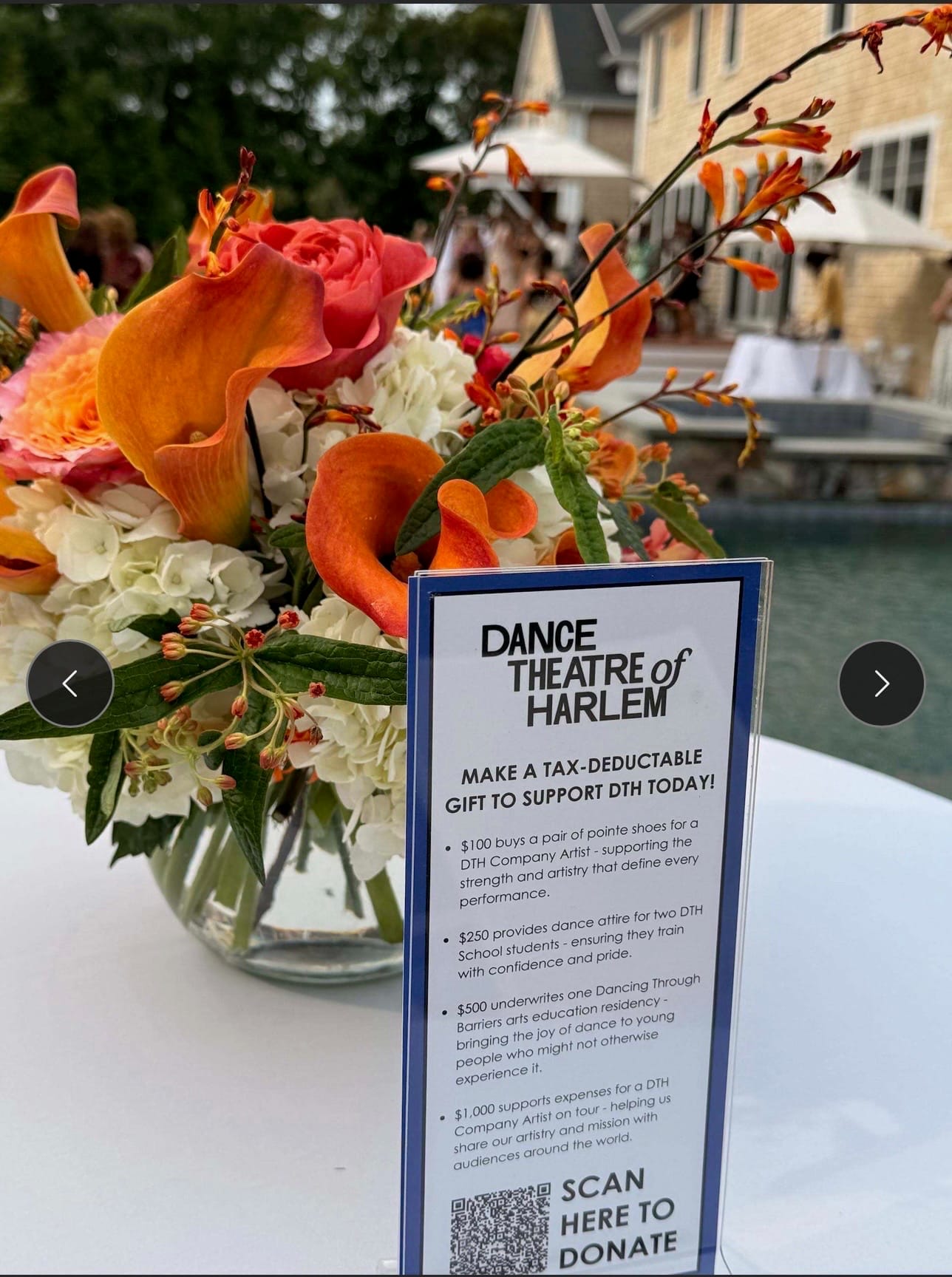
The announcement follows an extraordinary season for Dance Theatre of Harlem, including the return of Firebird after nearly 20 years to critical and commercial acclaim. Between Firebird, the company’s return to Paris, its new Artistic Council and conversations like this one on Martha’s Vineyard, DTH feels like an institution that understands the difference between honoring its history and simply living in it. The legacy matters, but so does what comes next.
That may be what made “Cocktails & Conversation” on Martha’s Vineyard feel like more than another arts event on a busy summer calendar. There is a beautiful symmetry in an institution created to make space for Black dancers gathering in a place where Black Americans have spent generations creating space for ourselves. Harlem gave Black creativity a place to explode, while Martha’s Vineyard gave Black community a place to gather, and Dance Theatre of Harlem carries pieces of both ideas with it: the belief that our art deserves the biggest stages in the world and the understanding that there is still something incredibly powerful about coming home to one another.
Because before Black culture became something the entire world wanted to watch, wear, dance to, collect and consume, it was something we created together, celebrated together and passed down together. On Martha’s Vineyard, Dance Theatre of Harlem offered a beautiful reminder that even as Black art continues to travel around the world, some of our most meaningful cultural moments still happen when we gather in a room with each other.