A Different World Returns: Dwayne and Whitley’s ’90s Black Love Legacy Lives On in a New Generation
– 7 min read





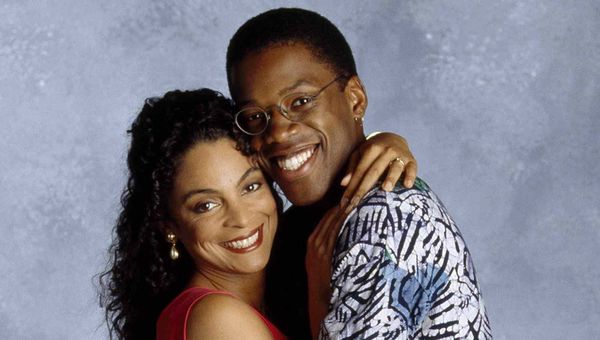
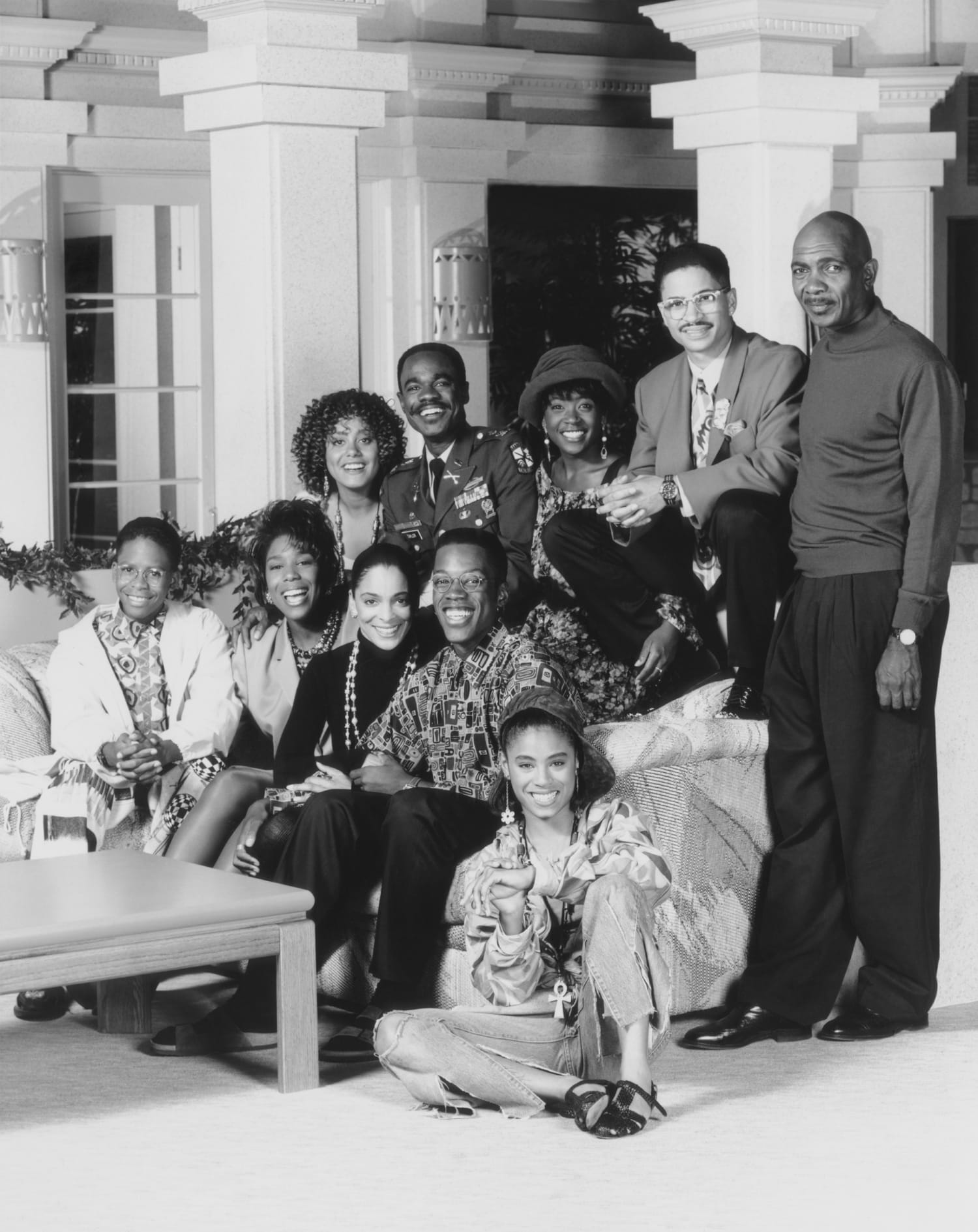
You do not closer to the epitome of ’90s Black love and Black excellence than Dwayne Wayne and Whitley Gilbert on A Different World. Hillman College was never just a fictional school to those of us who grew up watching it. It represented what was possible when young Black people were allowed to be smart, ambitious, funny, complicated, political, romantic, messy and still headed somewhere. We watched Dwayne Wayne, Whitley Gilbert, Ron Johnson, Kim Reese, Freddie Brooks, Jaleesa Vinson, Walter Oakes, Colonel Taylor and Mr. Gaines build a world that felt like ours, or at least the world many of us wanted to grow into. Now, 39 years after the original premiered on September 24, 1987, Netflix is taking us back to Hillman with a new generation, and honestly, the timing could not be better.
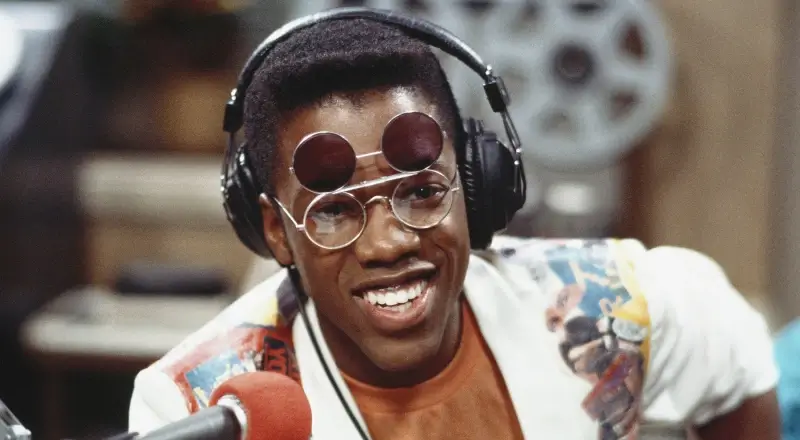
I cannot tell you the number of Black men in their 40s and 50s who have told me over the years that when they were coming into manhood, somewhere in their minds they wanted to be Dwayne Wayne with his main fine-ass girl Whitley Gilbert. Most of them probably did not quite accomplish the full fantasy, but it was a benchmark nonetheless. Kadeem Hardison took a mathematically gifted nerd with flip-up glasses who sometimes felt like the joke and allowed us to watch him grow into this confident, accomplished, increasingly suave young man who eventually got the finest, bougiest and most wanted girl on campus. More Black men than will probably publicly admit it championed that transformation in their minds. Dwayne represented the idea that the smart Black boy did not have to stop being smart to become desirable, successful or cool. And get this...the smart, nice guy didn't have to finish last.
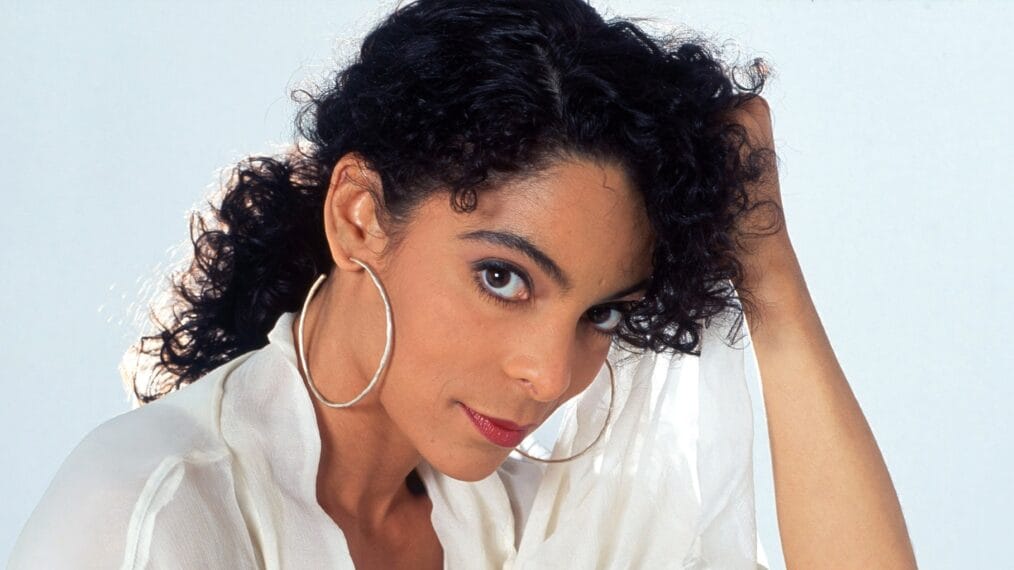
Young women were equally invested in Whitley Gilbert, because somewhere along the way we started rooting for that spoiled, superficial, bourgeois Southern belle to get her man. Jasmine Guy made Whitley so deliciously complicated that even when she got on our nerves, we understood her. No, she did not want Dwayne in the beginning, but his persistence eventually showed her what it felt like to be adored, and once she experienced that kind of love, losing it hit differently. When Kinu Owens came back into the picture and threatened what Whitley suddenly realized she wanted, female fans forgave a whole lot of Whitley’s foolishness and wanted Dwayne back where we believed he belonged. By the time Whitley famously left Byron at the altar and Dwayne declared his love for her, their relationship had become one of the defining Black television love stories of the era.
The beauty of A Different World is that Dwayne and Whitley did not just ride off into some television sunset. We got to see them become adults, become husband and wife and begin pouring into younger students, including Lena James, played by a young Jada Pinkett Smith. We watched their relationship mature alongside the rest of Hillman, while Kim pursued medicine, Freddie found her political voice, Ron tried to figure out what adulthood looked like for him and Jaleesa reminded women that there was no expiration date on starting over. The show gave us romance, but it also gave us friendship, education, ambition, activism and community. Hillman felt like a place where Black people expected something from one another, and that expectation itself was powerful.
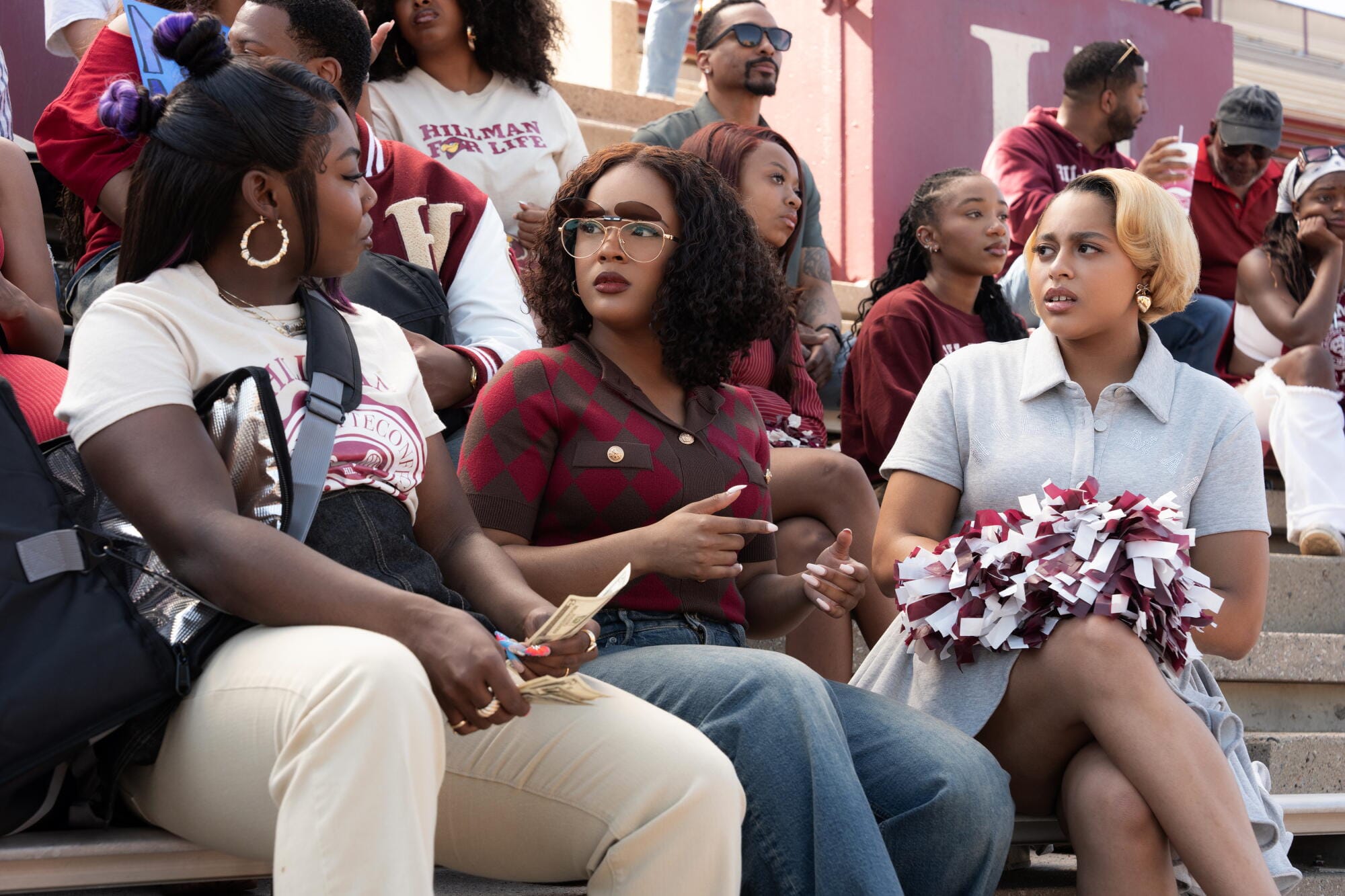
Now we get the ultimate full-circle moment because the new A Different World introduces Deborah Wayne, the youngest daughter of Dwayne and Whitley, as she begins her freshman year at the very school where her parents fell in love. Maleah Joi Moon leads the new generation alongside Alijah Kai as Rashida, Cornell Young IV as Shaquille, Jordan Aaron Hall as Amir, Kennedi Reece as Hazel and Chibuikem Uche as Kojo. Jasmine Guy, Kadeem Hardison, Darryl M. Bell and Cree Summer are returning as Whitley, Dwayne, Ron and Freddie, while Debbie Allen is back as an executive producer and director. This is more than somebody dusting off an old title because nostalgia sells. There is something beautiful about meeting the fruit of Dwayne and Whitley’s relationship and watching their daughter attempt to build her own identity in the place that helped create theirs.
What made the original so important, however, was never just the love stories. A Different World had the nerve to talk to young Black people about apartheid, AIDS, date rape, domestic violence, racism, police brutality, war and the Los Angeles uprising while somehow still making us laugh every week. Debbie Allen helped turn Hillman into a culturally specific HBCU experience complete with Greek life, homecomings, step shows, marching bands and the kind of community that felt distinctly ours.
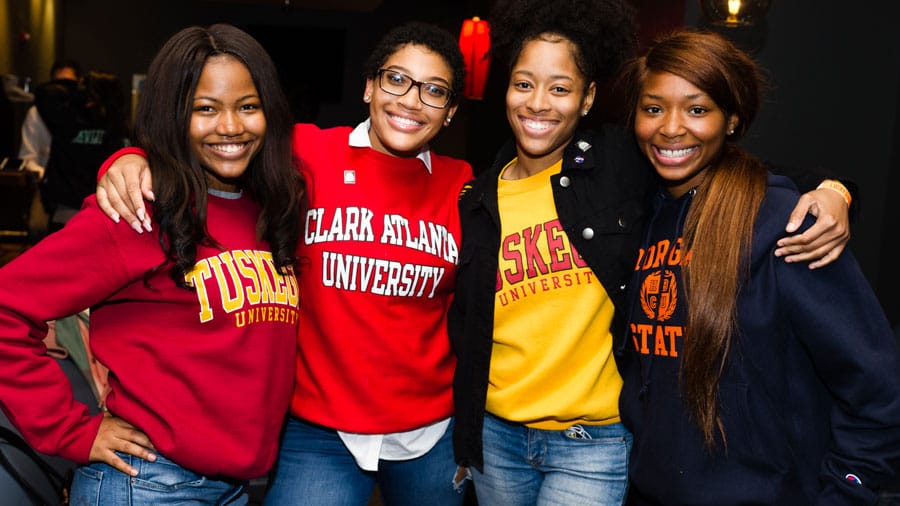
According to the National Center for Education Statistics, total HBCU enrollment stood at 223,275 students in 1986, the year before A Different World premiered. By 1993, the year the series ended, enrollment had climbed to 282,856 students, an increase of nearly 27 percent. And the movement toward higher education was not limited to HBCUs. Black enrollment across American colleges and universities grew from approximately 1.13 million students in 1988 to 1.41 million by 1993, an increase of almost 25 percent in just five years. When you remove students attending HBCUs from those totals, Black enrollment at non-HBCU institutions, including predominantly White institutions, grew from roughly 935,000 students to nearly 1.18 million during that same period. Every week millions of Black kids were watching Dwayne, Whitley, Kim, Freddie and Ron make college look exciting, attainable, culturally rich and connected to a bigger future. Whether you dreamed of Hillman, Howard, Clark Atlanta, Hampton or walking onto a campus where very few people looked like you, A Different World helped make college feel like somewhere we belonged. Generations of Black students have personally credited A Different World with making them see HBCUs differently, and I completely understand why.
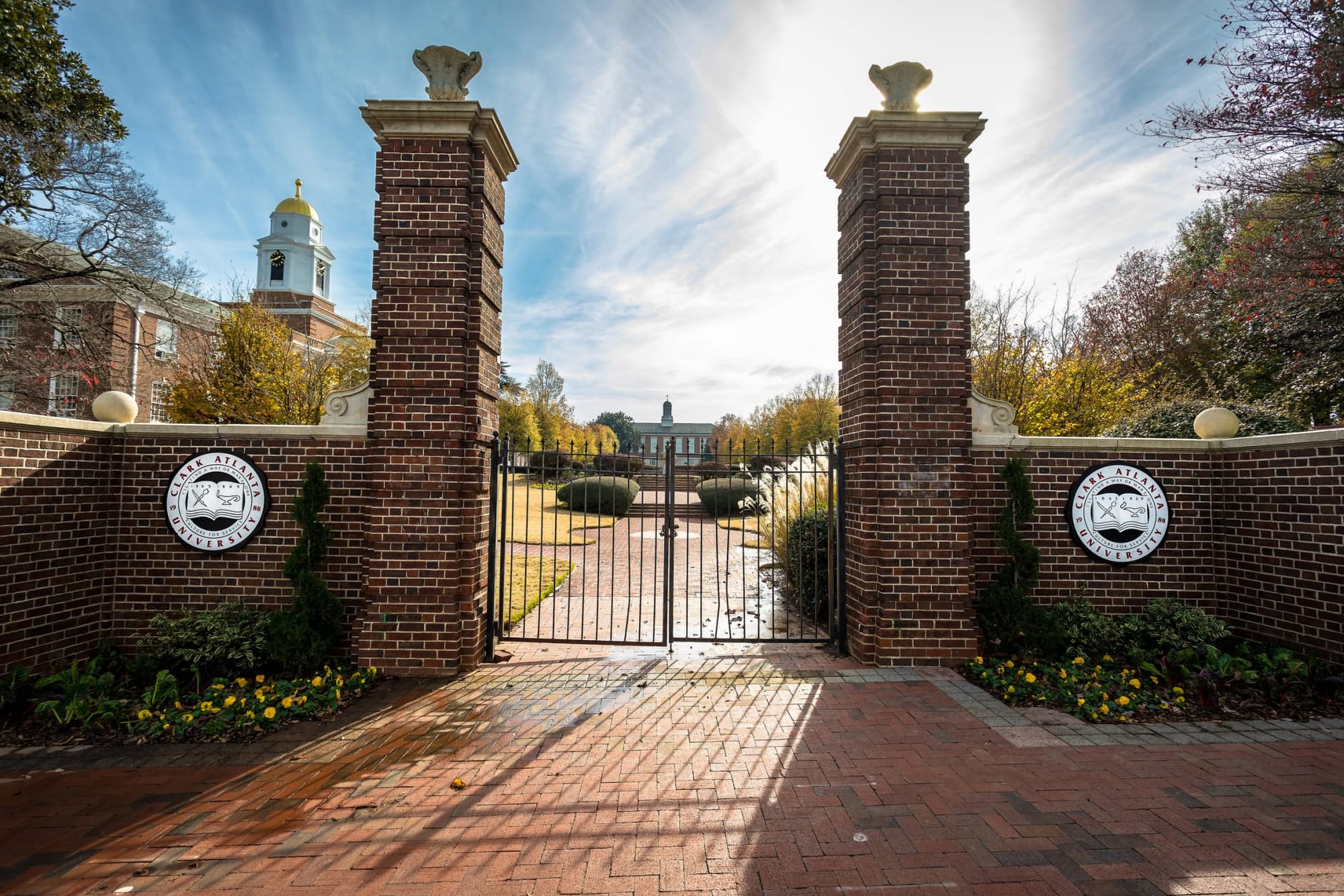
I understand because I was in high school myself when A Different World debuted. I know firsthand how excited that show made me about the next chapter of my life. I wanted Denise Huxtable’s independence, I wanted the cute boys and those first-love experiences, and most importantly, I wanted to be immersed in the culture. The show influenced me to apply to Clark Atlanta University. I was offered a partial scholarship, and unfortunately my family realized that even with the scholarship the cost was still beyond what we could afford, but the excitement it created in me about college never went away. Television had shown me something that made me want more for myself.
That is exactly why I believe this return matters in 2026. We are living in a culture where young women can scroll through social media and watch scammers become celebrities while somebody is screaming “spend dat shit,” and where too many young Black men seem discouraged about employment, opportunity and even their value as men. The ’90s were certainly not perfect, but what we had then that feels horribly absent today was balance. We could have the mess, the music, the sex appeal and the foolishness, but we also had cultural images constantly reminding us that education mattered, Black families mattered, Black love mattered and excellence was something worth chasing.
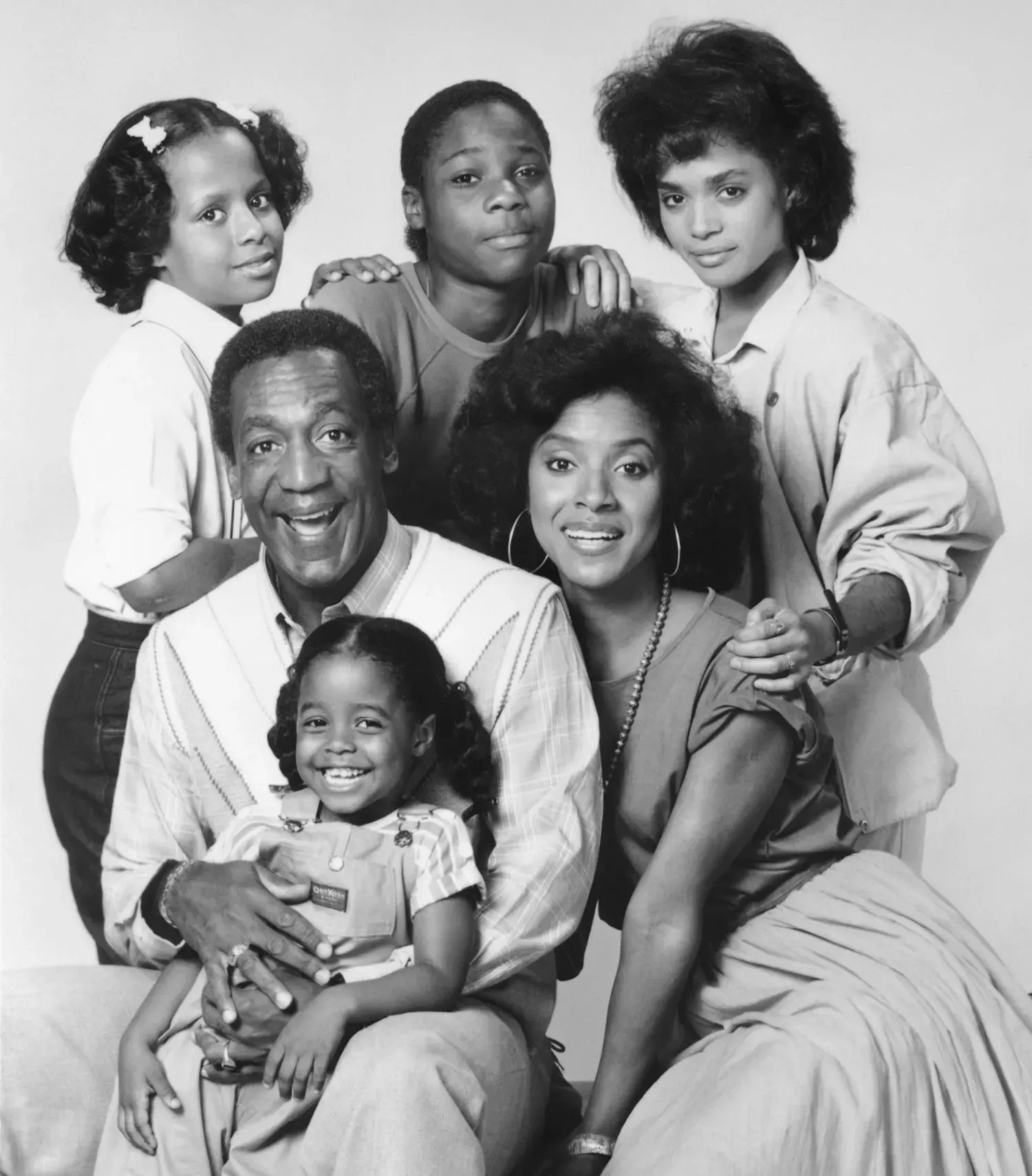
That foundation really began with The Cosby Show. Whatever conversation surrounds Bill Cosby personally today, his role in creating A Different World and the cultural impact of The Cosby Show remain part of television history. That earlier series presented a successful Black family headed by an accomplished husband and wife and showed millions of viewers Black professional life without making Blackness itself the problem. A Different World took that foundation and gave young adults their own space, with Debbie Allen helping make the show far more culturally specific, socially conscious and deeply connected to HBCU life. The combination gave a generation representations of education, Black pride, romance, family and community at the same time.
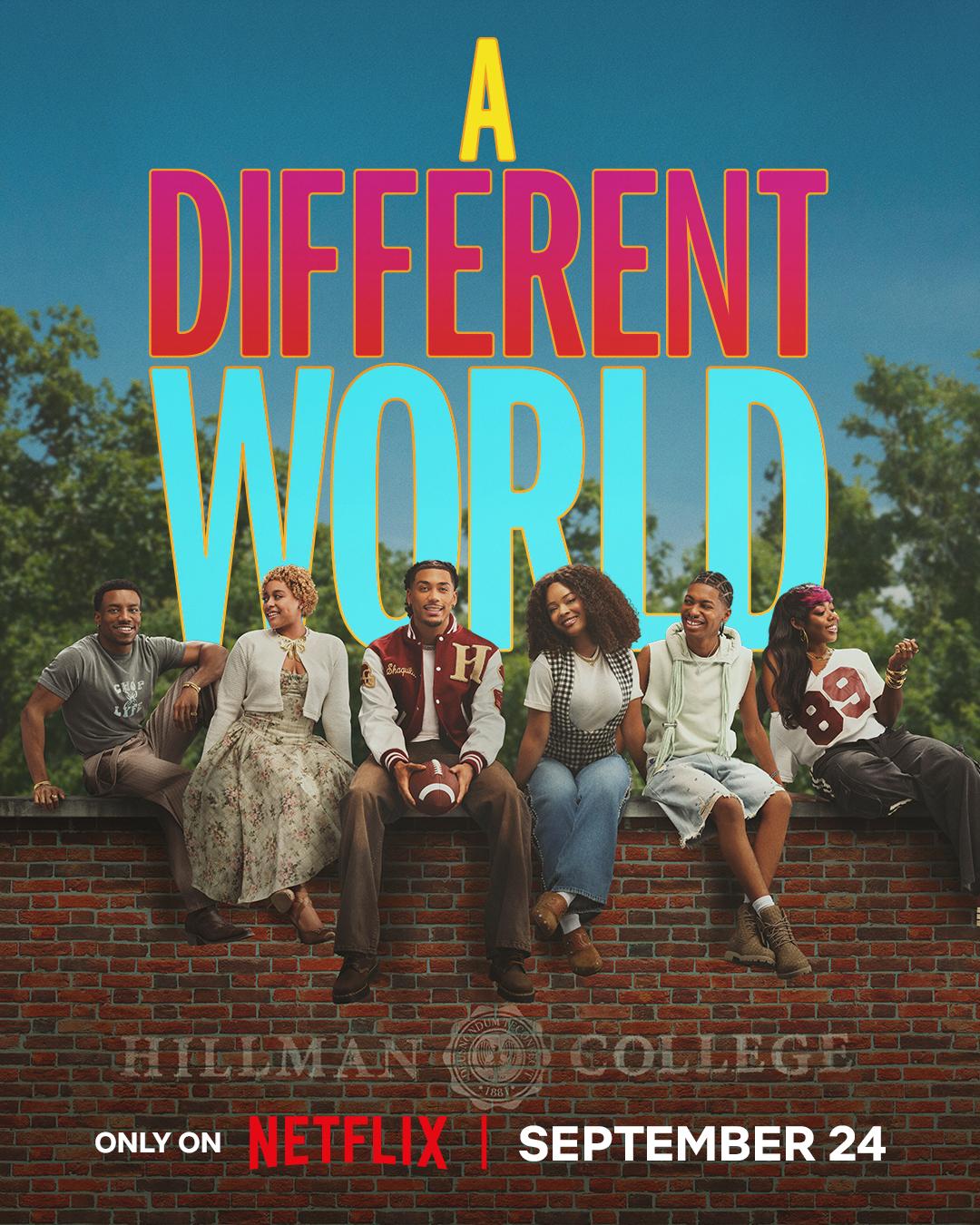
Can the new A Different World have that same kind of impact? That remains to be seen, and frankly it does not have to duplicate the original to be worthwhile. What it has is an opportunity to show today’s young people a version of themselves that is moving toward something. Netflix is releasing the new 10-episode series on September 24, exactly 39 years after the original premiere, with Deborah Wayne stepping onto the Hillman campus to create a legacy separate from the two parents whose love story already belongs to Black television history.
For those of us who grew up with the original, however, I think this return offers something else entirely. It gives us an opportunity to reconnect with the optimism we once had about who we were going to become. It reminds us of studying hard, dreaming about college, talking about changing the world and believing that we could build homes rooted in education, culture, purpose and the kind of Black love that Dwayne Wayne and Whitley Gilbert made us believe was possible. Nearly four decades later, their baby girl is headed to Hillman, and somehow that feels bigger than television. It feels like a generation handing the dream to the next one and hoping they will find something in A Different World that makes them dream a little bigger too.