OWN’s 12th Season of Love & Marriage: Huntsville Proves #SideChicksBeWinnin’

– 4 min read






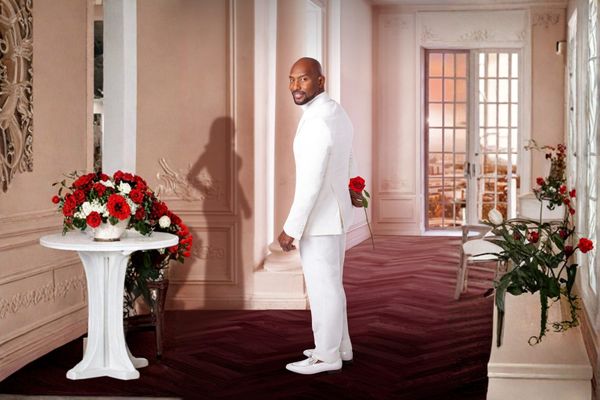
Twelve seasons ago, Love & Marriage: Huntsville introduced us to something I was genuinely excited to see on television: Black love, Black marriage, Black ownership and Black entrepreneurship. Three attractive, successful Black couples in Huntsville, Alabama, were building businesses, raising families and trying to create something together. They were upper-middle-class, ambitious and imperfect, but the foundation felt aspirational. Here were Black people talking about real estate development, generational wealth and ownership while also navigating marriage and family. It felt like the kind of reality television we had been asking for. Then reality started reality-ing.
The couple at the center of the show, Martell and Melody Holt, quickly became its most compelling story, but not because of their business success. Their marriage was in trouble because Martell had been repeatedly unfaithful with the same woman, Arionne Curry. For years, viewers watched Melody wrestle with the question women have wrestled with forever: Do I stay because I love him, because we have children, because we built something together and because maybe this time he really will change? Eventually, the answer became no. By 2020, while most of us were trying to figure out whether we had enough toilet paper and whether our jobs were going to survive a global pandemic, Martell was still involved with Arionne. Eventually, Arionne became pregnant, Melody decided she had had enough, and one of the marriages that helped introduce Love & Marriage: Huntsville to America was over.
What followed was messy, sad and, admittedly, great television. Martell never denied his son and has spoken about being present as his father. He has also repeatedly expressed regret over losing his marriage and family. During the ugliest days of the Holt marriage, Arionne became an almost mythical off-camera character. She was discussed but rarely seen, and viewers eventually nicknamed her “coleslaw,” the side dish to the main meal. Arionne herself complained publicly that a television show was benefiting from a story that involved her life while she had little opportunity to tell her side of it. And whether you liked her or not, there was some truth in that argument. Everybody was talking about Arionne Curry. Arionne Curry just wasn’t getting a check for it. Well, baby, welcome to 2026. Apparently, #SideChicksBeWinnin’.
Season 12 brings Arionne out of the shadows and into the Love & Marriage: Huntsville universe alongside Martell, and I cannot pretend the irony isn’t delicious. After years of being the woman whose name hovered over this franchise without actually belonging to it, she has finally made it onto the show. The woman who was once the secret is now part of the storyline. The woman who was called “coleslaw” is finally being served at the table. And somewhere there is a side chick watching that trailer saying, “See? Patience.”
I say that with humor, but there is a serious question underneath it. What are we rewarding culturally? This isn’t about pretending Arionne single-handedly destroyed a marriage. She didn’t. Martell was the married man. Martell made vows to Melody, and Martell was responsible for honoring them. But Arionne knowingly participated in a relationship with a married man, and there was a time when society at least agreed that wasn’t something to aspire to. Today, I’m not so sure. We live in a cultural landscape where shame itself has almost become shameful. Everything is content. Everything can become a brand. Everything can eventually become a storyline, a following, a platform and, apparently, a television role if you wait long enough.
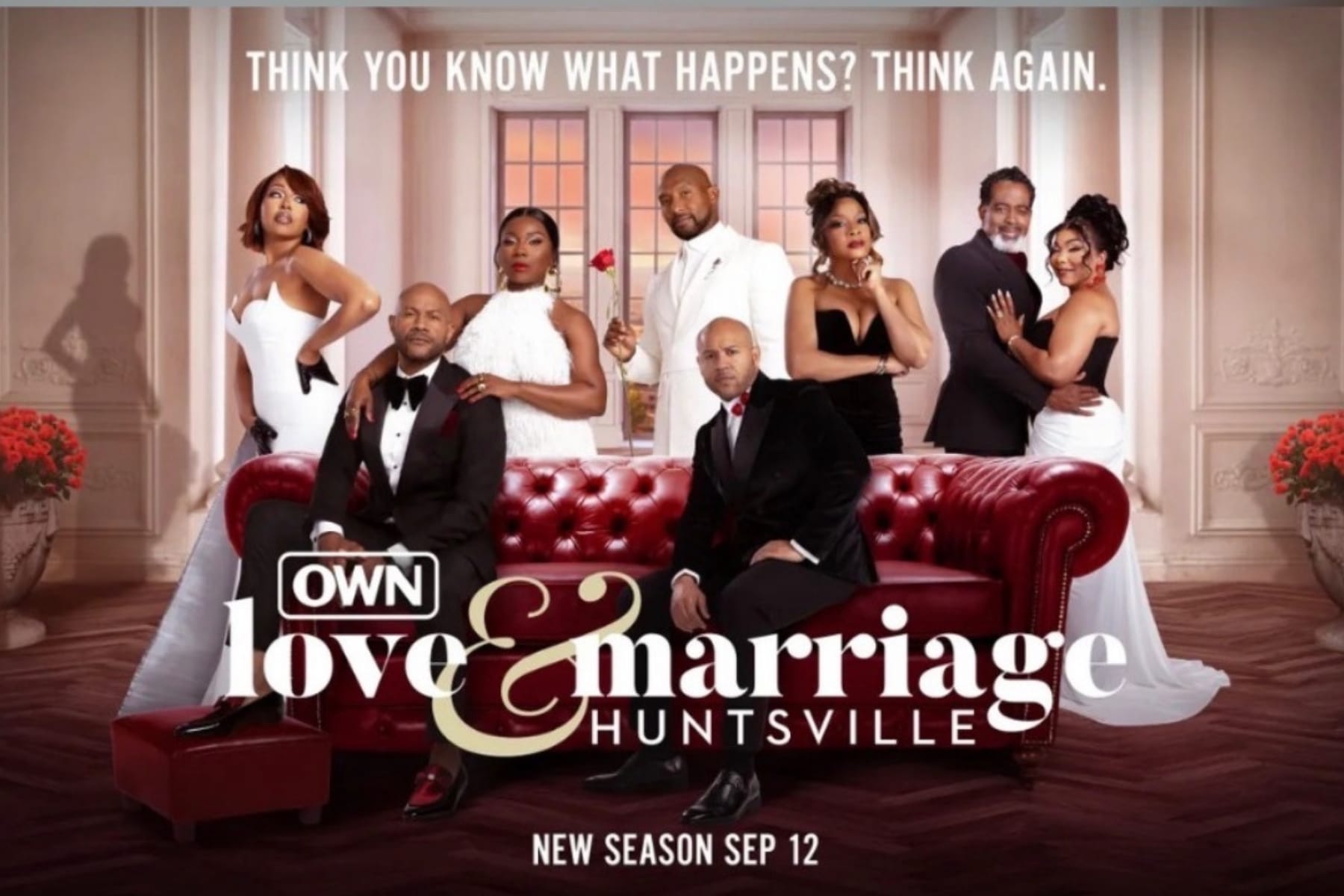
That makes the timing of Netflix’s new A Different World especially fascinating to me. In September, a new generation will be introduced to Hillman College, a fictional place that once showed young Black people pursuing education, falling in love, making mistakes, developing values and figuring out who they wanted to become. That same month, we will return to a show literally titled Love & Marriage where one of its biggest storylines involves the woman whose long-term affair with a married cast member contributed to the implosion of the show’s original marquee marriage. I know one is scripted and the other is reality television. I also know television reflects culture while simultaneously helping shape it. And maybe that’s what bothers me.
I’m not asking OWN to become Sunday school. I’m certainly not asking reality television to stop being messy because, quite frankly, I will be sitting there watching with everybody else. But I do think we should be able to enjoy the mess while still recognizing that it is messy. There should still be a difference between understanding someone’s choices and celebrating them, between giving someone a voice and turning questionable behavior into an aspirational glow-up.
Arionne Curry finally gets her opportunity to step out from behind the story that has defined her for years, and perhaps we will learn there is much more to her than the label viewers gave her. I actually hope we do. But the larger cultural message is still impossible for me to ignore. Twelve seasons ago, Love & Marriage: Huntsville invited us in with Black love, marriage, business and building legacy. Twelve seasons later, the former mistress is finally walking through the front door.
Call it growth. Call it reality. Call it great television.
Social media already has another name for it.
#SideChicksBeWinnin’.