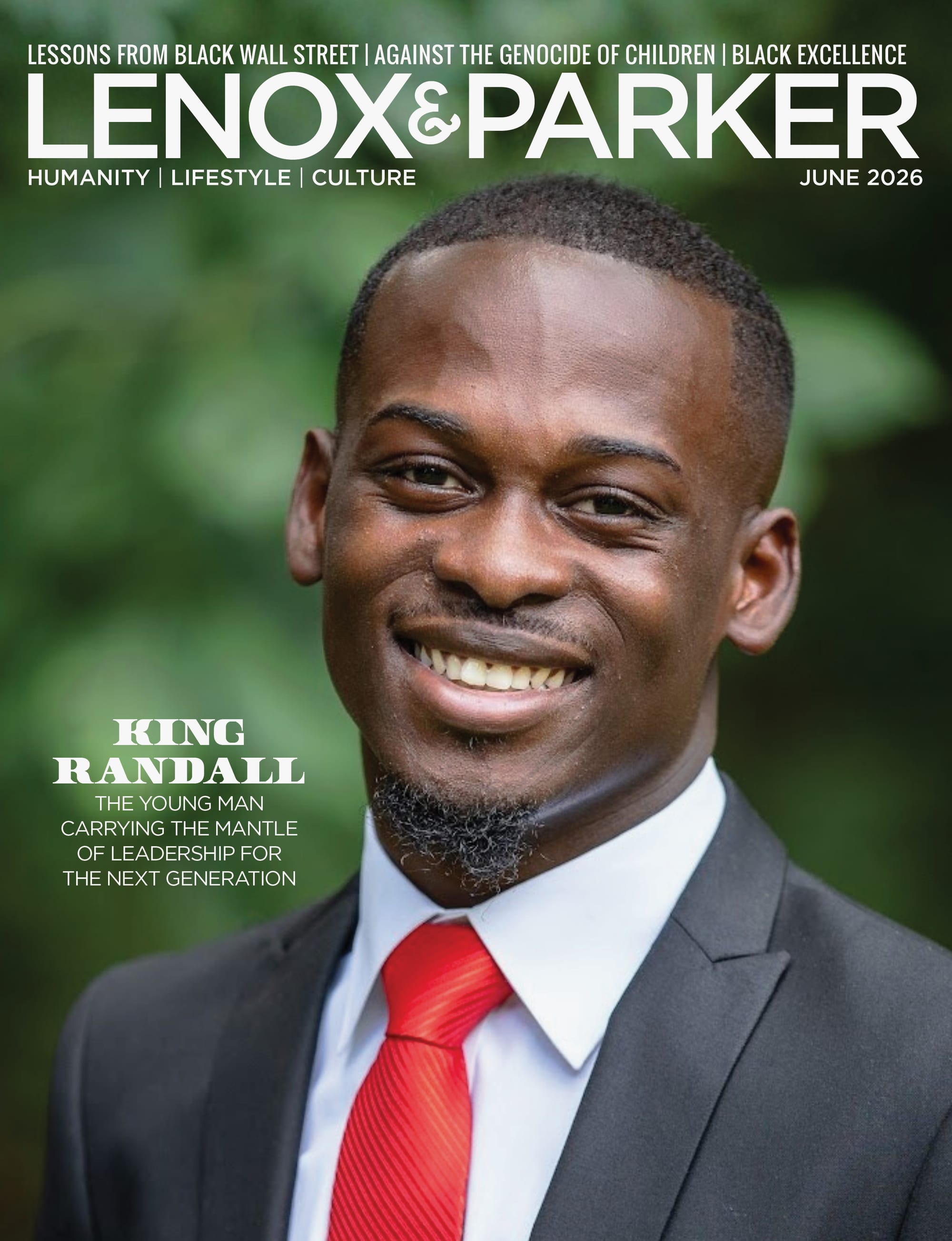
King Randall: The Young Man Carrying the Mantle of Leadership for the Next Generation

– 10 min read






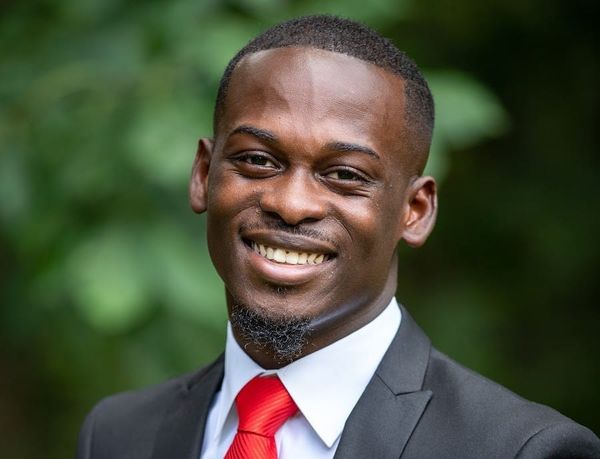
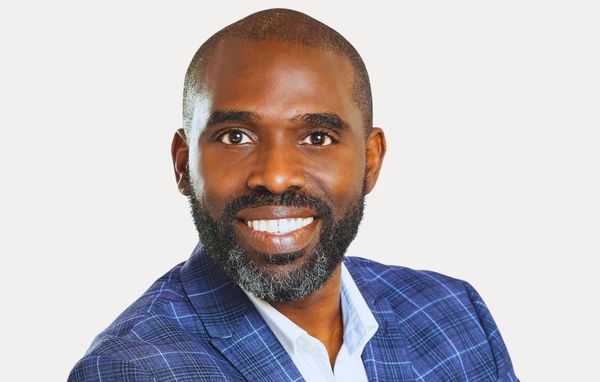
History has a way of making greatness seem inevitable. Looking back, we speak of Dr. Martin Luther King Jr., Malcolm X and Fred Hampton as though the world immediately recognized the magnitude of who they would become. We remember the speeches, the movements and the legacies, but we often forget that before history embraced them, they were simply young Black men who decided their communities deserved more. They accepted responsibilities far beyond what anyone expected of someone their age. They didn’t wait to become older, wealthier or more influential before answering the call to lead. They simply saw a need and stepped into it. As I spent time talking with King Randall, I couldn’t shake the feeling that we may be witnessing that same kind of leadership in real time.
History shows that society often fails to recognize transformational leaders while they are doing the work. We have the luxury of hindsight when we study Dr. King, Malcolm X and Fred Hampton. Future generations won’t have that luxury with King Randall. They will either be able to say we recognized greatness while it was happening, or they’ll wonder why so many people overlooked it. Lenox & Parker has no intention of overlooking it.
There are no shortages of influencers today. Every scroll introduces us to another personality promising wealth, fame, relationships or overnight success. Yet very few are influencing what matters most. Character. Discipline. Responsibility. Integrity. King Randall has amassed more than a million followers, but I don’t believe that is his greatest accomplishment. His greatest accomplishment is that while others are building platforms, he is building men.
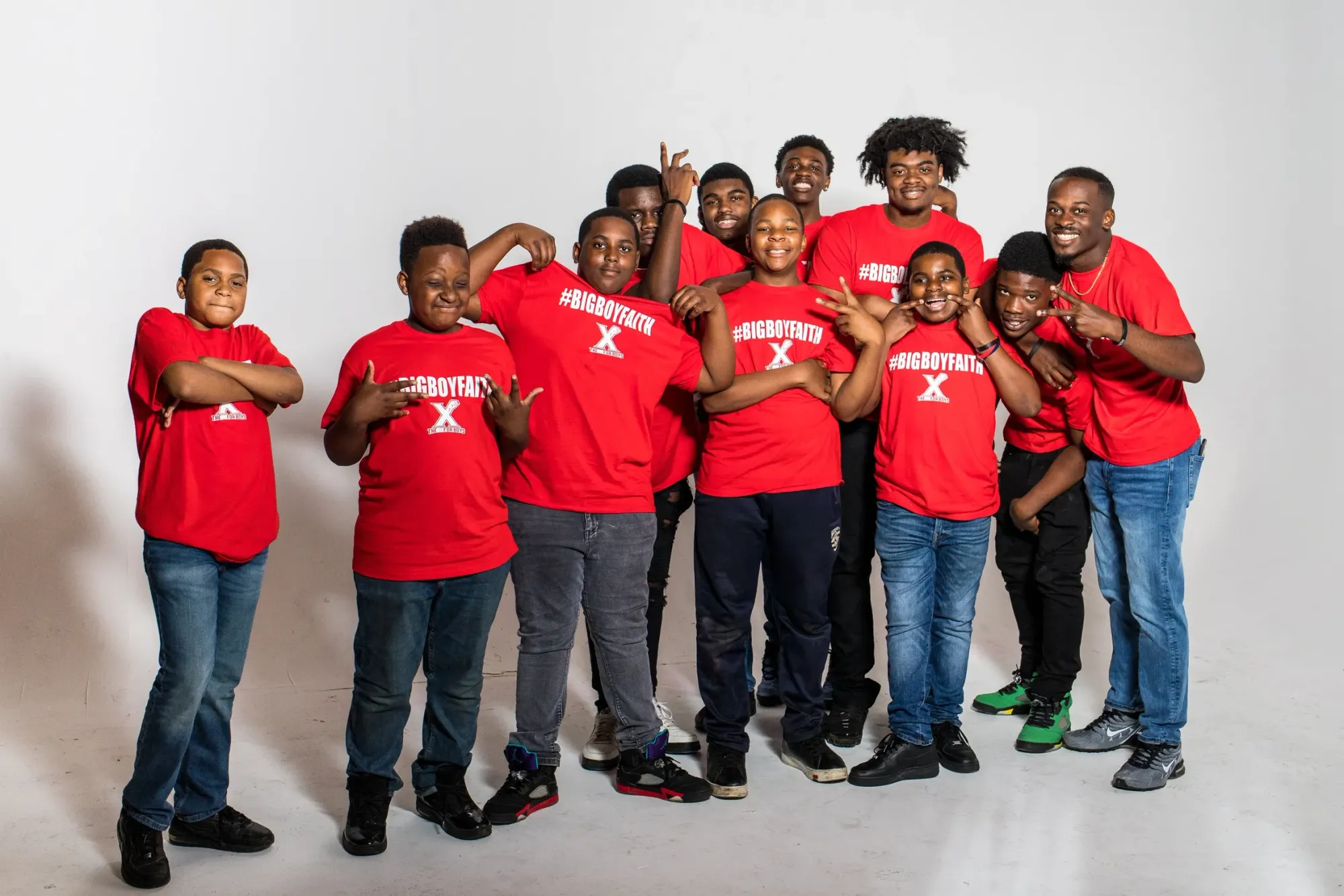
That distinction became obvious the first time I watched videos from The X for Boys. It wasn’t simply a school. It wasn’t simply a mentoring program. It wasn’t even simply a boarding school. What I saw was something our communities have quietly been missing for decades. Young men were learning how to think, how to lead and how to navigate real life before life forced those lessons upon them. They weren’t just sitting behind desks memorizing information they might forget after an exam. They were learning what honorable manhood actually looks like.
When I asked Randall where that philosophy came from, he immediately took the attention off himself. His answer wasn’t about being exceptionally gifted or uniquely called. Instead, he spoke about the village that raised him. His mother. His stepfather. His grandmother, his uncles, the deacons at the church he grew up in. Every one of them contributed something different to the man he would become. Listening to him, I realized he wasn't trying to recreate his own childhood. He’s trying to recreate the village that made his childhood possible for boys who never had one.
That perspective feels especially important as we celebrate Father’s Day. Every year, social media fills with declarations about raising children alone. There are mothers who proudly say they were both mother and father. Fathers who proudly proclaim they did it all by themselves. While I certainly understand the pride that comes from overcoming difficult circumstances, Randall challenged something many of us have quietly accepted. He believes greatness is almost never created in isolation. Children thrive when they are surrounded by people who love them enough to invest in them. Even if parents are no longer together, even if life doesn’t unfold the way we imagined, the answer isn’t fewer healthy influences. The answer is more.
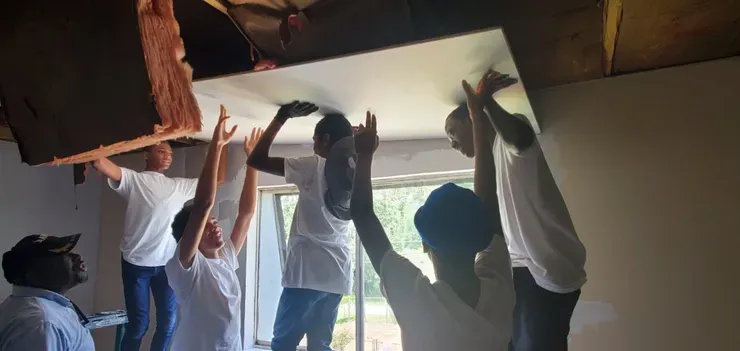
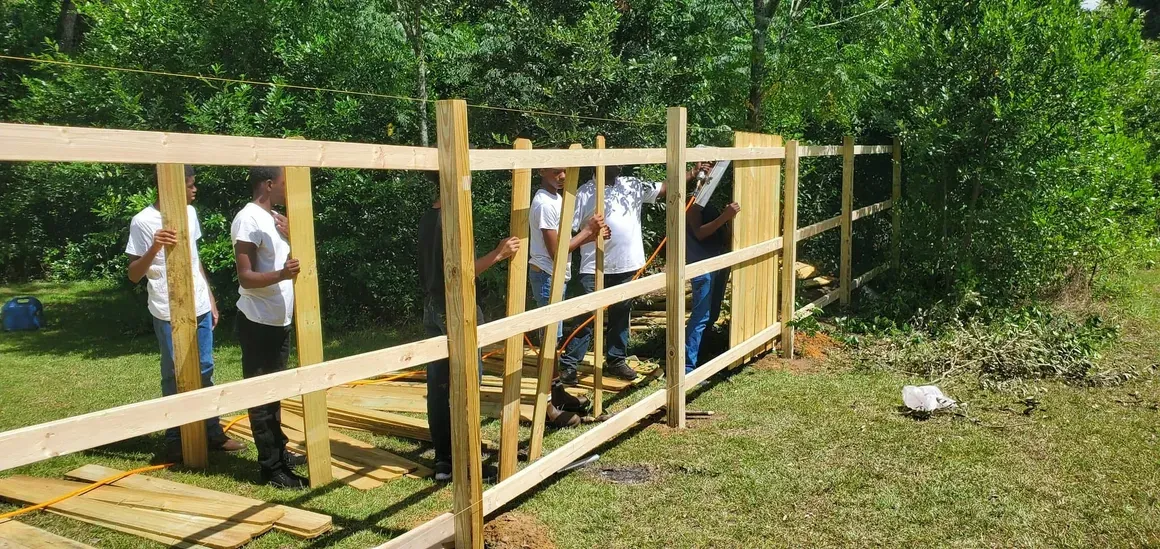
That philosophy explains why The X for Boys feels different from so many youth programs. Randall isn’t just trying to occupy boys after school. He is intentionally placing them in situations where they have to think, make decisions and experience the consequences of those decisions. He told me that much of that philosophy comes from his marine training. Marines don’t simply learn concepts in a classroom. They are placed in environments where those lessons must be applied under pressure. Experience, he believes, becomes the greatest teacher because it creates confidence that memorization never can.
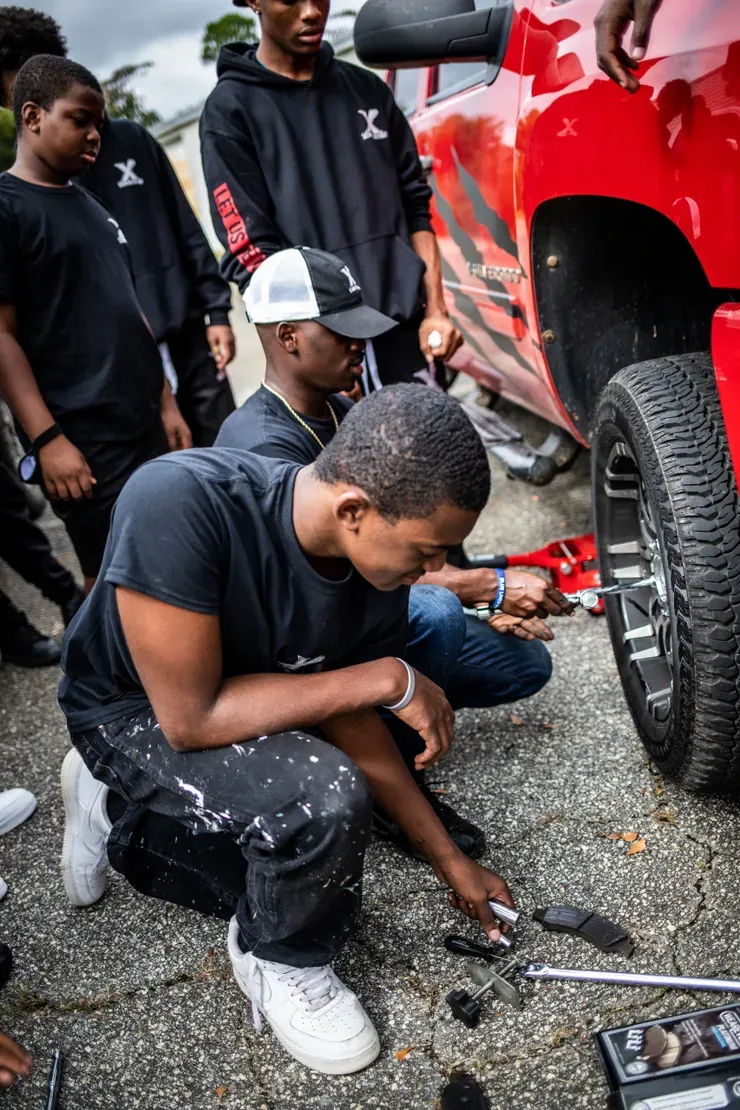
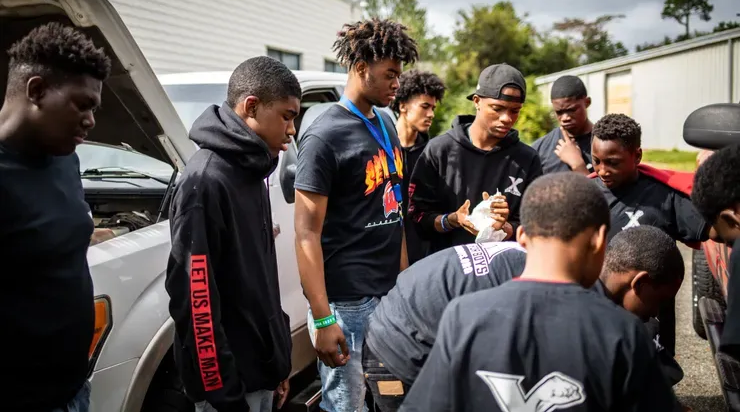
It is one thing to tell a young man to become responsible. It is something entirely different to put him in situations where responsibility becomes necessary. Watching his students navigate real-life scenarios reminded me that education is about much more than academics. We have become so focused on test scores and graduation rates that we sometimes forget schools should also prepare children to become productive adults. Randall hasn’t forgotten that. In many ways, he has built an educational model around it.
One of the things that impressed me most was the range of life skills his students are learning. They discuss leadership. They learn accountability and practice discipline. They are taught how to recognize coercion and understand consent, not through abstract lectures but through practical conversations that force them to think beyond themselves. What does “no” really mean? What responsibility does a young man have to pay attention to more than words? How should honorable men conduct themselves when someone else’s comfort and safety are involved? These are conversations many adults wish had happened much earlier in their own lives.
Recently, Randall expanded his work to include girls through a special camp, and even there his emphasis remained practical. Rather than focusing on superficial ideas of empowerment, the girls learned situational awareness. They learned to identify landmarks. They learned to pay attention to their surroundings. They learned habits that could one day save their lives. Those lessons may sound simple, but they’re exactly the kinds of things previous generations often learned from parents, grandparents and neighbors. Randall understands that if those lessons are disappearing at home, someone has to make sure they aren’t disappearing altogether.
I asked him what differences he noticed after spending time teaching girls. His answer made me smile because it was both thoughtful and honest. He admitted he hadn’t worked with them long enough to make sweeping conclusions, but his initial observation was that many girls seem to arrive with a greater measure of common sense. Boys, on the other hand, often require much more direct instruction. However, once boys truly understand a concept, he believes they retain those lessons exceptionally well. Again, experience seems to cement knowledge in ways lectures rarely do.
As our conversation continued, I asked what he believes is the greatest challenge facing young men today. Without hesitation, he answered with two words that seem almost old-fashioned in today’s culture: discipline and consistency. We live in an era where instant gratification has become the norm. Discipline requires saying no to ourselves. Consistency requires showing up long after the excitement has worn off. Randall believes those two qualities create the foundation for successful men, and after watching his work, it’s difficult to argue otherwise.
His perspective on fatherhood was equally refreshing. As a young father himself, he doesn’t believe his assignment is to become his child’s friend. He believes his assignment is to become his child’s father. There is a tremendous difference. Friends comfort us but Fathers prepare us. Friends often tell us what we want to hear, while Fathers tell us what we need to hear. That distinction may sound simple, but it has become increasingly rare in a culture that often confuses popularity with parenting.
When I asked what advice he would give fathers navigating difficult co-parenting relationships, his answer never drifted from his central philosophy. Be present. Stay involved. Your child needs you. Regardless of disagreements between adults, children deserve fathers who provide structure, consistency and discipline. There is simply no substitute for a father who shows up.
Because June is also National Men’s Mental Health Month, our conversation naturally turned toward one of today’s most polarizing phrases: toxic masculinity. Randall believes what many people describe as toxic masculinity is often something else entirely. In his view, much of the destructive behavior we associate with masculinity actually reflects its absence. Real masculinity protects and provides. It exercises discipline and demonstrates self-control. When those qualities are missing, he believes we are not witnessing masculinity at all but rather an attempt to compensate for never having learned it.
Whether readers agree with every one of his conclusions isn’t really the point. What matters is that King Randall is doing something increasingly rare. He isn’t merely criticizing the next generation. He’s investing in it. While many adults spend hours debating what is wrong with today’s young men, he wakes up every morning committed to becoming part of the solution. There is a profound difference between commentary and commitment. Randall has chosen commitment.
His leadership extends beyond the students who walk through the doors of The X for Boys. He has also built an organization capable of sustaining itself. During our conversation, he proudly shared that they are now able to pay their staff competitive, livable wages. That may sound like a business decision, but I believe it reflects another dimension of manhood that is often overlooked. Leadership isn’t simply about casting vision. It is also about creating opportunities for others to thrive. Taking care of the people helping you fulfill your mission matters. Provision matters. Responsibility matters.
The moment that stayed with me wasn’t actually something King Randall said. It was an example he shared with me.
During our conversation, he shared videos from a recent outing with several of the boys from The X for Boys. They had gone to a restaurant, and unbeknownst to the students, Randall had already prepared the host and waitstaff to intentionally provide terrible service. Orders were wrong. Service was slow. The experience became increasingly frustrating, exactly as he had planned.
At first, I wondered why anyone would intentionally create that kind of situation for young people. Then Randall explained what happened next.
Rather than allowing the boys to react emotionally, Randall coached them through the experience in real time. He reminded them that they should never pay for food they didn’t order simply because confrontation makes people uncomfortable. At the same time, he challenged them to advocate for themselves without becoming disrespectful or combative. They learned how to remain calm under pressure, communicate clearly, de-escalate conflict and solve a problem without sacrificing their dignity. It struck me that this wasn’t really a lesson about restaurant service at all. It was a lesson about life.
Every adult will eventually encounter poor customer service, unfair treatment, misunderstandings or conflict in the workplace. The difference between people who thrive and those who don’t often comes down to how they respond in those moments. Watching those young men work through an intentionally uncomfortable situation, I realized Randall isn’t simply teaching boys information. He’s giving them experiences they’ll draw from for the rest of their lives. Long after they’ve forgotten a worksheet or textbook lesson, they’ll remember how to handle themselves when life doesn’t go according to plan.
That, to me, is education.
Our conversation also took an unexpected turn when I asked why so many men seem emotionally immature today. Randall’s answer challenged another popular narrative. He doesn’t believe men need fewer emotions. He believes they need better places to put them.
“Men need circles,” he explained. While our culture often encourages men to express every emotion everywhere, Randall believes wisdom requires discernment. There are moments when fathers must remain emotionally steady for their children. There are times when a husband may need to process his deepest fears or frustrations somewhere other than with his wife. Not because vulnerability is weakness, but because every relationship isn’t designed to carry every burden.
Healthy men, he believes, need healthy male friendships. They need trusted brothers who understand the weight of leadership, fatherhood and responsibility. They need spaces where they can be honest without judgment, challenged without shame and strengthened without pretense. Listening to him, I couldn’t help but think that perhaps one of the greatest losses in modern society isn’t masculinity itself. It’s the disappearance of the trusted circles that once helped shape it.
The more we talked, the more I realized King Randall is responding to timeless needs. Boys have always needed discipline. They have always needed fathers. They have always needed examples. They have always needed men willing to invest in them before expecting anything in return. Technology has changed. Society has changed. Politics have changed. Those needs have not.
Perhaps that’s why I kept thinking about those young leaders from generations past. Dr. King was barely into adulthood when he accepted responsibilities that would forever alter America. Malcolm X transformed himself before helping transform countless others. Fred Hampton was organizing communities while many people his age were still trying to figure out what they wanted to do with their lives. None of them waited for someone older to fix the problems around them. They answered the call themselves. I believe King Randall is answering that same call for this generation.
History will ultimately determine the size of his legacy, just as it has for every transformational leader who came before him. But I don’t believe we have to wait fifty years before acknowledging what is happening in front of us. Sometimes greatness doesn’t announce itself with headlines. Sometimes it looks like a young man opening the doors of a school every morning, believing that if enough boys become honorable men, entire communities can change.
As I left our conversation, I couldn’t help but think that perhaps we have been asking the wrong question all along. Instead of asking where the next generation of leaders will come from, maybe we should pay closer attention to the ones already among us. They may not always look the way we expect. They may not wear suits or stand behind pulpits. They may not seek celebrity or political office. Sometimes they simply choose to shoulder responsibilities that others have abandoned.
That is why King Randall is Lenox & Parker’s 2026 Man of the Year.
Not because he has all the answers. Not because his work is finished. But because he reminds us that leadership has never been about age. It has always been about accepting responsibility for the future of others. If history has taught us anything, it’s that the greatest leaders are often recognized long after they have already begun changing the world. My hope is that this generation won’t make that mistake. My hope is that we will recognize King Randall while the story is still being written, because I believe one day history will remember that while so many people were asking what had gone wrong with our young men, King Randall quietly showed us what could still go right.