One Golden Summer Forces America to Reconsider Jackie Robinson

– 4 min read





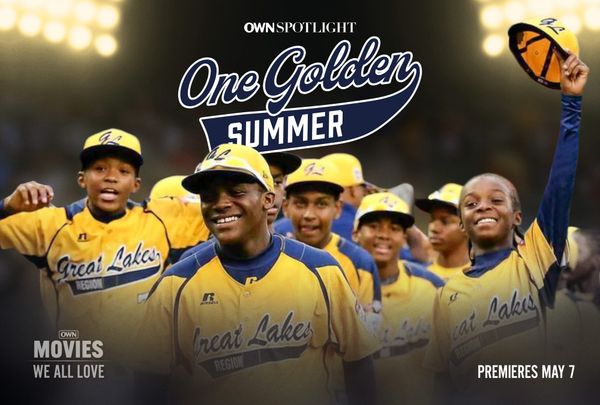
There’s something deeply unfair about watching children become the face of a controversy adults created for them. That feeling stays with you while watching One Golden Summer, now streaming on Max and airing on OWN. The documentary revisits the rise and fallout of Jackie Robinson West’s historic 2014 Little League run, but instead of recycling the scandal everyone thinks they remember, it slows down long enough to center the boys who actually lived through it. And honestly, that changes everything.
For years, the story was told through headlines, commentary, and public opinion. This film feels different because Tre, DJ, and the rest of the team are finally old enough to speak for themselves. You’re no longer watching children be talked about. You’re watching grown men reflect on what it felt like to carry a city’s pride one minute and its disappointment the next. “In 2014, the headlines never showed the full story,”
Tre says during the documentary. “When things started getting deeper, they started to realize it was more than us. There were adults behind the scenes.”
That line landed hard for me because it exposes something we see all the time, especially in communities of color. Adults create systems, adults make decisions, adults break rules, but somehow children end up becoming the public face of the damage. The kids become easier to punish because they are visible, recognizable, and emotionally unequipped to defend themselves against national scrutiny.
Director Kevin Shaw understands that dynamic intimately, and you can feel it throughout the film. Chicago is never treated like some dramatic movie backdrop designed to make the story feel gritty or sensationalized. The South Side feels familiar, layered, and deeply human. The boys feel like boys many of us grew up around, cousins, classmates, neighbors, not characters created for inspiration porn or scandal headlines. As a woman of color, I’m exhausted by the way Black and brown communities are constantly flattened into stereotypes whenever national media gets involved. There’s always this urge to either romanticize struggle or criminalize people entirely, and One Golden Summer refuses to do either.
These were not “bad kids.” Most of them came from stable homes and supportive families. They were talented young athletes who got caught inside an adult-made mess that spiraled into something much bigger than baseball. The documentary also refuses to let institutions quietly escape accountability. Little League International had no problem celebrating these boys while the story felt magical. There were interviews, appearances, media coverage, and nonstop praise while America rooted for them. But once paperwork issues surfaced, the distance came quickly.
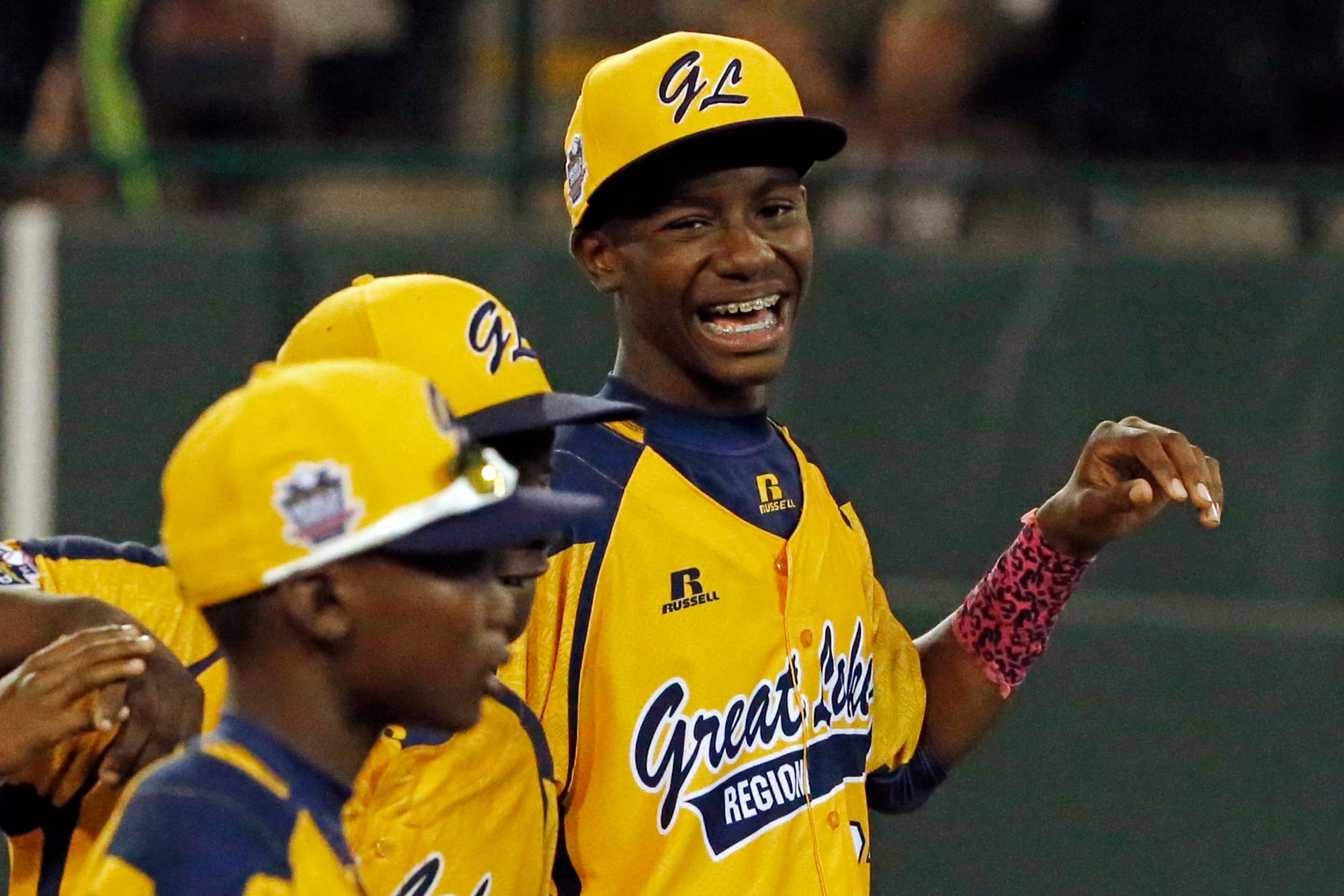
That emotional shift becomes one of the most heartbreaking aspects of the documentary because it highlights how quickly institutions can detach themselves from the very children they once publicly embraced. “When things transpired in a negative way, they cut them loose,” Shaw says, and honestly, that sentence says everything. There is a major difference between enforcing rules and publicly abandoning children. The documentary forces viewers to sit with that distinction whether they feel comfortable doing so or not.
What also stood out to me was how online commentary amplified the cruelty surrounding the situation. People forget how vicious social media became toward these kids. Grown adults debated children as though they were political scandals instead of actual human beings trying to process humiliation in real time. Meanwhile, many of the adults responsible quietly faded into the background while the boys continued carrying the emotional consequences publicly.
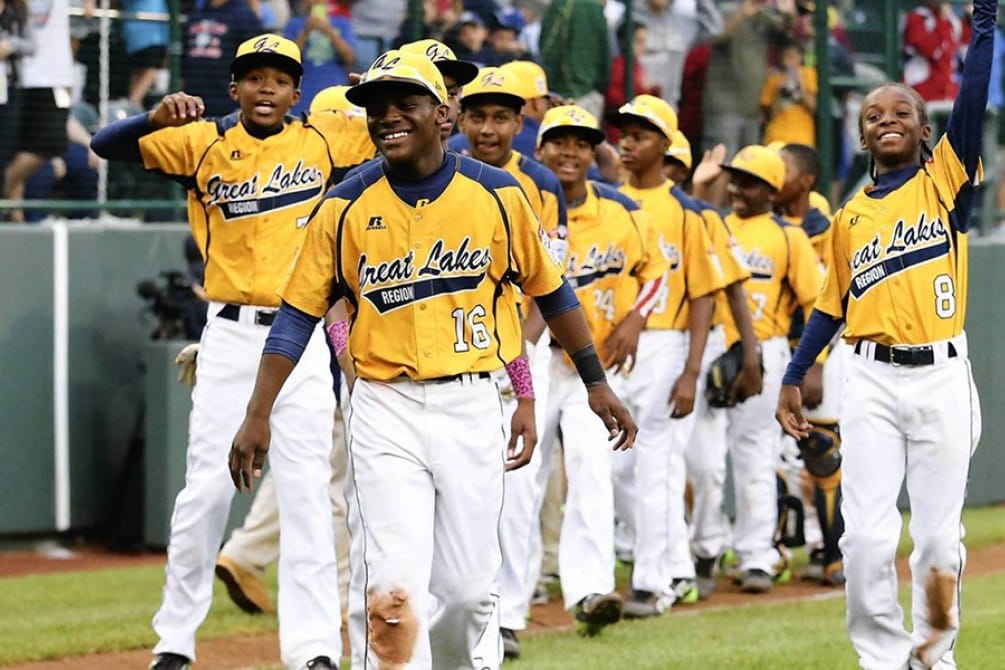
What saves the film from becoming emotionally heavy in a hopeless way is the brotherhood between the players. You can tell those relationships became survival tools for them. DJ talks about laser tag, travel ball, and everyday memories that helped them hold onto some version of normal life while everything around them exploded. That felt deeply real to me because healing does not always happen through dramatic speeches or perfect apologies. Sometimes healing is simply being around people who survived the same experience and still understand the version of you that existed before public opinion got involved.
Near the end of the documentary, there’s an underlying question about whether they still consider themselves champions after everything that happened. What I appreciated most was that their answers did not sound defensive or bitter. They sounded grounded and mature in a way that only comes from having to process public adversity at a young age. “We were authentic,” Tre says. “We showed pride in where we came from.” DJ adds, “Kids saw themselves in us. That mattered.”
And honestly, they’re right. A trophy matters, but representation matters too. Visibility matters. Little Black boys from Chicago seeing themselves on national television mattered long before adults complicated that moment with paperwork, politics, and institutional damage control. That’s what ultimately makes One Golden Summer feel bigger than a sports documentary. It becomes a conversation about what happens when children become symbols before they are emotionally equipped to carry the weight of public opinion.
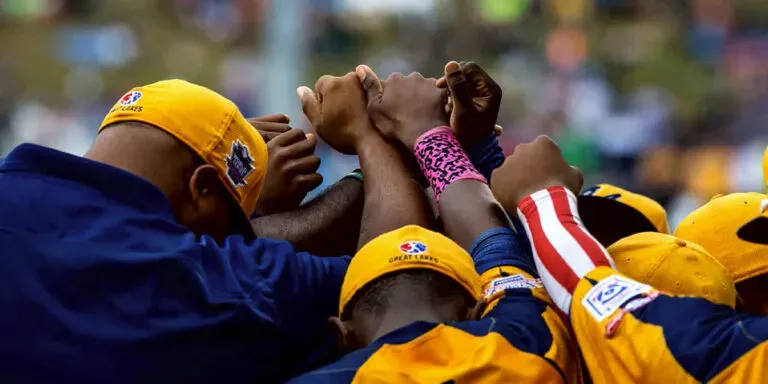
More than anything, the documentary feels like reclamation. Not revenge, not self pity, but truth. The boys who once had their identities reduced to headlines are finally speaking in full context, with emotion, perspective, and humanity attached to their names. After watching the film, you realize how rarely society allows young men of color that kind of grace once controversy enters the conversation.
One Golden Summer is not asking viewers to ignore mistakes. It is asking audiences to look deeper at who carried the consequences, who escaped them, and why that pattern continues repeating itself. And honestly, that conversation feels long overdue.