Why Spirit Airlines Gets All the Hate (And Yet Deserves All The Love)

– 4 min read






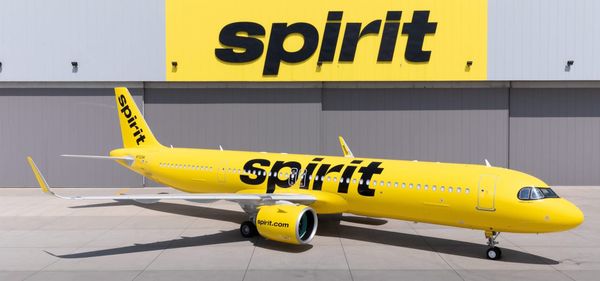
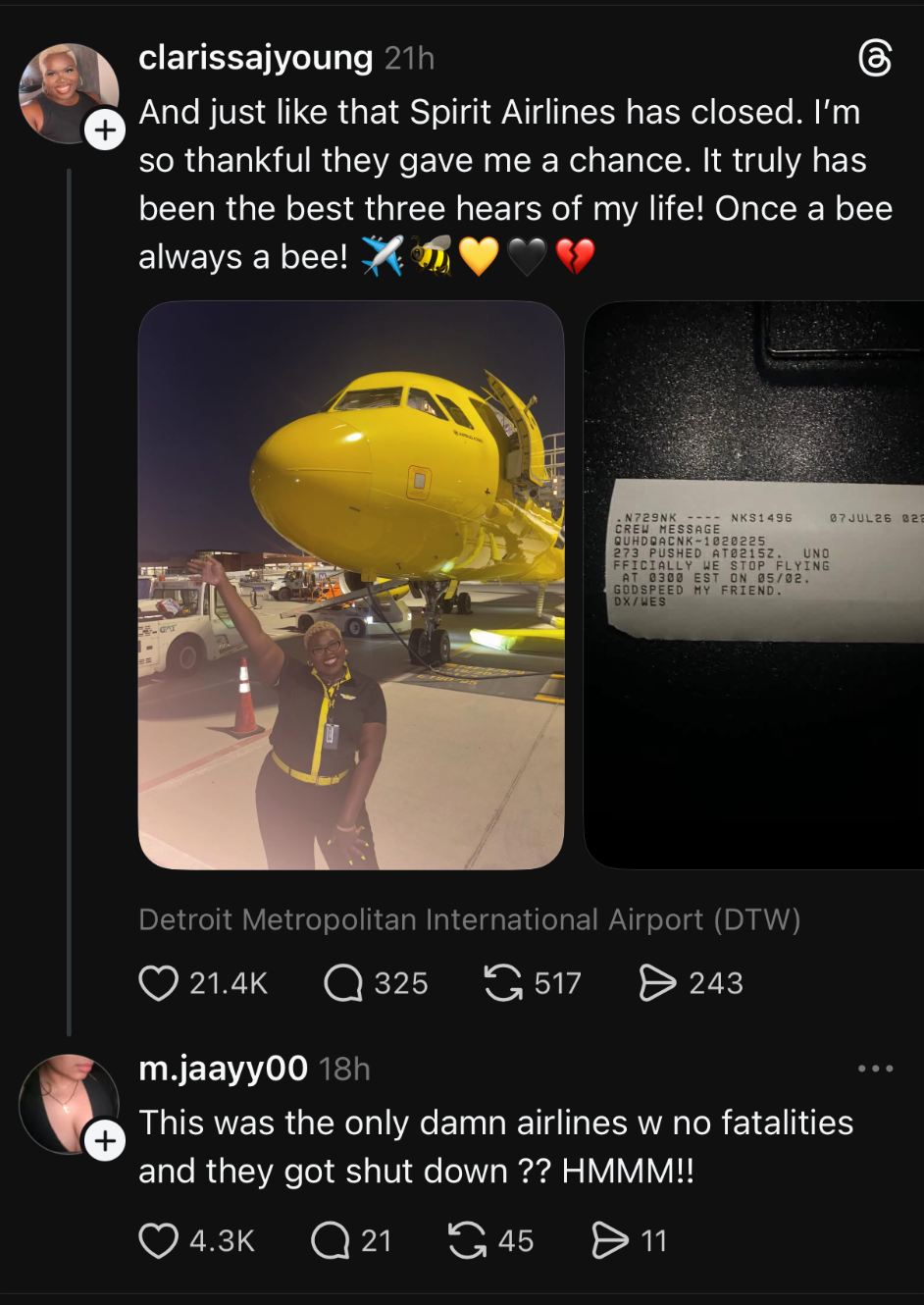
The yellow planes are grounded. The bees have stopped buzzing. And just like that, after 34 years, Spirit Airlines is gone.
Scroll through the comments and it's a completely different energy. "You got me there safe every time." "You were that girl." "The only airline with no deadly crashes." The comment sections looked more like a family reunion than a corporate shutdown.
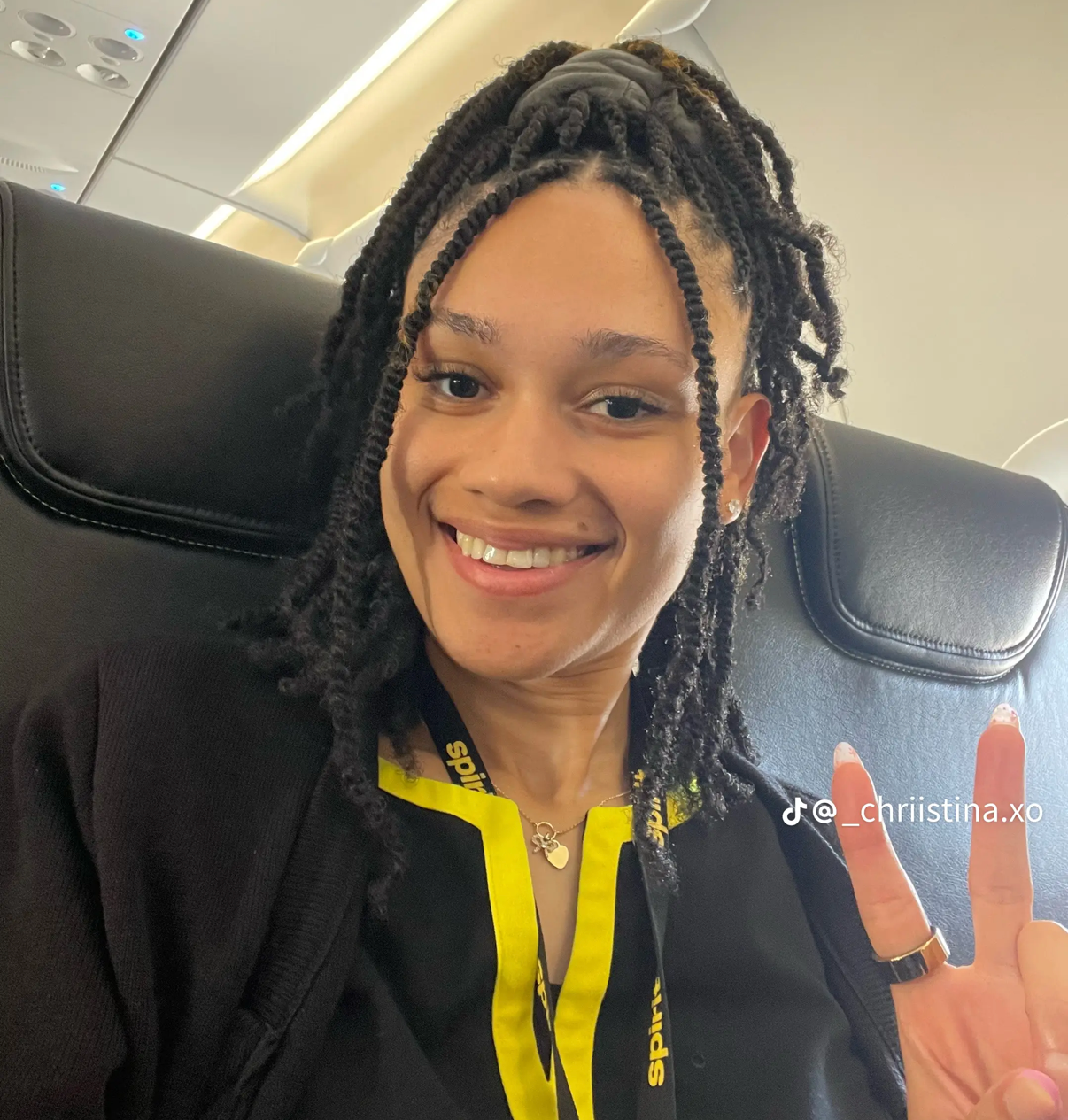
Flight attendant Christina Clark from Houston @_chriistina.xo (Tiktok) captured the feeling after four and a half years with Spirit: it was the first job that never felt like work. She spoke of laughter and jumpseat therapy with colleagues, the confidence she gained, and how the flexibility let her build her brand, get her first apartment, and travel with loved ones. Most of all, she said Spirit made affordable travel possible and created countless first-time flying moments.
What’s striking is that the same love letter spirit runs throughout the comments under Spirit’s official announcement. You see that same warmth and gratitude repeated across thousands of voices.
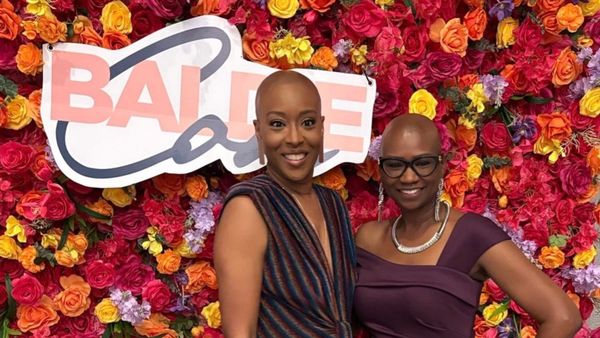
Social Media Personality, Mother, a self-described honorary flight attendant by her Spirit airline crew friends, Marshana Dahlia Ritchie Spavento @marshandahlia (Instagram), delivered one of the most poignant tributes. When I asked her, if she could address the Spirit team, she said:
“You stood in the way and you took all the arrows. You took it with a smile. You let people misunderstand you because deep down on the inside, you knew you were that girl. Thank you for making the skies not only friendly, but safe. 34 years of safety. Thank you.”

She also shared a personal testament that paints the fuller picture of what Spirit meant:
“I have gotten on a Spirit Airlines flight early in the morning dressed to kill, just to go up to New York to meet a friend for dinner and fly right back with just a handbag, heels, and clothes. I’ve done it, and I’ll do it again.” Having those benefits, she said, “made the world so small to me. I have climbed the Great Wall of China. I’ve gone to Switzerland for dinner and come back.”
On being misunderstood and the airline’s true impact, Marshana was clear: “People make fun of Spirit, but they really revolutionized the industry.” She noted that Spirit was making travel accessible, creating “a great cross section of the population.” When they started charging for luggage and itemizing services, “people made fun of them ,but every other airline followed suit.”
At its core, Spirit gave people permission to say, “I don’t care about the niceties bundled into the price. I really just want the best price. I just want to get from A to B.” On safety, the one thing that ultimately matters most, she was emphatic: “The number one thing that matters in an airline is, are you going to get there safely? Nothing else matters if you don’t get there safely.” Spirit, she said, “didn’t play about safety.” They operated some of the youngest fleets in the skies, with aircraft that were reliable and built to get you where you needed to go.
Yet behind the stories of possibility lies the very real human cost. “Imagine not only losing your job through no fault of your own ,but losing it publicly. The whole world knows you’re unemployed.” These were real people, with real families, real homes, and real responsibilities —
who paid their bills with the very real money that their airline provided them.
Spirit wasn’t perfect. The fees were relentless, the seats were tight, and the memes wrote themselves. But what it did was radical in its simplicity: it made flying accessible. For families trying to get down South for the holidays, for parents stretching every dollar, for young people chasing opportunities across state lines, Spirit was often the only option that didn’t require choosing between rent and a plane ticket.
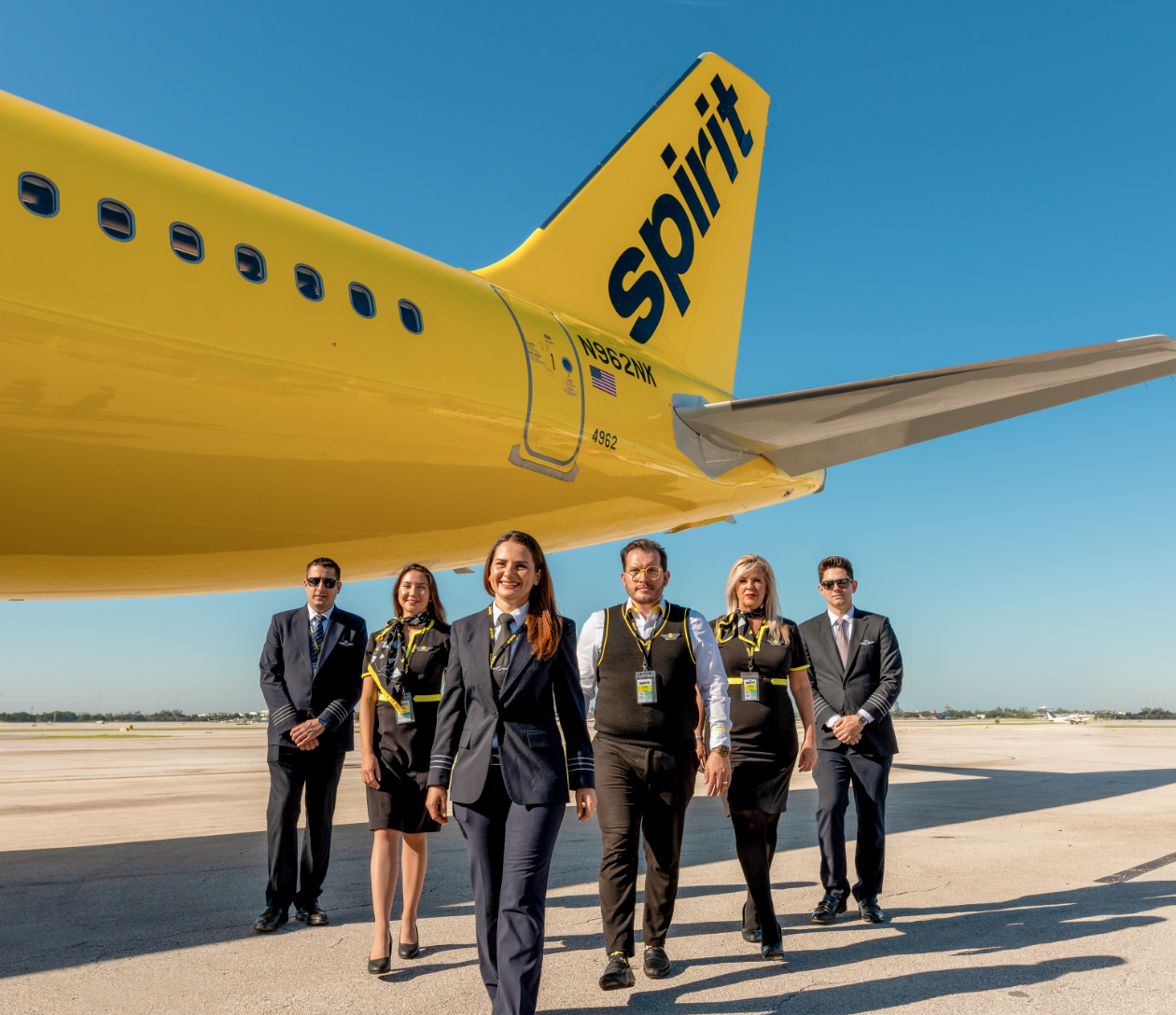
The final dagger to the heart wasn’t one thing, but the last blow came fast. After filing for bankruptcy twice, rising jet fuel prices from the war with Iran delivered the final blow. A proposed $500 million federal lifeline fell through, and on May 2nd, everything stopped. Flights canceled. Around 17,000 jobs are gone. The yellow fleet parked for good.
It was the airline you booked quietly and then joked about publicly, as if mocking it somehow made the experience feel less real. But when it actually vanished, all that performative criticism collapsed into something a lot more honest.
And right on cue, the internet performed one of its favorite tricks. People depended on it.
It switched up.Not for aesthetics. Not for luxury.For access.
Gen Z is clocking the pattern instantly. This is the same thing that happens every time something disappears. People clown it. People depend on it. It's gone. Everyone realizes it mattered. And now you're seeing it in real time in one comment section.
Those comment sections weren’t mourning an airline, they were mourning access. The ability to move without going broke. The quiet dignity of being able to say, “I’ll just grab a Spirit flight.”
This wasn’t just an airline folding. It was a reminder that access is never guaranteed and when it slips away, the people who feel it most are the ones who could least afford to lose it.
The bees are grounded now. But the memory of what they made possible? That’s still flying.