Brotherhood on Full Display: Cedric Pendleton Honors Michi Meko at NBAF

– 2 min read





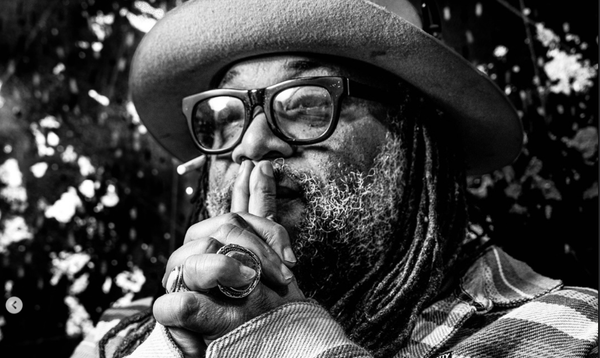
Thirty years ago, in an Atlanta bedroom long after the lights were supposed to be out, two young Black boys were still awake dreaming out loud, talking, imagining, creating. One was drawn to performance, the other to visuals, but neither of them could have fully seen what those quiet moments would become. They just knew what they loved. And they had a mother who made sure they understood that what lived inside of them mattered.
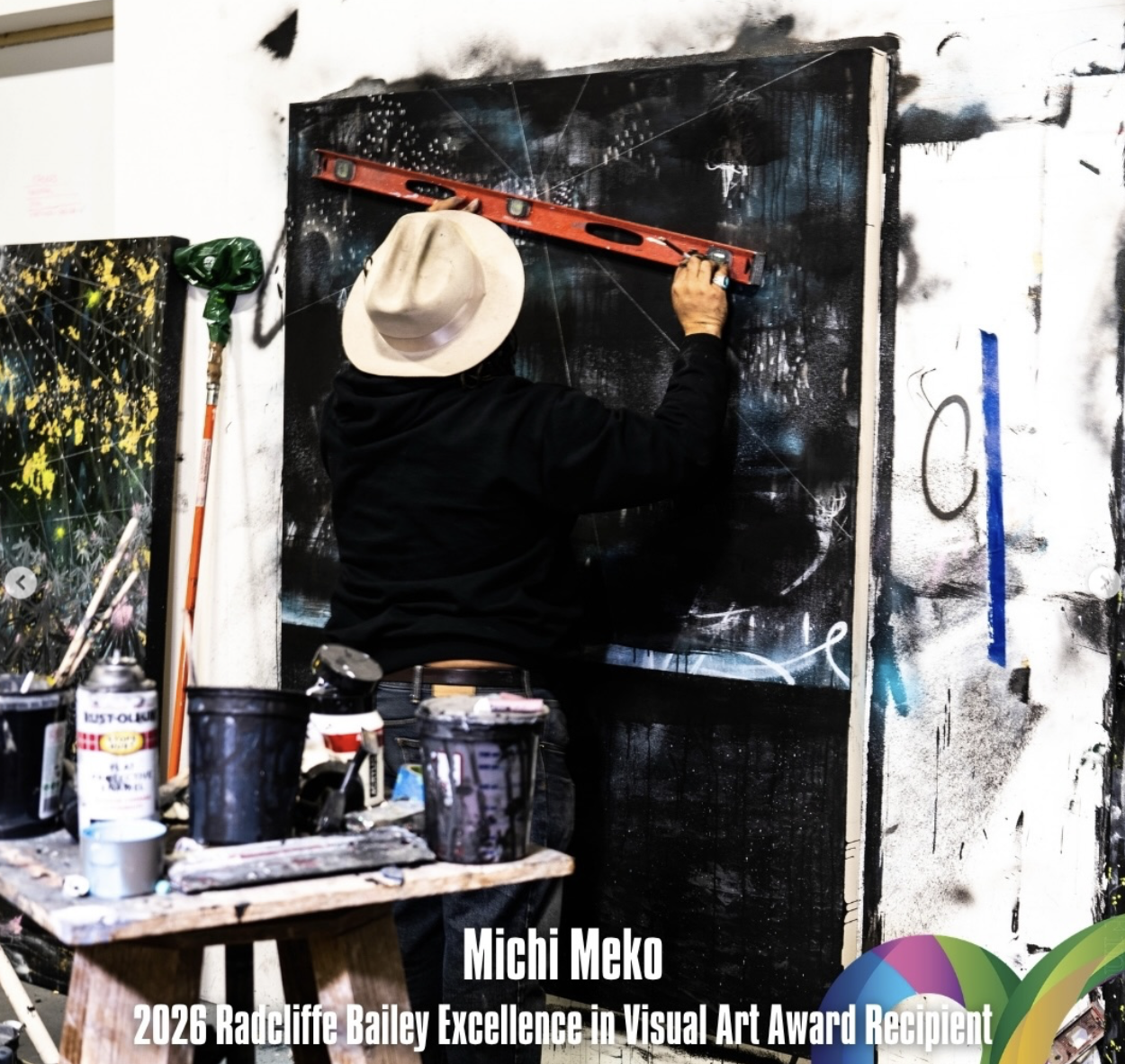
Fast forward to the recent National Black Arts Festival celebration, where Michi Meko was honored with the Radcliffe Bailey Excellence in Visual Art Award, and that same bond was on full display—only now, it was playing out under lights much brighter than the ones they once ignored as kids.
As cameras flashed and Meko moved through interviews, another lens followed him just as closely. Cedric Pendleton stood nearby, capturing his brother’s moment with a quiet pride that didn’t need explanation. And then, in a beautiful exchange, as Cedric stepped into conversation, Meko lifted his camera and returned the gesture. To the casual observer, it may have looked like admiration. In truth, it was something deeper pride & recognition.
In speaking with Cedric, the story came into clearer focus. The two grew up together in Atlanta, raised in a home where creativity wasn’t discouraged, it was nurtured. While other boys found themselves pulled in different directions, Cedric and Meko stayed close to what they felt called to do. Cedric leaned into acting. Meko into visual art. There was no roadmap, just belief.
Watching Cedric watch his brother on the red carpet felt like witnessing the purest form of support. There was no need for attention, no performance in it. Just a brother taking it in, seeing the manifestation of something he had witnessed long before anyone else.
And that journey has led Meko to become one of the most compelling visual artists working today. Known for transforming difficult ideas into work that feels both honest and visually striking, his multidisciplinary practice spans sculpture, installation, drawing, and painting. His work explores migration, survival, navigation, and the Black experience across both historical and contemporary landscapes, often pulling from the symbolism of the Deep South and reshaping it into something progressive and resonant.
But beyond the work, beyond the recognition, what lingered most was that exchange between them. The glances, the quiet smiles, the unspoken acknowledgment of where it all began. Before the awards. Before the stage. Before the spotlight.
Just two boys in Atlanta, dreaming without knowing exactly what those dreams would become. And somehow, the two are still dreaming, still together in real time.