Before Instagram Breakdowns and Public Meltdowns, There Was Brandi Webb

– 4 min read






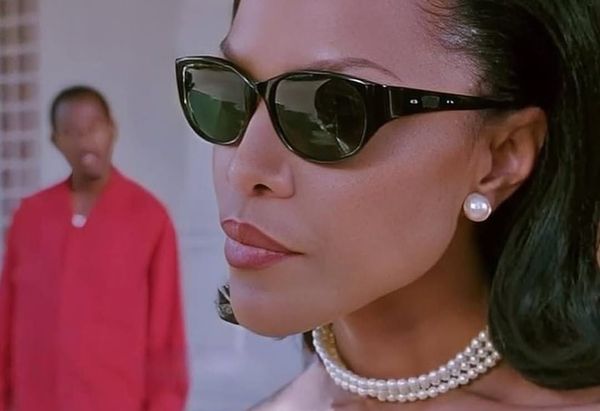
Before Instagram gave us luxury real estate girlies with "boss chick” branding, and perfectly curated glimpses into high-end lifestyles, there was Brandi Webb. Ninety-nine percent of today’s real estate influencers still can’t hold a candle to what she represented. Long before social media turned success into performance, Lynn Whitfield’s portrayal of Brandi in A Thin Line Between Love and Hate gave us a woman who didn’t just sell luxury, she embodied it. Every detail was intentional, from her wardrobe to her equestrian hobby, to her sophisticated presence and the way she moved through rooms as if she owned not just the property, but that very moment. Brandi wasn’t trying to convince anyone of her value; she was the value, and she carried that with a quiet authority that made her unforgettable.
What makes that character even more compelling today is how closely she mirrors the women we now celebrate online. The polished real estate professionals showcasing multimillion-dollar listings, the entrepreneurs branding themselves as self-made and self-sufficient, the women who have built lives rooted in independence and access, all of it echoes what Brandi Webb was already doing decades ago. The difference is that Brandi didn’t have an audience validating her every move. She didn’t need likes, comments, or viral moments to confirm that she belonged in those spaces. She simply existed in them, fully realized, fully accomplished, and fully in control of the life she had built.
And perhaps most notably, she had structured that life in a way that made love feel optional. Brandi had done what many women today openly aspire to do, she became her own safety net, her own provider, her own source of fulfillment. In the spirit of Cher’s now-famous sentiment about becoming the rich man instead of searching for one, Brandi positioned herself as someone who did not need to be chosen because she had already chosen herself. From the outside, she had everything: beauty, success, influence, and control. Love, if it came, would simply be an addition, not a necessity.
When Martin Lawrence’s character, Darnell, enters her life, he doesn’t disrupt a void, he disrupts a system. He presents himself as intentional, attentive, and aligned with the life she has built, saying all the right things and showing up in all the right ways. What Brandi interprets as sincerity is, in reality, strategy, and because she has spent so much time mastering independence, she has not fully developed the emotional discernment required to protect her peace when someone gains access to it. She knows how to build a life, but she has not practiced how to evaluate who deserves to be part of it.
In the film, Brandi’s reaction to betrayal escalates in ways that audiences once labeled as extreme, but when viewed through the lens of today’s social media culture, her behavior feels far less distant than we might like to admit. In 2026, Brandi would not need to physically follow Darnell to understand what he was doing; she would have access to his movements, his interactions, and his choices in real time through social platforms. The difference between then and now is not the emotion, it's the visibility. Heartbreak today is not just experienced, it is documented, shared, and often performed, turning private pain into public narrative.
We have seen this dynamic unfold repeatedly, including with public figures like Megan Thee Stallion, where the discovery of betrayal is compounded by the reality that the relationship itself was publicly validated. When relationships become “official” online, their endings often become spectacles, and in that spectacle, the emotional response can take center stage. This is where Brandi’s story becomes less about what happened to her and more about how she responded, because just as in the film, the reaction often overshadows the original offense.
That imbalance is not new. Brandi’s actions ultimately shifted the focus away from Darnell’s deception and onto her emotional unraveling, allowing him to move forward while she was left to carry both the pain and the perception. It is a pattern that continues today, where women who respond publicly to betrayal are often judged more harshly for their reaction than the men are for their behavior. The lesson is not that women should not feel deeply, but that how those feelings are expressed can either protect or compromise their dignity.
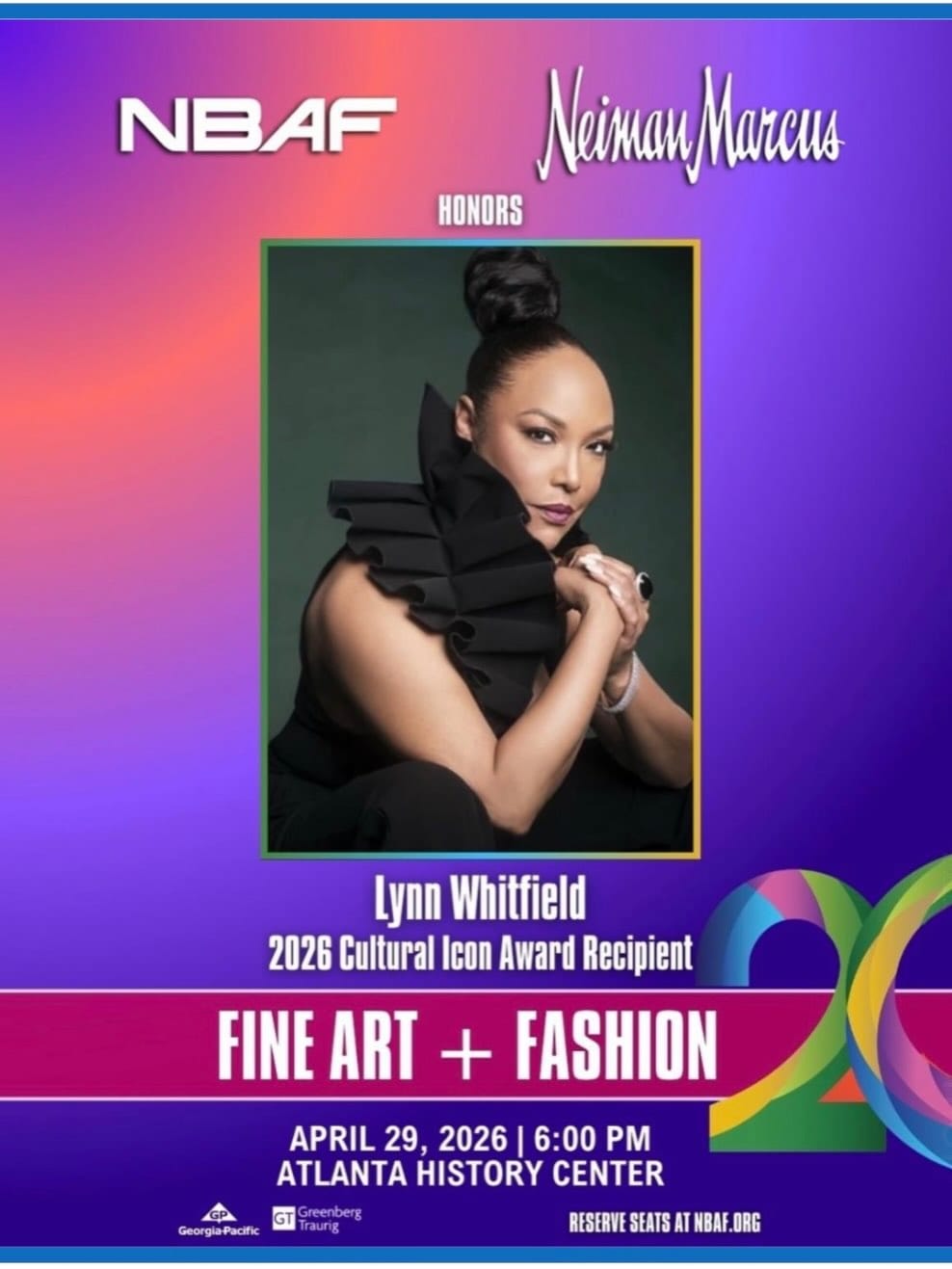
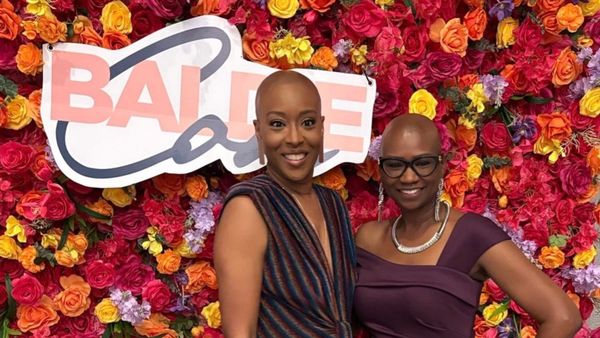
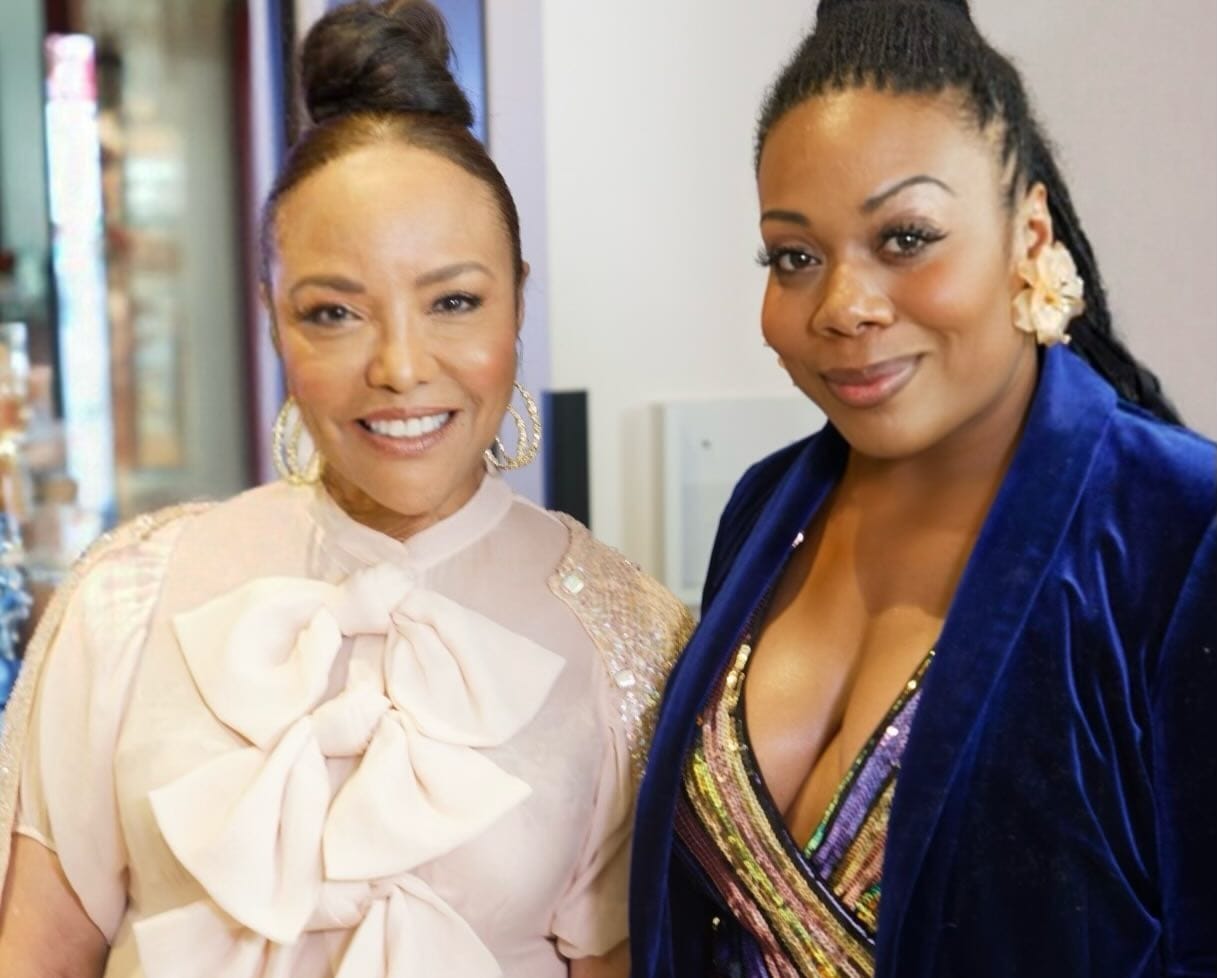
It is here that Whitfield’s reflection offers something both simple and powerful. I caught up with her as she was being honored with the cultural icon award at the 2026 NBAF gala in Atlanta, Ga. When asked what she learned from her roles, she immediately referenced Brandi Webb and distilled the takeaway in a way that feels especially relevant in this era: if someone wants to leave, let them. That perspective is not about suppressing emotion or pretending that heartbreak does not hurt; it is about understanding that dignity is not something to be negotiated after rejection. It is something to be maintained, even in the most difficult moments.
Brandi Webb’s story reminds us that success, beauty, and independence do not automatically translate into emotional preparedness. You can build an empire and still find yourself unprepared for the vulnerability that love requires. You can be accomplished in every visible way and still lack the internal framework needed to navigate disappointment without losing yourself in the process. That is what makes her story so enduring, because it is not rooted in extremity as much as it is rooted in something far more relatable: the absence of emotional tools when they are needed most.
In a world where every feeling can be shared, amplified, and validated in real time, the real lesson is not about avoiding heartbreak, because heartbreak is inevitable. The lesson is about resisting the urge to turn that heartbreak into a spectacle. Brandi Webb did not lose because she loved the wrong man; she lost because she allowed that love to dismantle her sense of self. And in 2026, with every platform inviting reaction and every moment offering the opportunity to respond publicly, there is something profoundly powerful about choosing restraint, choosing privacy, and choosing to walk away with your dignity intact.