Queen Bey’s Triple Crown Signal: Negro League Roots, Derby Legacy, and the Clues Pointing to a Pre-Juneteenth Return
– 4 min read





Beyoncé doesn’t just release music, she restores memory, and if you’ve been paying attention, something is already in motion.
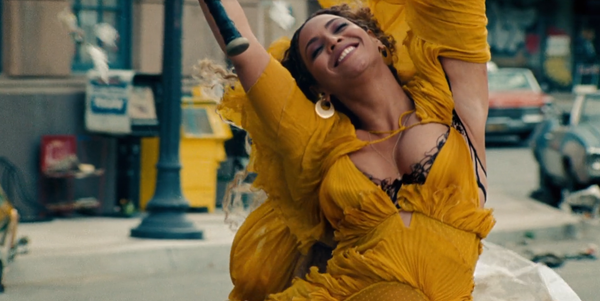
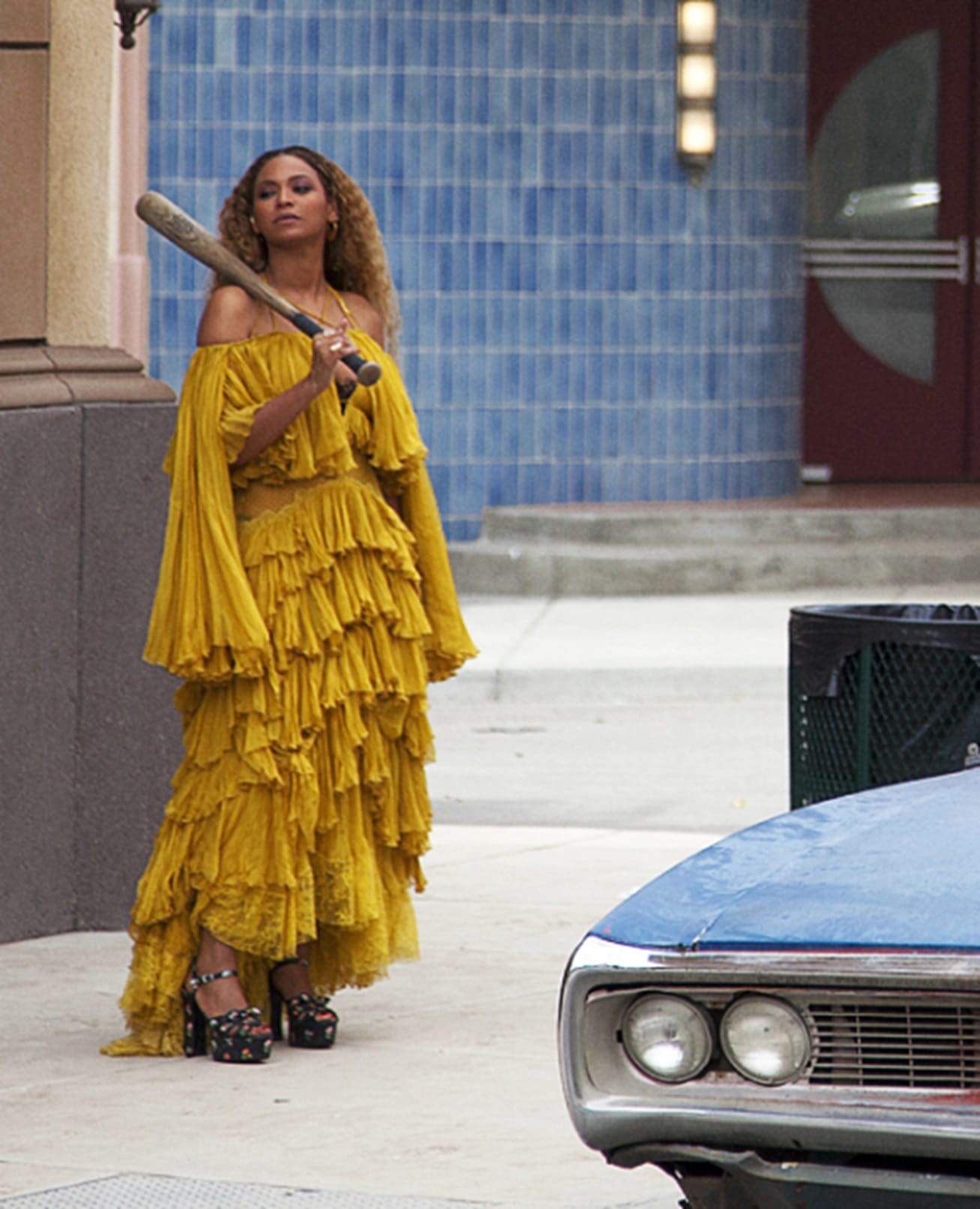
There’s a certain kind of excitement building around her right now, the kind that doesn’t come from announcements, but from energy. You feel it in the return to Lemonade, you catch it in the quiet nod to Survivor, and you definitely recognize it in that unforgettable “Hold Up” walk, where she moves through the street in gold, smiling like she’s already ten steps ahead of the conversation. That moment never really left us, but suddenly it feels louder, like it’s part of something circling back.
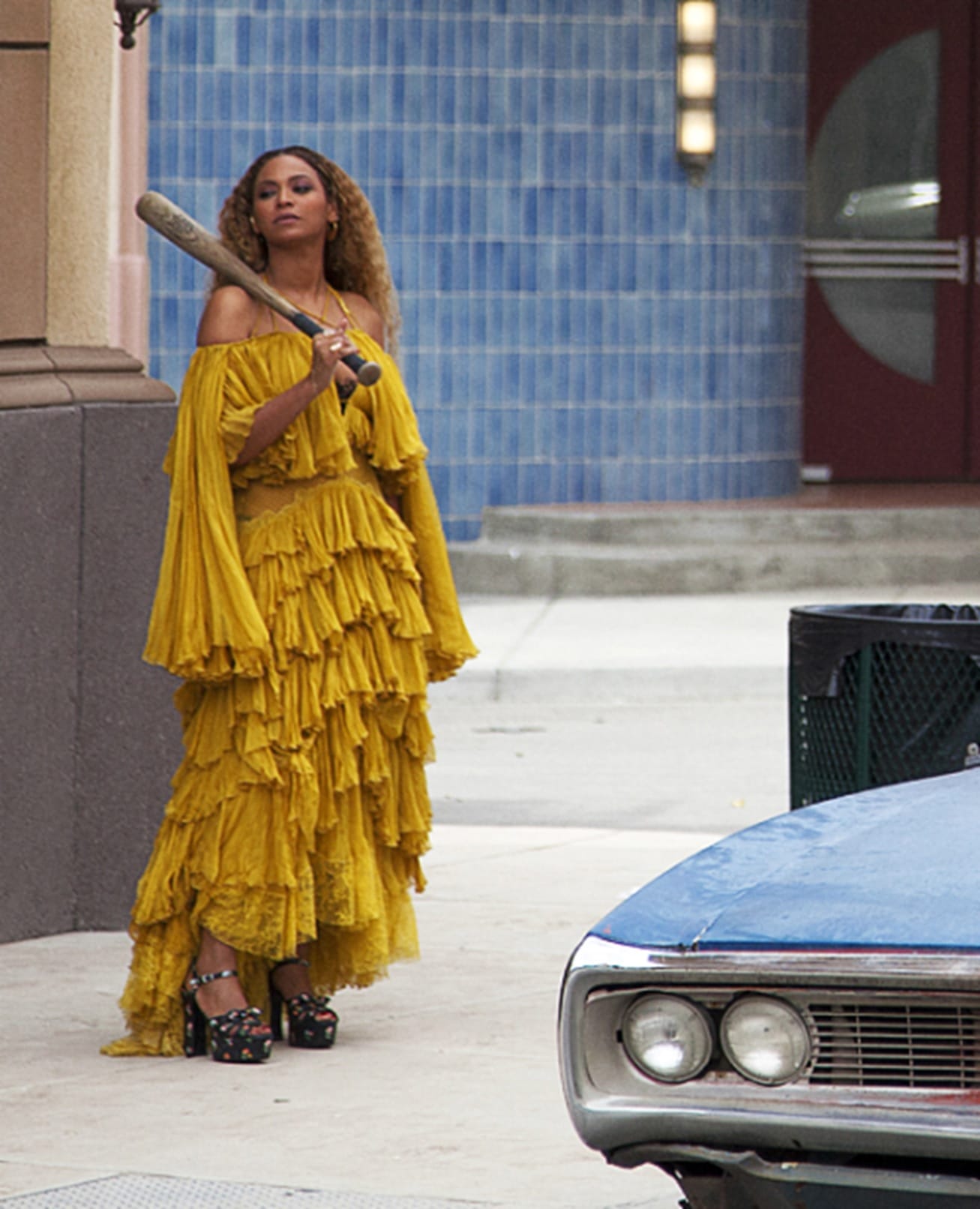
What makes Beyoncé different is how she uses imagery. She doesn’t just create visuals, she layers meaning into them, and that “Hold Up” moment carries more than attitude. It carries memory, pulling from a history that doesn’t always get centered, a history that shaped American culture long before it was widely acknowledged.
Think about the Negro Leagues. Entire ecosystems of Black excellence built in plain sight, while Major League Baseball carried on as if they didn’t exist. Those players weren’t just good, they were exceptional, innovative, and undeniable, building a standard that the game still benefits from today. That kind of legacy doesn’t disappear, it settles into the culture and waits to be recognized again.
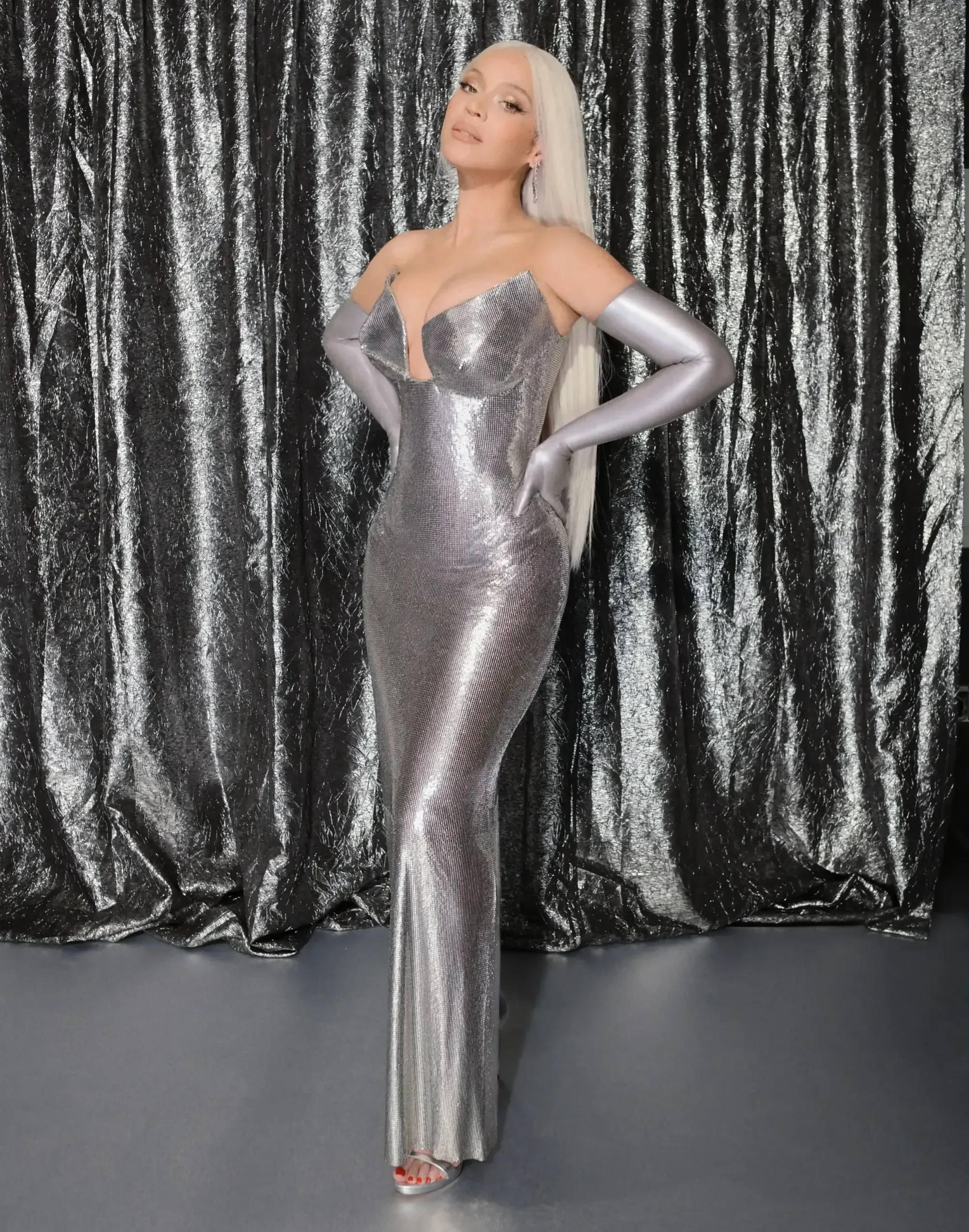
That recognition is showing up in more places than one, including in the work of author Sultan Zeshan, who has been doing the kind of quiet but necessary work that doesn’t always trend but absolutely matters. His book Legendary Major Leaguers places young Black readers at the center of a story they’ve always been part of, while his focus on Black jockeys and their early dominance in the Kentucky Derby adds another layer to a narrative that has too often been overlooked. When you take a step back, these stories don’t feel separate, they feel connected.
Now look at the timing. We move from the Kentucky Derby into Juneteenth, from one moment of Black excellence into another moment of Black remembrance and celebration, and right in the middle of that cultural space Beyoncé is dropping visual cues that feel intentional and aligned. It creates a rhythm that’s hard to ignore, almost like a build toward something bigger.
That’s why the conversation around her next move feels so electric. The idea of her stepping into rock and roll doesn’t feel random, it feels aligned with everything she’s been signaling. The roots of rock have always been Black, tied to blues, carried by artists whose influence shaped the genre before it was rebranded for mass consumption, and Beyoncé stepping into that space feels like a continuation of something that was always hers to explore.
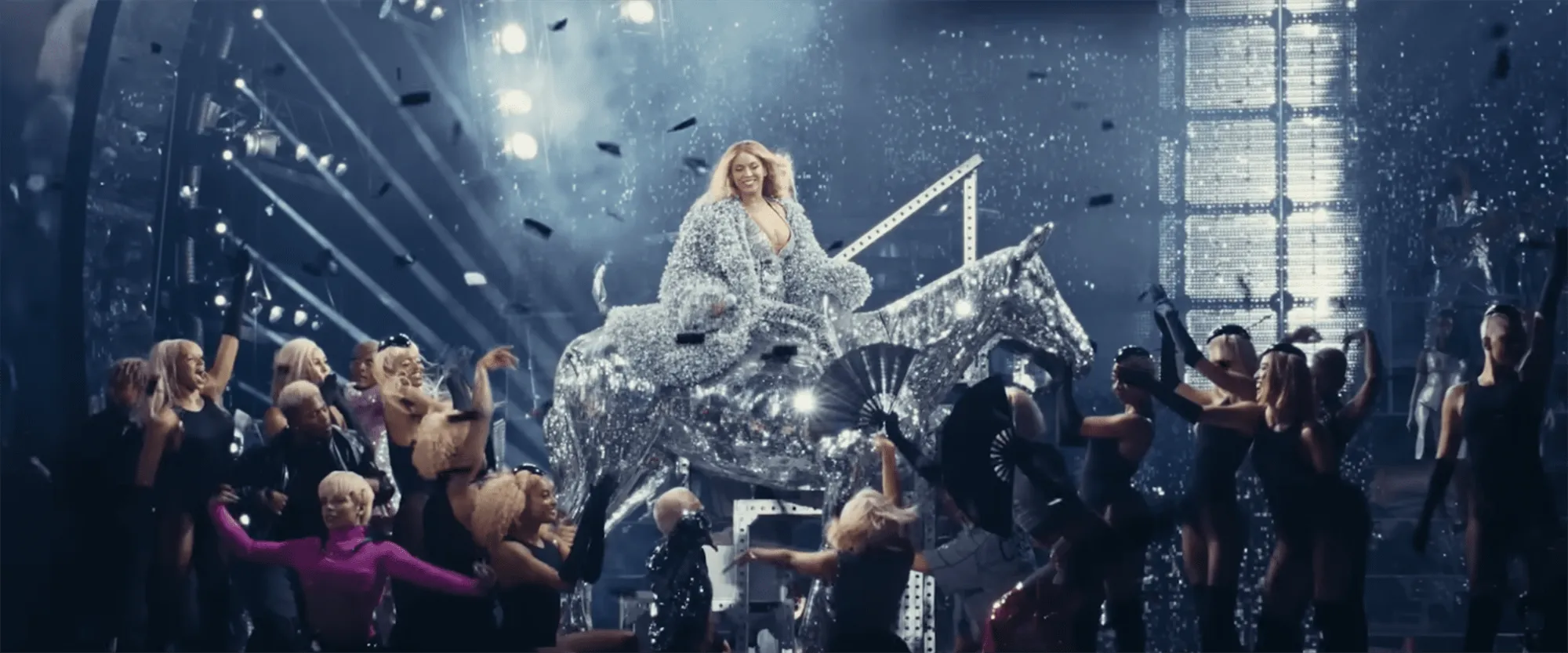
We saw her do it with Cowboy Carter, where she didn’t just enter country music, she reframed it. What looked like a surprise to some was a reminder to others that Black artists have always been part of that foundation, even when the narrative didn’t reflect it. She moved with context, and that’s exactly what makes this moment feel so familiar.
The return to Lemonade feels like revisiting a moment where culture shifted in real time, where music, identity, and conversation all collided in a way that left a lasting mark. Bringing that energy back into focus adds depth to what’s happening now, while revisiting Survivor reminds you just how long resilience has been woven into her story. When you layer that with imagery tied to baseball’s segregated past and the legacy of Black horsemen at the Derby, everything starts to feel connected in a way that doesn’t require explanation, just recognition.
What makes it exciting is how she brings the audience into it. You don’t just watch Beyoncé, you follow her, picking up on the details and realizing that she’s been guiding the narrative all along. The references feel like invitations to look deeper, to remember more, and to connect stories that were never meant to stand apart.
There’s a warmth to this moment, a sense that something meaningful is about to arrive, something that celebrates where we’ve been while pushing the culture forward again. Beyoncé has always understood how to make a return feel bigger than music, turning it into an experience that people anticipate and talk about before it even happens.
We’re in that space now, somewhere between the Derby and Juneteenth, where legacy and celebration meet and everything feels like it’s lining up at once, with the symbolism, timing, and intention all pointing in the same direction.