The Black Effect Podcast Festival Was A Reminder That Black Media Is Not Losing Our Voice, We’re Rebuilding And Restructuring It
– 4 min read



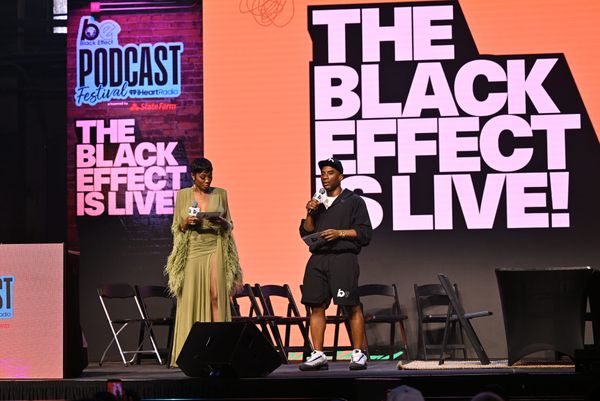
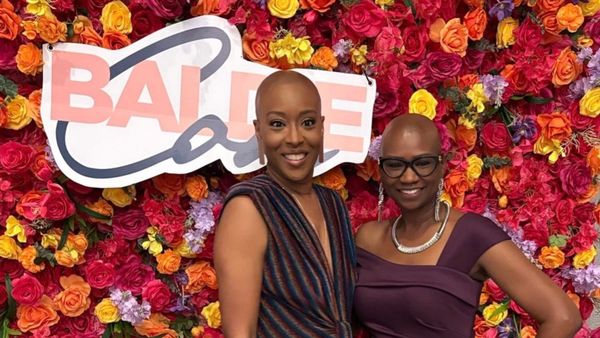
I didn’t walk into the Black Effect Podcast Festival this weekend expecting to feel anything beyond a good time. I came as a podcaster seeking information, not as media, not with a checklist, just to take it all in. But somewhere between the first panel and the last conversation, I realized I wasn’t just attending an event. I was sitting inside a very real, very intentional shift in how Black voices are being protected, positioned, and paid.
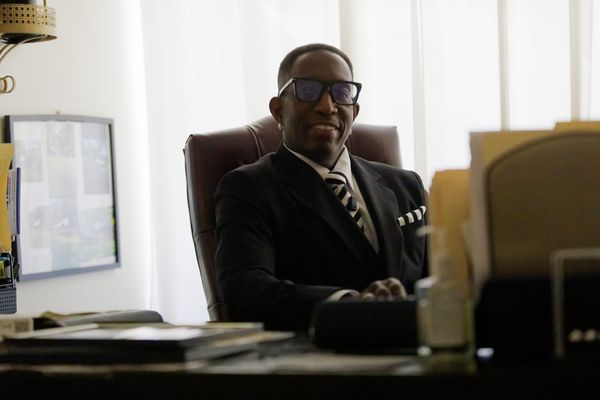
One of the first things that stood out to me was seeing Charlamagne Tha God, DJ Envy, and Loren Lorosa fully present. Not popping in for a quick appearance, not doing the celebrity drive-by, but actually there, engaged, pulling the audience in like we were part of the show. That kind of access shifts the entire energy of a room. It makes you feel seen, and more importantly, it makes you feel like you belong there.
Most importantly Charlamagne, I found myself watching him a little differently this time. Yes, he’s built an empire. Yes, he’s figured out how to monetize being culturally relevant. But what stood out to me most is how intentional he’s been about making sure he’s not the only one eating. Through the Black Effect Podcast Network, he’s not just amplifying conversations around mental health and community, he’s creating actual pathways for ownership. That’s a different level of responsibility, and you can feel it in how the entire event was structured.
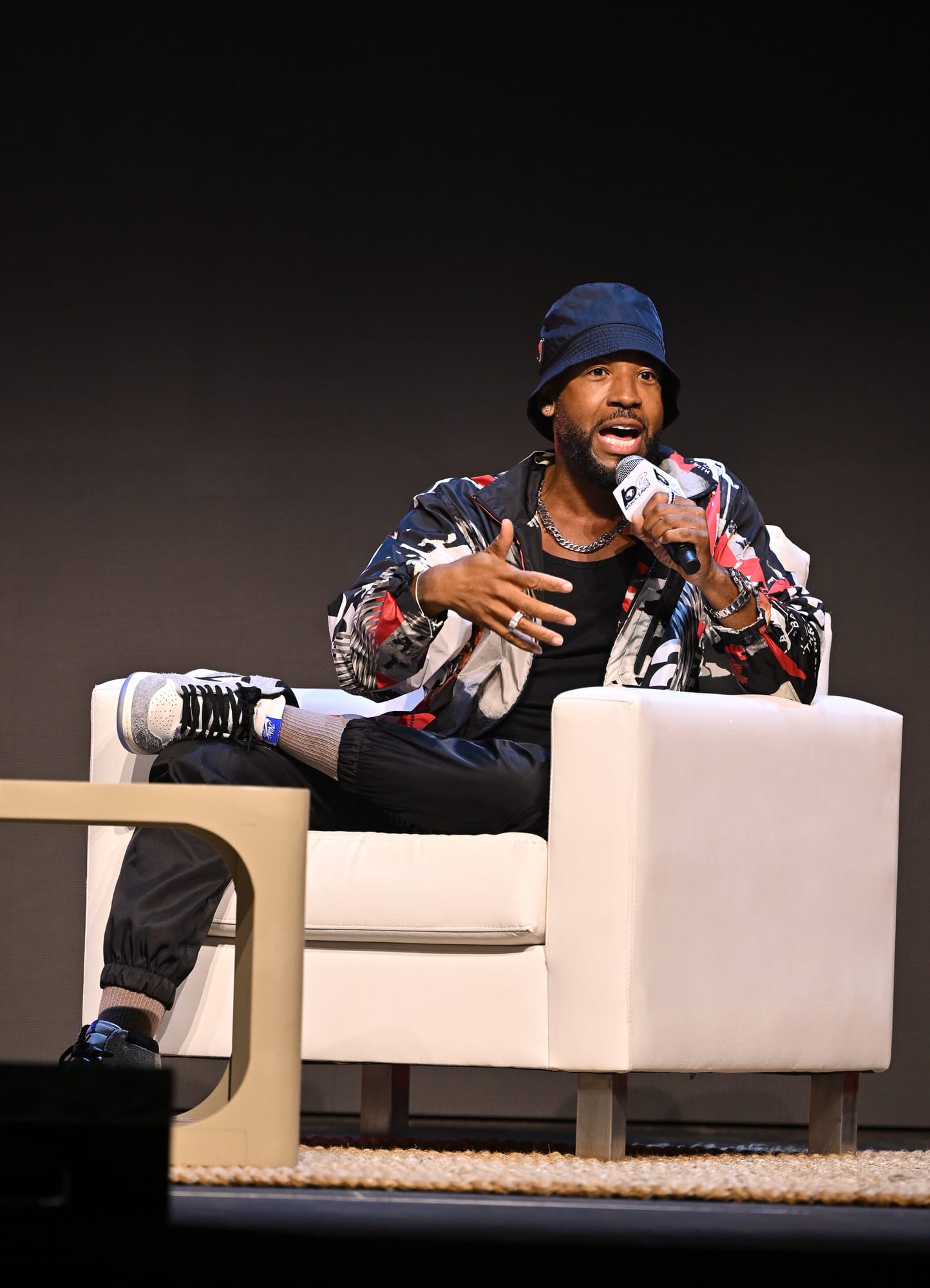
There were podcasters everywhere. Every corner had a new voice, a new idea, a new perspective. And it didn’t feel chaotic or overwhelming, it felt curated. Like, “we made space for you on purpose.” Even partners like State Farm leaned into that, encouraging creators to pitch and step into something bigger. That’s when you realize this isn’t just inspiration, it’s opportunity.
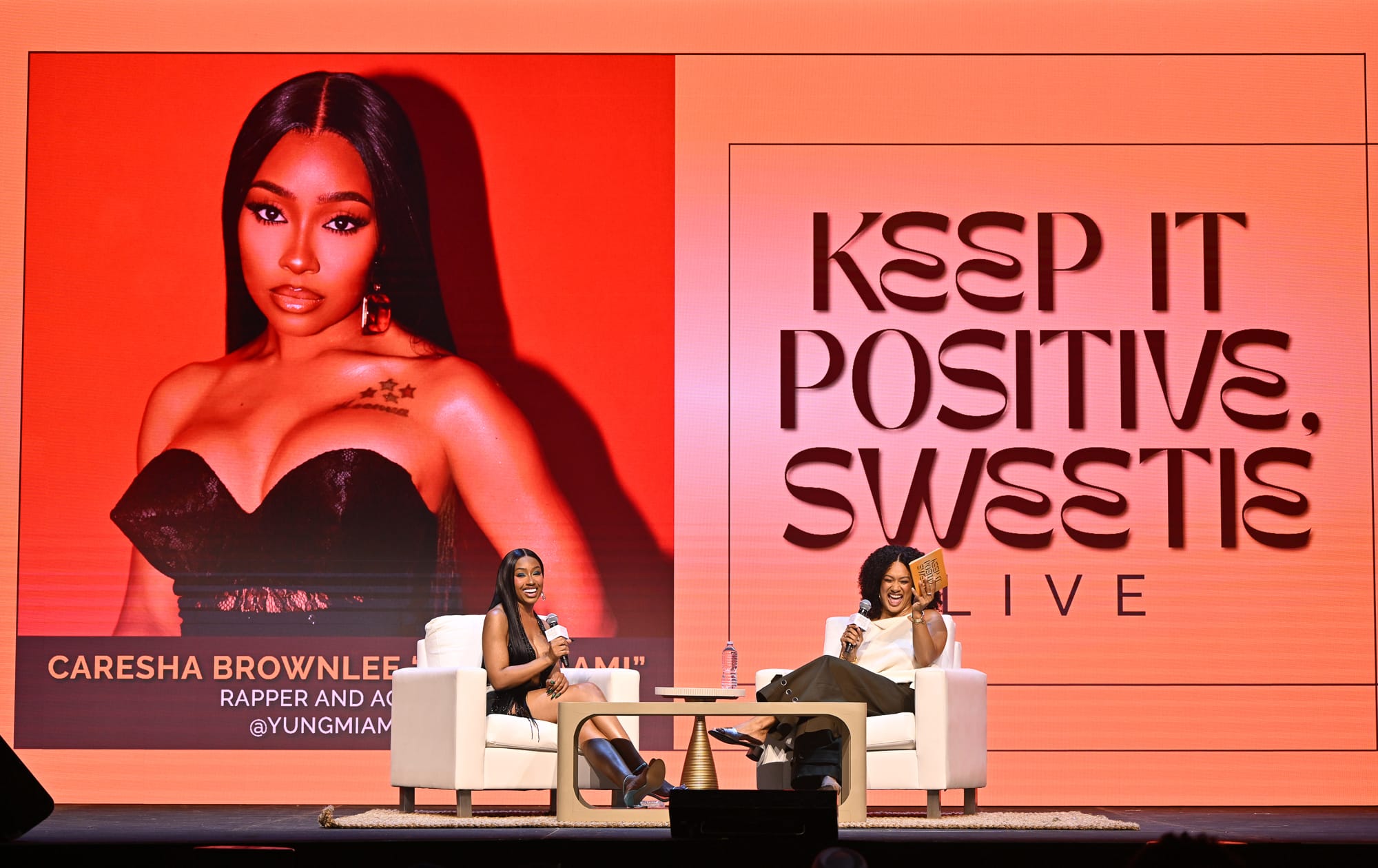
And then there were the moments that just felt good. Crystal Hayslett sitting down with Yung Miami for a that conversation had a softness to it that you don’t always get. It was about confidence, self-awareness, and really understanding who you are when the noise dies down. You could see people leaning in, not just listening, but connecting.
But I have to be honest, one of my favorite parts of the entire day was watching Carlos King do what he does best. Seeing him interview Stormi Steele, who we honored as Lenox & Parker’s 2026 Woman of the Year, felt personal for me. It was one of those moments where your worlds collide in the best way. And Carlos doesn’t just interview people, he pulls something out of them. He’s entertaining, yes, but he’s also honest in a way that feels earned.
Later, when he talked about Tyler Perry and the idea that there’s always some truth in critique, that stayed with me. Not in a heavy way, but in a “let me sit with that for a second” kind of way. Because if you’re creating anything, especially in our community, you’re going to hear it all. The question is what you choose to take with you.
And I have to say this about Loren Lorosa. There’s a quiet strength in the way she moves that I really respect. In a space where women are so often pushed into competition, especially when men are leading the structure, she refused to play into that narrative. Even with the outside noise trying to pit her against Jess Hilarious, she stayed grounded, professional, and focused. That doesn’t always get headlines, but it builds longevity.
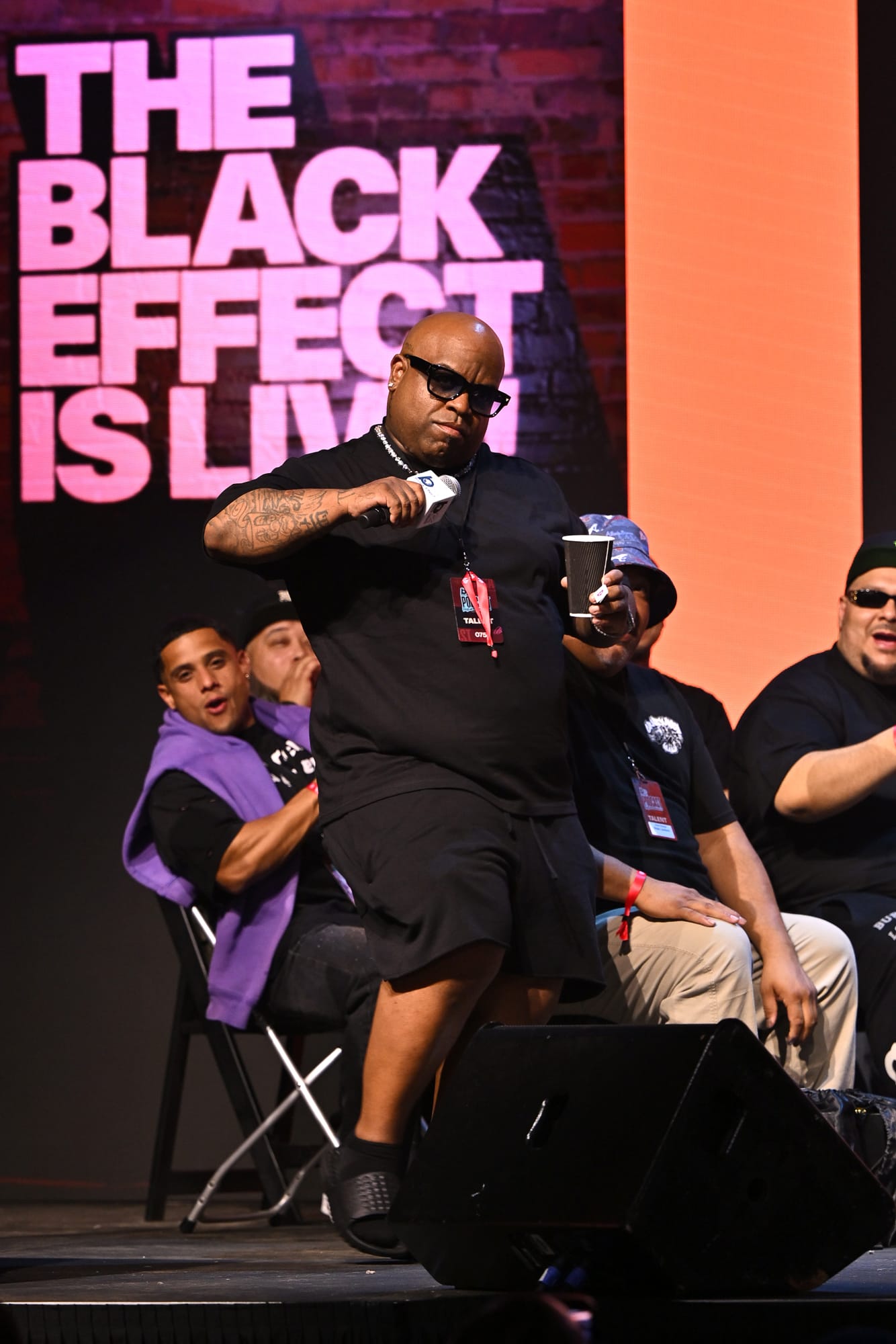
Watching a LIVE episode of 'Drink Champs' was the highlight of the day with Atlanta's international icon Ceelo Greene and RHOA newbie and country music star K Michelle being interviewed by DJ Efen and NORE ended the festival on a culturally relevant note.
Outside of the panels and LIVE conversations, the vendors added another layer that I appreciated. It wasn’t overcrowded, it wasn’t overwhelming, it just felt right. You could actually stop, talk, support, and connect. Seeing brands like Taliah Waajid present reminded me that this ecosystem isn’t just about voices, it’s about ownership across the board and active support of our community.
By the time I left, I wasn’t just impressed. I felt reassured. Because if we’re being honest, there’s been a real question lately about the future of Black media. What does it look like? Where do we go from here? And what this festival showed me is that we’re not losing anything. We’re just shifting. Podcasting has opened a door that can’t be closed, and it’s giving people the freedom to tell stories on their own terms.
It may not look like what we’re used to. It may not be packaged the same way. But the voice, our voice, is still strong. And if this weekend proved anything, it’s that we’re not waiting for permission anymore. We’re building it for ourselves.