Could The 2026 King Of Sports Weekend Be The Set Up For The Return Of Queen Bey?
– 4 min read





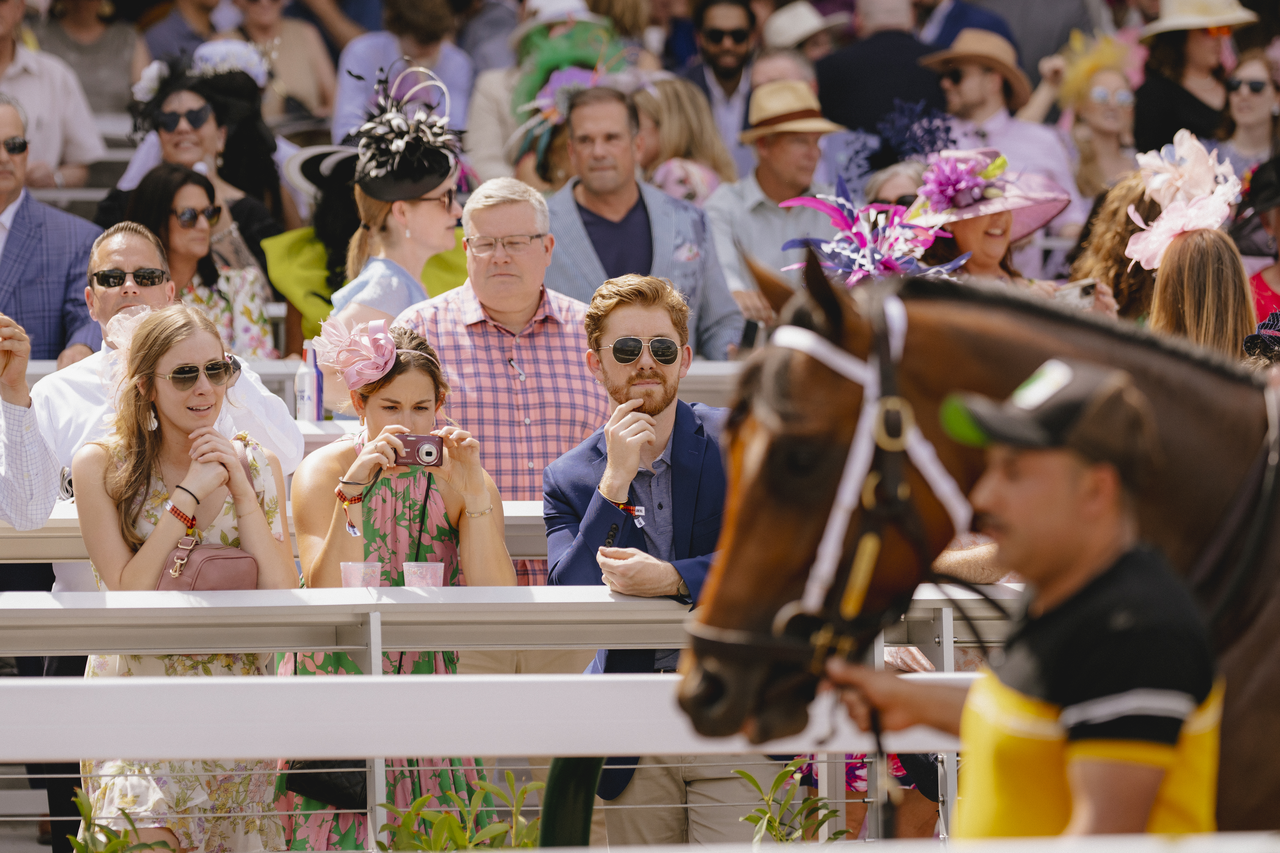
As a horse lover and owner, the Kentucky Derby presents one of the most anticipated weekends of the year. The Derby is not just a race, it’s a cultural ritual complete with elegance, fashion, spectacle, and a very specific kind of anticipation that only equestrian tradition can deliver. The hats, the pageantry, the energy, all of it builds toward a moment that feels both historic and immediate at the same time.
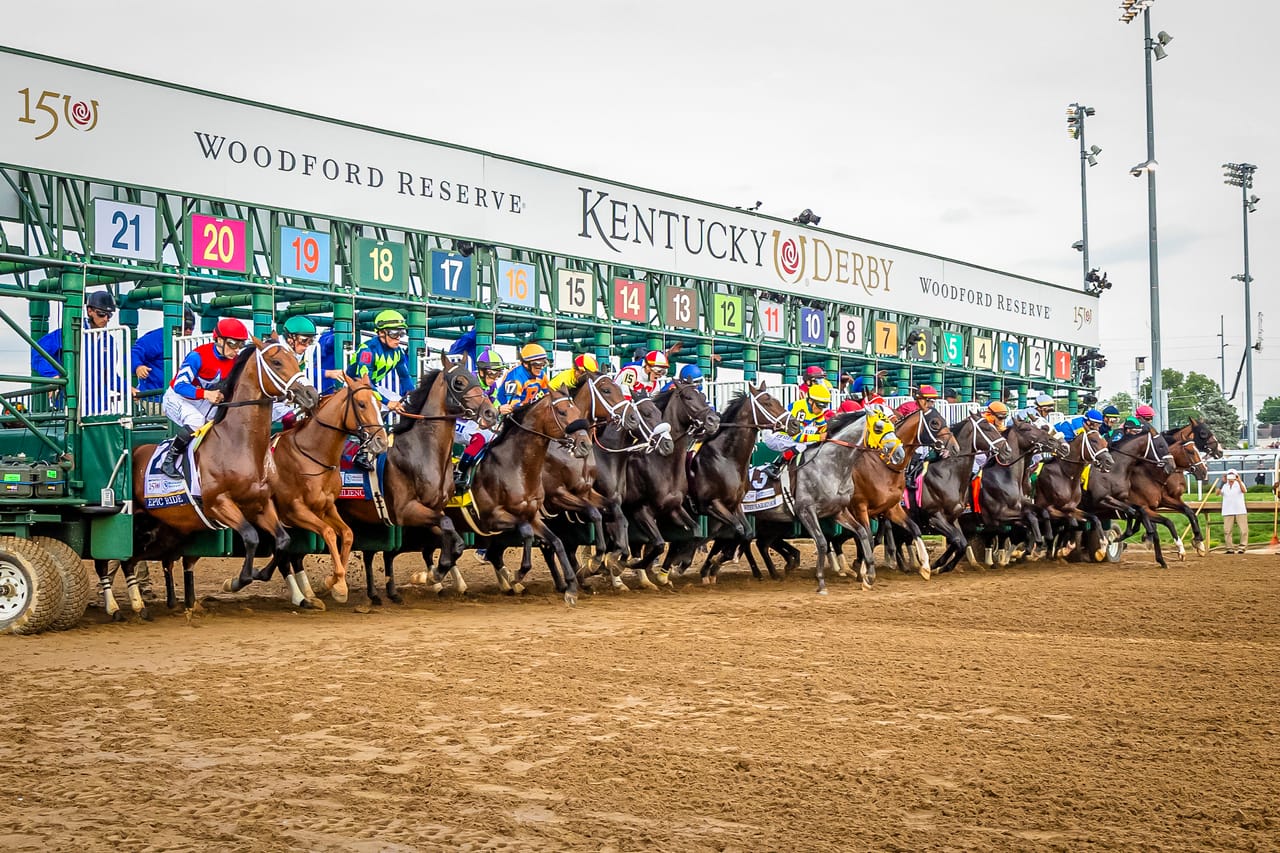
And yet, as I sit in that anticipation, I can’t ignore a second current running just beneath the surface, one that has nothing to do with Churchill Downs and everything to do with Beyoncé.
Because while the world is preparing to celebrate horses in one of their most traditional spaces, Beyoncé has been using that same symbol in a way that feels much more deliberate than decorative. What once might have read as aesthetic has evolved into something closer to narrative, something that moves with intention from one chapter to the next.
With Renaissance, she arrived on that chrome horse in a way that felt futuristic, fluid, and untethered, almost like an announcement of movement itself. Then with Cowboy Carter, the imagery shifted into something more grounded, placing her within a distinctly American frame where the horse carried weight tied to history, ownership, and identity. These two moments do not feel disconnected, instead they feel like progression.
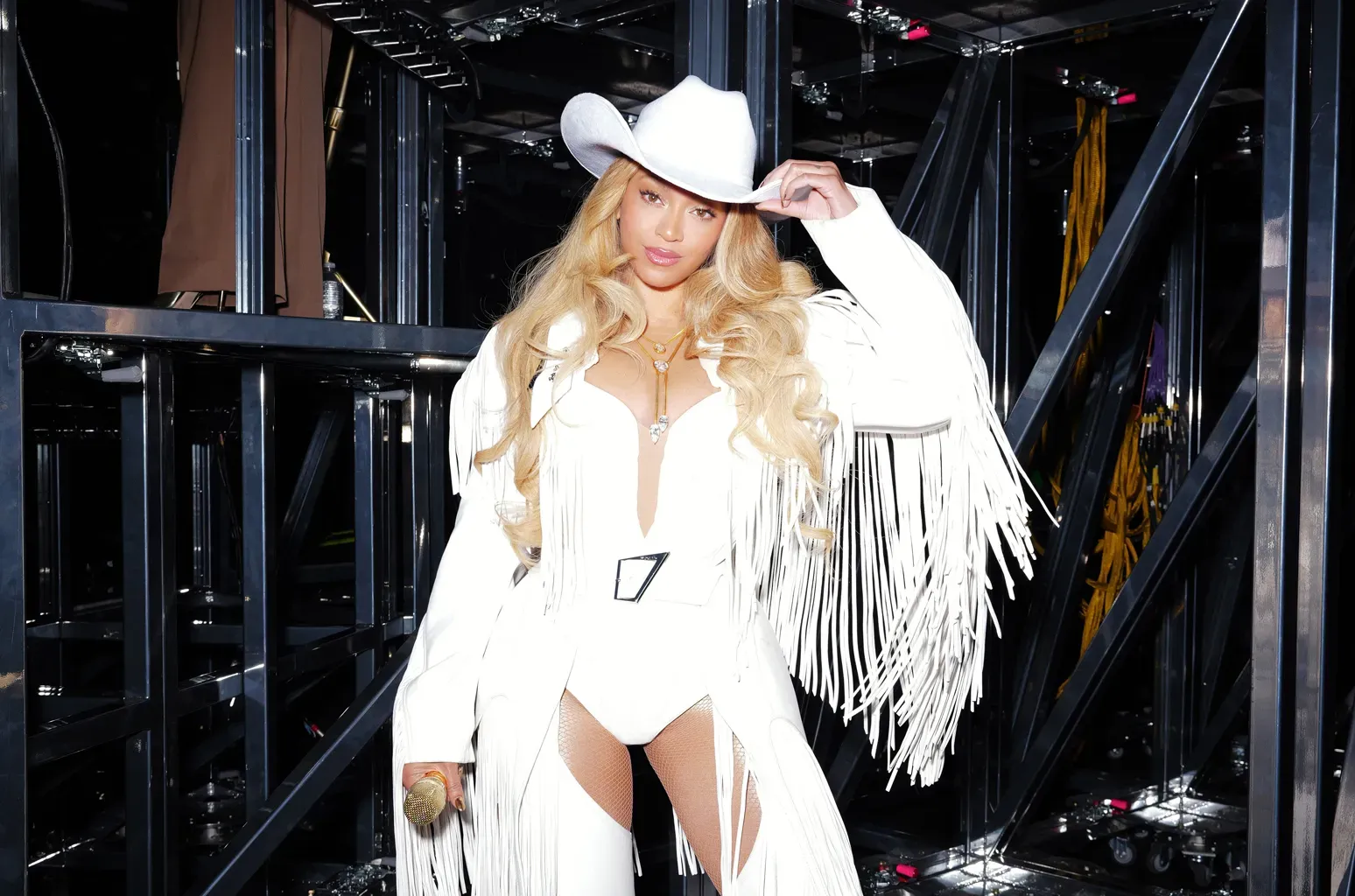
Which is why so many fans believe there is still a final piece waiting to be revealed, something that does not introduce a new idea but instead brings everything into alignment. Beyoncé has always been intentional about how she builds, and right now she appears to be operating from a place where legacy is not just something to reflect on, but something to actively shape in real time.
That becomes even clearer when you look at how she is choosing to mark her milestones. The anniversary of Lemonade passed not with grand declarations, but with imagery that felt quiet and coded, including a visual that subtly leaned into the number three. For an artist who rarely leaves anything to chance, that kind of restraint feels less like nostalgia and more like foreshadowing.
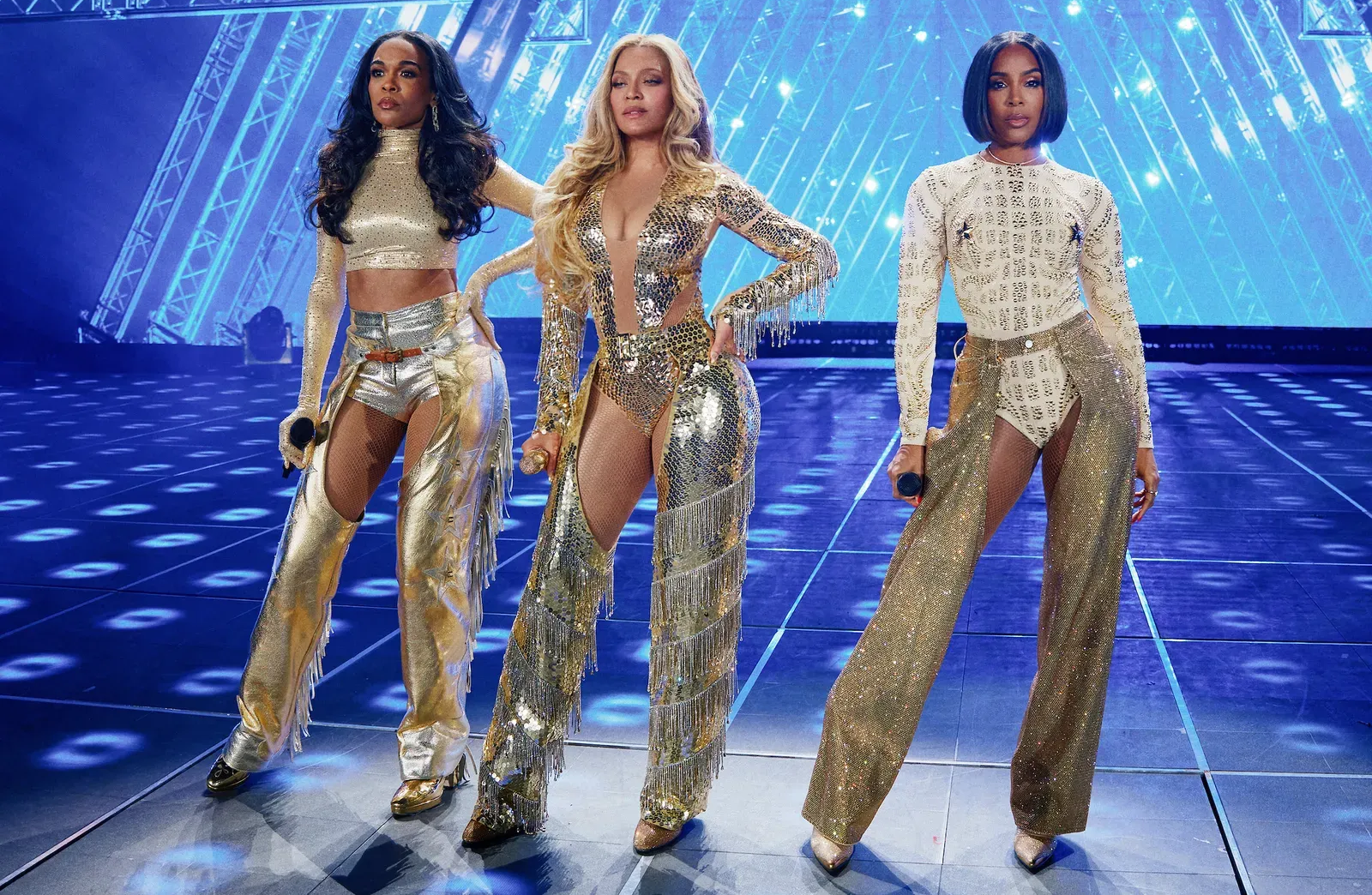
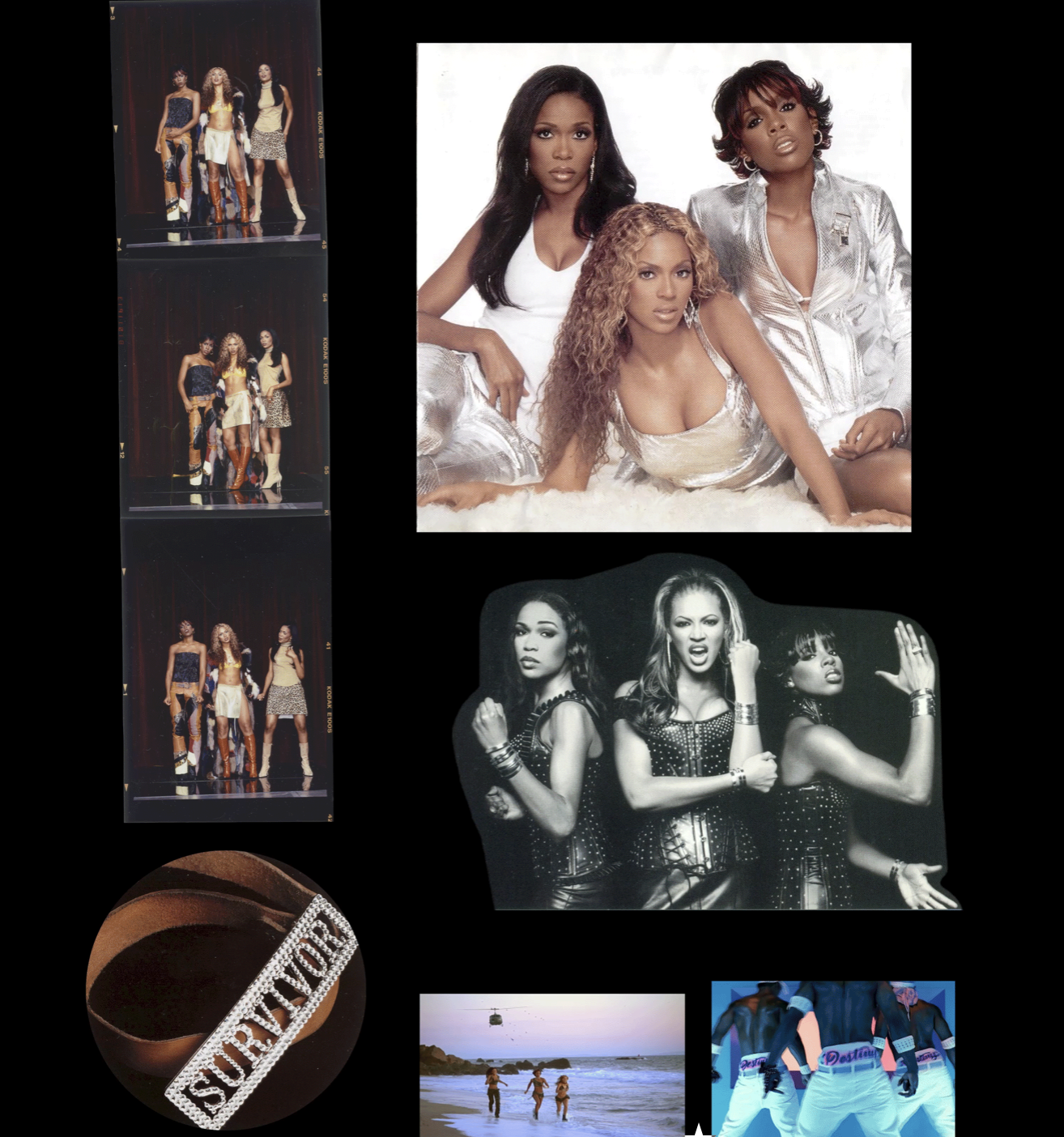
At the same time, her reunion with Kelly Rowland and Michelle Williams in recognition of Survivor reaching its 25-year mark served as a reminder that this moment is not just about what comes next, but about the foundation that made any of this possible. That kind of longevity is rare, and she understands how to honor it without becoming confined by it.
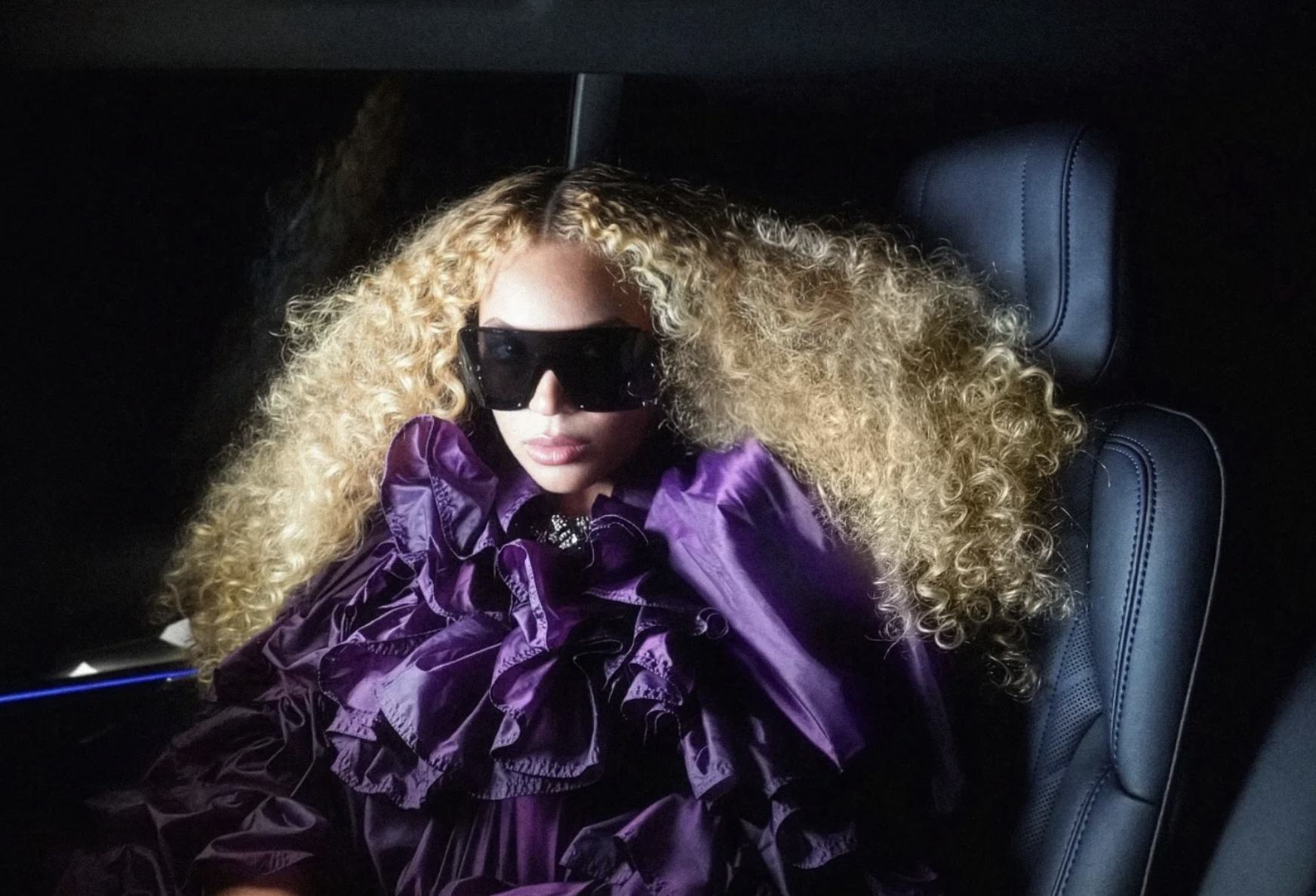
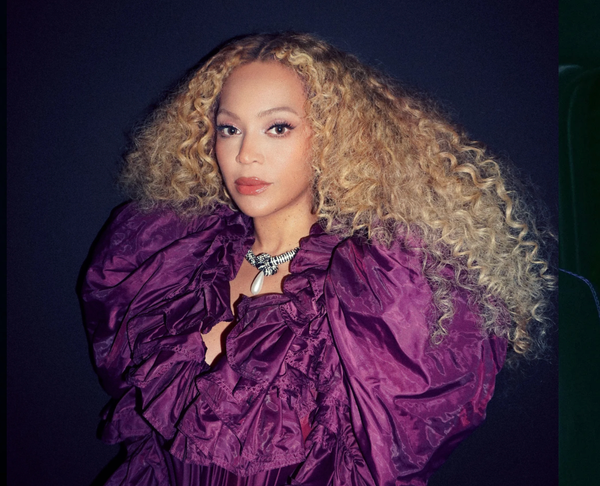
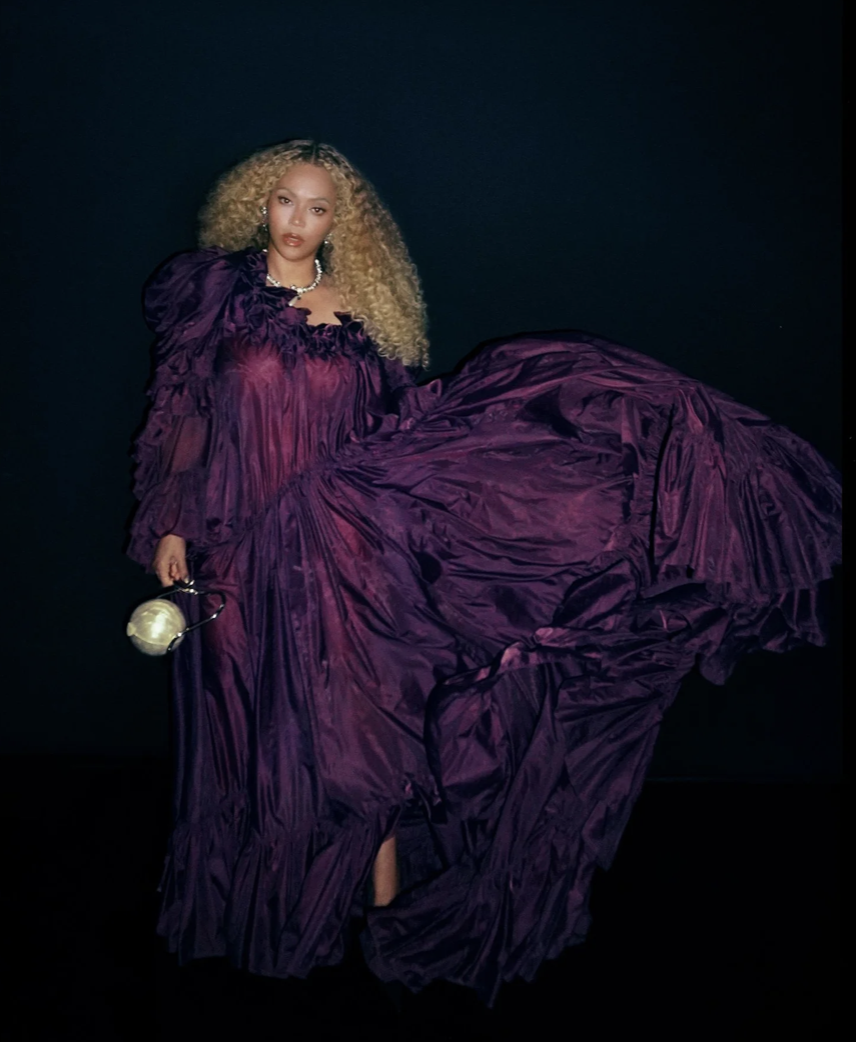
There is also a visual shift happening that feels impossible to ignore. Beyoncé has been leaning into rich shades of purple in a way that suggests more than preference, as though she is stepping into a tone that signals authority, elevation, and a certain kind of untouchable confidence. She has always used fashion as an extension of her storytelling, and when a pattern emerges, it usually means something is already in motion behind the scenes.
All of this points back to what she has perfected over time, which is the ability to create global anticipation without ever making a formal announcement. Where most artists rely on visibility, Beyoncé has mastered the art of presence through absence, allowing symbols, timing, and carefully placed visuals to carry the conversation on her behalf.
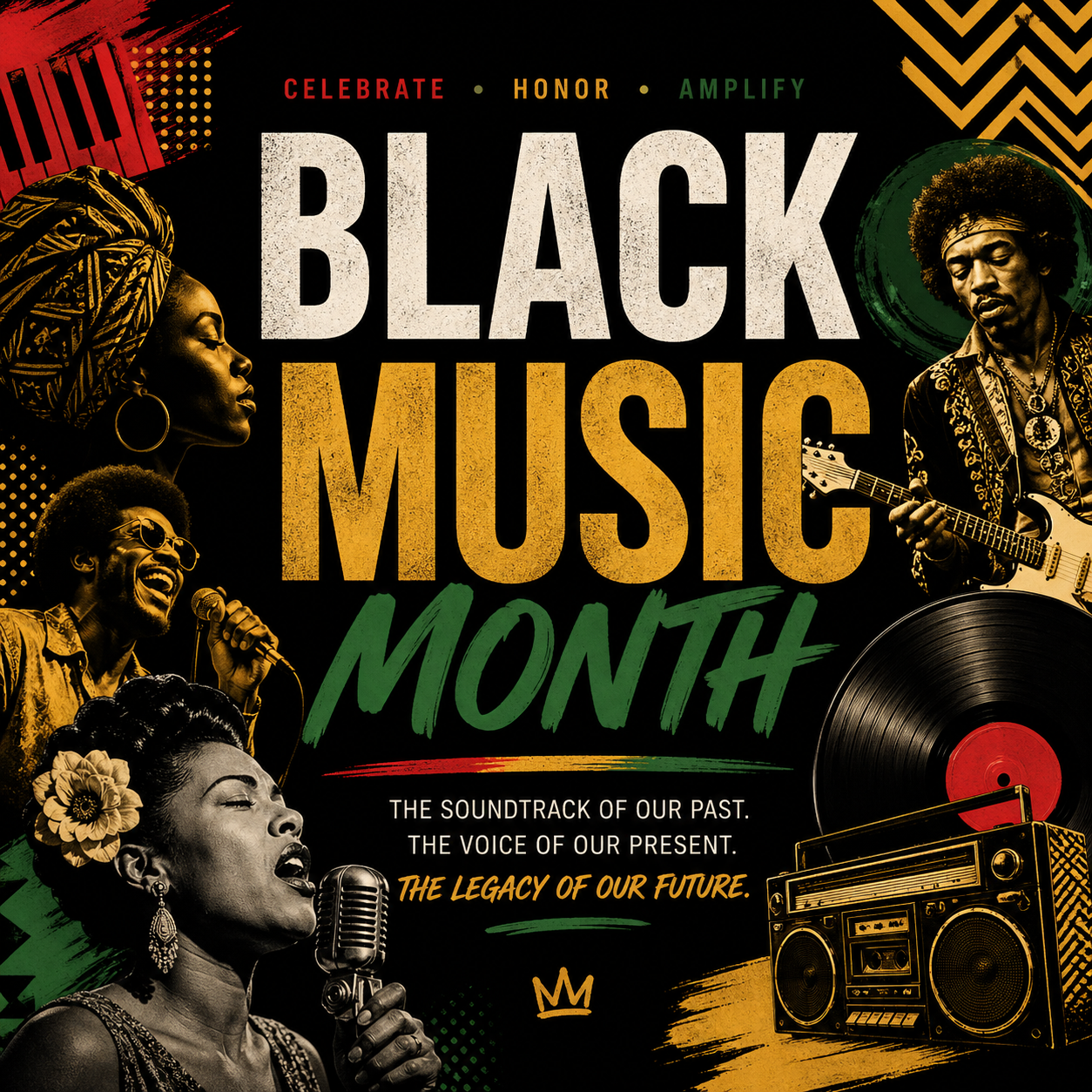
That is why the possibility of an early May release feels less like wishful thinking and more like strategic alignment. A drop at that moment would not exist in isolation, it would build momentum into Juneteenth and Black Music Month, two cultural touch-points that sit naturally within the themes she has been exploring throughout this phase of her career. Beyoncé does not simply enter a moment, she expands it until it belongs to her.
What makes this particular moment feel different is how much is being communicated without being said. The imagery, the timing, the reunions, the color palette, all of it feels coordinated in a way that suggests movement, even in stillness.
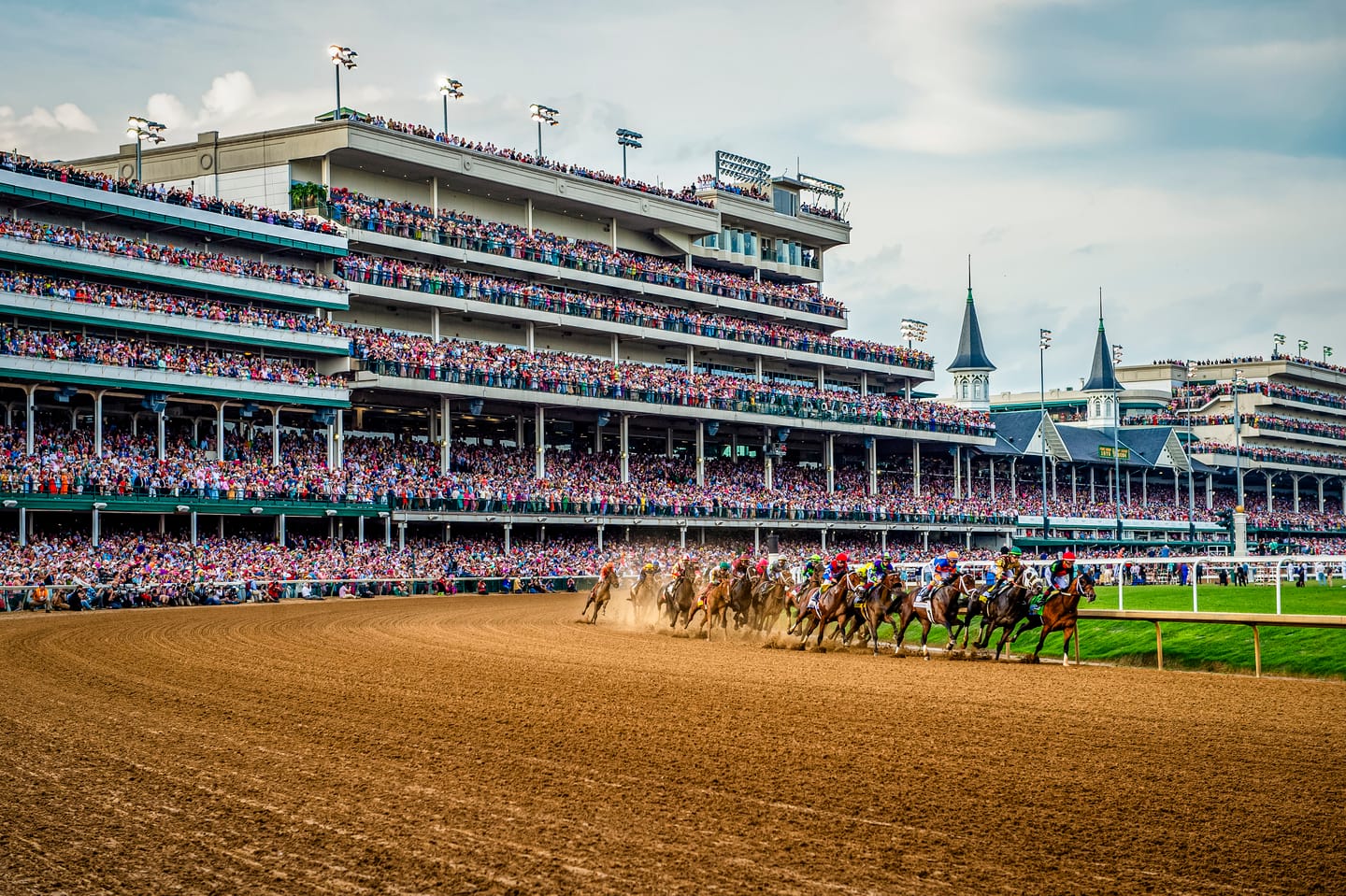
So while the Kentucky Derby continues to stand as the “King of Sports,” rooted in tradition and spectacle, the Queen Bey appears to be preparing something that moves with just as much precision, just in a different arena. The horse, in both spaces, represents power and control, but in her hands it also becomes a symbol of narrative, one that has not quite reached its final destination.
For those paying attention, this does not feel like a quiet period. It feels like the breath before a shift, the kind that rewards the audience that knows how to read between the lines and recognizes that with Beyoncé, the rollout always begins long before the music arrives.