Netflix Turned Kevin Hart’s Roast Into a Public Lynching of Black Women

– 5 min read




Netflix’s stage was not just comedy, but the modern repackaging of anti-Black female stereotypes dating back to Sarah Baartman, “Mammy,” Aunt Jemima and America’s long obsession with humiliating Black women for entertainment.
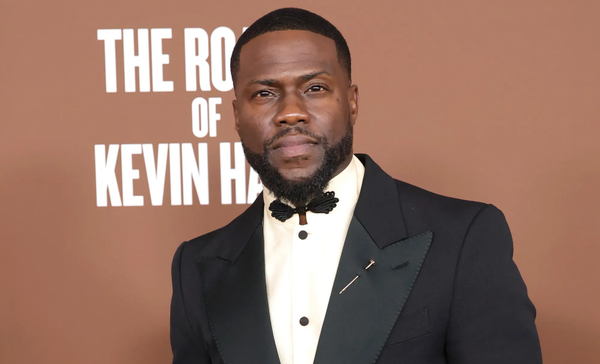
There was one reason I watched Netflix’s roast of Kevin Hart, and surprisingly, it had very little to do with comedy. I watched because I believed there was an opportunity for a genuine cultural moment. After years of tension and public friction between Kevin Hart and Katt Williams, particularly following Katt Williams’ explosive 2024 appearance on Club Shay Shay, I was curious to see whether two Black comedic giants, men with completely different worldviews, approaches to fame, and philosophies around the entertainment industry, could find common ground publicly. In a time where division has become profitable, reconciliation felt refreshing.
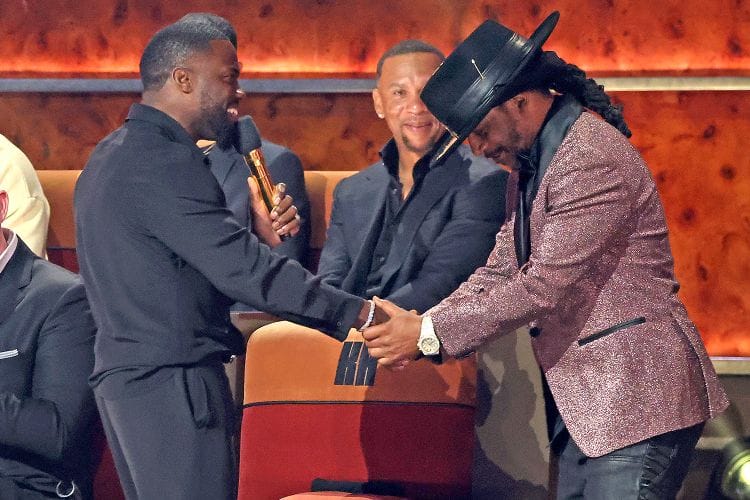
Watching Katt Williams walk onto that stage, introduced by Regina Hall, delivering his sharp and unapologetic roast before ultimately embracing Kevin Hart afterward, genuinely felt bigger than comedy. It felt like two successful Black men choosing respect and love for the culture over ego. Unfortunately, getting to that moment required sitting through something far uglier.
I understand the purpose of a roast. Comedy has always pushed boundaries. The best comedians often say the things the audience is thinking but may not have the courage to say out loud. Humor can expose hypocrisy, challenge social norms, and even help us heal through discomfort. I am not someone who believes comedy should exist inside a bubble of censorship.
But racism disguised as humor is still racism.
And at a time when this country already feels politically committed to stripping protections, opportunities, and dignity away from marginalized communities, particularly Black women, Netflix somehow believed the appropriate way to celebrate a Black man was to make Black women the primary targets of humiliation.
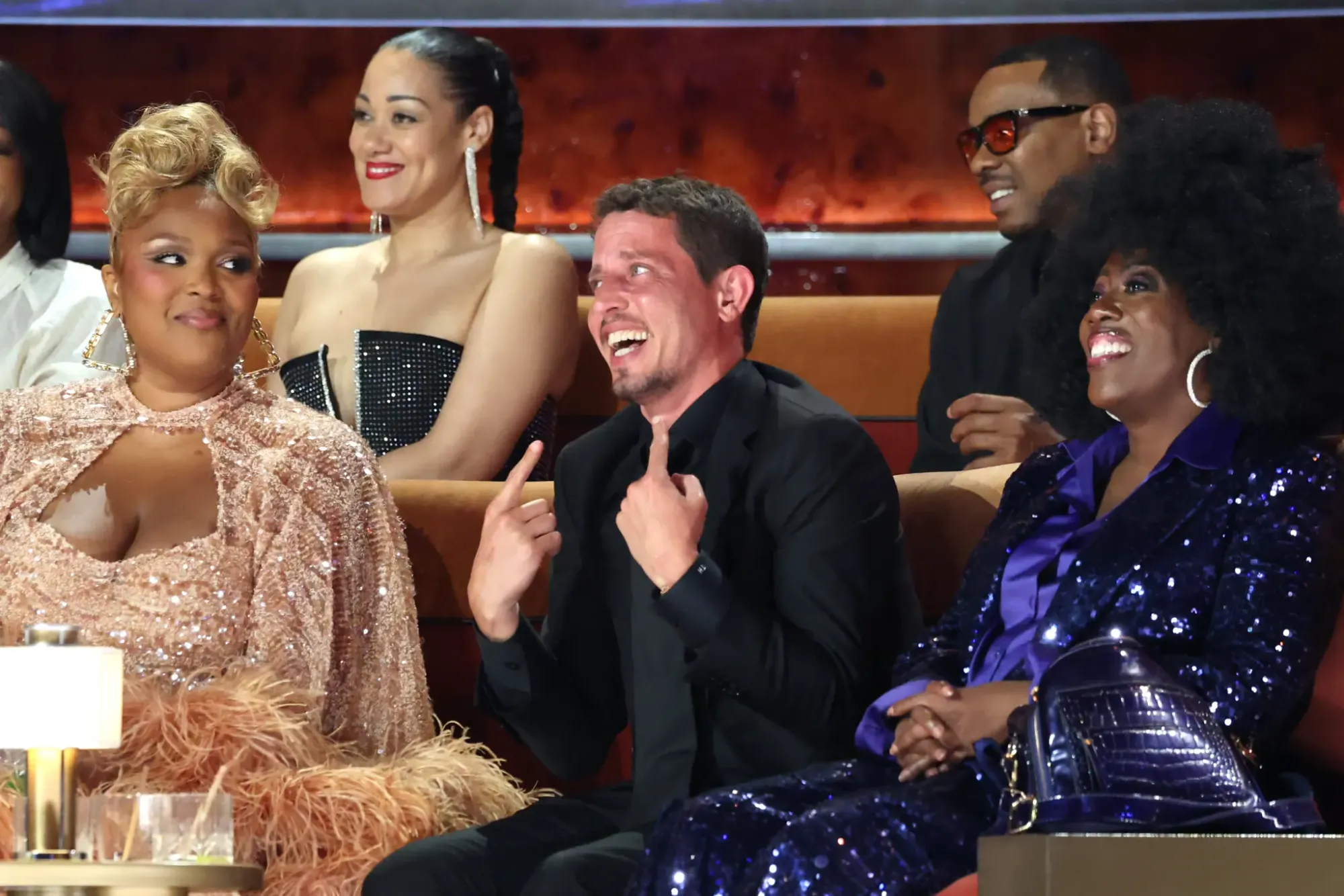
The attacks aimed at Sheryl Underwood and Lizzo were not simply edgy jokes. Many of them were deeply rooted in colorism, racism, misogyny, and long standing stereotypes that Black women have spent generations trying to survive. And hearing those remarks repeatedly delivered by white comedians made the entire thing even more uncomfortable to watch.
What made the experience even more disturbing was recognizing how familiar the language felt historically. Beneath the punchlines were the same degrading archetypes America has weaponized against Black women for centuries. The hypersexualization. The mockery of body type. The dehumanization of darker skin. The loud, undesirable, oversized Black woman trope. The reduction of Black women into caricatures built for public consumption rather than human empathy.
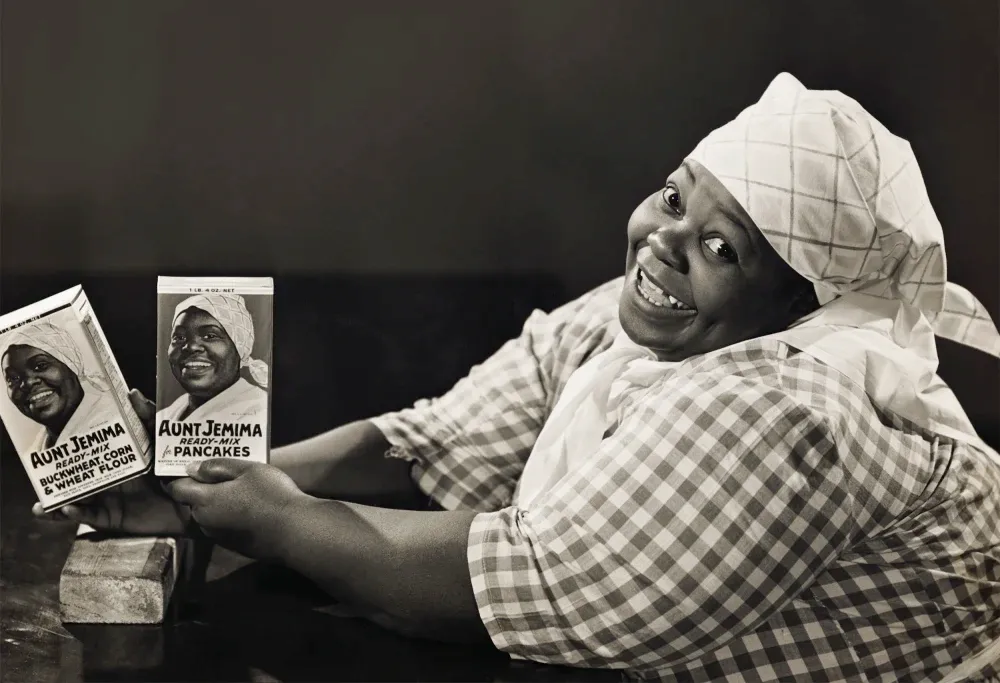
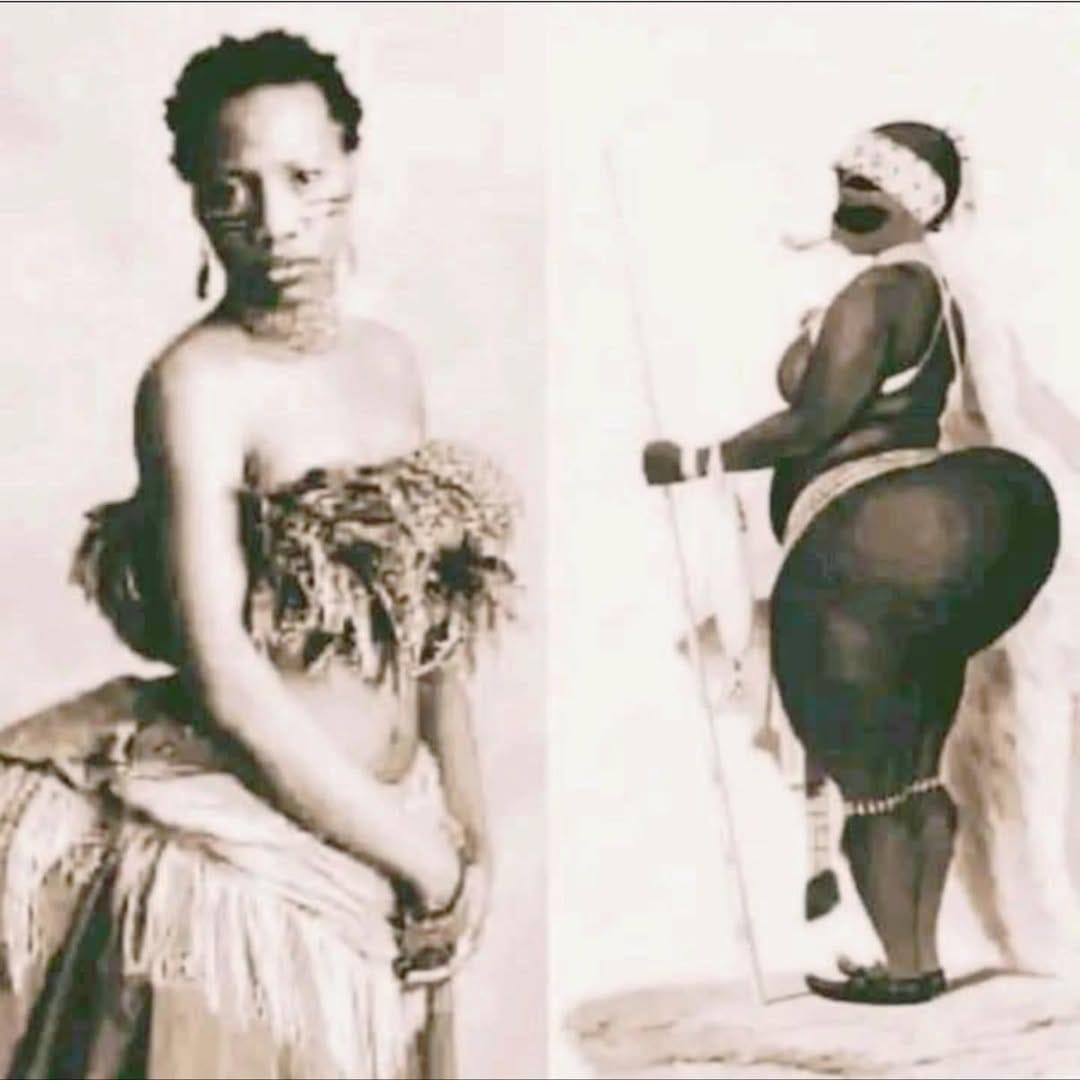
From Sarah Baartman to Aunt Jemima, the “Mammy” stereotype born during slavery, Black women’s bodies have long been treated as entertainment before they were ever treated as worthy of protection. Which is why hearing white comedians repeatedly use Black women as targets during a celebration of Black excellence felt especially sinister.
At some point, the room stopped feeling like a roast and started feeling like permission. Permission to degrade Black women publicly under the protection of “it’s just comedy.” Permission to recycle the ugliest stereotypes imaginable while everyone else laughs to avoid appearing sensitive. Permission to remind Black women, once again, that even in rooms built by Black success, they can still become collateral damage.
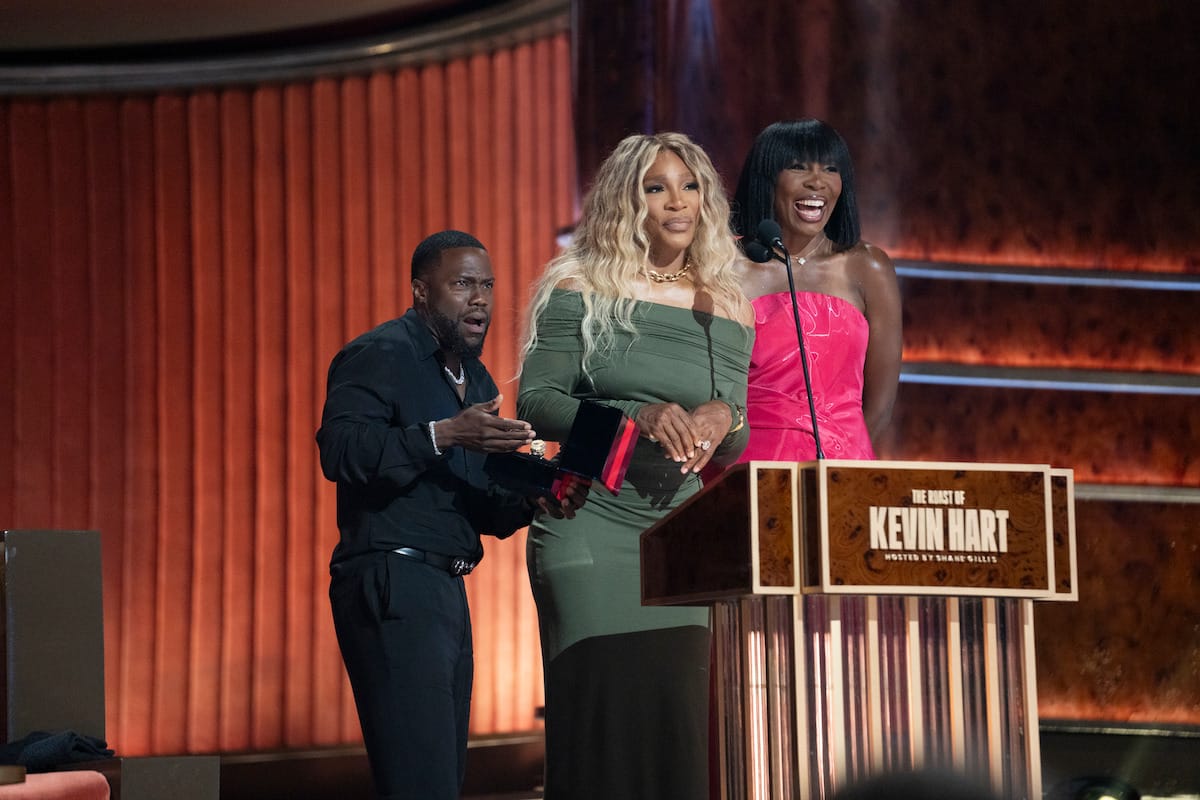
What made it more painful was the caliber of Black women attached to the production. Venus Williams, Serena Williams, Regina Hall, and others represent excellence, resilience, and cultural impact at the highest level. Even seeing Tiffany Haddish present without engaging in the ugliness stood out to me.
And yet nobody publicly stopped to say, “This has gone too far.”
What troubled me most is that this is not new. Roast culture has increasingly leaned into humiliation over wit, cruelty over cleverness. The industry keeps confusing shock value with brilliance. And when Black public figures are involved, particularly darker skinned Black women, there is often an extra layer of aggression that audiences are somehow expected to normalize.
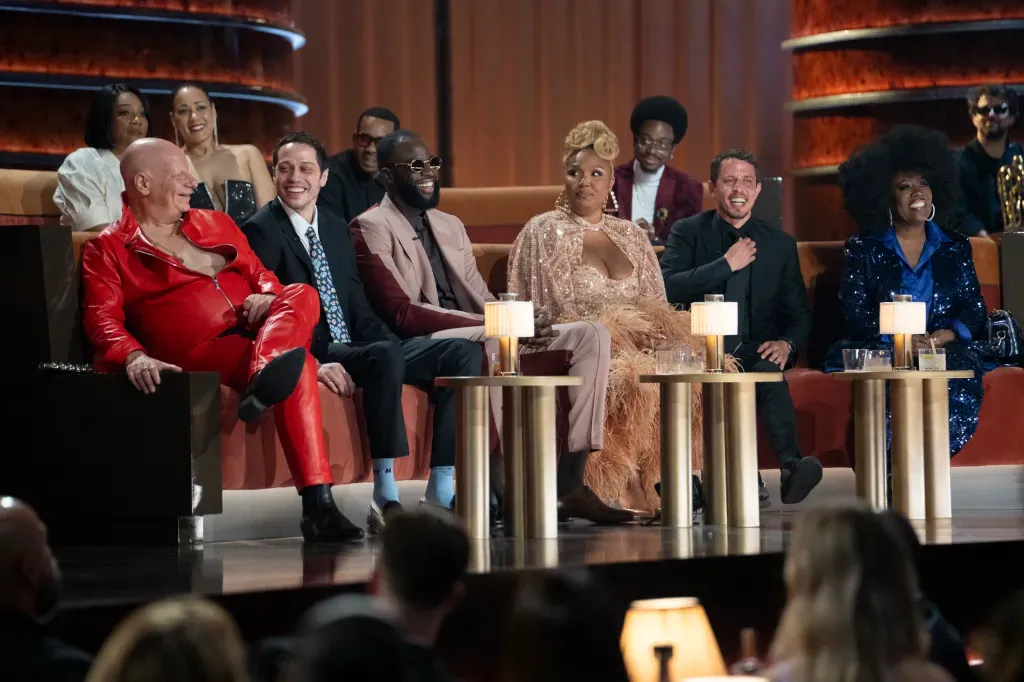
Even Draymond Green became the target of repeated colorist commentary that felt less comedic and more reflective of the ugly racial hierarchy that still exists in America.
That is not fearless comedy.
That is social conditioning with a laugh track.
Ironically, Katt Williams himself once criticized the racially charged treatment of Flavor Flav during an earlier roast years ago. He understood then that there is a difference between roasting someone and dehumanizing them. Which is why seeing him participate in this one felt especially disappointing.
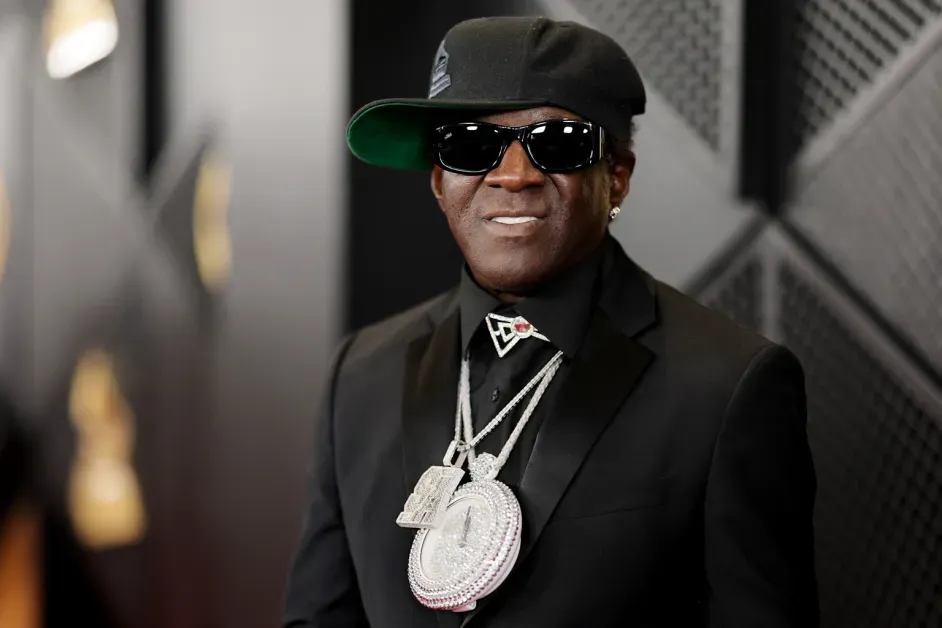
And yes, it is fair to acknowledge that celebrities like Sheryl Underwood or Flavor Flav have sometimes leaned into caricatures of themselves for entertainment. But even if someone profits from performance, that does not absolve audiences, writers, or networks from responsibility. Public participation does not erase public harm. Netflix has every right to produce comedy that is provocative. But there should be a conversation about why so much modern comedy, especially in predominantly white writing spaces, continues to find Black women’s bodies, skin tones, and identities to be endlessly hilarious.
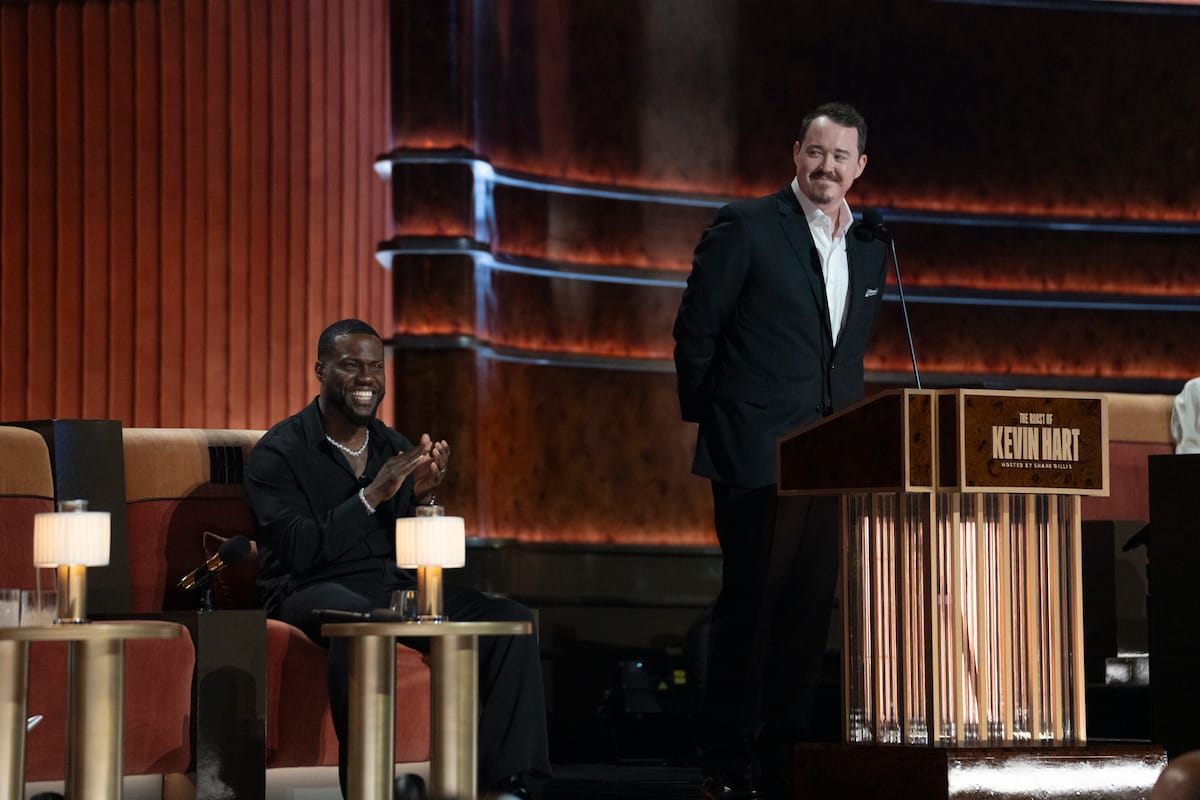
Because at some point, we have to stop pretending that degradation is cultural progress simply because it comes packaged as entertainment.
I expected to laugh while watching Kevin Hart’s roast. Instead, I walked away wondering why Black women are still expected to survive being the punchline. But most importantly, I turned the show off realizing that 2026 has somehow brought us full circle. The images America once publicly displayed without shame, white performers in blackface, pickaninnies running through cotton fields, loud and undesirable Black women reduced to comic relief, frightened Black maids screaming, “Miss Scarlett, I don’t know nothing about birthing no babies”, are no longer confined to history books and old film reels. The very stereotypes generations fought to dismantle have quietly been reintroduced into modern entertainment, only now they arrive beneath stage lights, streaming deals, celebrity applause, and the protection of “just comedy.”
What once offended America publicly is now being repackaged as culture by our own hands. And that may be the most disturbing joke of all.