Du Bois - Rebel With a Cause, A Conversation with Rita Coburn.

– 4 min read





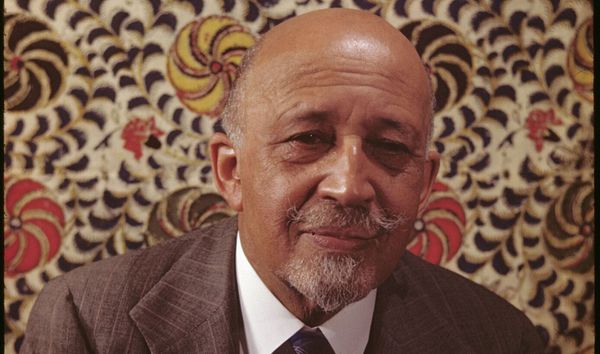
“One ever feels his twoness, – an American, a Negro; two souls, two thoughts, two unreconciled strivings; two warring ideals in one dark body, whose strength alone keeps it from being torn asunder.” – W.E.B Du Bois, The Souls of Black Folk, 1903
When my grandfather passed on December 15th, 2024, I did not grieve. I was sad, of course, and even now I can feel the transforming touch of loss shaping me into a new person, a version of myself that is learning, slowly, to live in that vacancy he left behind. Still, when I looked at Paw Paw’s still face lying in that casket in an old church that I’d grown up in, I felt pride more than anything else. Here was a Black man who had lived his life fully and unapologetically, and he died in such a way, surrounded by the innumerable friends and family he’d affected so profoundly, that it felt less like a tragedy and more like a lesson in how a Black man should go about living his life. When I think of Black children like Trayvon Martin or Freddie Gray, or legends like Martin Luther King, Medgar Evers, Malcolm X, and Fred Hampton, I am horrified at the recurrence, at how often the lives of people who look like me are cut short, before they can even fully blossom into the people that they could become. These are the deaths that fill me up so completely with grief.
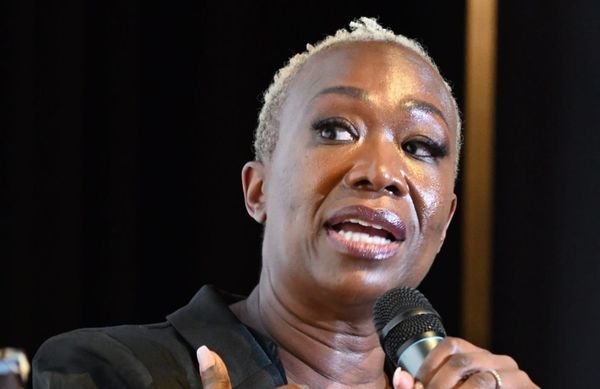
Still, it wasn’t until I sat down with award-winning film producer Rita Coburn this past week that I saw the problem in a new and more informed light. In the tail end of our nearly one-hour discussion, Coburn posed the question, “What might some of our greatest Black scholars and artists have done in their lives if they did not have to dedicate so much of their lives to the fight against racism?”
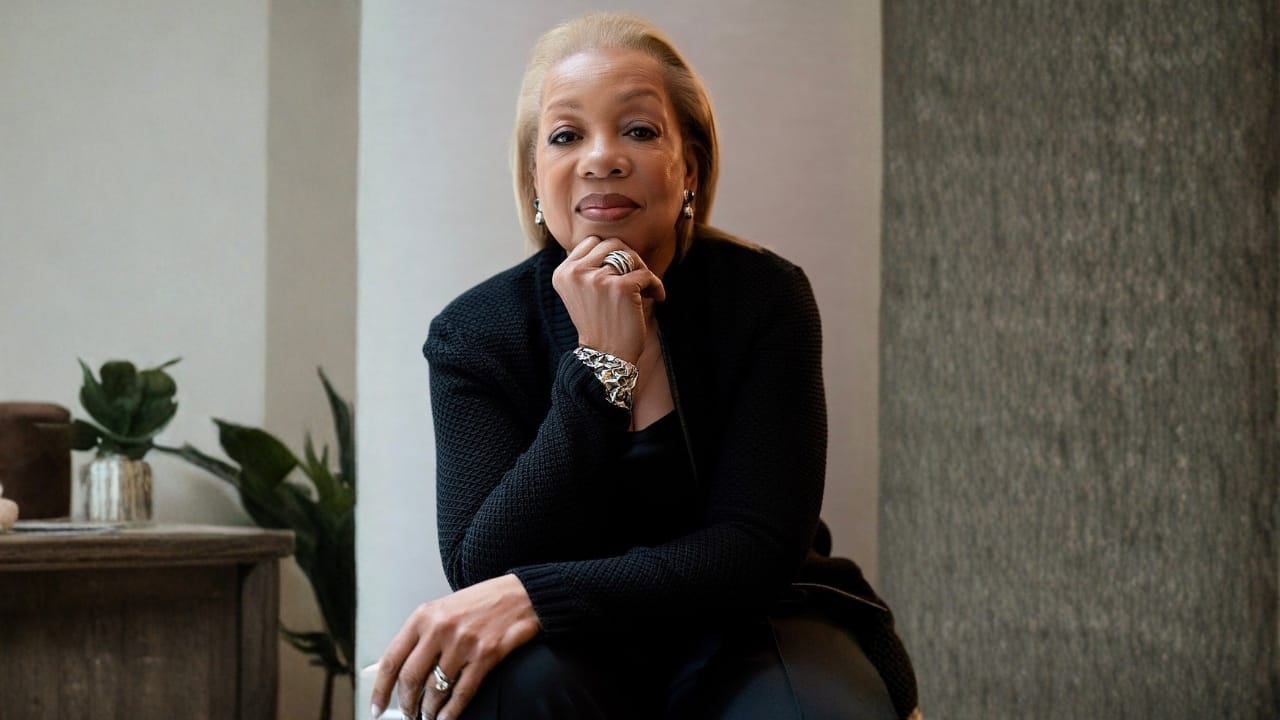
Coburn is a prolific filmmaker whose work depicts the lives of Black historical figures. She was the engine behind projects like Remembering 47th Street (2000), Maya Angelou: And Still I Rise (2016), and many others. Her upcoming film, W.E.B. Du Bois: Rebel with a Cause, depicts Du Bois’ life as a scholar, writer, and activist throughout the 20th century. The documentary treats Du Bois as a man in a constant struggle to understand himself and the racialized world he was born into. Further, the audience experiences the life of one of America’s preeminent academics—Black, white, or otherwise —through the narration and commentary of Oscar-winning actress Viola Davis, literary critic and Harvard professor Henry Louis Gates Jr., and a variety of other compelling voices. The cast is essentially a cornucopia of Black intellect; their earnest storytelling and enthusiasm for history propel the film and its narrative forward.
Still, I was curious in my conversation with Coburn why she chose to document Du Bois’ life now, in 2026, 63 years after his death. Coburn’s reply demonstrated an understanding of our current political moment and our shared history as Black people in this country. “The struggle of Du Bois yesterday,” she noted, “is the same struggle facing Black people today. We are still struggling with what Du Bois called ‘twoness,’ and we are still campaigning for our right to be seen as both true Americans and Black people.”
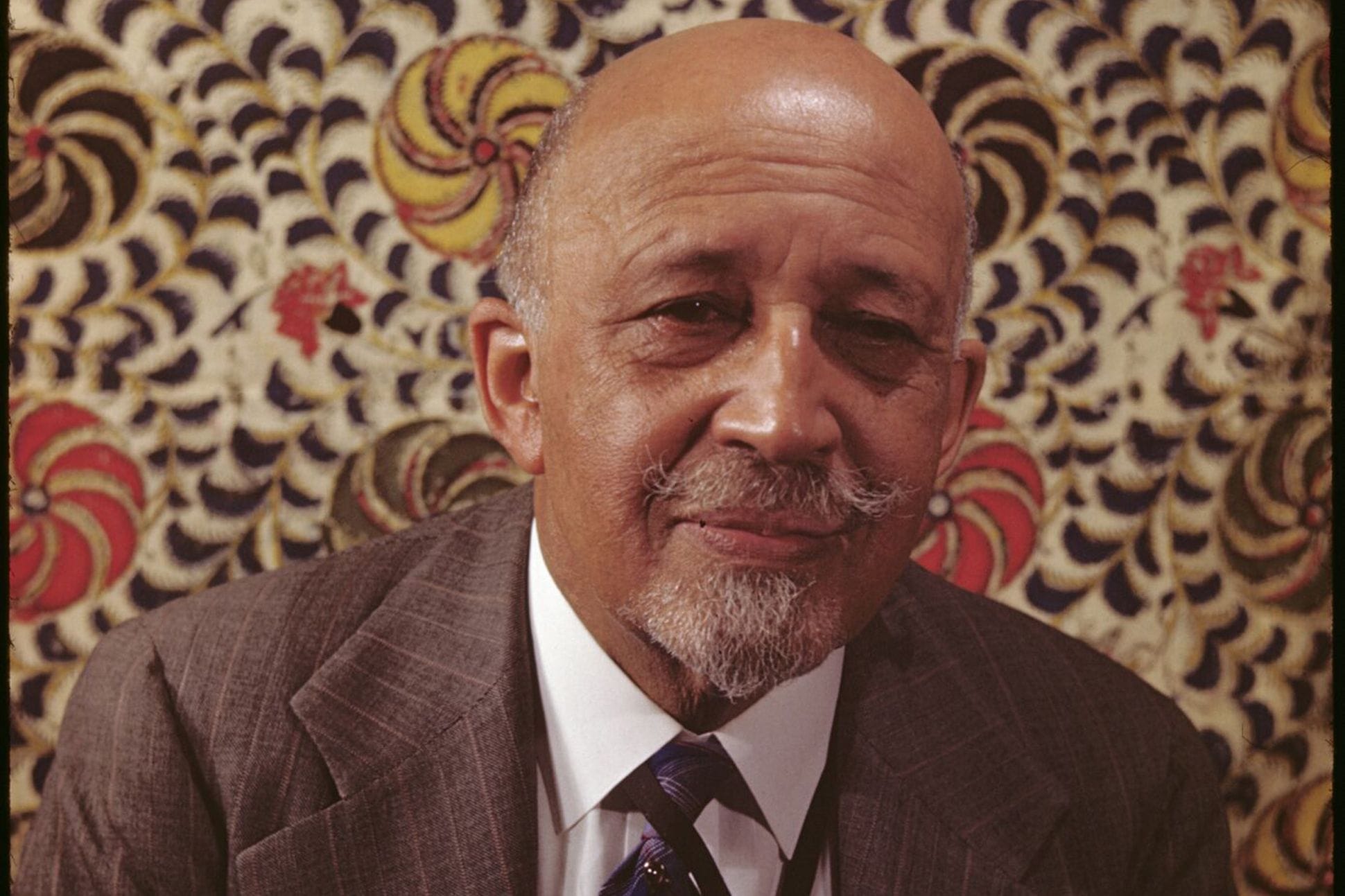
Further, Coburn attributes Du Bois’ success not only to his personal genius but also to his community and the commitment of so many to pry open the doors of opportunity that had been closed to so many because of Jim Crow racism and segregation. “How many Black people,” Coburn wondered, “may have been just as brilliant as Du Bois back then, but simply did not have the resources to overcome the obstacle of structural racism.” Coburn’s film and DuBois’ life remind us that Black people have the capacity, daring, and intellect to accomplish great things when we are given the opportunity to flourish within our potential—and even, many times, when the social forces of our world try to diminish that potential.
However, what I personally found the most compelling about W.E.B. DuBois: Rebel with a Cause is that it did not seek to sell its audience a shining, ivory portrait of a man’s life. The film comments on Du Bois’ failures as a father and husband, examines his fraught relationships with other notable Black figures such as Booker T. Washington and Marcus Garvey, and offers an account of Du Bois’ shifting opinions on class, gender, and elitism. After all, Du Bois went from perpetuating the somewhat classist narrative of “The Talented Tenth” to adopting Pan-African Marxism as a doctrine in his later life.
Like my grandfather, Du Bois’ life is a refreshing reminder of the possibilities that only become evident when Black people are allowed the privilege of growing, changing, and living their lives freely. It is very easy, in a world saturated with routine police violence, killings, and general racialized violence, to allow the deaths of Black people to become, in our minds, banal. Regular. A motif or aesthetic in the general fabric of American life. And so I encourage you, challenge you even, to watch W.E.B DuBois: Rebel with a Cause to remind yourself of your capacity for life.