The Drake Reset: Revenge, Power & The Business of Survival
– 6 min read





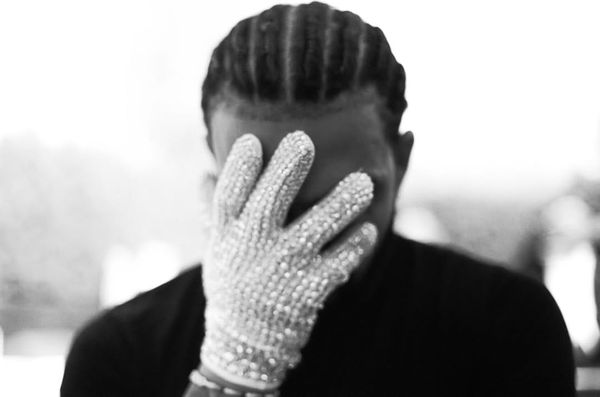
Drake’s latest musical blitz proves he is still one of the most dominant forces in modern music, but whether the culture remembers the art or the strategy behind it may become the bigger conversation.
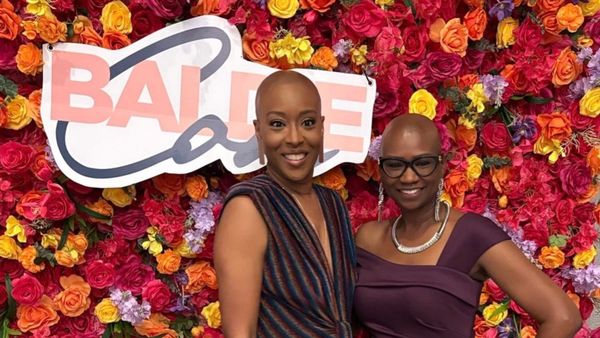
Drake has spent more than a decade doing something very few artists in modern music history have been able to accomplish: remaining culturally unavoidable. At this point, debating whether or not he is talented feels almost lazy because the numbers, influence, chart performance, streaming dominance, and longevity have already answered that question in a commercial sense. The real conversation now is much deeper than whether Drake can make hits. The question is whether this current era represents artistic evolution, strategic revenge, or a calculated business maneuver designed to preserve power after one of the most public losses of his career. That became the center of a candid conversation between Lenox & Parker, music journalist A.R. Shaw, music industry executive Kai Verse Tyler, Publisher Victor Flavius, and Lenox & Parker Editor-in-Chief Christal Jordan Jennings during a recent panel discussion examining Drake’s latest releases and the larger implications surrounding his post Kendrick Lamar era. What became immediately clear throughout the discussion was that regardless of where anyone stood personally on Drake’s music, nobody could deny his impact on Black music commercially. His radio reign is historic, his ability to remain relevant across multiple generations is rare, and his capacity to connect with listeners from different cultural backgrounds is almost unmatched among artists of his era. Even critics who questioned the depth of his artistry acknowledged that Drake mastered accessibility in a way many rappers never could.
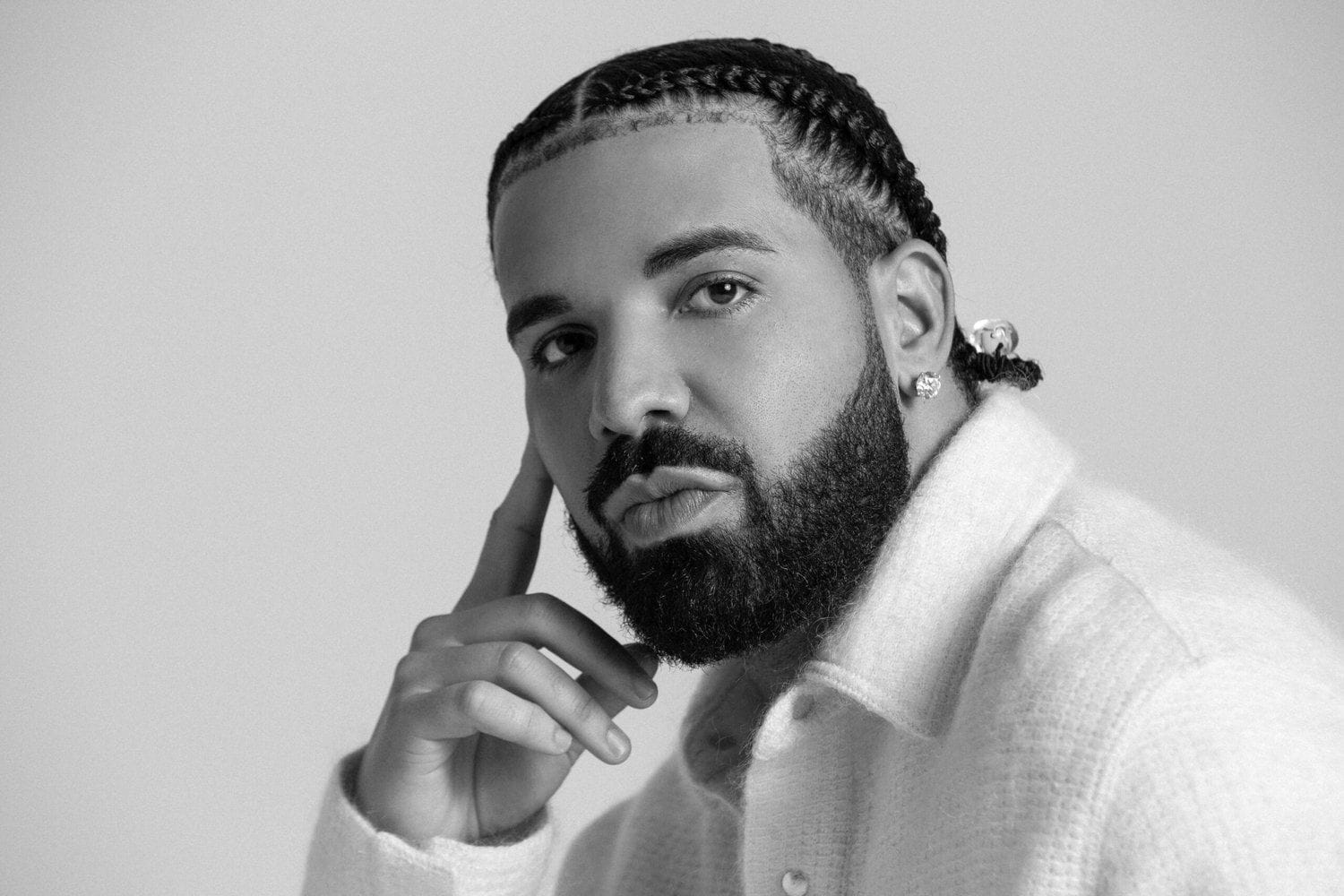
And maybe that has always been both his greatest strength and his biggest controversy. For years, some corners of authentic hip hop culture have viewed Drake as an artist who shape shifts too easily depending on what serves the moment culturally. One moment he leans into Caribbean influence, another moment he taps into UK grime culture, and then suddenly he is fully immersed in Southern rap aesthetics or melodic R&B vulnerability. Critics often argue that his artistry can feel overly commercialized and strategically curated to maximize mass appeal rather than deeply rooted in one authentic sonic identity. To some people, Drake represents evolution, versatility, and the future of modern music consumption. To others, he represents a watered down version of cultural adaptation designed specifically for global consumption and streaming domination. But the difficult truth for critics is that the culture kept responding anyway. Drake’s music became the soundtrack to relationships, heartbreak, parties, toxic situationships, ambition, ego, and emotional vulnerability for an entire generation. Even people who questioned his authenticity still knew the lyrics, still quoted the captions, and still streamed the records in massive numbers.
That level of emotional and commercial connection cannot simply be manufactured by marketing teams alone. Somewhere within all the strategy, Drake figured out how to consistently make listeners feel seen. He mastered emotional accessibility in a genre that historically rewarded emotional distance and hyper masculinity. He made it acceptable for men to rap about insecurities, romantic confusion, rejection, and emotional disappointment while still maintaining commercial dominance. That shift alone changed the landscape of hip hop whether critics are comfortable admitting it or not. At the same time, Drake also understood how to weaponize relatability. He built an empire around sounding emotionally available while simultaneously positioning himself as untouchable commercially. That combination helped him dominate radio, streaming platforms, social media conversations, and nightlife culture all at once. Few artists have managed to balance vulnerability and ego at the scale Drake has sustained for this long, and that balancing act is a major reason why he continues to remain culturally relevant even when public opinion appears divided.
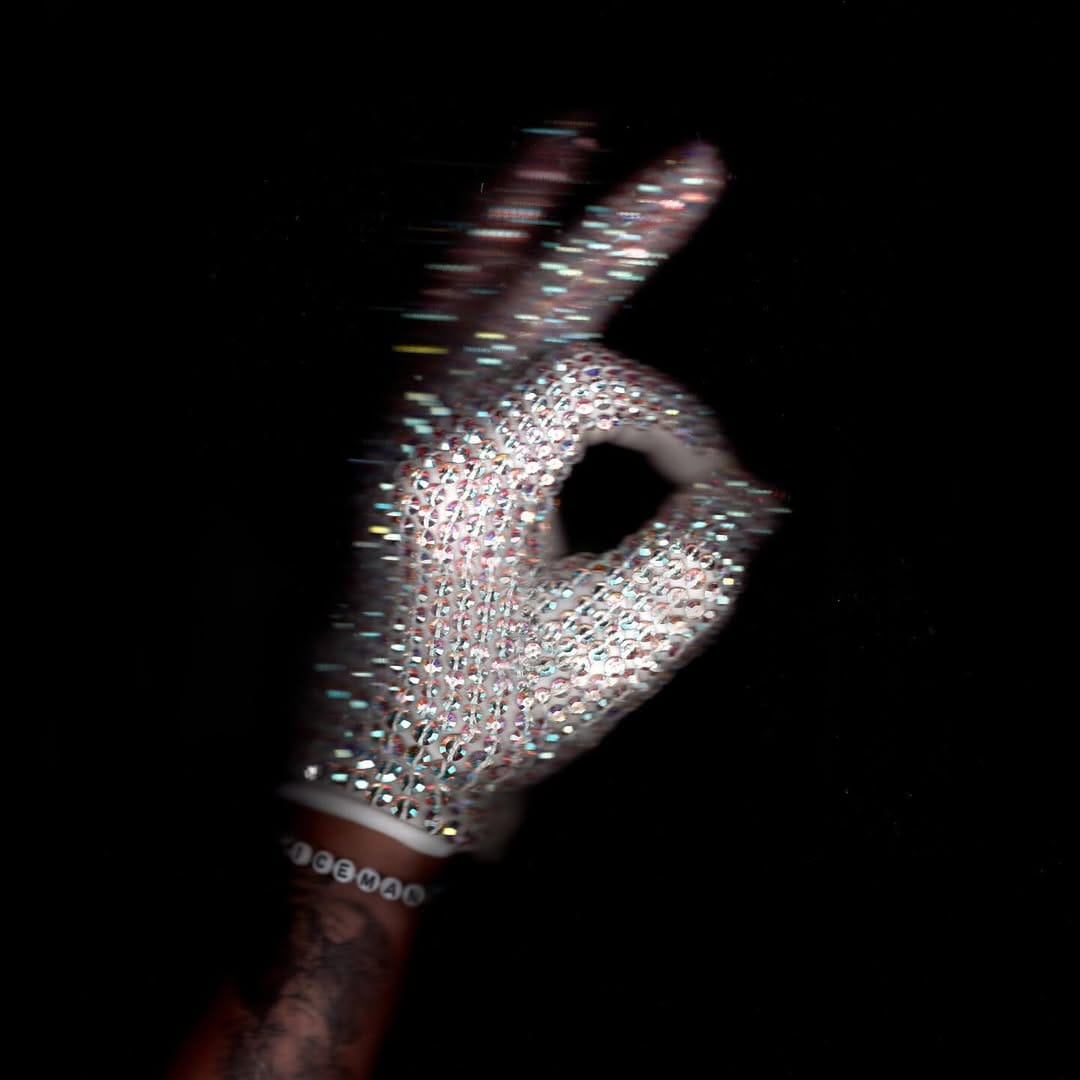
That is why this current moment feels so fascinating. The release of three projects totaling 43 songs feels less like a traditional artistic rollout and more like a massive statement of endurance. Realistically, there may not be many timeless records within the batch comparable to some of the defining records from his earlier catalog, and that became a recurring point throughout the conversation. However, what the projects do accomplish is reinforcing Drake’s presence in the marketplace and within the culture itself. They remind the industry that even after public humiliation, rap battle losses, memes, criticism, and endless think pieces questioning his place in hip hop, Drake is still capable of dominating the conversation. That may ultimately be the true purpose behind this era. It does not necessarily feel centered around proving lyrical superiority as much as proving that he still controls attention. In today’s entertainment economy, attention is currency, and Drake continues to understand how to monopolize it better than almost anyone else in music.
One of the most compelling observations raised during the discussion centered around the energy behind these releases. A.R. Shaw made the point that hip hop has historically operated on offense. The genre rewards dominance, aggression, confidence, and the ability to overpower opponents lyrically and culturally. But Drake’s current era feels noticeably different because his latest albums and his attempts to go after the people he believes betrayed him feel deeply defensive rather than offensive. There is an emotional undertone throughout this chapter that suggests a man attempting to respond to public embarrassment, fractured alliances, and the sting of watching peers publicly align themselves with Kendrick Lamar during one of the biggest cultural moments in recent rap history. That defensiveness became even more apparent when Drake reportedly attempted to move elements of the battle into corporate territory through legal maneuvering and business tactics. For many hip hop purists, that crossed an invisible line because battles are traditionally supposed to remain inside the culture. You win publicly, you lose publicly, and then you move forward creatively. Trying to elevate rap warfare into lawsuits and boardroom politics felt deeply inauthentic to many longtime hip hop observers because the genre has historically valued resilience over procedural retaliation.
Still, even that controversy reinforces something undeniable about Drake: he understands how to remain central to the conversation regardless of public opinion. Whether people are praising him or criticizing him, they are still discussing him constantly. Few artists have mastered visibility the way Drake has because even his failures become cultural events. Even backlash generates streams, debate, engagement, and anticipation around whatever he does next. That level of relevance is not accidental and cannot simply be reduced to algorithms or industry privilege alone. During the conversation, Kai Verse Tyler raised an important point regarding Drake’s multicultural appeal and how his mixed race identity may contribute to his unusually broad reach across audiences. Drake has always occupied a unique space within Black music because he can move fluidly between demographics in ways that many artists cannot. He has consistently been able to bridge pop, rap, R&B, international sounds, internet culture, and mainstream commercial appeal without fully losing his footing in any one category. That flexibility has made him extraordinarily profitable even while simultaneously making some critics suspicious of how deeply rooted he truly is within hip hop’s traditional framework.
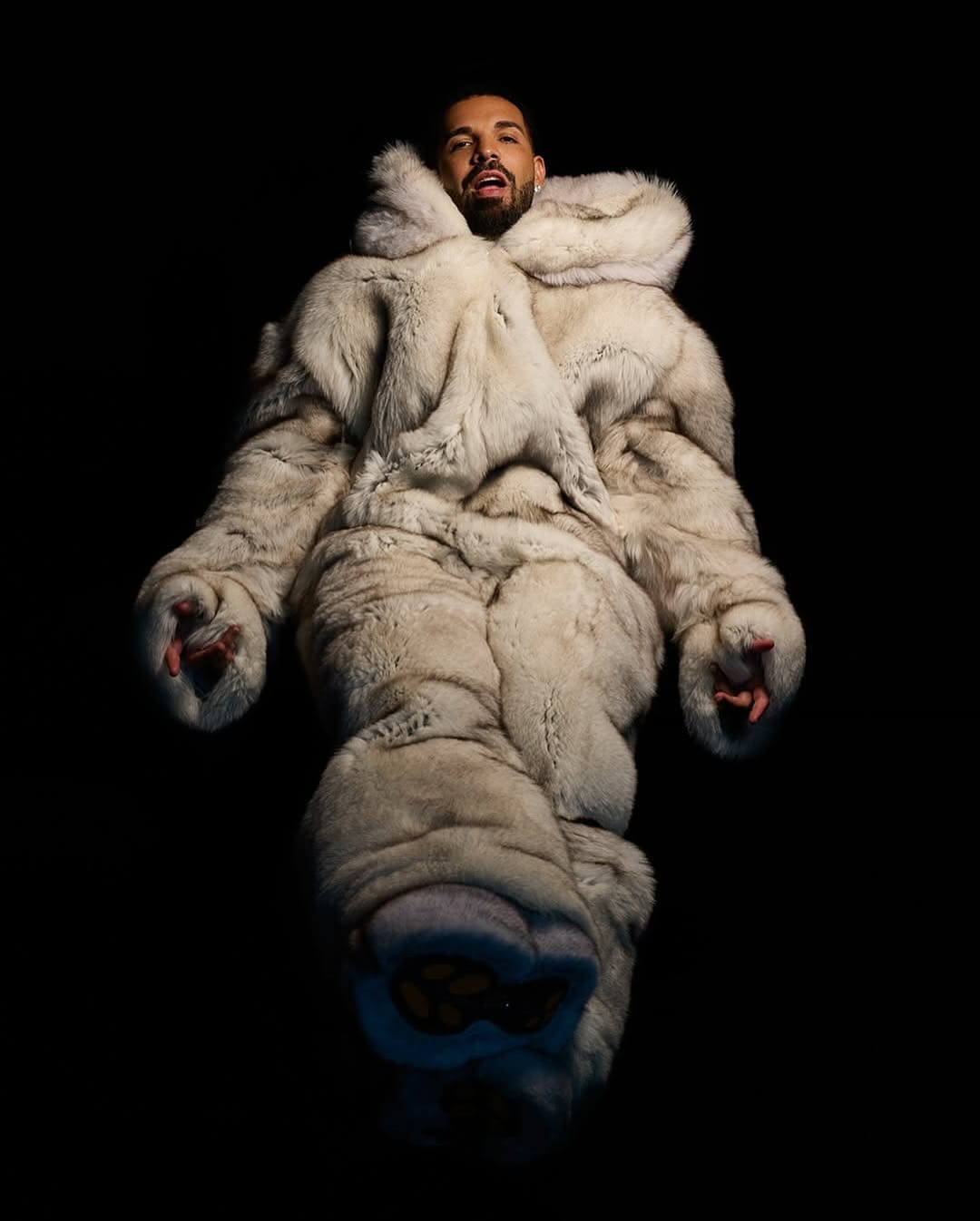
At this point, Drake’s story can no longer be reduced to whether traditionalists consider him one of hip hop’s purest artists because his impact on urban music history is already cemented. The business accomplishments alone guarantee that. Few artists have navigated contracts, streaming economics, branding, global visibility, audience retention, and corporate positioning as effectively as Drake has over such an extended period of time. And maybe that is what makes this era so complicated because discussions about Drake’s music now exist alongside conversations about strategy, branding, lawsuits, algorithms, alliances, and market positioning. In many ways, Drake may be the first rap superstar whose business instincts are nearly as famous as the music itself. For truly transcendent artists, the art eventually overshadows the business conversation. With Drake, however, the two seem almost inseparable, and perhaps that duality will ultimately define his legacy more than anything else.
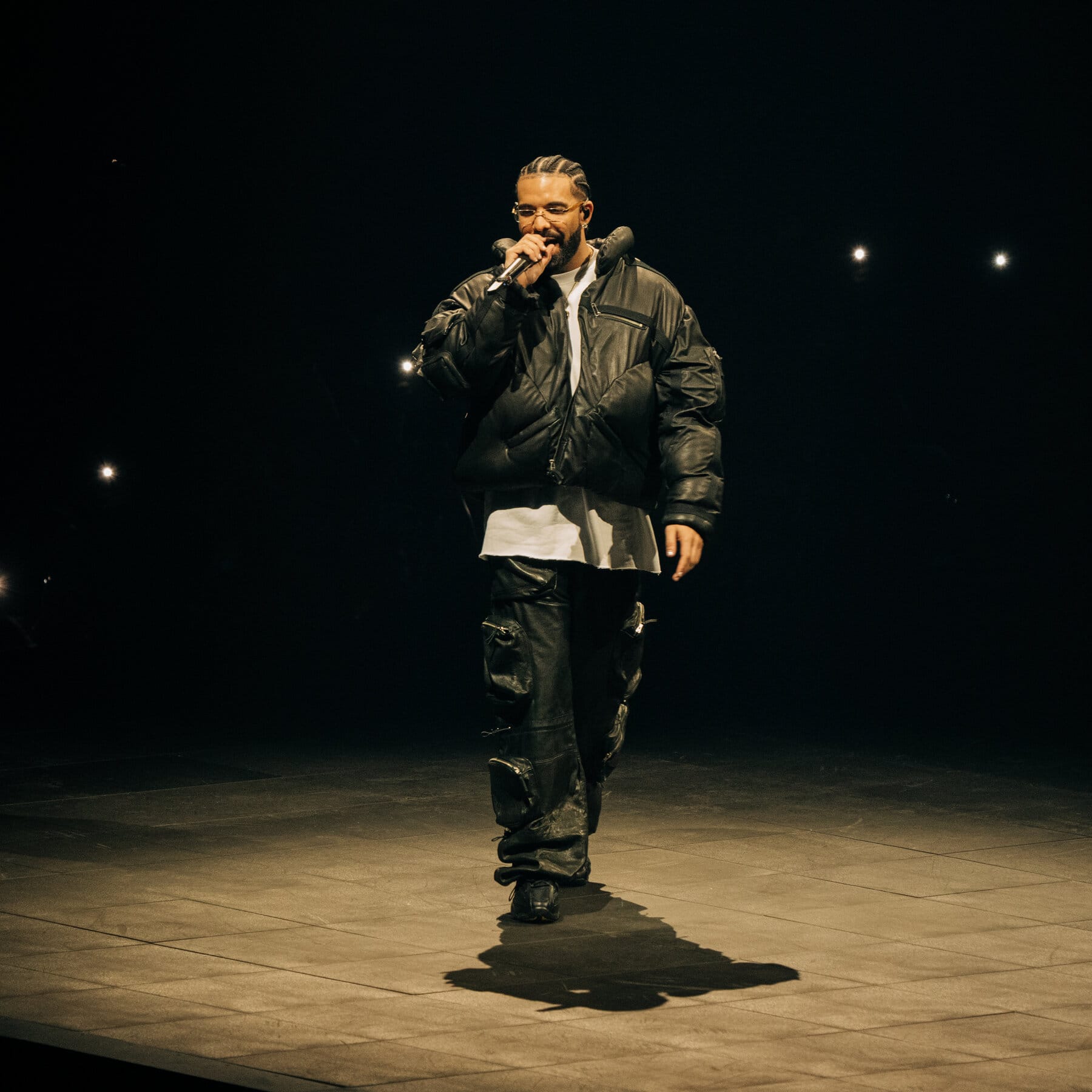
Whether this summer ultimately belongs to Drake musically or simply belongs to the conversation surrounding Drake remains to be seen. What cannot be denied is that he has once again forced himself into the center of cultural discourse, and there is power in that regardless of how divided public opinion may be. Bravo is deserved because surviving in modern music at this level requires more than talent alone. It requires reinvention, strategy, resilience, emotional intelligence, calculated marketing, and an understanding of how audiences consume culture in real time. Drake has mastered all of those things whether critics appreciate his methods or not. The only question left now is whether the music itself will outlast the business narrative surrounding it. For most legendary artists, the art becomes the defining conversation. In Drake’s case, the art and the machine behind it may forever remain neck and neck, and that tension may be exactly what secures his place in music history.