When Did Accountability Become Hate in Black Culture?

– 5 min read





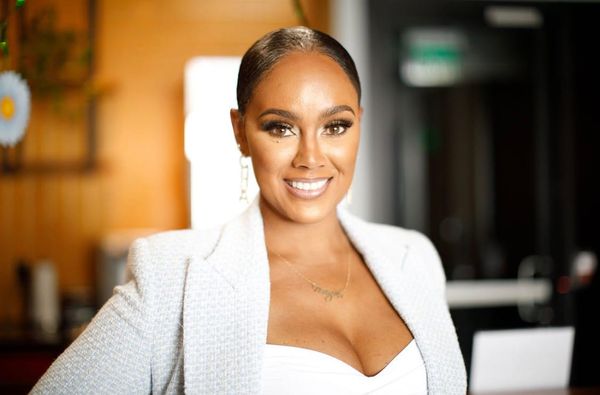
Accountability has become one of the most uncomfortable conversations inside Black culture because somewhere along the way, many of us started confusing critique with betrayal. If a public figure misrepresents themselves, exploits their audience, behaves irresponsibly, or moves in ways that contradict the values they publicly preach, the conversation rarely stays centered on the actual behavior anymore. Instead, it quickly shifts toward whether calling the situation out makes someone jealous, bitter, divisive, or guilty of “tearing down” another Black person. The recent social media conversations surrounding Dr. Cheyenne Bryant have once again forced that tension into public view, but the larger issue extends far beyond one individual. What makes the conversation so layered is that many people are not even necessarily debating whether certain actions were right or wrong. The debate is whether we, as a community, still have room for accountability at all without immediately translating it into hate. That distinction matters because communities without standards eventually become communities vulnerable to almost anything. When every criticism is framed as an attack, people stop asking whether something is true and instead only ask whether someone was “supported enough” while saying it. That mindset may feel protective in the moment, but over time it quietly erodes integrity.
Part of what makes this issue so emotionally charged is that Black communities have historically had to protect one another from systems that were designed to diminish, criminalize, stereotype, or silence us. There is a long history behind why many Black people instinctively become defensive when public criticism emerges, especially criticism directed toward Black women. That instinct did not come from nowhere. It came from generations of watching Black voices be unfairly targeted while grace and nuance were extended to everybody else. However, social media has complicated that protective instinct because now criticism from inside the community is often immediately interpreted as betrayal before the actual substance of the concern is even addressed. If someone is charismatic, successful, attractive, wealthy, spiritually influential, or culturally beloved, many supporters no longer separate accountability from personal loyalty. The result is that questions become attacks, concern becomes jealousy, and disagreement becomes hatred. In many ways, popularity has started functioning like immunity, particularly for people who have mastered branding, inspiration, or influence. The danger in that is not simply that flawed people continue succeeding. The real danger is that communities begin losing the ability to distinguish between protecting people and enabling them.
The response to some of the allegations surrounding Bryant illustrates that tension perfectly. One former client publicly described what she characterized as a traumatic therapy experience with Bryant and expressed concern over receiving mental health guidance from someone critics claim misrepresented professional licensing credentials. Rather than the conversation centering fully on the seriousness of the accusation itself, much of the public response quickly shifted toward defending Bryant at all costs. The former client was reportedly met with intense backlash and social media vitriol from Bryant’s supporters, many of whom appeared more focused on protecting Bryant’s public image than engaging the actual concerns being raised. That reaction says a lot about where we currently are as a culture. Somewhere along the way, many people became more uncomfortable with public accountability than with the possibility that someone may have genuinely been harmed. That does not mean accusations should automatically be accepted as fact without scrutiny, nor does it mean public figures are undeserving of grace. However, it does raise an important question about why communities sometimes instinctively punish people for speaking up instead of creating room for honest dialogue, investigation, and reflection. If every criticism is immediately treated as sabotage, then eventually people with legitimate concerns stop feeling safe enough to speak at all.
Award winning music journalist A.R. Shaw recently raised similar questions while discussing Drake and the aftermath of his public feud with Kendrick Lamar. Shaw questioned whether certain actions taken during that fallout aligned with the traditional values and cultural codes historically associated with hip hop culture. Instead of many people engaging the actual argument itself, the conversation immediately became emotional, with critics being labeled haters or accused of wanting to see Drake fail. But asking whether an artist’s behavior aligns with the spirit of the culture they profit from is not hate. Hip hop has always positioned itself around authenticity, competition, truth telling, and credibility. Those standards were once considered sacred within the culture because they represented something bigger than entertainment. The problem now is that fandom often overrides principle. Once audiences become emotionally invested in someone’s success, they begin protecting the person instead of protecting the standard. That shift creates a culture where influence becomes more important than integrity and where accountability only exists for people who are no longer popular enough to defend.
We have seen versions of this same pattern play out before with public figures like Jussie Smollett, whose actions created disappointment and confusion across the country. The frustration surrounding situations like that is not rooted in perfectionism because nobody expects public figures to be flawless. Human beings make mistakes. Public figures fail. Communities can survive failure. What becomes damaging is when there is no meaningful acknowledgment of wrongdoing and no expectation that influential people should hold themselves accountable after violating public trust. Instead, modern culture often encourages people to simply outlast controversy long enough for the next headline, podcast interview, business launch, or viral moment to arrive. Social media rewards reinvention far more than reflection. People are taught to move past accountability instead of through it. That is why audiences increasingly feel emotionally exhausted. Many people are not upset simply because someone made a mistake. They are frustrated because they feel they are constantly being asked to ignore what they clearly witnessed in order to preserve somebody else’s brand, image, or profitability.
Another uncomfortable reality is that many people remain silent about public figures they privately disagree with because they fear social backlash themselves. Conversations surrounding entrepreneurs and personalities like Stormy Wellington often reveal how hesitant people are to publicly express concern about influential individuals once those individuals reach a certain level of wealth, popularity, or community influence. People worry that raising questions will automatically label them as jealous, negative, or unsupportive. In some ways, we have unintentionally created an environment where honesty feels more dangerous than performance. That becomes especially harmful when money and influence begin replacing moral standards altogether. If every action can be excused because someone is successful, motivational, wealthy, or inspirational, then eventually integrity itself loses value within the culture. Communities cannot survive long term if charisma consistently outweighs character. At some point, there has to be room for people to lovingly but honestly say, “This was wrong,” without that statement automatically turning into a public war over loyalty.
That is why journalism still matters, even in an era where people increasingly prefer affirmation over uncomfortable truth. Journalists like A.R. Shaw play an important role because journalism was never meant to function as fandom or public relations. At its best, journalism shines light into uncomfortable places and forces communities to wrestle honestly with what they see there. The responsibility is not to protect influential people from scrutiny. The responsibility is to protect truth, context, and integrity, even when doing so becomes unpopular. If we continue becoming a culture where every critique is treated like betrayal, then eventually nothing meaningful will remain sacred. Influence will replace accountability, branding will replace integrity, and communities will slowly lose the ability to distinguish between genuine leadership and carefully curated performance. Black communities have survived too much historically to now become afraid of honest reflection. Accountability is not always hatred. In many cases, accountability is love because communities that truly value themselves should never be afraid to protect the standards that hold them together.