BayRay Is Reviving Real R&B — With Soul, Substance, and Stage Presence
– 5 min read





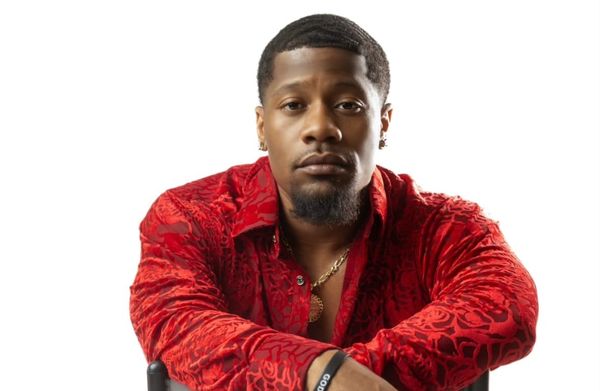
In an era where music often feels rushed, disposable, and built for quick attention spans, BayRay is moving in the opposite direction. He’s not chasing microwave moments — he’s building something that lasts. Rooted in soul, shaped by real life experiences, and fueled by a passion for performance, BayRay is carving out a lane that blends R&B emotion with hip-hop versatility.
Raised around music legends in his own hometown, with a family history deeply tied to DJ culture in Dover, Delaware, BayRay’s sound was cultivated long before he ever stepped into the spotlight. But it wasn’t until he began performing live — and witnessing people react in real time — that he understood music wasn’t just something he enjoyed. It was his calling.
In this Q&A, BayRay opens up about his beginnings, his creative process, his defining single “Something Special,” and why his upcoming album Mansa could be the project that elevates him to the next level.
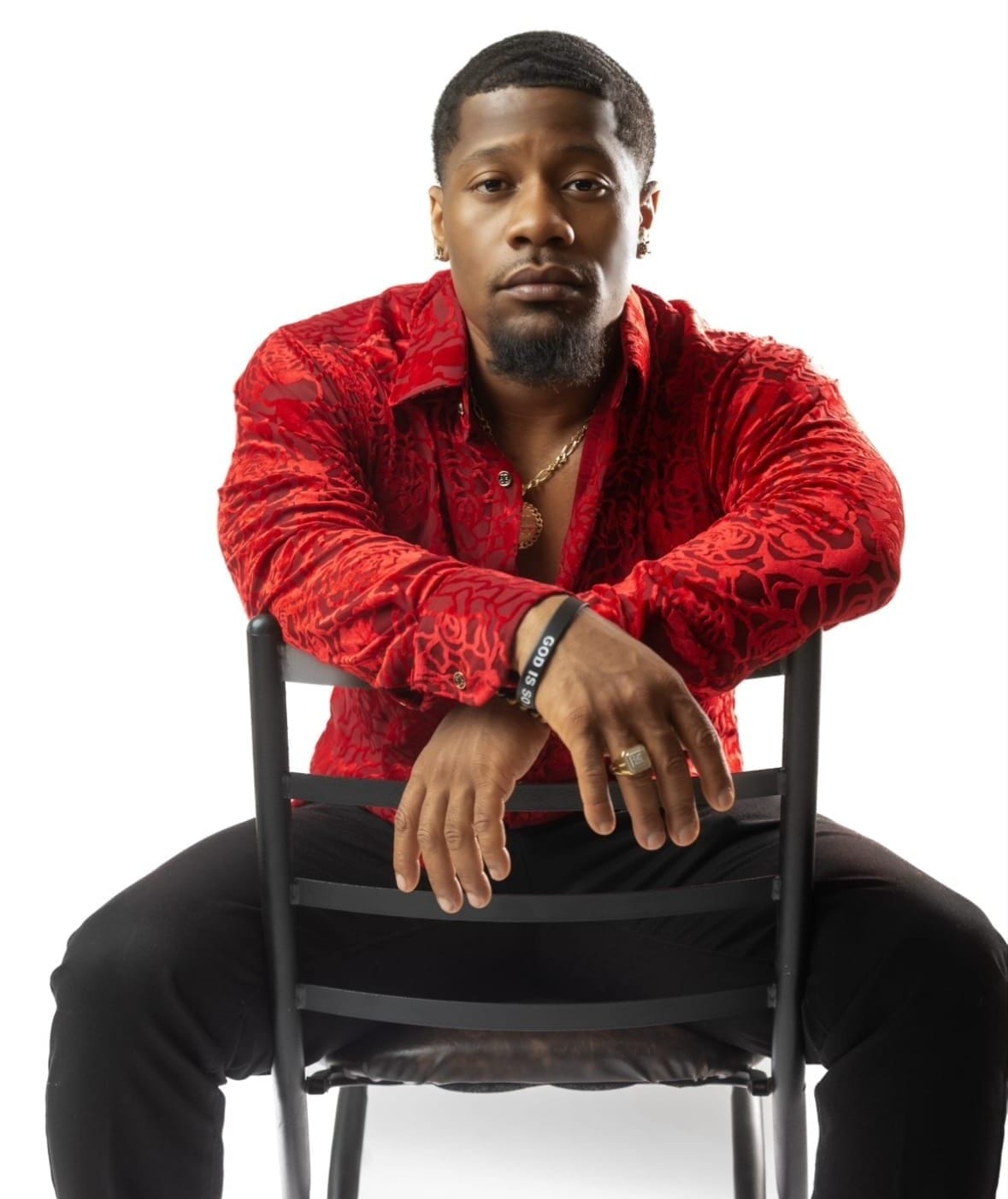
When did you first realize music was more than just a hobby for you, and what was the moment that made you say, “This is it?”
I realized music was more than just a hobby when I started performing at my first few shows and seeing the reactions people gave me. Watching people connect with my music in real time made me understand that my talent could really impact others. The moment I truly knew this was my path was when I started performing on bigger stages. That experience showed me my abilities were meant for something greater.
When you’re writing, do you start with the beat, the lyrics, or a feeling you want to capture?
My creative process always starts with the beat. I have to feel connected to the sound first. Once I find a beat I really enjoy, I focus on the emotion or feeling I want to capture. From there, the lyrics naturally come together. I create from real emotions, so every song starts with a vibe and a feeling before anything else.
Which artists or life experiences have shaped your style the most, and how can listeners hear that influence in your music?
Some of my biggest musical influences are Usher, Ron Isley, and legendary soul groups like The Isley Brothers. A lot of my style also comes from personal experiences involving love, loss, reflection, growth, and pain.
My late father and grandfather were both well-known DJs in Dover, Delaware, known as Player and Player Jr. Growing up around them had a huge impact on me. My grandfather constantly played classic music from the ‘60s, ‘70s, and ‘80s through his home intercom system, and hearing those timeless records every day shaped my ear for music. I believe that exposure helped cultivate the soulful and emotional sound people hear in my music today.
If someone had never heard your music before, which one track should they start with, and why?
I’d tell them to start with my single “Something Special.” It’s one of my favorite records I’ve ever created because it captures both my sound and my influences perfectly. I also paid tribute to one of my favorite groups, The Isley Brothers, within that record. It’s a song that can connect with both younger and older generations.
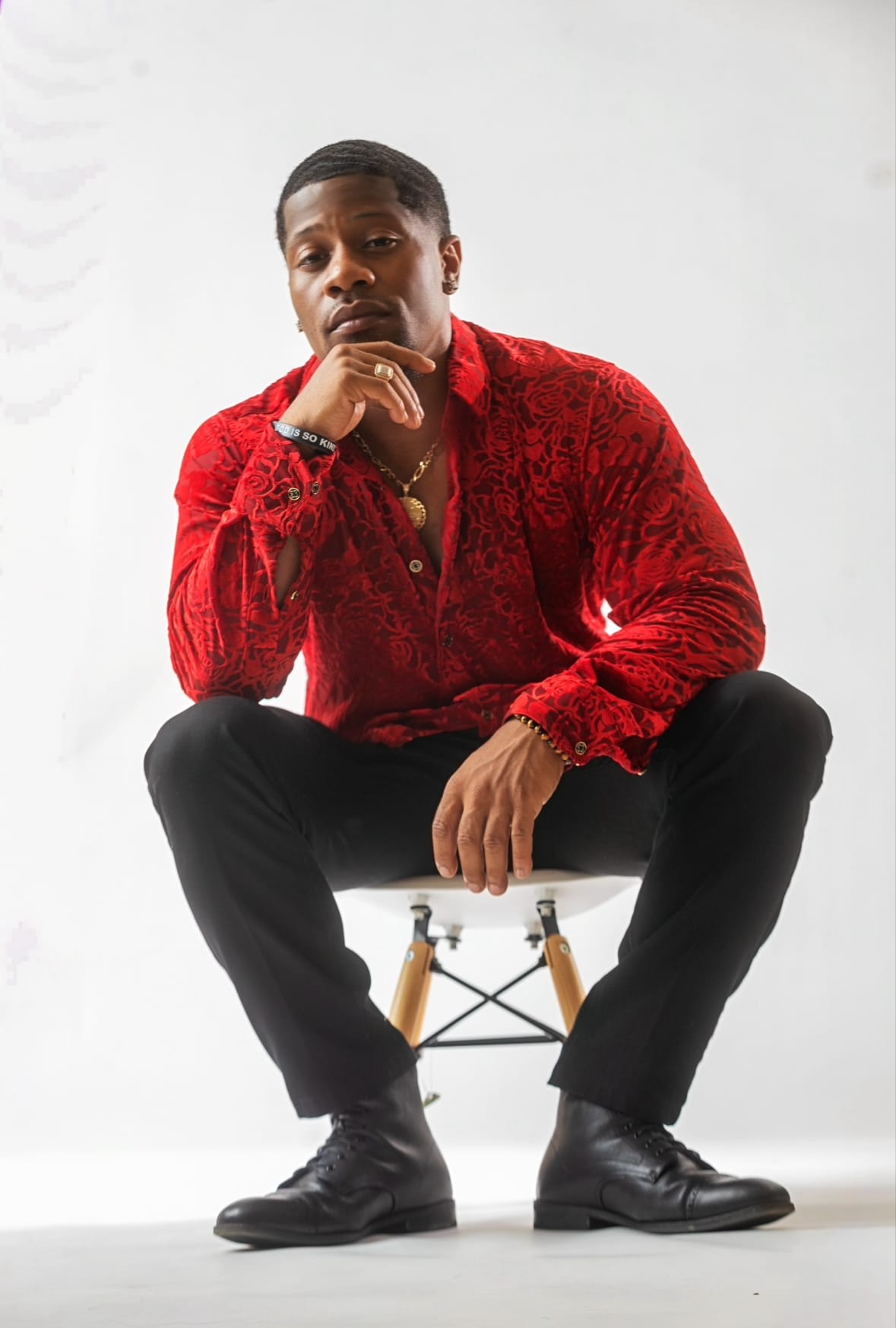
What’s the hardest obstacle you’ve faced in your career, and how did you overcome it?
One of the hardest obstacles I’ve faced has been finding like-minded people who are equally motivated, consistent, and willing to invest in their dreams. I overcame that by continuously putting myself out there, attending events, networking, and building genuine relationships with people who believed in my talent and vision. I learned that opportunities come from staying active and remaining visible.
You’ve probably lived through moments your fans don’t know about—what’s one personal story behind a song that changed how you see life or music?
One song that really changed my perspective was “Cry Together” by The O'Jays. It changed the way I looked at R&B and soul music, especially when it comes to vulnerability. It taught me that men, especially artists, can openly express emotions, pain, and love through music without losing strength. That influenced how honest and emotional I allow myself to be in my own records.
How do you feel about the current state of hip hop, and where do you see yourself fitting into it?
I think a lot of today’s music feels rushed and microwave-made—almost like fast food. A lot of songs lack substance, soul, and longevity. I see myself bringing back the feeling and flavor of old-school music while mixing it with my own modern style and flow. I want to create music that people can truly feel and remember years from now.
What’s the most misunderstood thing about you as an artist or person, and how does your music set the record straight?
A lot of people only see me as an R&B artist, but when they really listen to my music, they realize I’m talented in hip-hop as well. I don’t like putting myself in a box creatively. My music shows different layers of who I am as an artist.
When people talk about you years from now, what do you want them to say about your impact on the culture?
I want people to say I was one of the greatest artists to ever do it—someone who brought real emotion, soul, and authenticity back into music while inspiring others to chase their dreams fearlessly.
What’s coming up next that fans should be excited about—whether it’s music, performances, or collaborations?
Fans should definitely be excited for more live performances and the release of my upcoming album, Mansa. I’ve already started teasing the project on my Instagram stories, and this is just the beginning. There’s a lot more music, visuals, and energy on the way, so stay tuned and follow the journey closely.
BayRay is one of those artists who feels like a reminder of what music is supposed to be — honest, emotional, and timeless. He carries the DNA of classic soul through his influences, his upbringing, and his respect for real songwriting, but he’s also not afraid to step outside the box and bring hip-hop energy into the mix.
With Mansa on the horizon and his live presence continuing to grow, BayRay is positioning himself as more than just an artist to watch — he’s becoming an artist built to last. And if his goal is to restore soul, authenticity, and longevity to the culture, he’s already well on his way.