Caresha’s “Spend Dat” Gets a T-Boz Co-Sign on the It’s Iconic Tour

– 3 min read




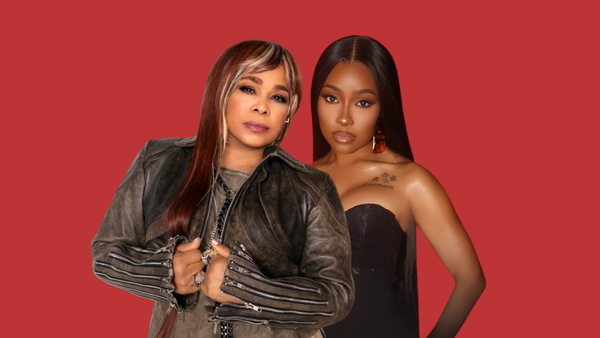
Caresha’s “Spend Dat” has become one of the summer’s most talked-about records, inspiring viral videos along with criticism from people who believe the song represents exactly what has gone wrong with women, relationships and popular culture. But somewhere between all the outrage and pearl-clutching, something interesting happened: Tionne “T-Boz” Watkins put her unmistakable voice on the record and made it part of TLC’s breakdown on the It’s Iconic Tour. Coming from a woman who helped define one of the most influential female groups in music, it doesn’t feel like a random grab for a viral moment. It feels like a co-sign, and when you really go back and listen to the music TLC was making more than 30 years ago, Caresha and T-Boz are not nearly as far apart as some people might think.
If anybody from that generation understands Caresha’s swagger, it’s T-Boz. Long before women in hip-hop were routinely celebrated for being sexually confident, demanding and completely uninterested in making men comfortable, TLC was already playing in that space. “Ain’t 2 Proud 2 Beg” was not coy about female desire. The song talked about needing sex in the morning or the middle of the night, being loud enough to be “holdin’ sheets,” and refusing to let the fear of being called a freak stop a woman from asking for what she wanted. “Red Light Special” took that same confidence into a more grown and sensual space, with T-Boz making it very clear that the woman controlled the invitation. Caresha may be saying it with 2026 language and considerably less concern for euphemisms, but she certainly did not invent the attitude.
That becomes even clearer when Salt-N-Pepa enter the conversation. Before people were debating whether today’s female rappers had become too vulgar or too sexually liberated, Salt-N-Pepa were already making America uncomfortable. “Let’s Talk About Sex” put sex, protection and HIV/AIDS into mainstream conversation at a time when those subjects were still difficult for many people to discuss openly. “None of Your Business” told listeners that a woman’s sexual choices belonged to her, not the public, while “I’ll Take Your Man” delivered enough female rap arrogance to rival almost anything being said by women today. Salt-N-Pepa were not asking men to choose them. They were letting women know that if they wanted yours, they could probably take him.
That is what makes some of the outrage surrounding women like Caresha, Cardi B and Megan Thee Stallion so interesting. We celebrate TLC and Salt-N-Pepa today because three decades have softened the shock value, but these women were once the young artists making parents uncomfortable too. They talked about sex, condoms, pleasure, cheating, bad men and female desire while insisting that women had the right to make decisions about their own bodies. Today’s women may be more graphic, but the freedom behind the lyrics did not suddenly appear with this generation.
Megan Thee Stallion’s “Big Ole Freak” is far more explicit than anything TLC could have realistically pushed onto Top 40 radio in the early ’90s, but its underlying confidence would not sound completely foreign to the women who grew up on “Ain’t 2 Proud 2 Beg” and “Red Light Special.” Cardi B’s braggadocious approach to sex, money and men feels equally familiar when placed beside Salt-N-Pepa’s catalog. The younger generation did not create female sexual freedom in hip-hop and R&B. They inherited it, expanded it and took away most of the filters.
That is why T-Boz putting her voice on “Spend Dat” matters. It connects two generations that critics often talk about as though they have nothing to do with one another. One generation has been around long enough to become respectable, while the other is still young enough to be judged for many of the same things. The delivery is different and the language has definitely gotten rawer, but the woman at the center of the record is still saying she knows what she wants and she is not particularly interested in anyone else’s approval.
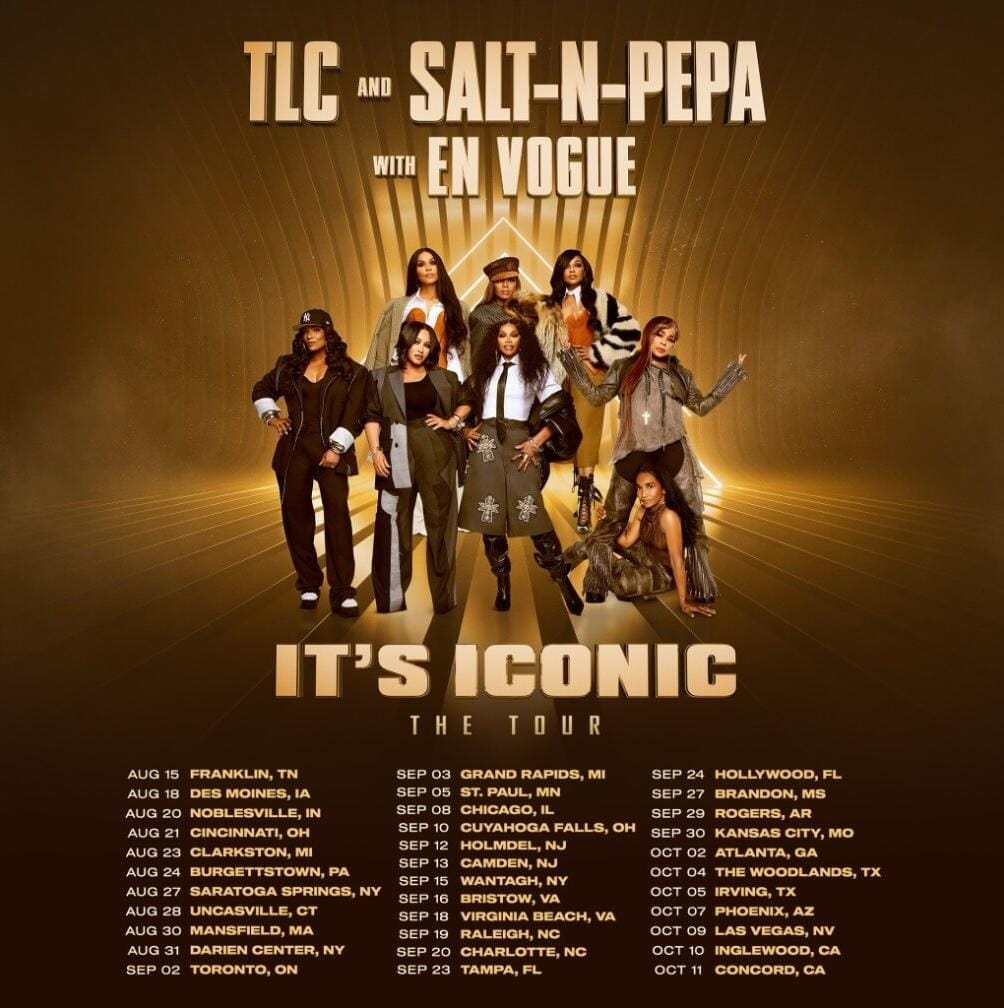
Caresha did not disrupt the lineage. She sounds like one of its daughters, and T-Boz jumping on “Spend Dat” may be one of the clearest reminders yet that the women we call controversial today are standing on ground that our icons started breaking decades ago.