Katie Zacharia’s Credentials Put America’s Obsession With Image Over Substance on Display
– 4 min read





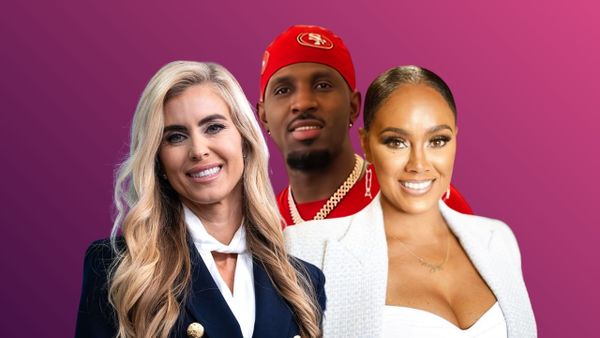
From Dr. Cheyenne Bryant’s disputed credentials to influencers who have fabricated degrees, wealth or success online, we have seen people build public identities around titles and accomplishments that do not hold up to scrutiny. Now similar questions are following Katie Zacharia, the new White House press secretary, who has repeatedly described herself as a lawyer despite confirming that she did not pass the California bar exam. The comparison is not that every case is identical. It is that we keep rewarding the appearance of achievement before we establish whether the work and qualifications behind it are real.
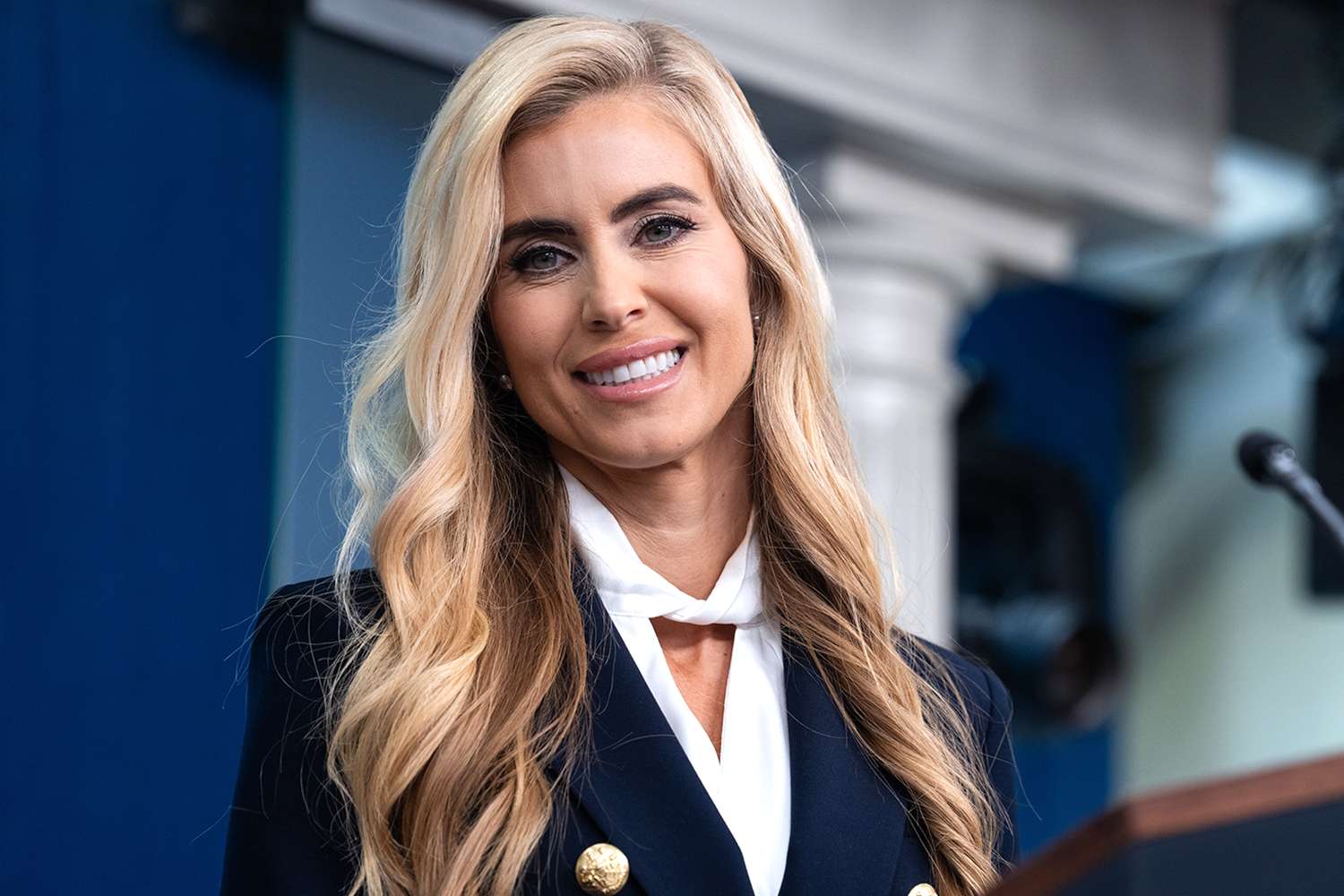
Zacharia has a law degree from Pepperdine, and she says she practiced international transaction law with the appropriate credentials. She has also said she never represented herself as an “attorney-at-law.” But she has publicly called herself a lawyer, and President Donald Trump introduced her as an attorney. Reporting has found no record of her being admitted to a U.S. state bar, and Zacharia has acknowledged that she did not pass the California bar exam. Those facts make it reasonable for the public to question whether her title gave people a misleading impression.
A press secretary does not have to be a lawyer. The problem is not that Zacharia lacks a degree or license required for the job. It is that the person now responsible for communicating the administration’s message begins her tenure with questions about how she presented her own credentials. The public depends on the White House press secretary to relay information accurately, answer questions directly and clarify what the administration is doing. If the spokesperson’s own words about her professional background are under scrutiny, people will naturally wonder what else they should question. Transparency is one of the ways trust is earned.
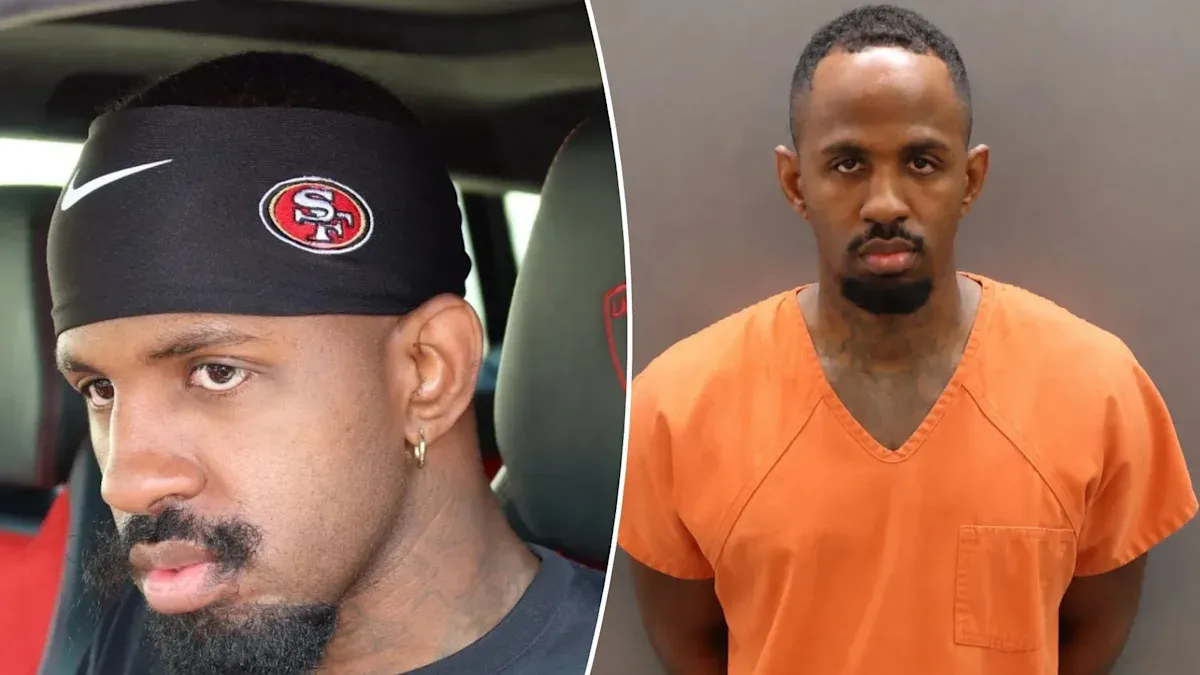
And this is bigger than one press secretary or one influencer. We have watched people face questions about claimed degrees, professional titles, wealth, business success and access. The case of Daejon Love shows how far a carefully built image can go: federal prosecutors allege that he posed as a San Francisco 49ers player and wealthy investor to gain women’s trust and defraud them through fake investment opportunities. Investigators say the 49ers and NFL confirmed he had never been employed by either. Love has pleaded not guilty, and the allegations have not been proven in court, but the case is a stark reminder that a convincing image can have real consequences for the people who believe it.
Social media can make a carefully constructed image look like proof of a life that may not exist as presented. John Hope Bryant has also warned about influencers who display wealth they may not actually have. These examples come from different worlds, but they point to a culture that rewards the appearance of achievement before asking how it was earned. When someone claims an Ivy League education or a professional title and the claim does not hold up, the disappointment is not only about that person. It is also about how easily the image persuaded people.
Luck from the 'Nothing But The Truth' podcast made a point about watching the finish line instead of paying attention to the race. If all we notice is the person standing at the end, we may assume they ran the entire course. But someone can step in at the last moment, cross the line and receive the same applause as the person who put in the work. Social media makes that finish line easy to stage with a polished photo, an impressive title or a confident introduction. The work, the training and the proof are much less visible. We have to stop treating the image of success as evidence of success.
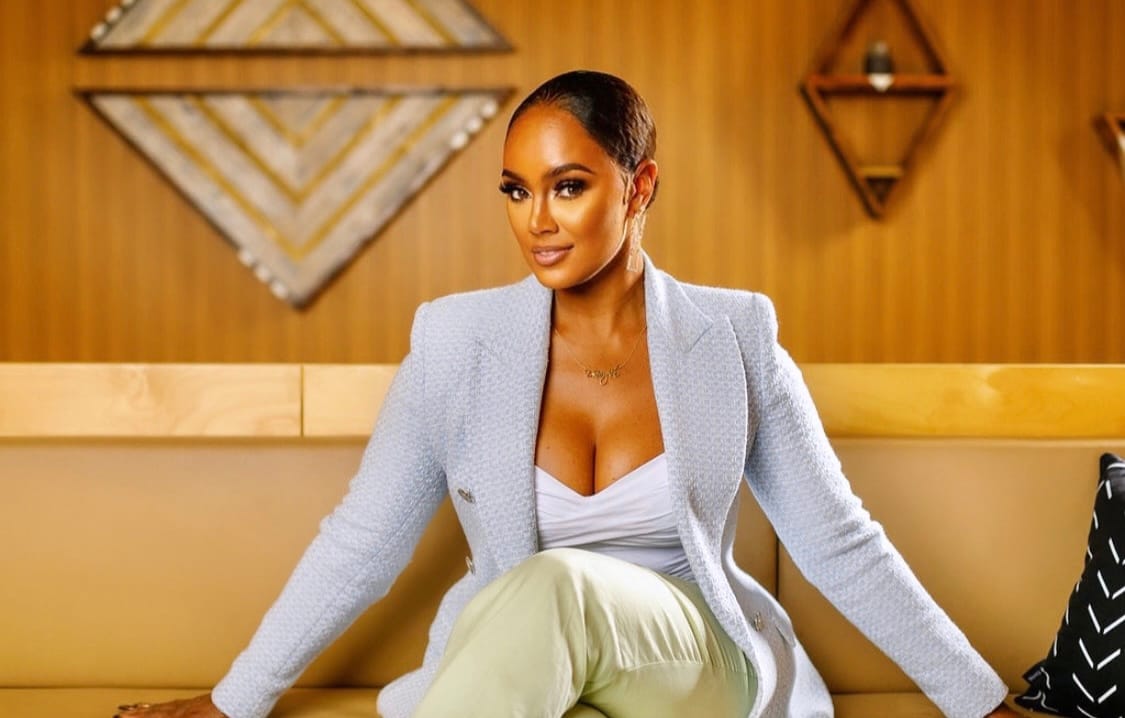
That does not mean every person whose credentials are questioned is lying, or that we should assume the worst before the facts are clear. It means we should ask for evidence consistently, regardless of someone’s race, platform or political affiliation. In Cheyenne Bryant’s case, questions about her academic credentials and use of “doctor” have been widely discussed. In Zacharia’s case, her public use of “lawyer,” her confirmation that she did not pass the California bar and the absence of a known U.S. state bar license deserves the same scrutiny. We have spent years talking about how Black people are judged and how quickly our qualifications are questioned, and those realities are real. But we should not mistake a broader cultural problem for something that only happens to us, or defend questionable claims simply because the person at the center is familiar to our community.
This moment says something about a culture that prizes aesthetics, access and the appearance of success over substance. That culture is not confined to influencers, entertainment or social media; it has reached the White House briefing room. Zacharia’s appointment does not resolve every question about her professional history, and the facts should be allowed to speak for themselves. The country deserves a press secretary who communicates accurately, and the public deserves to know what credentials its officials actually hold. If we expect the person speaking for the administration to be believed, how can that trust grow when her own words about her credentials are under scrutiny?