Imperfectly, Still Worthy: Why Imperfect Women Feels Like a Necessary Reflection
– 7 min read


There is something both refreshing and quietly radical about a title like Imperfect Women, especially when it arrives during a month where we, as women, are draped in celebration, affirmation, and carefully curated praise. All throughout National Women’s History Month, we highlight the wins, the accolades, the polished narratives that make us proud to say, look at what we have accomplished, yet what often goes unspoken, what rarely makes it into the bios and acceptance speeches, is the truth that most of those accomplishments were born through missteps, heartbreaks, and moments we would rather forget. In that way, this series does not just entertain, it reflects, it holds up a mirror to the parts of ourselves we have been taught to refine, reshape, or completely hide.
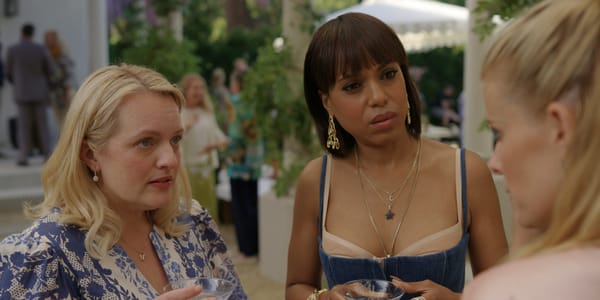
Watching Kerry Washington step into another layered, emotionally complex role feels like a continuation of a legacy she quietly perfected during Scandal, yet there is something even more intimate here, something less about control and more about unraveling. Her performance signals that this series is not simply another hit in the making, although it very well may become one of her most talked about roles to date, it is a character study in contradiction, in vulnerability, and in the quiet chaos that lives beneath the surface of even the most composed women. We have learned to love her characters not because they are perfect, but because they are not, because they move through complicated relationships, questionable decisions, and emotional gray areas in ways that feel deeply human.
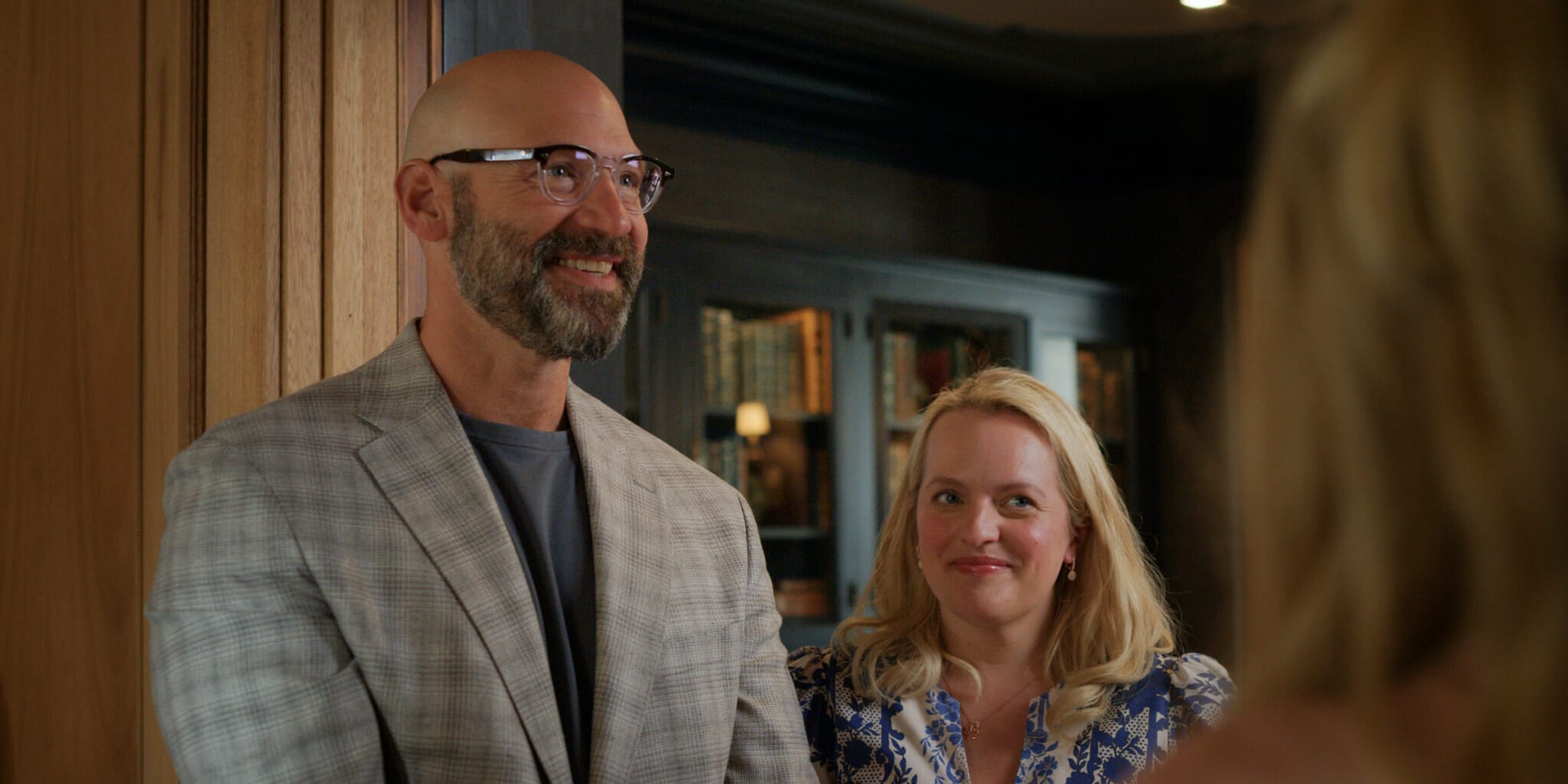
For many of us, that expectation of perfection was introduced early, long before we had language for it, long before we understood the weight we were carrying. We were raised on the idea that we had to be twice as good, sometimes three times as good, just to be seen, just to be considered worthy, just to avoid the consequences of being misjudged or overlooked. In households shaped by sacrifice, resilience, and survival, there was little room for error and even less room for recovery, which meant that mistakes were not viewed as part of growth but as liabilities we could not afford to carry.
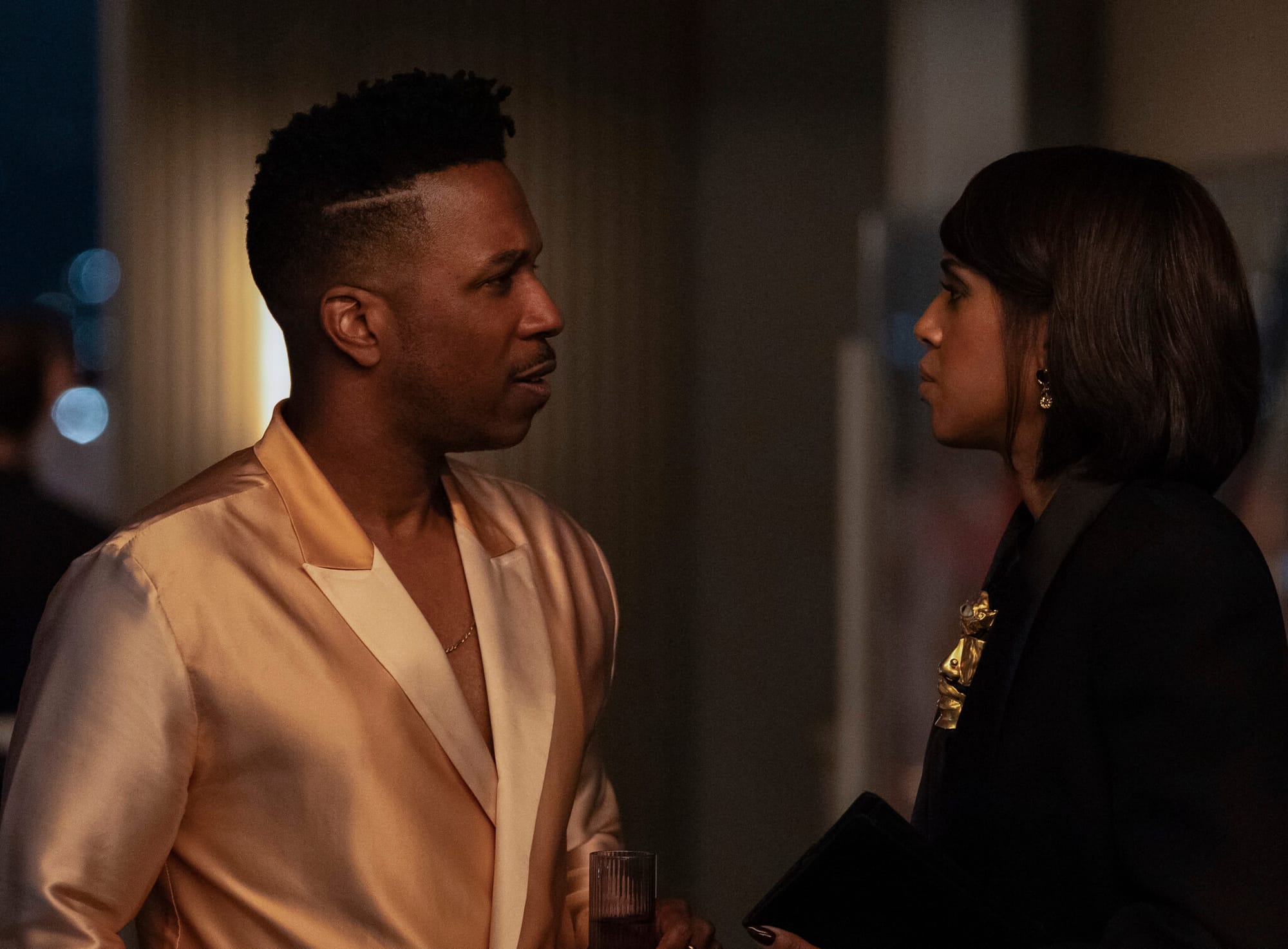
I remember the moment that shifted that thinking for me, a simple gesture from my mother that carried a depth I did not fully grasp until years later. She gave me a Mother’s Day card that listed all the things I was allowed to be as a woman, and tucked between strength, love, and perseverance was something unexpected, permission to make mistakes. That one line unraveled years of internal pressure, because it acknowledged something I had never truly believed was available to me, the idea that I could fall short and still be whole, that I could stumble without losing my worth.
That is why Imperfect Women lands differently, because it does not ask us to admire perfection, it invites us to sit with contradiction. It allows us to witness women who are accomplished yet flawed, confident yet uncertain, loving yet capable of causing harm, and in doing so, it challenges the narrative that worthiness is tied to flawlessness. When we watch characters make questionable choices, when we lean into the messiness of their decisions, we are not just entertained, we are confronted with the parts of ourselves we have been taught to edit out.
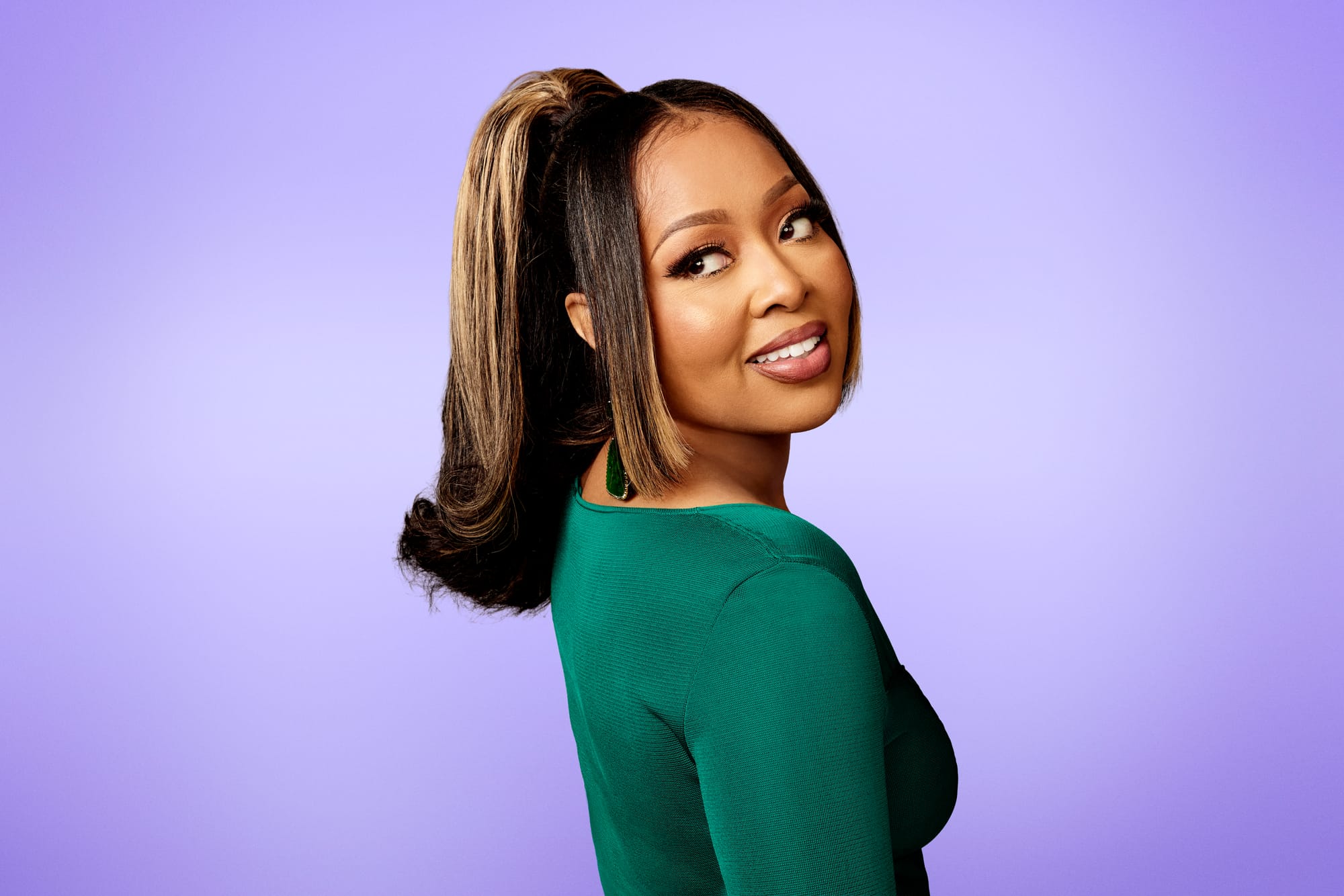
I was reminded of that same dynamic in my recent conversation with Destiny Payton from Love & Marriage: Huntsville, a woman who, for seasons, has found herself on the receiving end of intense public scrutiny. Viewers have questioned her decisions, dissected her reactions, and at times judged her with a harshness that left little room for grace. Yet in this most recent season, as more of her story unfolds, as we are invited into her childhood and the emotional weight she has carried, there is a shift in perspective. We begin to understand that some of the choices we so quickly critique are often made while someone is pushing through something heavy, something unresolved, something deeply rooted in trauma or instability.

That context does not excuse every misstep, but it does humanize it, and more importantly, it reminds us that what we see on the surface is rarely the full story. So many women are navigating life while carrying invisible burdens, while healing in real time, while trying to function, succeed, and show up for others even as they are still processing their own pain. When viewed through that lens, what looks like poor decision making can sometimes be survival, what looks like inconsistency can sometimes be exhaustion, and what looks like failure can actually be someone doing the best they can with what they have.
And yet, what is often most difficult to confront is that some of the harshest criticism directed at Black women does not always come from the outside, it comes from within our own community. We have internalized the belief that we do not have the luxury of mistakes, that we must always present as strong, composed, and unshakable, and in doing so, we sometimes extend that same rigidity to one another. We hold each other to impossible standards, we critique without context, and we forget that the very grace we are denied externally is the grace we should be most intentional about giving to each other.
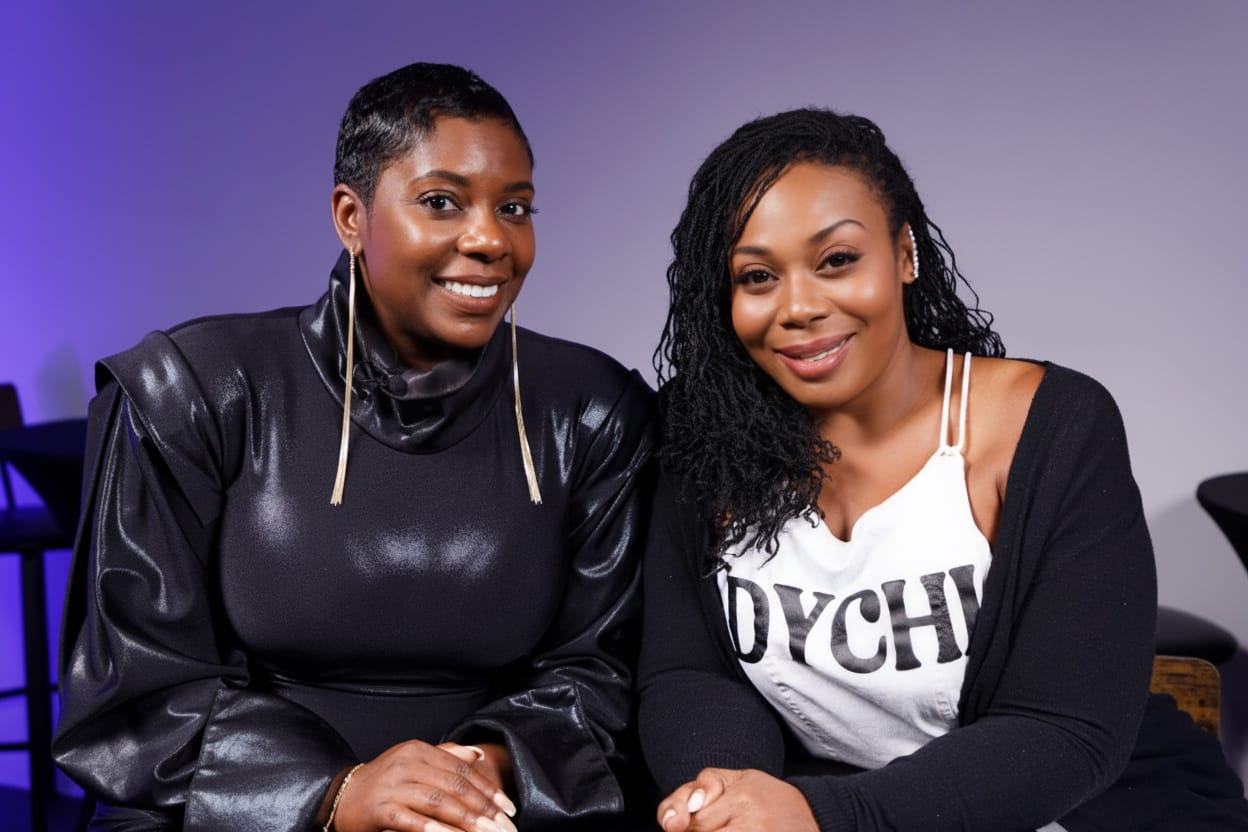
Even in conversations like the one I recently had with Tasha K, there is an acknowledgment that imperfection is not just inevitable, it is instructive. She spoke candidly about her relationship with gossip, about understanding its impact, about recognizing that something she once embraced without hesitation has the power to harm, and that growth required her to sit with that truth. That level of awareness does not come from perfection, it comes from experience, from missteps, from moments where we are forced to reflect, recalibrate, and decide who we want to be moving forward.
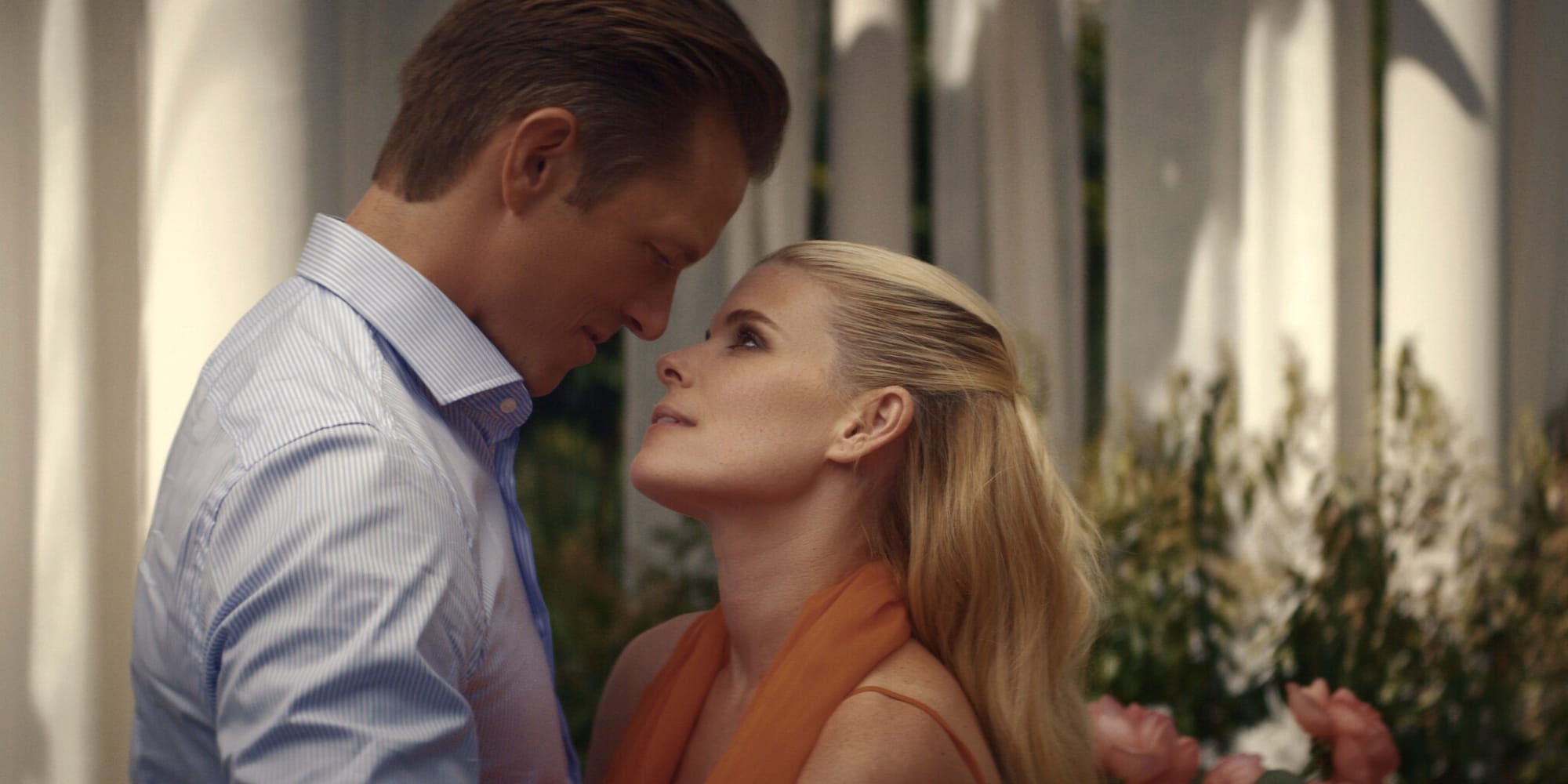
And still, for so many accomplished women, there is a quiet undercurrent of guilt tied to those imperfections. We achieve, we build, we lead, and still we carry the weight of the things we wish we had done differently, the choices we second guess, the moments we replay in our minds as if revisiting them might somehow change the outcome. We celebrate our highlights publicly while privately negotiating with our humanity, as though the two cannot coexist, as though excellence requires the erasure of everything that made it possible.
What Imperfect Women offers, beyond its compelling storytelling and undeniable performances, is an invitation to release that internal negotiation. It reminds us that the same grace we extend to characters on screen, the same understanding that allows us to root for them despite their flaws, is the very grace we often deny ourselves. We can watch a woman make a complicated romantic decision, we can watch her navigate morally gray spaces, and still find empathy for her journey, yet when it comes to our own lives, we tighten the rules, we raise the bar, we withhold compassion.
That contradiction is worth examining, because growth has never been born from perfection, it has always been shaped by the willingness to confront what did not go right and to evolve anyway. Every mistake carries information, every misstep holds a lesson, and every imperfect moment contributes to the woman we ultimately become, yet none of that can take root if we are too busy punishing ourselves for being human.
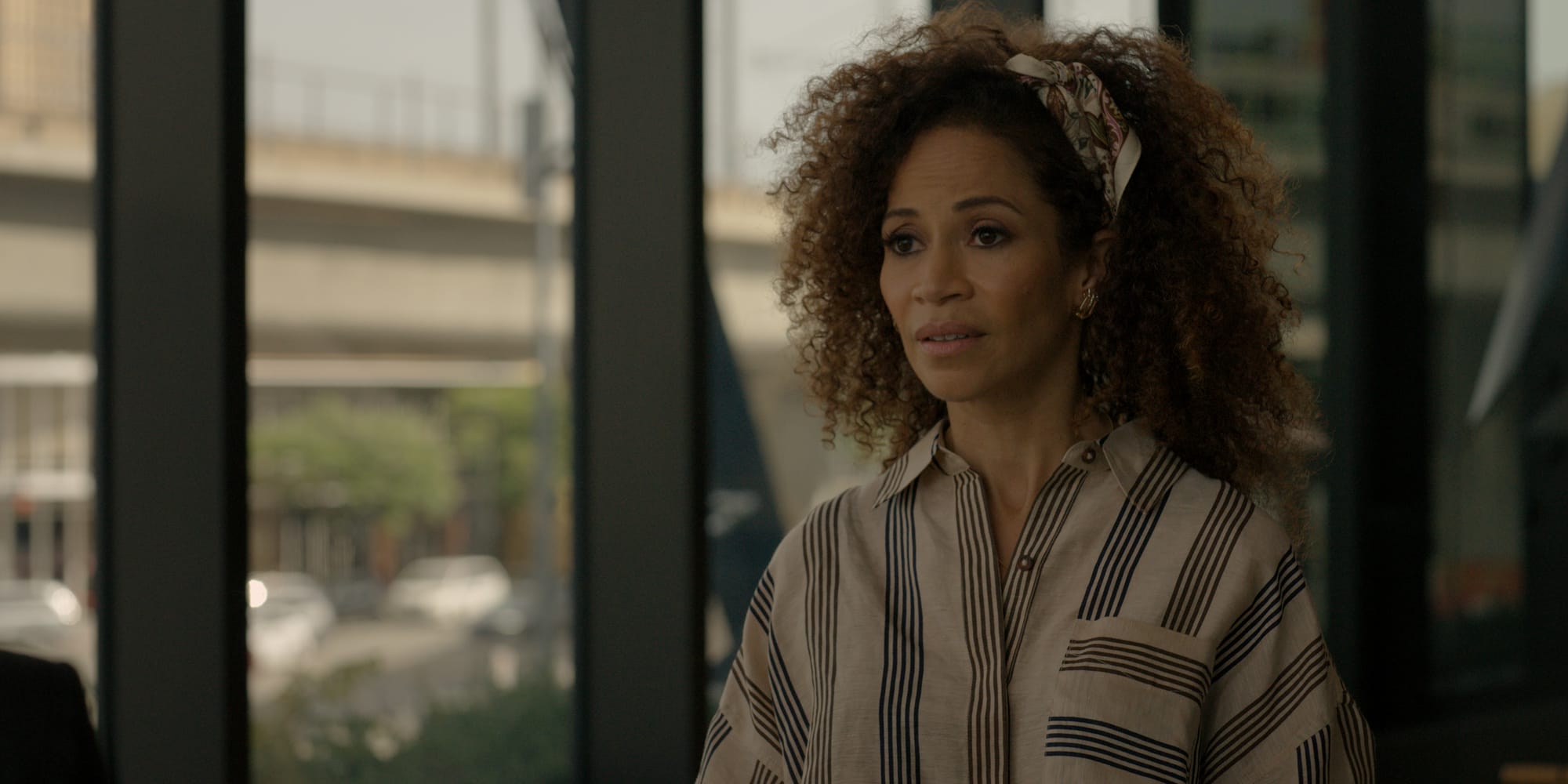
As we close out a month dedicated to honoring women, it feels necessary to expand what that honor truly looks like. It cannot only live in the awards, the features, and the polished narratives we present to the world, it must also include the unseen journeys, the quiet recoveries, the lessons learned in moments we would never put on a highlight reel. True celebration requires honesty, and honesty requires us to acknowledge that imperfection is not a flaw in the system, it is the system.
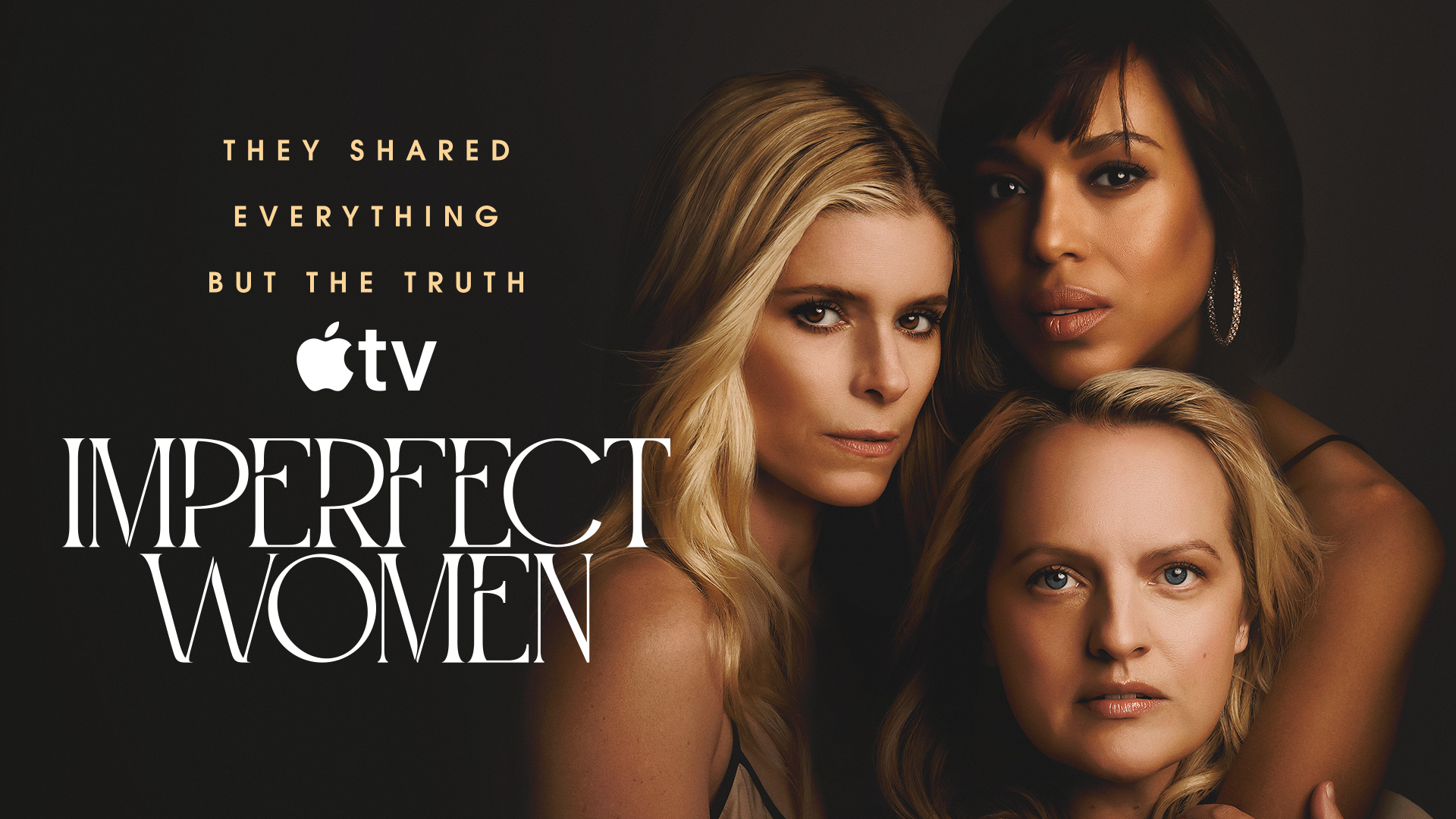
After a murder shatters the lives of three best friends, their decades-long bond is tested when an investigation reveals betrayals and shocking truths.
So as you lean into Imperfect Women, now streaming on Apple TV+ with new episodes rolling out weekly, as you laugh, react, and maybe even side eye a few decisions while watching with your girlfriends, I hope there is a moment where you pause and recognize yourself in the narrative, not just in the strength, but in the vulnerability, not just in the wins, but in the missteps. I hope you allow yourself the same grace you so easily extend to others, the same understanding that growth is rarely clean, and the same belief that worthiness is not something you earn through perfection.
Because the truth is, it was never just about the characters we watch, it has always been about us, about our stories, our lessons, our evolution. And maybe, just maybe, the most powerful thing we can do as women is not simply celebrate who we are at our best, but embrace who we are in progress, unfinished, imperfect, and still deeply, undeniably worthy