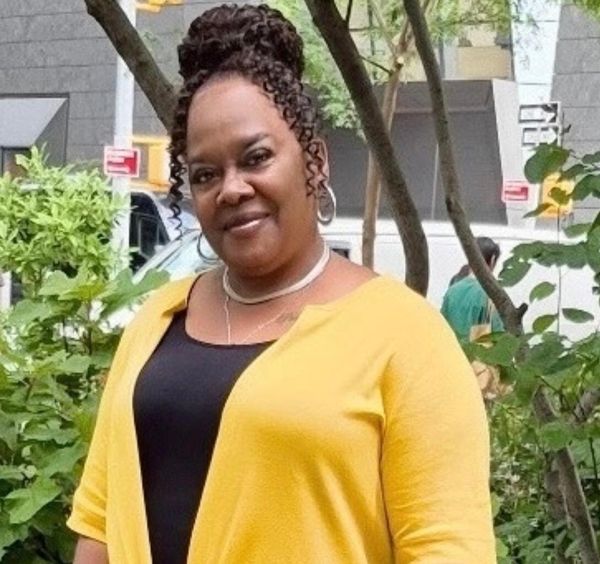
Hannah V. Sawyerr: Writing as Liberation, Advocacy & the Power of Unheard Stories

– 2 min read





“Sometimes life just mirrors art. For me, the written word has always been a source of liberation, and that truth is lived and experienced in the characters I’ve created”
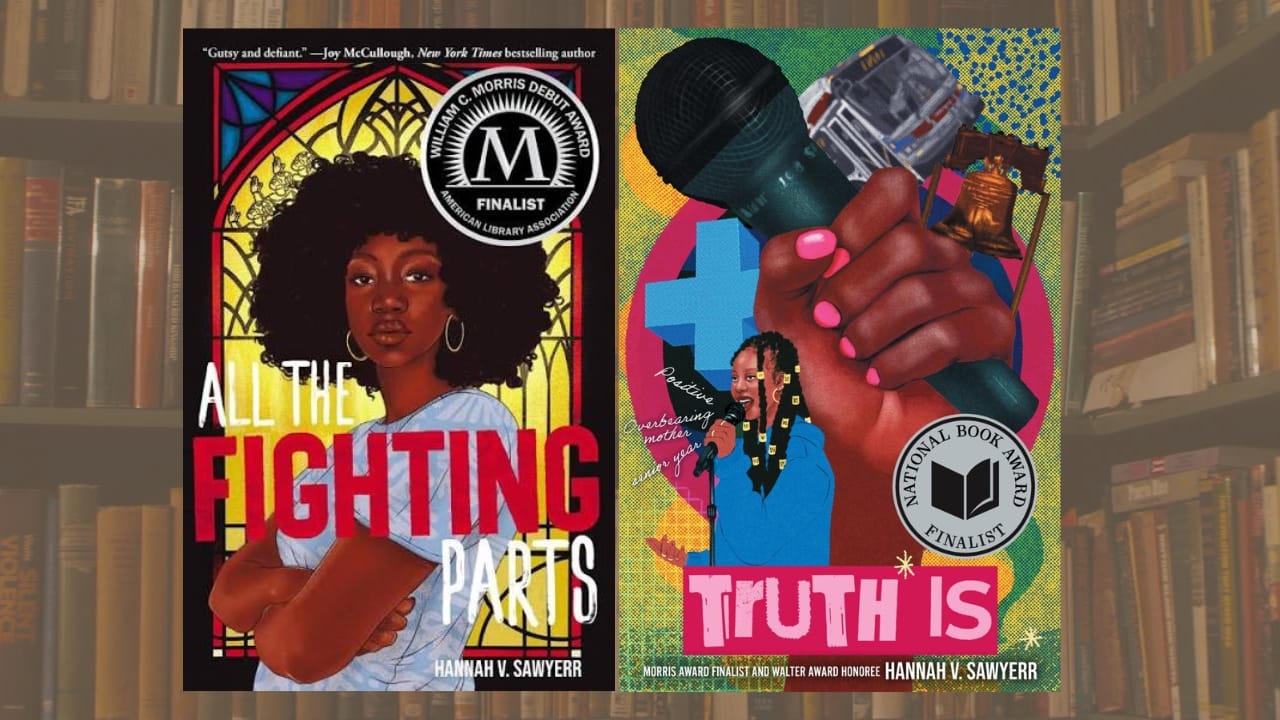
– Hannah V. Sawyerr, author of All the Fighting Parts and Truth Is
I picked up Hannah V Sawyerr’s debut verse novel All the Fighting Parts for two reasons. First, we had come up in the same MFA program at The New School, and second, I had recently begun teaching English at an arts school and was looking for a novel that would inspire a generation of children who had spent the last few years on Zoom, TikTok, and their tablets to see reading and writing as vital practices, especially at such pivotal points in their development.
Sawyerr’s first novel illustrates an uncomfortable truth: that the lives of children, particularly young Black girls, can be complex, complicated, and even dangerous. Fighting Parts follows the story of 16-year-old Amina Conteh as she attempts to reclaim her voice after surviving sexual assault at the hands of a prominent member of the local church. Conteh’s journey echoes the story of many Black girls in the United States who are victimized by people who have promised to protect them and ignored by those who have promised to listen. Still, Sawyerr never presents Conteh as a helpless victim; many of my students who read the book at the time came away feeling inspired by Amina’s resilience and persistence in seeking community after a personal tragedy.
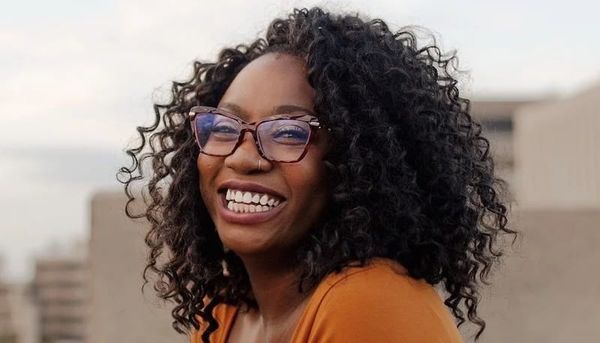
In our recent conversation, Sawyerr said, “I write because I want to be an advocate for young people, and I believe that the craft and form that inform poetry can also be a place where I can champion people whose stories are unacknowledged.”
The novel gracefully walks a fine line, refusing to present Amina’s journey as helpless while also acknowledging that healing is a delicate, nonlinear process that can, at times, be unnameably devastating. The novel broadened my rather narrow ideas on what poetry can accomplish. Her more recent work, Truth Is, a finalist for the National Book Award, expands on the themes of her prior work. Truth Is does something I thought would be impossible when I read the back-cover description. Never would I have imagined that a novel in which a 17-year-old has to navigate the social consequences of having an abortion could be…fun. Truth Is carries all the complexity and social commentary of its predecessor with the addition of interactive poetry that insists that its reader participate more actively in the storytelling.
Ultimately, Sawyerr is a writer I’ve grown to trust to say what no one else says, in a way that lets you know you are not alone—and that it will be okay.