Dr. Shawn Best Proves Black Excellence Is Still a Work in Progress
– 5 min read





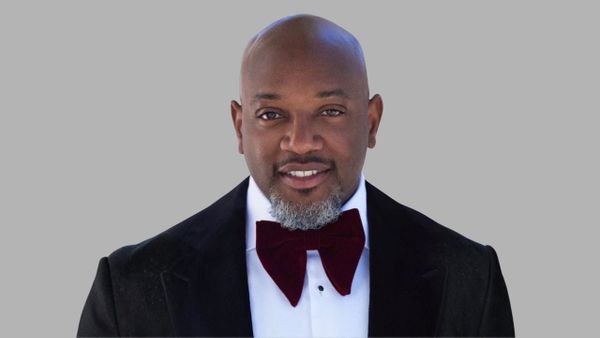
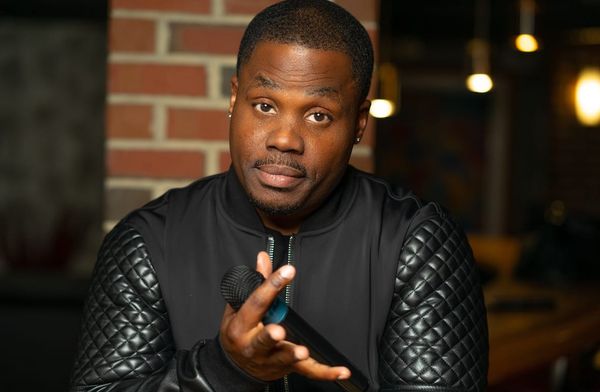
My conversation with Dr. Shawn Best from Married at First Sight left me thinking about something much bigger than reality television. It reminded me that becoming the best version of yourself is not a destination you reach because you earned a doctorate, landed an impressive title or learned how to command a room. Excellence also requires the willingness to look at yourself honestly, acknowledge where you fell short and keep growing. That was ultimately what I appreciated most about Shawn. I asked him difficult questions about moments this season when he did not always come across well, and rather than spending the interview defending every decision or explaining away every mistake, he acknowledged that he had been wrong. In a culture where accountability is often followed immediately by a “but,” there was something refreshing about hearing a man admit that he is still becoming.
This was a fascinating season of Married at First Sight because the Peacock changes breathed new energy into a franchise that needed it, but more importantly, the cast gave viewers people they could feel strongly about. Good dating reality television usually lives in the extremes: either we fall in love with a couple and desperately want them to make it, or somebody frustrates us so much that we cannot stop watching. Shawn and his bride Nikki managed to produce both reactions, depending on who was watching. Some viewers completely understood Nikki, while others felt strongly that Shawn had been treated unfairly. Because they experienced the marriage so differently, however, it became increasingly difficult to root for them together.
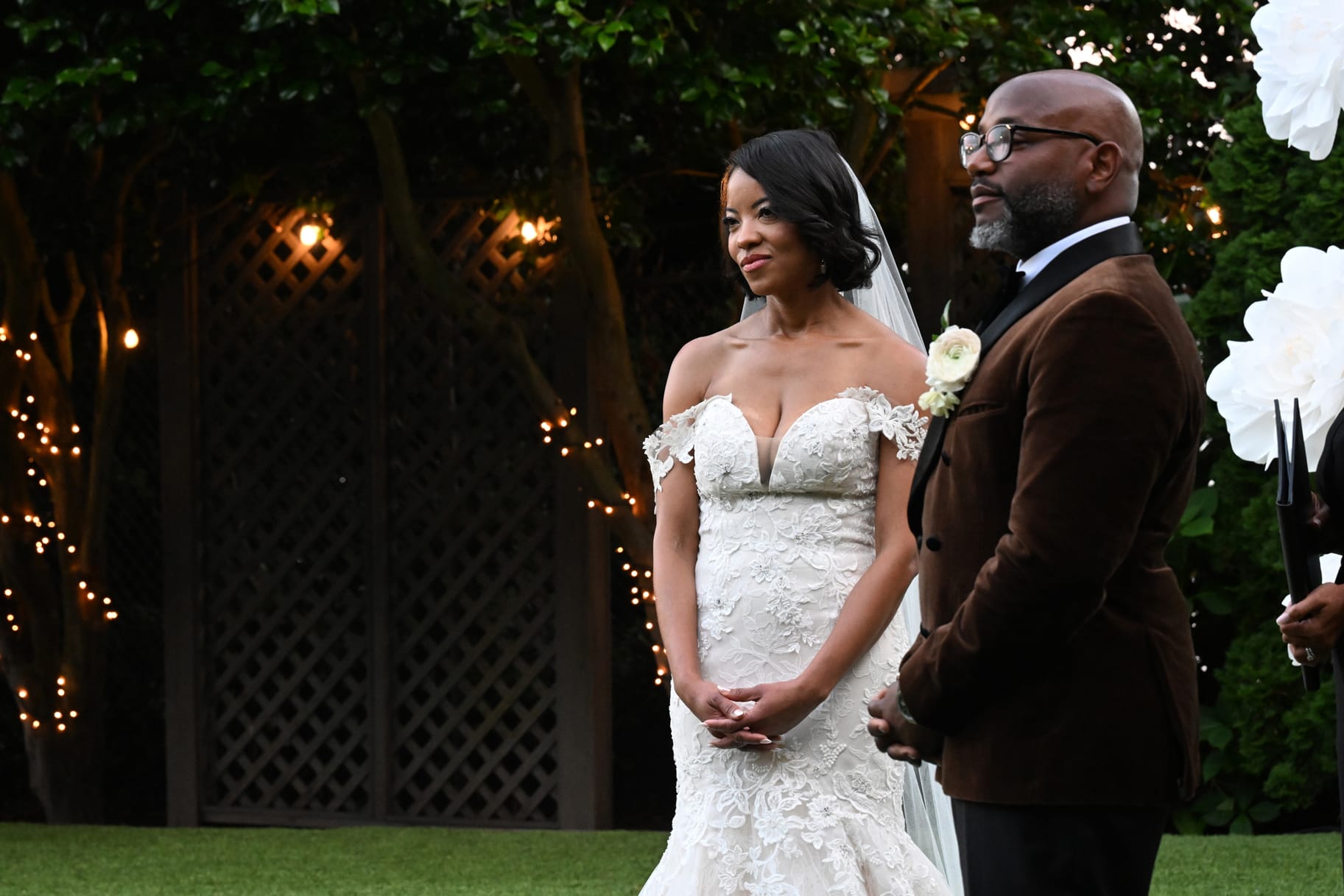
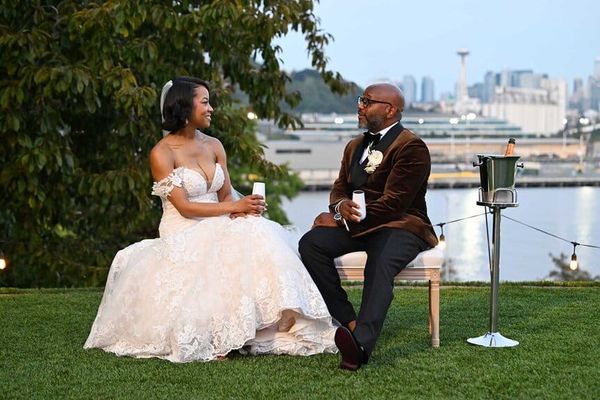
Their problems began almost immediately. At the altar, Nikki appeared so shocked and disappointed by Shawn’s physical appearance that she initially struggled to accept that he was actually her groom. Shawn did not fully understand the extent of her reaction until later, but the audience saw it, and once we did, it became difficult to imagine how the marriage would recover. Attraction matters, and nobody should pretend otherwise. However, when you sign up for a show called Married at First Sight, you also accept the possibility that the person standing at the end of that aisle may not resemble the person you created in your head. Watching Nikki struggle so intensely with that reality became uncomfortable because her disappointment frequently seemed to cross over into something that felt like rejection of Shawn as a person.
What made the situation even more unfortunate was that, on paper, these were two people who represented exactly the kind of Black excellence we say we want to see on television. Nikki is beautiful, accomplished and a high-powered executive in the technology world. Shawn is highly educated, articulate, accomplished in higher education and possesses a doctorate. He has served in executive leadership, including work connected to diversity, equity and inclusion. These are two Black professionals capable of walking into corporate spaces, academic spaces and community spaces and holding their own. Once physical attraction and personality differences are removed from the equation, it becomes easier to understand why experts might have believed there was compatibility between them. Still, résumés cannot manufacture chemistry, and credentials cannot teach two people how to extend grace to each other.
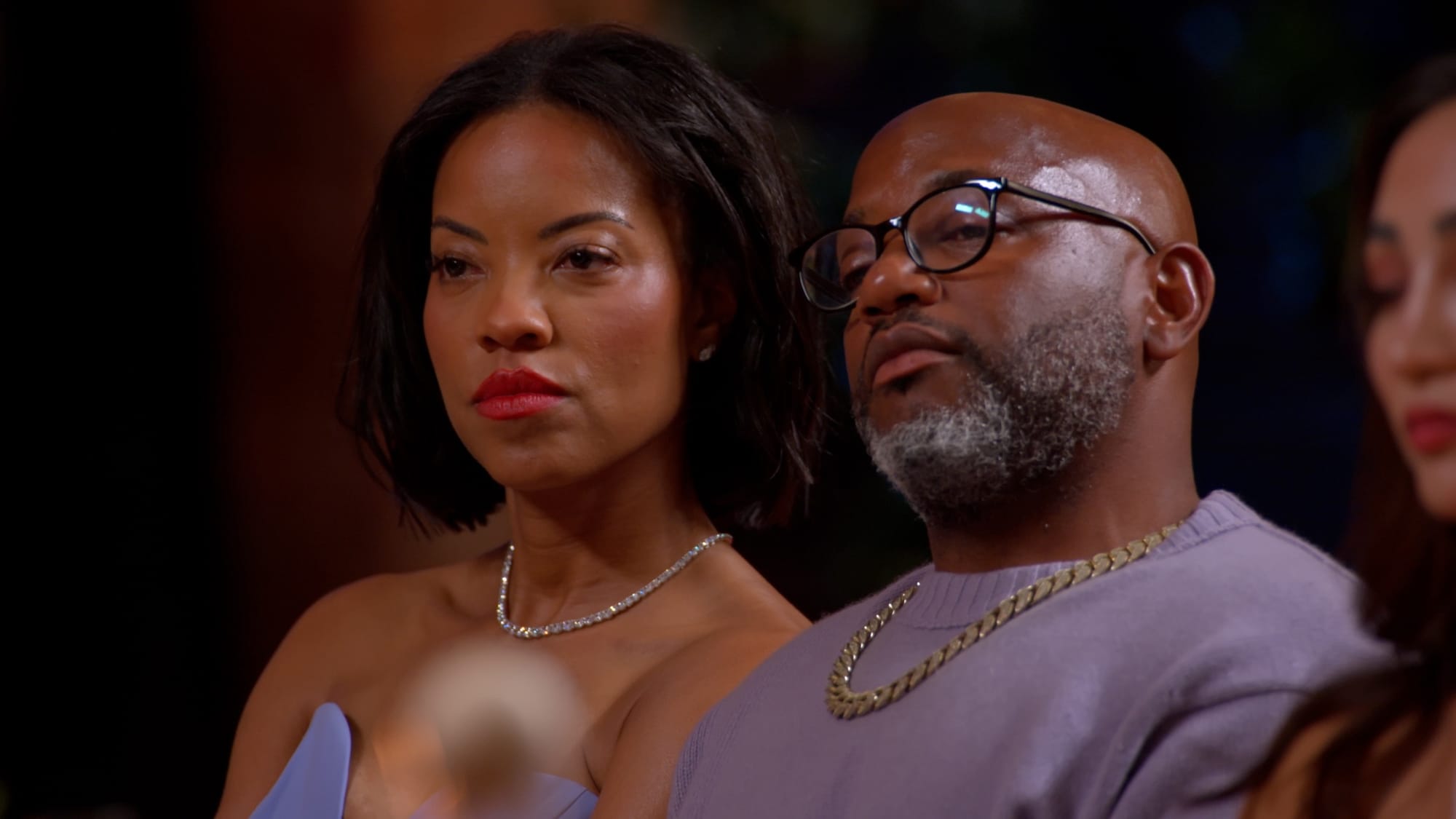
Shawn also made his share of mistakes. There were moments when he put his foot in his mouth and then somehow managed to trip over that same foot again. Some of his comments frustrated viewers, while some of his reactions appeared petty or unnecessarily combative. Perhaps some of that behavior was an attempt to regain dignity after feeling rejected by his wife, while some of it may simply have reflected the fact that Shawn, like most of us, has areas where his emotional maturity has not completely caught up with his professional accomplishments. During our conversation, however, what stood out was that he did not hide behind his degrees, his career or even Nikki’s behavior. When I challenged him about choices he made, he repeatedly acknowledged where he could have handled things differently.
We talk about Black excellence so often that sometimes I wonder whether we have accidentally turned it into another impossible standard. We celebrate the degrees, executive titles, homes, salaries and ability to move comfortably through spaces where our grandparents may never have been allowed. Surely, though, excellence must also include how we treat each other, particularly when someone does not meet our expectations. If Black love is something we truly value beyond a hashtag, then grace has to be part of the conversation. The true measure of someone’s character is not necessarily how kind they are to the person who checks every box. Sometimes character is revealed by how we treat the person who does not look, earn, dress, speak or move exactly the way we imagined our partner would.
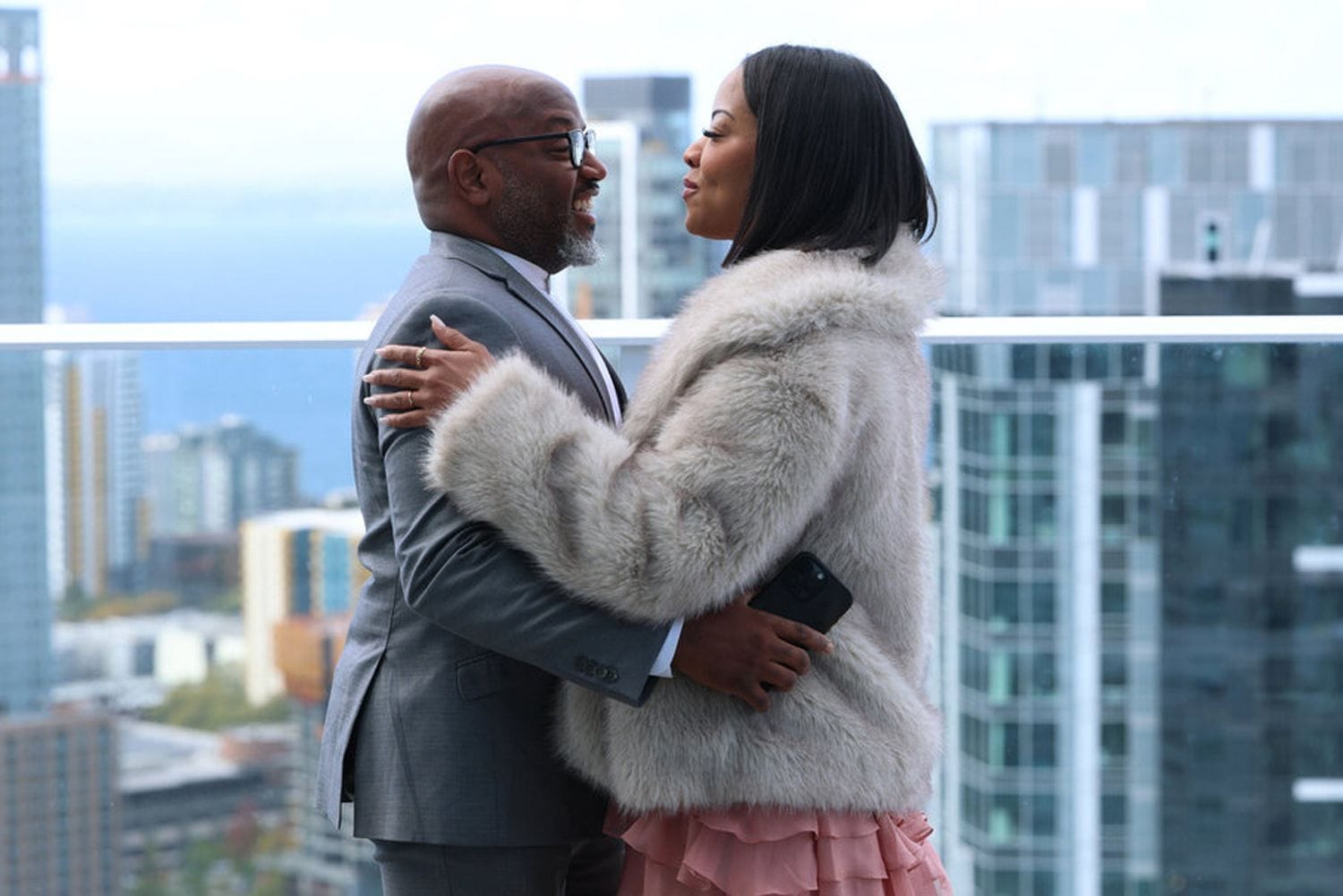
That lesson applies to both Nikki and Shawn. For Nikki, there is something worth considering about what our response to disappointment says about us. Being gracious to the handsome, six-foot-two, financially successful man with charisma and swag is easy when that is exactly what you ordered. Grace becomes meaningful when life hands you something different. For Shawn, the lesson may be that leadership is not simply demonstrated in rooms where people respect your title. Leadership is revealed in how you respond when someone embarrasses you, rejects you or makes you feel small. Getting down in the dirt because someone else threw the first handful does not make the dirt disappear.
Perhaps that is why I enjoyed my conversation with Shawn Best as much as I did. I did not leave believing he was perfect, and I do not think he was asking anyone to believe that. Instead, I left believing that he understands there are places where he still has work to do. There is something honorable about a person who can look at the uncomfortable playback of his own behavior and admit that every moment did not represent the man he wants to be. We are all works in progress, whether the world happens to be watching our worst moments on Peacock or those moments happen quietly inside our own homes.
Watching two accomplished Black people spend much of a television season hurting, frustrating and sometimes diminishing one another was disappointing. Still, there may be something useful we can take from it. Black excellence cannot only be about what we accomplish individually, and Black love cannot only be celebrated when two perfectly packaged people find each other and everything feels easy. Both ideas should leave room for humility, accountability, compassion and growth. After talking with Dr. Shawn Best, I was reminded that one of the clearest signs that someone is striving toward excellence may be the security to admit they have not arrived yet.