Mike Tyson’s Netflix Docuseries Is About More Than Mike Tyson. It’s About America’s Appetite for Celebrity

– 6 min read






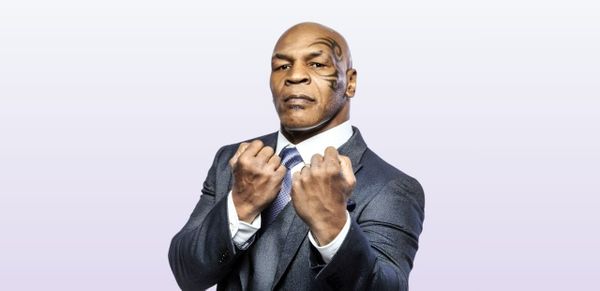
After watching Netflix’s four-part TYSON, I realized the story on screen was bigger than Mike Tyson. The episodes, titled “Power,” “Greed,” “Trust” and “Human,” trace his life from a difficult childhood in Brooklyn and his rise to heavyweight champion through fame, personal turmoil and the search for some kind of peace. But the series also asks us to look at the audience that celebrated then discarded then embraced him again. What does it say about us that we can celebrate someone’s success while remaining fascinated by the chaos, pain and destruction that surround it?
courtesy of Netflix
Tyson says more than once that people loved him when he was a barbarian. That observation stayed with me because it sounds less like a confession about one fighter and more like a diagnosis of the entertainment business. We are drawn to the spectacle of someone who seems untamed, dangerous and impossible to control. We cheer the power, repeat the wild stories and turn a complicated person into a larger-than-life character. Then, when the spectacle starts to cost too much, we act surprised by the damage.
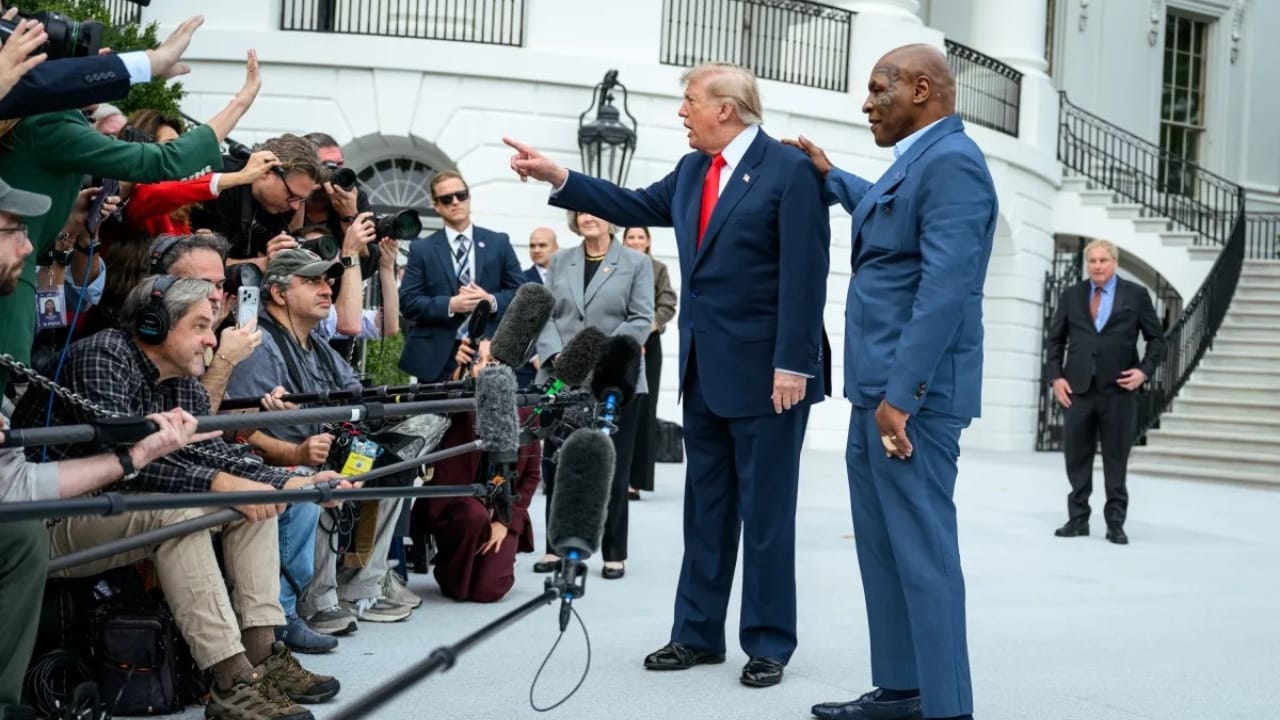
The documentary’s first two chapters, “Power” and “Greed,” show how quickly talent and notoriety can become a business opportunity. Tyson became the youngest heavyweight champion, and the world around him began to see what he could generate: money, attention and an irresistible story. In the series, Donald Trump appears as someone Tyson brought in as a consultant, with Trump putting money behind several of his fights. Watching that footage as an adult took me back to the 1990s, when Trump was already a familiar face in popular culture, known for his wealth and his ability to attach himself to a big moment. I never imagined then that he would become president, but the documentary made one thing feel familiar: his instinct for recognizing what has public attention and finding a way to be part of it.
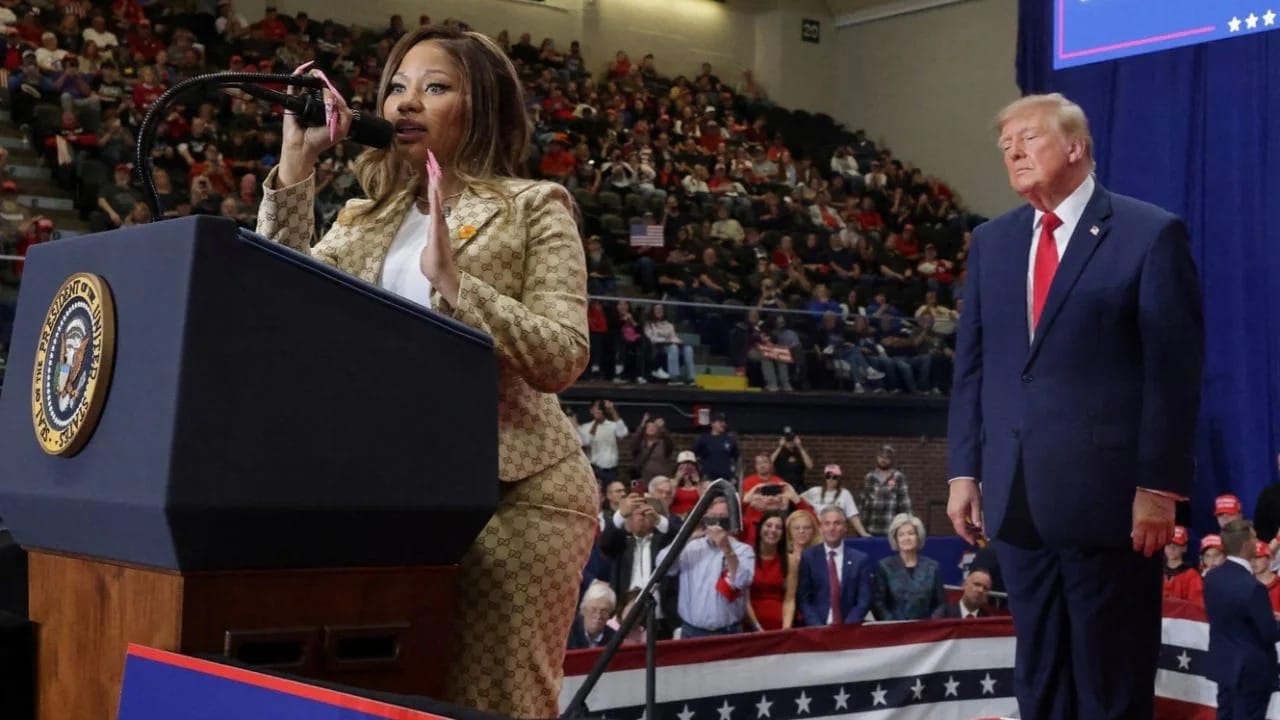
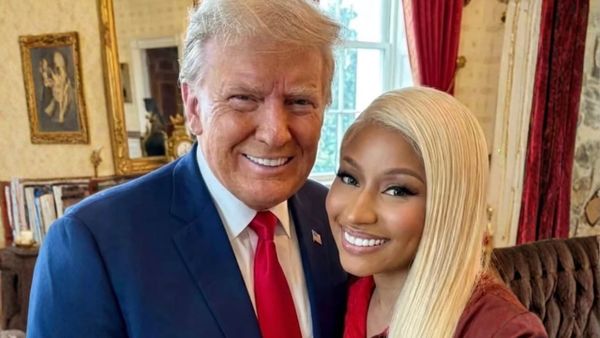
That same instinct was on display at a recent Michigan rally ahead of the midterm elections, where Trump brought Nicki Minaj onstage to support him and Republican candidates. Minaj spoke in support of Trump, but Trump’s own remarks turned to her body: he called her “one hell of a beautiful ass” and asked her to stand up. It was a jarring moment, and it brought me right back to the Trump we see in TYSON, the man drawn to the heavyweight champion’s fame and eager to be close to the spectacle around him. The setting has changed from boxing to politics, but he still knows how to use celebrity to command attention—and still seems just as captivated by the celebrity herself.
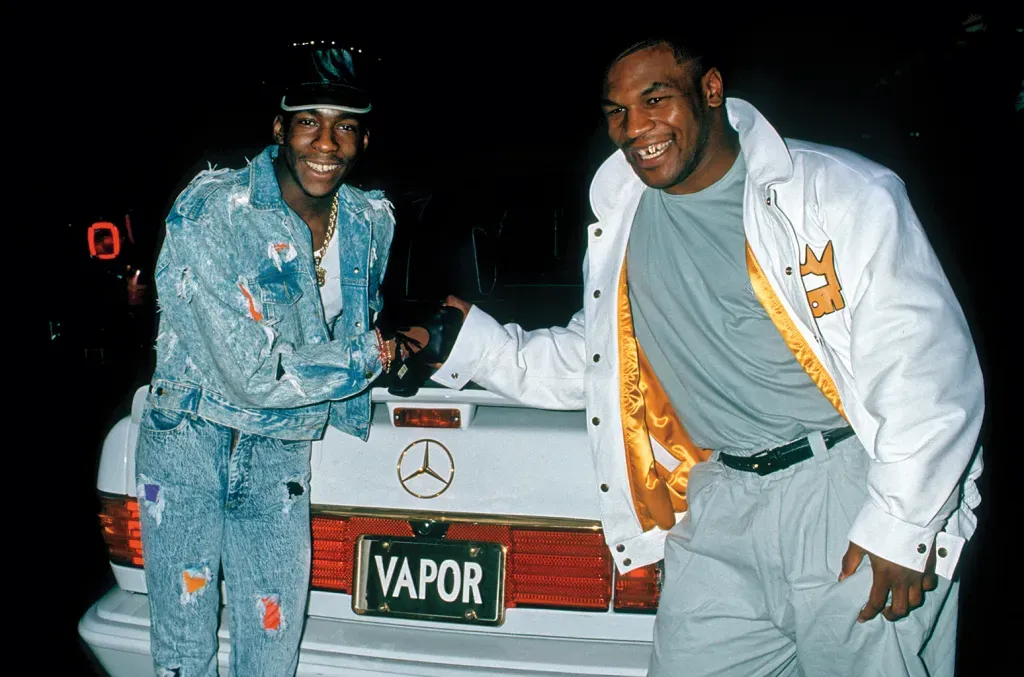
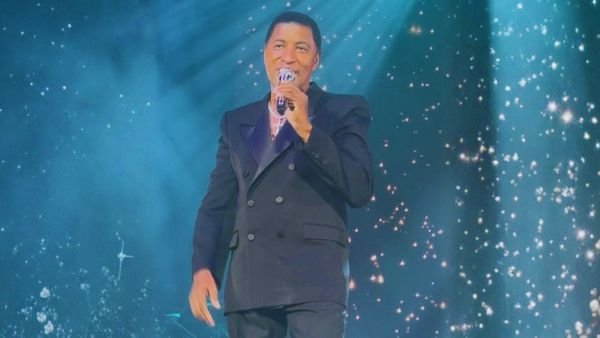
The presence of Bobby Brown adds another dimension. Both men reached extraordinary levels of fame while carrying painful histories shaped by poverty and trauma. The series shows Tyson at the height of his physical power, looking almost sculpted for the ring, while also discussing his drug and alcohol use. Success did not erase what he had lived through, and public adoration did not necessarily give him the tools to heal. Fame can put money, women, cars and houses around a person, but those things are not the same as care. Unfortunately both Tyson and Brown used the spoils of their fortune to self medicate with drugs, alcohol, spending money and enjoying the company of groupies; behavior that has left both of them with soul-wrenching regrets that money cannot fix.
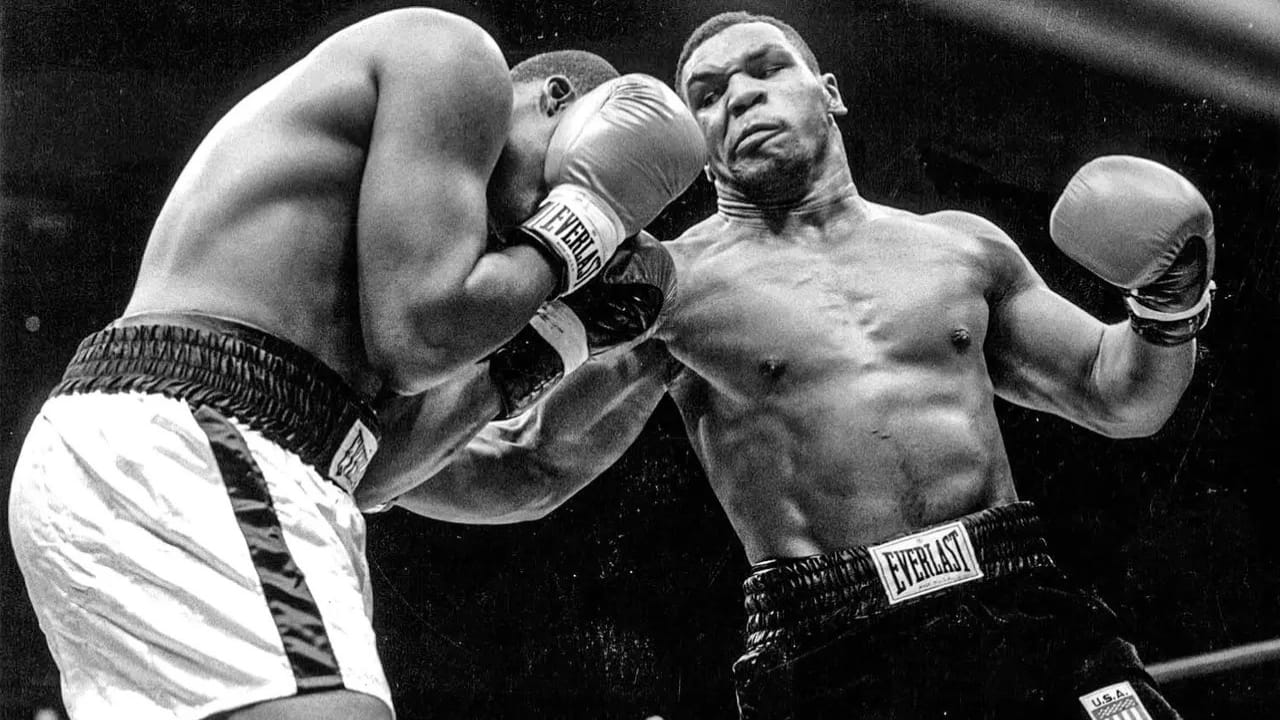
The series proves fame, money and public adulation are not remedies for pain or trauma. Combined they can be a beautiful distraction allowing one to cover them up or bury them - the way you might hide food that has gone bad by putting a lid over it and pushing it to the back of the refrigerator. Out of sight, the problem does not disappear; it keeps spoiling, and by the time you uncover it, the damage has spread and the whole thing is harder to deal with. When no one helps a person face the hurt—or holds them accountable for the ways it spills onto others—that pain can grow more toxic beneath the surface. Money, women, cars and houses may cover it for a while, but they cannot stop what is festering and still growing underneath.
One moment described in the series stayed with me: after a major fight, a reporter saw Tyson sitting alone in a Las Vegas restaurant. The image is hard to shake because it sits so far from the version of success we are sold. The world can be celebrating you while you are still alone with yourself. That loneliness seems to run through the series, from the photographs of Tyson as a boy to the man reflecting on his life in his sixties. The story does not suggest that celebrity fixes pain. If anything, the noise around him often seems to cover it up.
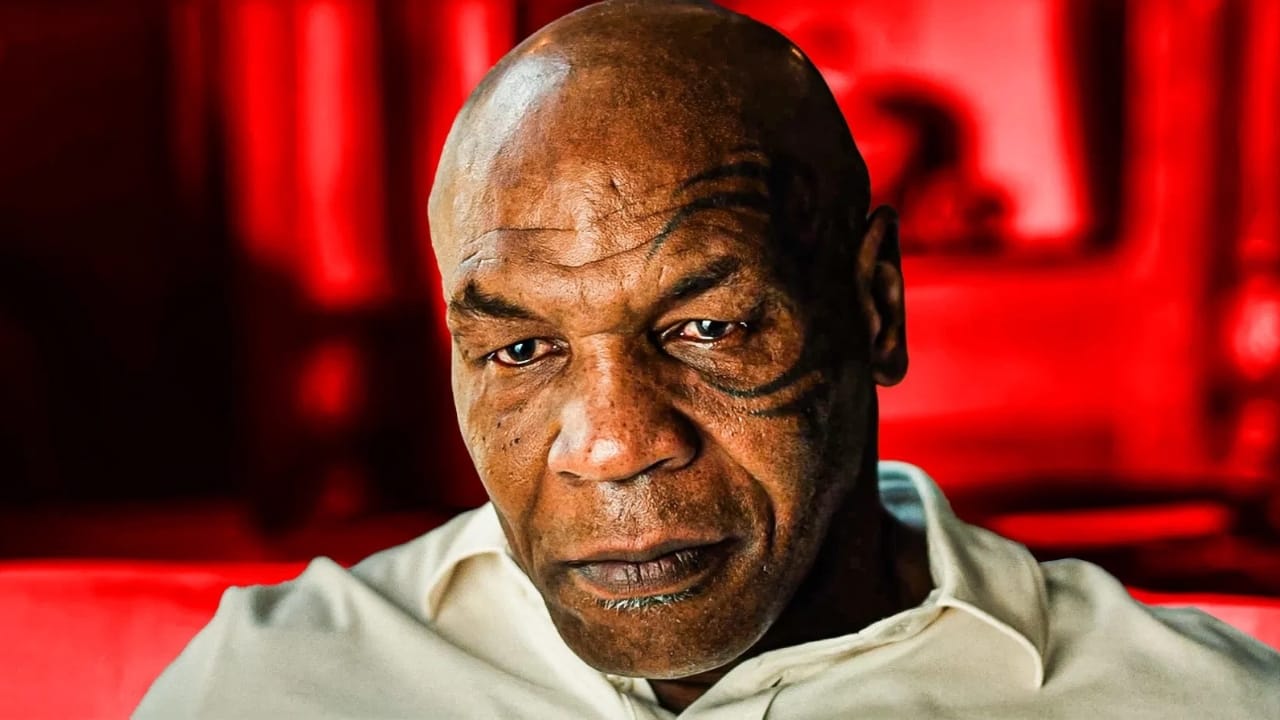
“Trust” and “Human” bring the consequences of Tyson’s choices and the complicated aftermath into focus, including his legal battles, conviction and time in prison, along with his later efforts to rebuild his life. Acknowledging his trauma cannot erase the harm he caused or the seriousness of his conviction. But the series also makes it difficult to pretend that a person’s life can be reduced to a single public label. Tyson is both responsible for his actions and shaped by a childhood that no one seemed equipped to help him understand.
Cus D’Amato saw a fighter in Tyson and knew how to channel his anger into the ring. That guidance helped create a champion, but it could not by itself heal the child underneath the talent. Watching now, as an adult, I found myself wondering whether anyone around Tyson knew how to reach the person behind the fighter. The series does not leave me with an easy answer, and I am not sure Tyson has one either. What it does show is how readily the people around him could turn his pain and power into a product.
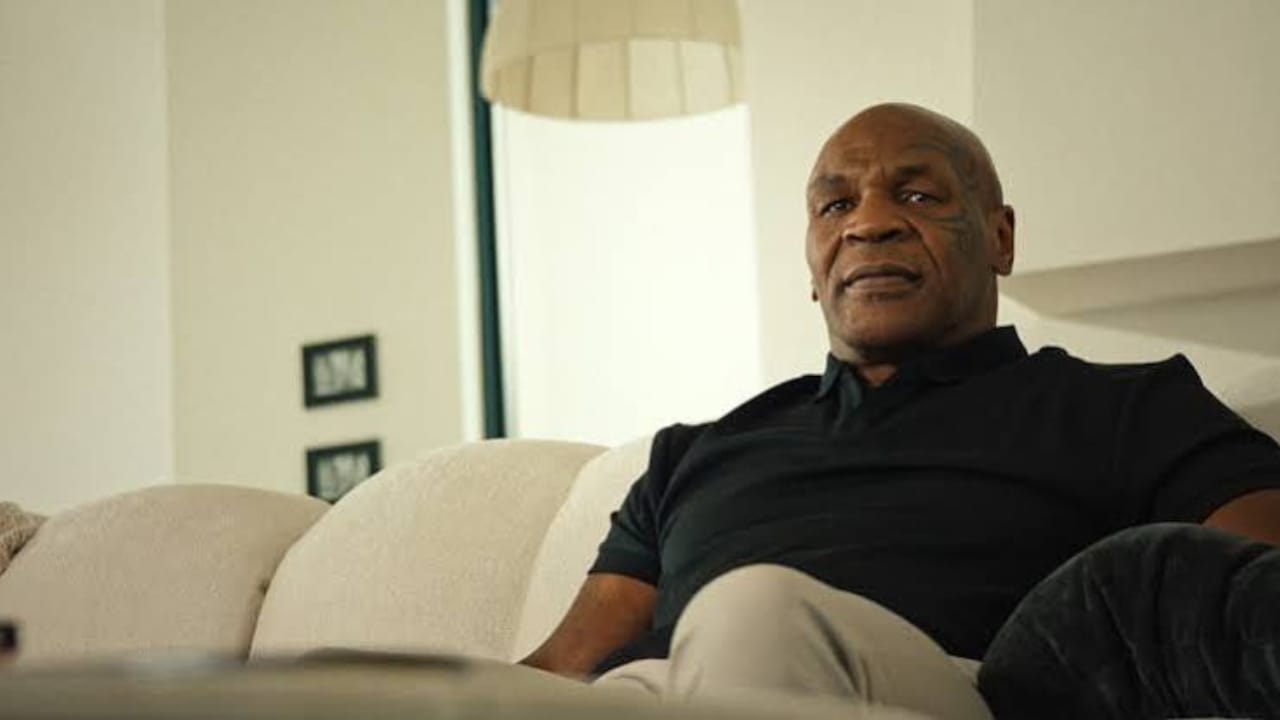
The TYSON docuseries is compelling, but it is also dark. It reminded me that America loves to put celebrities on pedestals, watch them fall and then decide whether there is still something left to sell. Tyson’s cameo in The Hangover helped reconnect him with a new audience, and he has continued finding ways to remain visible. He has, in his own words, remained a commodity. The sadness in the series is not only that Mike Tyson may always carry the weight of what happened to him. It is that our culture keeps finding ways to profit from people’s wounds, then calls the resulting spectacle entertainment.