Did Donell Jones Predict The Future With His Song “Free” Released In 2009?

– 3 min read






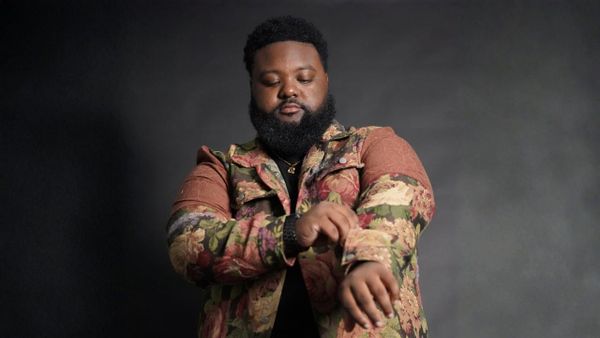
In the landscape of R&B, few artists have aged as gracefully—or as quietly powerful—as Donell Jones, the Chicago-born singer, songwriter, and producer known for timeless records like “U Know What’s Up,” “Where I Wanna Be,” and “You Know That I Love You.” Emerging in the mid-1990s, Jones built his reputation on emotionally honest storytelling, blending street-level realism with soulful vulnerability and relationship-driven narratives.
But tucked inside his 2009 independent release The Lost Files was a record that feels, in hindsight, almost prophetic: “Free.”
A Hidden Gem From the Independent Era
Released on November 24, 2009, The Lost Files was a compilation of unreleased material recorded between 1996 and 2004, issued independently through Candyman Music and TuneCore.
At the time, Donell Jones was in a transition phase—stepping away from major-label systems and reclaiming creative control over his sound. The project didn’t chart, but it carried something deeper: raw, unfiltered expression. Among its tracks, “Free” stood out as one of the most spiritually grounded moments in his catalog.
“Free” and Its Faith-Driven Message
Unlike the romantic ballads Jones is best known for, “Free” leans into something more reflective and spiritual. The song includes direct references to God and inner liberation, including lines such as:
Instead of focusing on love or heartbreak, the message centers on deliverance, faith, and mental freedom—themes that would later become even more prominent in mainstream music and culture.
At its core, “Free” is about breaking away from emotional, spiritual, and societal weight—choosing belief, clarity, and self-worth over limitation.

2026: The Rise of Faith-Based Music in the Mainstream
Fast forward to 2026, and the cultural landscape looks very different than it did when The Lost Files dropped.
Over the past few years, gospel and Christian-influenced music has experienced a major commercial resurgence, blending more fluidly into R&B, hip-hop, and pop than ever before. While exact figures vary by reporting source, industry trends consistently show:
Artists like Kanye West, Kirk Franklin, Mary Mary, and modern R&B acts have helped normalize faith-driven content in mainstream spaces, creating a lane where spiritual messaging is no longer niche—it’s commercial.
In that environment, a record like “Free” feels less like an old album cut and more like a quiet preview of a coming wave.
Donell Jones: A Gospel-Rooted Foundation in R&B
Part of what makes this discussion even more interesting is Donell Jones’ background.
Jones didn’t come from a purely secular musical environment—he is the son of a gospel singer, and much of his early musical exposure was rooted in church influence and spiritual expression.

That foundation often shows up subtly in his songwriting, even when he’s not directly referencing religion. His music frequently explores:
“Free” simply makes that influence more explicit than usual.
Was “Free” Ahead of Its Time?
Calling it a literal prediction might be a stretch—but culturally, “Free” aligns with a shift that became much clearer years later.
In 2009, faith-based vulnerability in mainstream R&B wasn’t a dominant trend. Today, it’s part of the genre’s evolution.
So when listeners revisit “Free” in 2026, it lands differently. What once felt like an album deep cut now sounds like:
Donell Jones may not have set out to “predict” anything with “Free,” but the record captures something timeless: the idea that freedom isn’t just emotional—it’s spiritual.
In 2026, the music climate where faith, healing, and inner clarity are back at the center of cultural conversation, “Free” feels less like a forgotten track… and more like a message that simply arrived early.