Can Keisha Lance Bottoms Do What Stacey Abrams Couldn’t?

– 15 min read





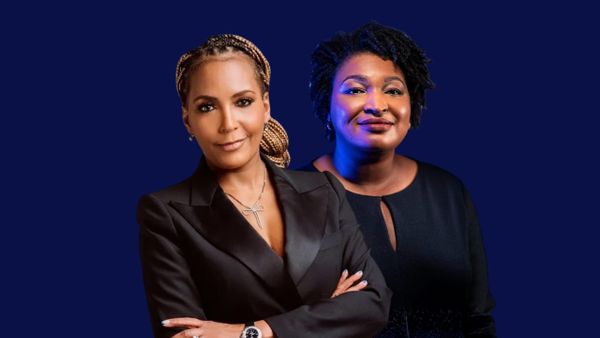
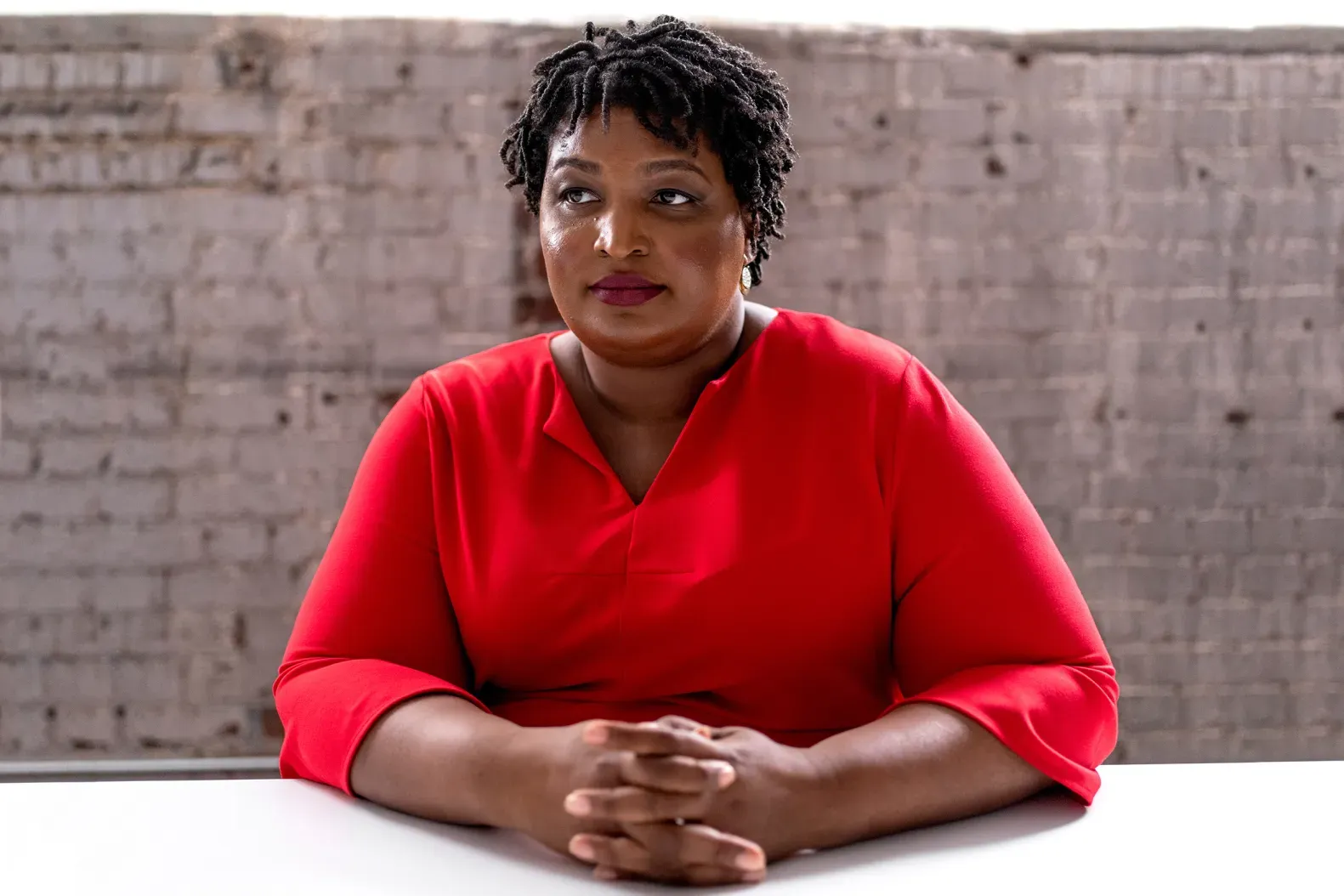
When Stacey Abrams lost her second bid to become governor of Georgia in 2022, I think a lot of Democrats quietly wondered whether Georgia simply was not ready to elect a Black woman governor. Abrams had almost everything political strategists tell us a candidate needs, including money, national name recognition, celebrity support, an extraordinary fundraising apparatus and a grassroots organization that helped transform Democratic politics in Georgia. Four years earlier, in 2018, she had come painfully close, losing to Brian Kemp by fewer than 55,000 votes. By 2022, Georgia had elected Joe Biden, Jon Ossoff and Raphael Warnock, seemingly proving that Democrats could win statewide here, yet when Abrams and Kemp met again, Kemp didn’t just beat her, he beat her decisively. Now, four years later, former Atlanta Mayor Keisha Lance Bottoms is standing where Abrams once stood, and the obvious question is whether another Black Democratic woman can achieve the outcome Abrams could not. But the more I look at this race, the more I wonder whether we are asking the wrong question, because maybe the biggest difference isn’t the Black woman running as much as it is the Republican standing across from her.
Before anyone interprets that observation as an endorsement of Bottoms, there are legitimate questions about her candidacy that deserve just as much attention as the questions surrounding Republican nominee Rick Jackson. Bottoms comes into this race with something Abrams never had: an executive record. She ran Atlanta, the largest city in Georgia, and that experience gives her a powerful argument for why she is prepared to govern the state, but experience is only an advantage if voters like what you did with it. Atlanta under Bottoms went through an extraordinary period that included COVID-19, racial unrest following the murder of George Floyd, the police killing of Rayshard Brooks, increasing concerns about violent crime and a growing movement in Buckhead to separate from the city. Those were not ordinary circumstances, and it would be unfair to pretend every problem Atlanta experienced was created by its mayor, particularly when violent crime increased in cities across America during the pandemic. Still, governors don’t get to choose the crises that happen on their watch, and neither do mayors, so if Bottoms wants Atlanta to be evidence that she is prepared to lead Georgia, voters have every right to examine the entire record.
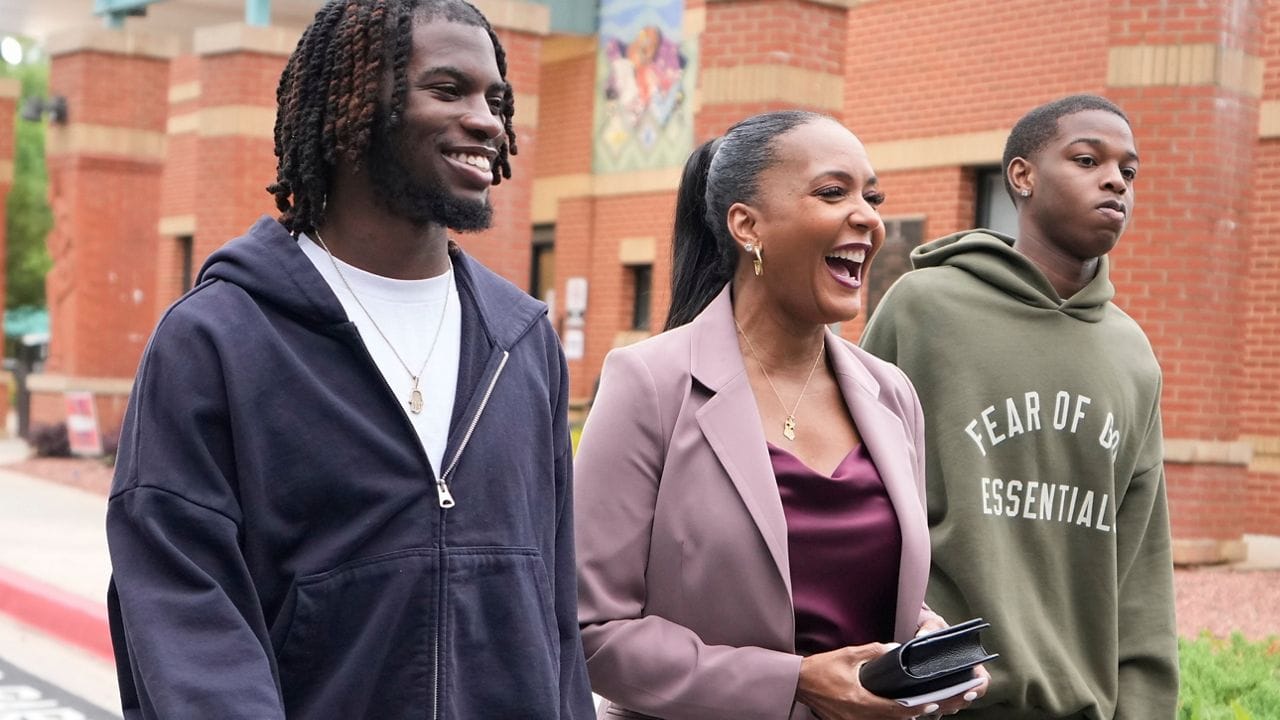
There is also something more difficult to measure than crime statistics or economic development numbers, and that is the feeling some Atlantans had about the way Bottoms’ tenure ended. She did not abandon her office in the literal sense, because she completed her term and did not leave Atlanta City Hall for a Washington job, and those facts matter when discussing her record fairly. Political perception matters too, however, and I have heard the same criticism repeatedly over the years from people who felt Bottoms’ political attention moved beyond Atlanta before Atlanta’s problems felt resolved. By 2020, she had become a national Democratic figure, appearing frequently on national television, campaigning for Joe Biden and being discussed as a possible vice presidential candidate. She initially prepared to seek another term as mayor and then stunned Atlanta in 2021 by announcing that she would not run again, eventually joining the Biden White House after leaving office. None of that means she did anything improper, and Bottoms has rejected the idea that she lacked the energy to continue serving, saying she “ran through the tape” and continued working through the end of her term. But it leaves a question that voters being asked to send her to another executive office are entitled to consider: Was Atlanta a completed chapter in Keisha Lance Bottoms’ political career, or did it feel like a chapter she was ready to move beyond before some Atlantans were ready for her to move on?
That vulnerability is especially important because Jackson has already begun making Bottoms’ Atlanta record central to his general-election argument, although Bottoms has accomplishments she can point toward in response. She has highlighted historic pay raises for Atlanta police officers and firefighters and her support for the public safety training center as evidence that her public safety record is stronger than her critics suggest, while also reminding voters that she governed through a combination of crises few modern Atlanta mayors have experienced simultaneously. But this is one place where the comparison with Stacey Abrams breaks down in a very interesting way. Abrams could campaign largely on what she would do as governor, while Bottoms has to campaign on what she will do while simultaneously defending what she already did as an executive. Abrams’ lack of executive experience could be framed as a weakness, but Bottoms’ executive experience can become either a strength or a liability depending on which parts of her Atlanta record voters remember and how successfully she explains them.
There is another part of Bottoms’ argument that deserves scrutiny, particularly because Donald Trump is once again sitting in the White House. Bottoms has positioned herself as someone prepared to stand up to the Trump administration and the political chaos she believes is coming from Washington, which will undoubtedly appeal to many Democratic voters, but Georgia isn’t electing a governor simply to fight Washington. The next governor may sometimes need to challenge the president and at other times need to work with him, because federal funding, disaster response, transportation, economic development and countless other issues don’t stop at party lines. If Bottoms becomes governor, the question isn’t simply whether she is willing to stand up to Trump, because she has already made her willingness to do that clear. The more important question is whether she can fight him when Georgia’s interests require it and work with him when Georgia’s interests require that too.
The same question, in reverse, belongs to Rick Jackson, who spent much of the Republican primary aggressively courting Trump-aligned voters even though Trump had endorsed his opponent, Burt Jones. Jackson told the Atlanta Journal-Constitution that he intended to become Trump’s “favorite governor,” promising to do things like Trump would, only with what he called a “Southern tone.” There is nothing inherently wrong with a Republican governor wanting a productive relationship with a Republican president, and that relationship could conceivably benefit Georgia when the interests of the state and the White House align. But Georgians should also ask what happens when those interests do not align, because a governor’s loyalty ultimately has to belong to the people who elected him. If Georgia needs Rick Jackson to tell Donald Trump no, voters deserve to know whether he can and will do it.
That question brings us to Brian Kemp, because this is where comparing 2026 to Stacey Abrams’ previous campaigns becomes much more interesting. Rick Jackson is not Brian Kemp, but neither should Kemp suddenly be recast as a moderate simply because Trump and the MAGA movement have shifted the Republican Party. Kemp is unquestionably a conservative Republican whose policies have frequently reflected that ideology, yet he also demonstrated something during his time as governor that mattered enormously with Georgia’s political middle: he was willing to disagree publicly with a Republican president. Trump criticized Kemp’s decision to reopen Georgia businesses during the early months of the pandemic, and their much larger rupture came after the 2020 presidential election, when Kemp resisted Trump’s pressure surrounding Georgia’s election results. Trump subsequently backed David Perdue against Kemp in the 2022 Republican primary, only to watch Kemp defeat Perdue overwhelmingly before going on to defeat Abrams decisively in November.
That independence gave Kemp something incredibly valuable when he faced Abrams again because a Georgia voter could dislike Donald Trump and still comfortably vote for Brian Kemp. A suburban Republican exhausted by Trump’s behavior, an independent who wasn’t particularly loyal to either party or even a conservative who believed Trump had gone too far after the 2020 election could vote for Kemp without feeling as though a vote for Kemp was automatically a vote for Trump. Kemp had established a political identity of his own, and Georgia voters rewarded him for it. That distinction has become increasingly important as Georgia has become more competitive because statewide elections are no longer decided simply by turning out Republicans in rural counties and Democrats in Atlanta. Winning now requires candidates to think about the changing electorate in places like Cobb and Gwinnett, independent voters who may move between parties, college-educated suburban voters who have become increasingly important and Georgians who may lean conservative or liberal without wanting to pledge allegiance to either political extreme.
Jackson has presented himself very differently, although there are signs he understands the general electorate requires a different approach. After spending the primary promising to become Trump’s favorite governor, Jackson opened his general-election campaign with a 19-minute speech that did not mention Trump once, focusing instead on affordability, taxes and Bottoms’ record. That may simply be smart politics, because the rhetoric that helps a Republican survive a primary is not necessarily the rhetoric that wins over a suburban swing voter in November. It may also tell us Jackson understands the challenge in front of him. The question now is whether he can broaden his appeal without making voters wonder which version of him they are being asked to elect and, more importantly, which version would actually govern.
It would be equally unfair to reduce Jackson to his relationship with Trump because his personal story is compelling in its own right. He has spoken openly about growing up poor, living through an unstable childhood and multiple foster homes before eventually building a multibillion-dollar healthcare enterprise, giving him the ability to connect his enormous wealth to a life that began very far from it. He also accomplished something remarkable politically by defeating Trump’s endorsed candidate, Burt Jones, despite being a first-time candidate himself. Jackson spent more than $100 million of his own money to win the Republican nomination, demonstrating both the enormous financial advantage he brings into this race and the effectiveness of his outsider message. Democrats who assume that his closeness to Trump automatically makes him unelectable run the risk of overlooking both the personal narrative and financial resources that helped him defeat an established Republican candidate in the first place.
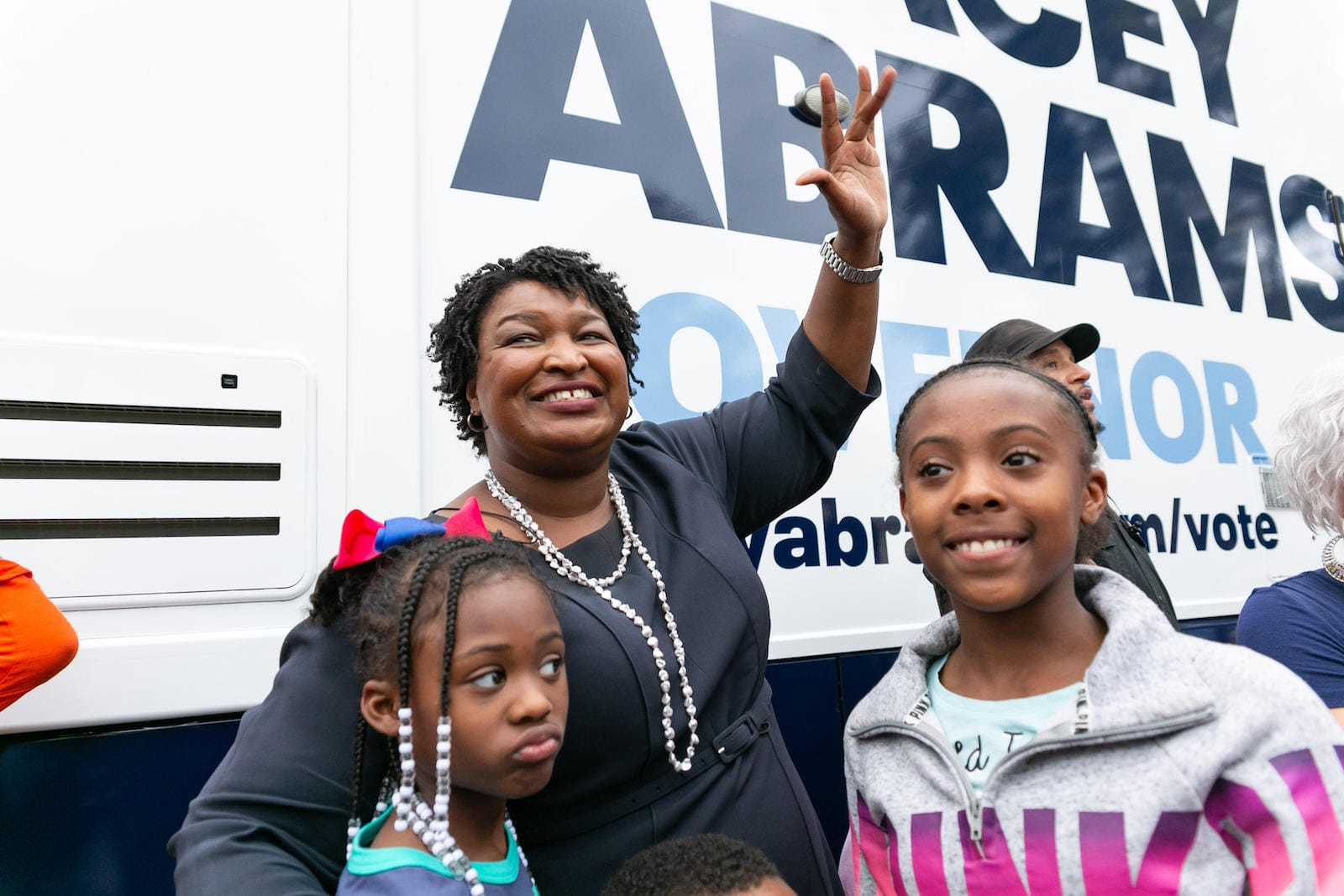
And that brings us back to Stacey Abrams, because Abrams may actually have been a stronger Democratic candidate running against a stronger Republican general-election candidate. Abrams generated a level of national enthusiasm that Bottoms has not yet demonstrated, becoming a movement almost as much as she became a candidate. She built an enormous voter-engagement infrastructure, raised extraordinary amounts of money and inspired Black women in particular in a way that helped change Georgia politics. Bottoms won the 2026 Democratic primary outright with 56 percent of the vote, an impressive victory that spared Democrats a runoff and gave her time to consolidate the party, but winning the Democratic nomination and recreating the enthusiasm that surrounded Abrams at her peak are two very different challenges.
That may ultimately be Bottoms’ biggest task because Black voters are essential to any Democratic victory in Georgia, but they cannot win a statewide election alone. Bottoms needs overwhelming Black turnout along with younger voters, other Democratic constituencies, independents and enough white suburban voters in places like Cobb and Gwinnett to prevent Republicans from building insurmountable margins elsewhere. She also has something potentially valuable that Abrams did not have in quite the same way in 2022, with Jon Ossoff on the ballot seeking reelection to the United States Senate. A strong Ossoff turnout operation could help Bottoms considerably, particularly if he continues performing well with the suburban and independent voters Democrats need to remain competitive statewide.
The national environment is different too, because Abrams ran against Kemp in 2022 with a Democrat sitting in the White House while Bottoms is running in a midterm election with Trump back in Washington. Georgia itself has also changed psychologically since Abrams first ran in 2018, when electing a Democrat statewide still seemed almost revolutionary after years of Republican dominance. Since then, Georgia voters have supported Biden, Ossoff and Warnock, so the question is no longer whether Georgia can elect a Democrat statewide because we already know it can. As of this summer, the gubernatorial race isn’t being treated as some inevitable Republican victory either, with major political forecasters viewing Bottoms versus Jackson as competitive and early polling showing either a close race or a small Bottoms advantage.
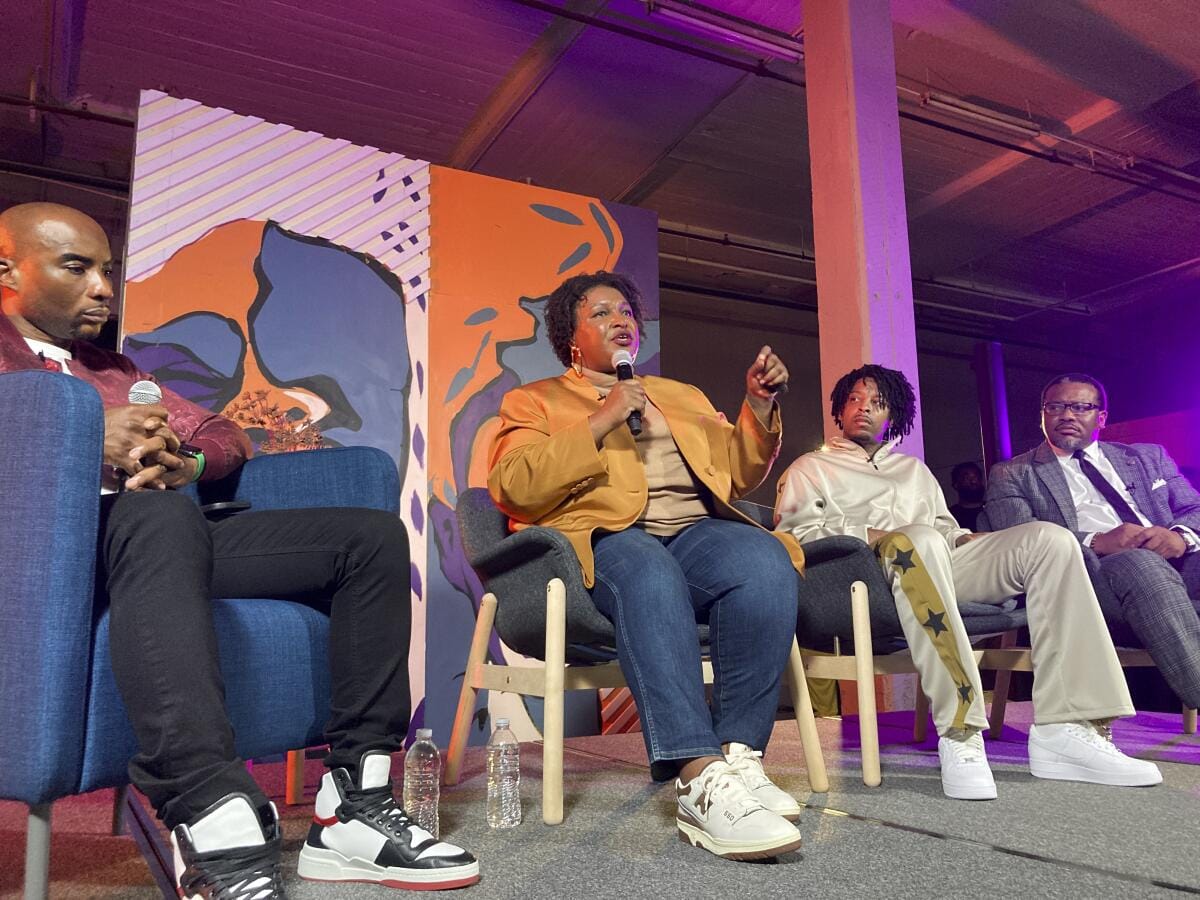
Which is why I don’t think the lesson of Stacey Abrams should be that Georgia will not elect a Black woman governor. Elections don’t work that neatly, and Abrams did not lose simply because she was a Black woman any more than Bottoms will win simply because Georgia has become more diverse. The identity and strengths of the candidates, the opponents standing across from them, the national political environment, turnout and the particular moment in which an election takes place all contribute to the final result. Kemp entered the 2022 race as a Republican incumbent who had proven he could withstand Trump’s fury and still dominate his own party, while Jackson enters the 2026 general election as a first-time candidate who successfully convinced enough Republican voters that he could carry Trump’s movement forward despite Trump endorsing someone else.
Bottoms is profoundly different from Abrams too, because Abrams offered Democrats enormous enthusiasm, organization and fundraising power but never had an executive record voters could grade. Bottoms has actually run a government, which means Georgia gets to grade her, and her time as Atlanta mayor cannot simply become a line on a résumé without the rest of the story attached to it. The crime concerns, protests, Buckhead cityhood movement, COVID, her decision not to seek another term and the perception among some Atlantans that her ambitions were becoming increasingly national all deserve examination alongside her accomplishments and the reality that she governed through one of the most chaotic periods any American mayor has faced in modern history.
Perhaps the most revealing comparison, then, isn’t Bottoms versus Abrams or even Jackson versus Kemp, but Bottoms and Jackson against the standard Kemp inadvertently established when it comes to a Georgia governor’s relationship with Washington. Bottoms will have to demonstrate that she can oppose a president she fundamentally disagrees with without allowing that opposition to consume Georgia’s relationship with the federal government, while Jackson will have to demonstrate that he can support a president he admires without allowing that loyalty to prevent him from putting Georgia first when the two disagree. Kemp demonstrated that a governor can work alongside a president from his own party and still draw a line when he believes the interests of the state require it, and whether voters agreed with Kemp’s policies or not, that independence became an important part of his political identity.
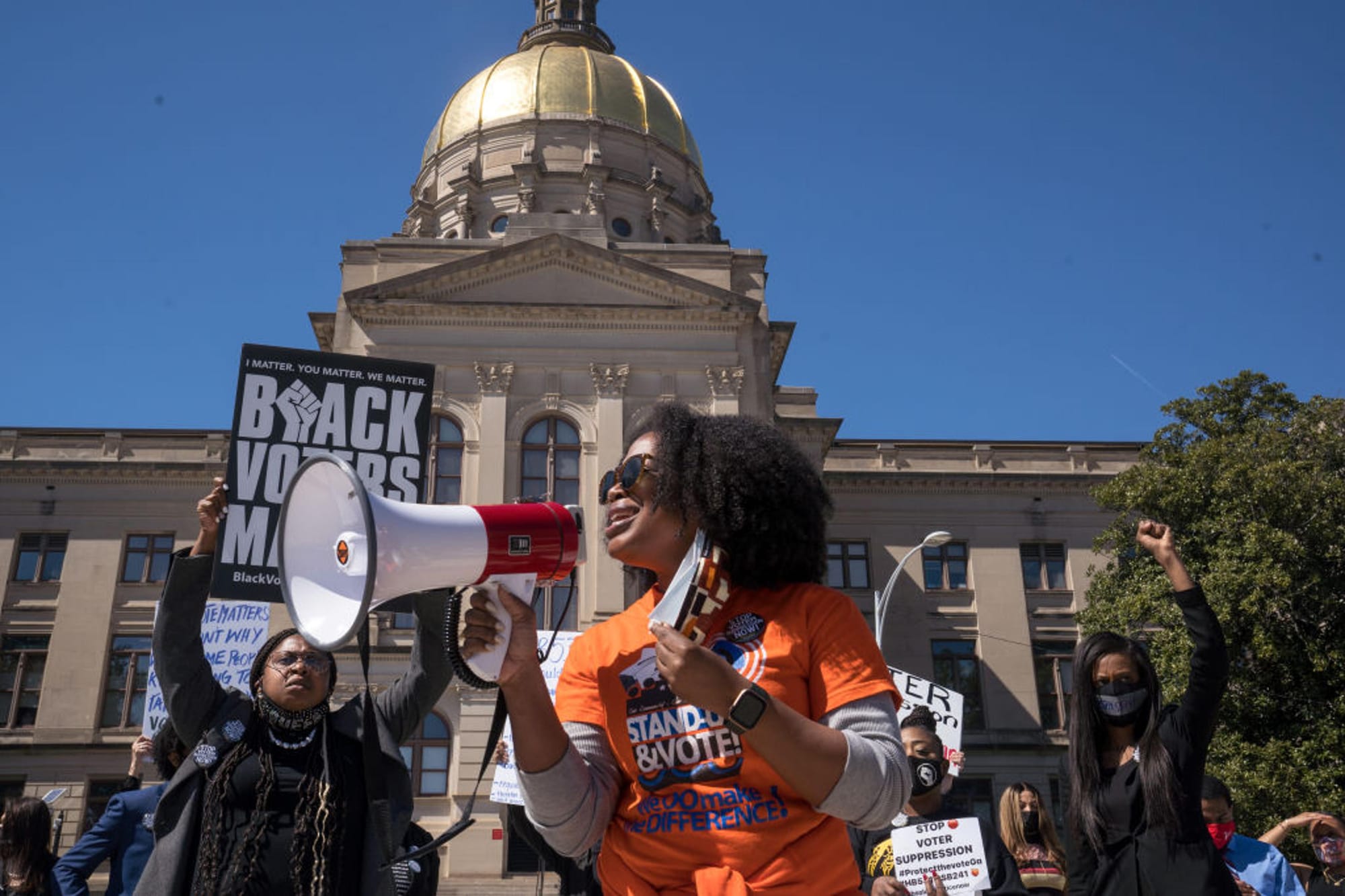
Georgia’s next governor will have to understand that the state’s relationship with Washington cannot be defined entirely by resistance or entirely by loyalty. A governor who spends four years fighting the White House simply because the president belongs to the other party risks turning political opposition into an obstacle to governing, while a governor who is unwilling to challenge a president from his own party risks putting national party loyalty ahead of the people who elected him. The responsibility is ultimately much bigger than either relationship because the job is not to become Donald Trump’s favorite governor or Donald Trump’s most visible opponent. The job is to govern Georgia.
Perhaps that is what makes this 2026 race so fascinating. Keisha Lance Bottoms may have a better path to the governor’s mansion than Stacey Abrams ever had while simultaneously being a less formidable Democratic candidate than Abrams was, just as Rick Jackson may have more money, outsider appeal and a more compelling personal narrative than Brian Kemp ever had while simultaneously being a more polarizing Republican candidate than Kemp was. Those apparent contradictions are exactly why simply looking at what happened in 2018 or 2022 doesn’t tell us what will happen this November.
There is also something much bigger at stake here than who occupies the governor’s mansion for the next four years, because I believe the country is going to be watching Georgia. We have become accustomed to hearing about Pennsylvania, Michigan and Wisconsin whenever the conversation turns to the states that can change the direction of American politics, but Georgia has earned its place in that conversation. When Joe Biden became the first Democratic presidential candidate to carry Georgia since Bill Clinton in 1992, winning the state by fewer than 12,000 votes, much of the national conversation immediately turned to Stacey Abrams and the years of organizing that preceded that victory. It would be inaccurate to give Abrams sole credit for what happened because she has always acknowledged the coalition of organizers, activists and organizations that did the work alongside her, but it would be equally inaccurate to pretend her work did not fundamentally help change what Democrats believed was politically possible in Georgia. She spent years arguing that the Democratic voters needed to compete statewide were already here if someone would register them, engage them, protect their access to the ballot and give them a reason to participate, and 2020 provided compelling evidence that she had been right.
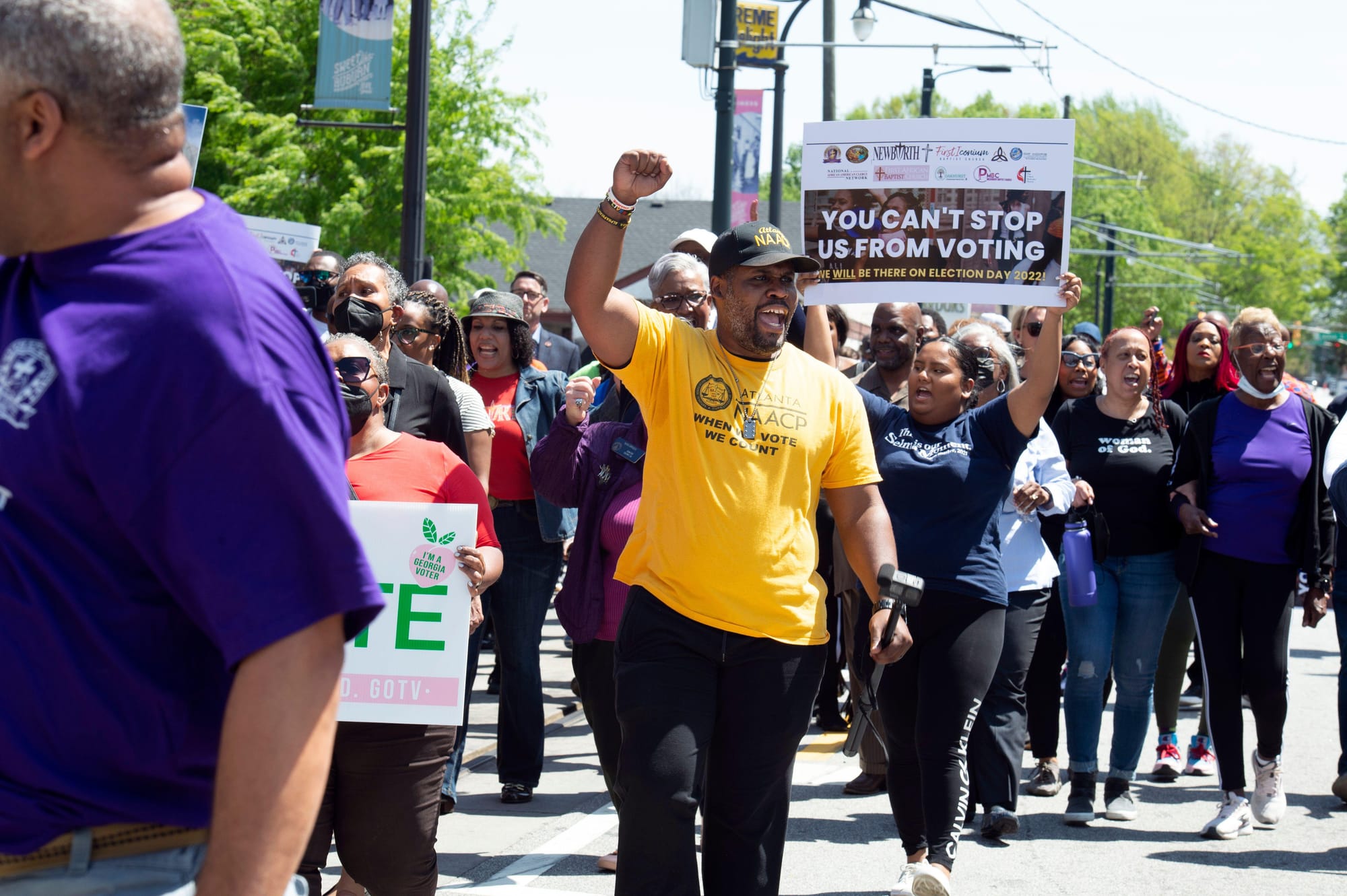
That is why I think we may need to reconsider how we talk about Stacey Abrams when discussing Keisha Lance Bottoms. Abrams ran for governor twice and lost twice, and political history will always record those losses, but winning an election is not the only way a politician changes the political landscape. Abrams came within roughly 55,000 votes of the governor’s mansion in 2018, then turned the energy surrounding that loss toward voter engagement and voting rights at a time when plenty of people still considered Georgia reliably Republican. Two years later, Biden carried the state, and Georgia voters subsequently sent Jon Ossoff and Raphael Warnock to the United States Senate. Whatever anyone thinks of Abrams politically, the argument that her work helped build the infrastructure for those Democratic victories is difficult to dismiss.
Which makes me wonder whether we have been looking at the Abrams and Bottoms comparison backward. Maybe Stacey Abrams’ two losses aren’t evidence that Keisha Lance Bottoms can’t win. Perhaps Abrams helped create the Georgia in which Bottoms now has a legitimate opportunity to do what Abrams herself could not. Abrams challenged the old political math of this state, built an organization around voters who had too often been overlooked and forced Democrats nationally to stop treating Georgia like Republican territory that wasn’t worth the investment. She didn’t make Georgia permanently blue, as the elections that followed have clearly demonstrated, but she helped make it competitive, and there is an enormous difference between those two things.
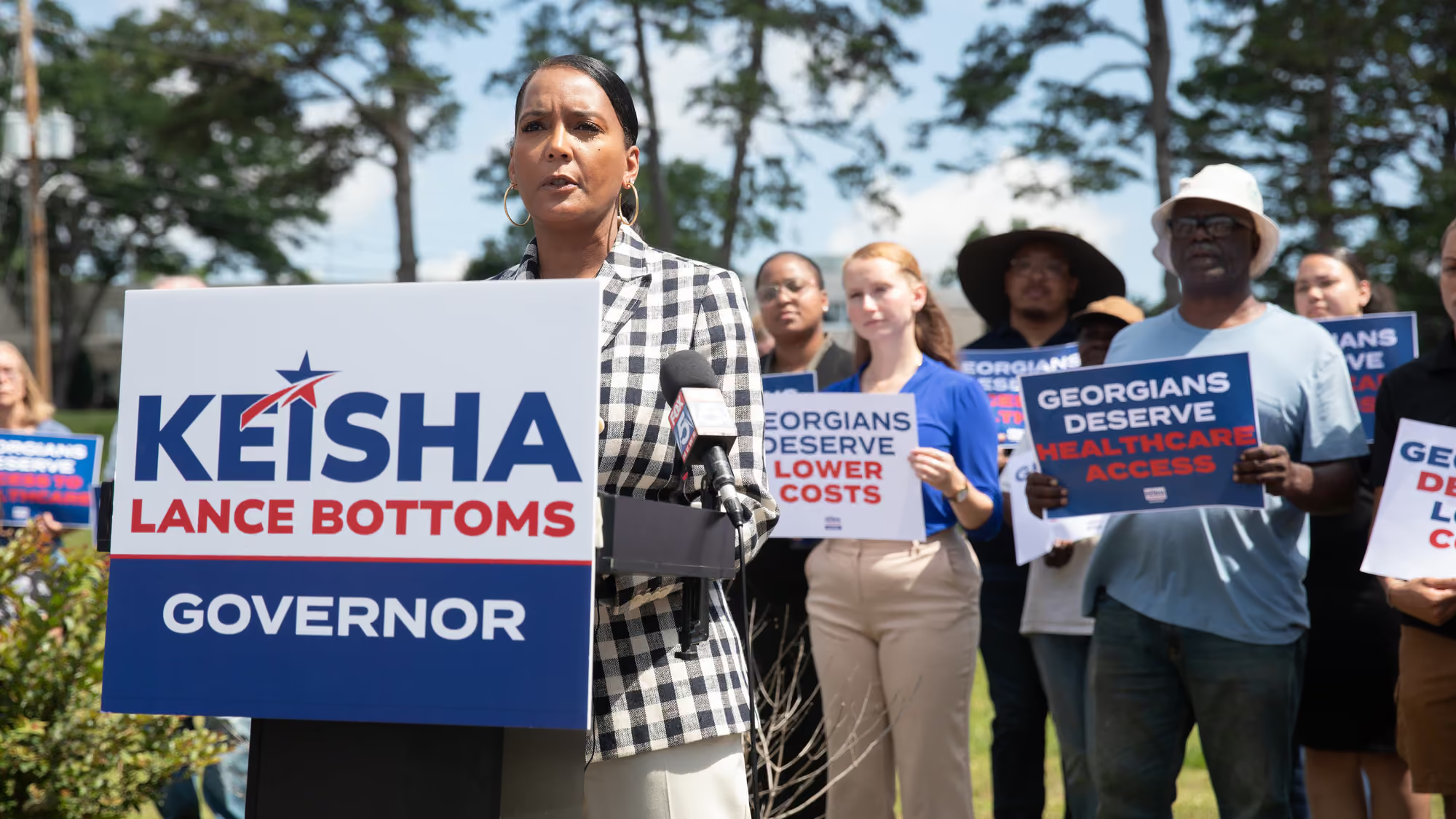
If Bottoms wins in November, that victory would have significance far beyond the fact that Georgia elected its first Black woman governor. It would mean that a state Republicans dominated for decades had elected a Democratic governor during a Republican presidency, after already helping determine the presidency and control of the United States Senate earlier in this decade. It would also force both national parties to rethink Georgia yet again. Democrats could no longer afford to treat the state as an occasional opportunity that becomes interesting every four years, while Republicans could no longer assume that Georgia’s conservative history would be enough to carry candidates whose appeal is strongest inside the party’s base. Georgia would have demonstrated that it is not simply a red state that occasionally turns blue or a blue state waiting to emerge, but a genuinely competitive political battleground where the candidate, the moment and the coalition matter.
A Jackson victory would tell us something important about the country too. If Jackson can embrace Trump as aggressively as he did during the Republican primary, promise to become his “favorite governor,” and then successfully broaden his appeal enough to win a statewide general election in a place as closely divided as Georgia, Republicans around the country will pay attention. It would suggest that candidates can remain closely identified with Trump’s political movement while still winning the suburban and independent voters Republicans have sometimes struggled to hold. In that sense, Georgia isn’t simply choosing a governor this November. It may provide one of the clearest early indications of what each party’s coalition looks like heading toward the next presidential election.
And perhaps that is the most interesting way to think about Stacey Abrams’ place in all of this. Maybe her political legacy was never going to be measured solely by whether she personally became governor. Sometimes the person who changes the road isn’t the person who ultimately gets to travel the farthest on it. Abrams spent years marching across Georgia, campaigning in communities Democrats had ignored, registering voters, challenging the state’s political assumptions and insisting that Georgia could become competitive long before much of the country believed her. She lost the office she wanted, but some of the political ground beneath Georgia moved anyway.
So maybe the question isn’t simply whether Keisha Lance Bottoms can do what Stacey Abrams couldn’t. Maybe we should also be asking whether Bottoms has the opportunity to do it because of some of what Stacey Abrams already did.
Perhaps Stacey Abrams marched so that Keisha Lance Bottoms could have the chance to cross a finish line Abrams never reached herself. Whether Bottoms can actually cross it is now up to Georgia voters.