Two Kings, One Throne and 16 Oscar Nominations

– 5 min read


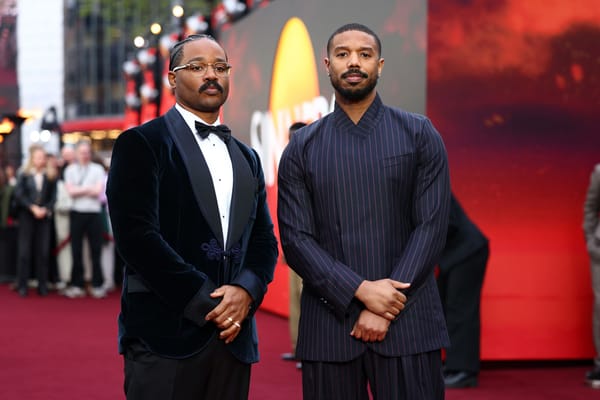
Ryan Coogler and Michael B. Jordan Make Hollywood History as Sinners Becomes the Most Nominated Film Ever
When Ryan Coogler introduced the world to Wakanda, audiences immediately understood that it was more than a fictional nation; it felt like a cultural aspiration, a visual and emotional manifestation of Black power that many likened to Atlanta’s creative dominance and the prophetic confidence of Nas’s If I Ruled the World. Wakanda imagined a place where Black excellence ruled without resistance, apology, or compromise, but it was also only the beginning of a much larger vision. Much like Jay-Z once invoked the idea of painting the White House black during Barack Obama’s presidency, Coogler moved beyond symbolism and into structural reality, transforming Hollywood itself into a space shaped by Black authorship, ownership, and dominance. Where Wakanda offered a fantasy of sovereignty, Sinners delivers its real-world equivalent, painting Hollywood with Black power so complete and undeniable that the industry had no choice but to bow before its new kings.
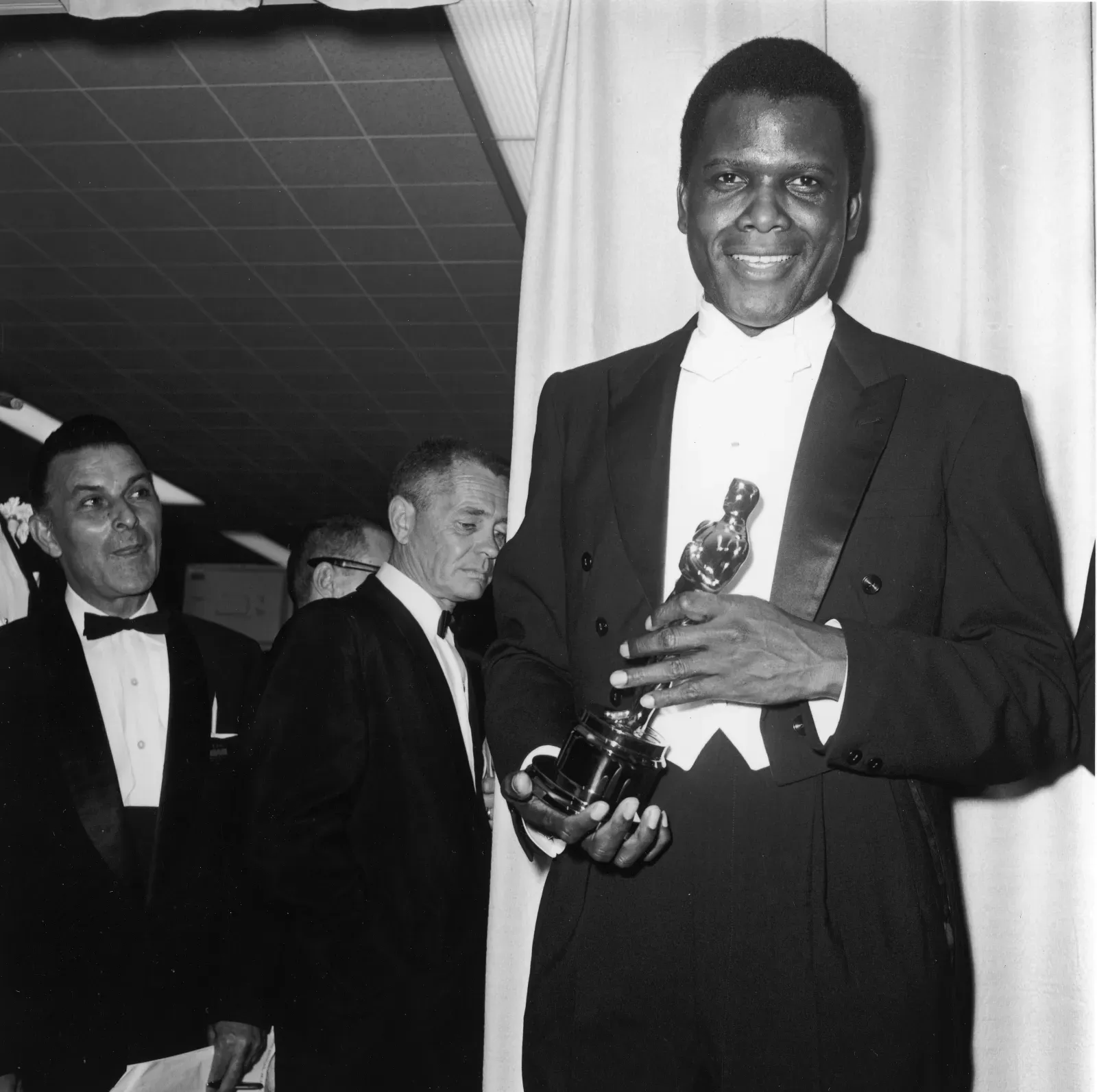
That reckoning has been a long time coming. For decades, institutions like the Academy Awards held Black and Brown talent to nearly impossible standards, forcing brilliance through a proverbial strainer that allowed only one exceptional figure through at a time. Sidney Poitier carried dignity into spaces that had never made room for him, Denzel Washington embodied gravitas across generations, Will Smith mastered global box office dominance, and Eddie Murphy reshaped comedy and commercial appeal, while filmmakers like Spike Lee and Antoine Fuqua earned critical acclaim that often failed to translate into full institutional recognition. What had never happened before was collective dominance on this scale, where authorship, ownership, and acclaim converged at the same moment.

With Sinners earning sixteen Academy Award nominations, the most ever for a single film, Coogler and Michael B. Jordan did not pass quietly through Hollywood’s narrow gate. They shattered it, replacing a system built on scarcity with one defined by abundance, vision, and creative self-determination. This is not a case of Hollywood expanding its generosity, but of Hollywood being reshaped by force of excellence and undeniable cultural authority.

Set in 1930s Mississippi, Sinners follows twin brothers, both portrayed by Jordan, as they open a blues club while confronting the dual horrors of systemic racism and supernatural violence. The film blends Southern folklore, Black history, and genre storytelling with rare precision, creating a narrative that operates as both entertainment and allegory. Its $368 million global box office performance confirms what critics and audiences alike have already recognized: originality rooted in truth can command the world’s attention.
The scale of the film’s recognition is staggering. Sinners received nominations across the Academy’s most competitive categories, including Best Picture, Best Director, Best Actor, Supporting Actor for Delroy Lindo, Supporting Actress for Wunmi Mosaku, Cinematography, Costume Design, and the Academy’s inaugural Casting Award. The breadth of these nominations reflects not only the film’s narrative power, but its technical mastery and cultural impact.
Equally important is who rises alongside Coogler in this moment. The costume design nomination makes Ruth E. Carter the most-nominated Black woman in Oscar history, a milestone that illustrates what happens when Black leadership is intentional about inclusion. The cinematography nomination for Autumn Durald Arkapaw marks only the fourth time a woman has ever been recognized in that category, reinforcing the truth that access paired with trust accelerates progress.
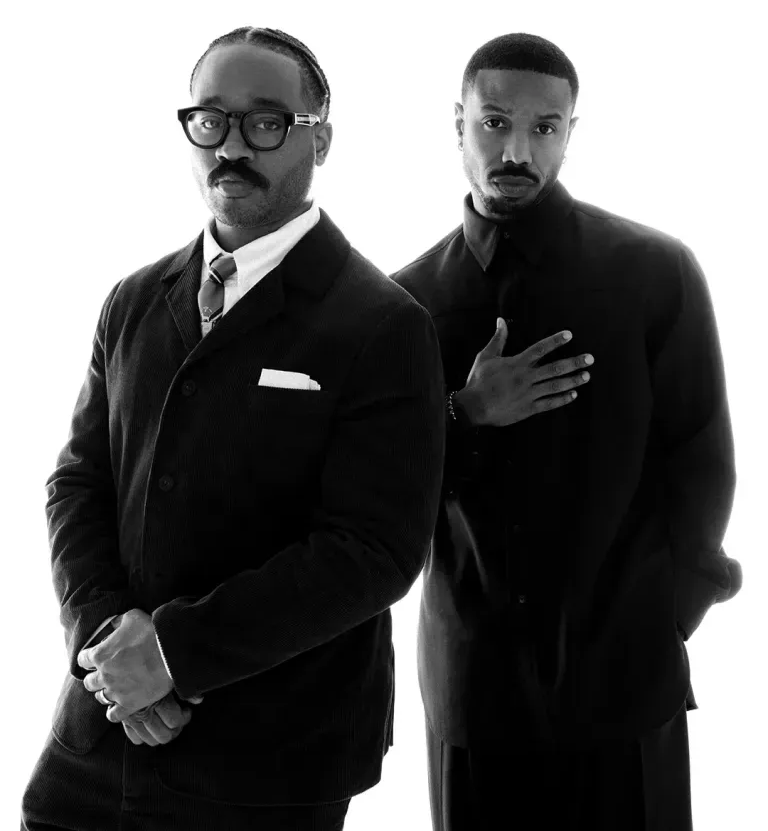
This pattern has defined Coogler’s career from the beginning. Long before Hollywood validation arrived, belief carried him forward. He has spoken openly about how his wife believed in his vision enough to financially support his first feature, Fruitvale Station, an investment that proved foundational rather than symbolic. That early act of faith allowed Coogler to tell a story on his own terms while introducing Jordan to audiences through a lens of dignity, vulnerability, and emotional truth.
From Fruitvale Station to Creed, from Black Panther to Sinners, the partnership between Coogler and Jordan has evolved into one of the most significant creative collaborations in modern cinema. Their relationship is not transactional, nor is it driven by trend-chasing or convenience. It is built on mutual respect, shared values, and a commitment to excellence that prioritizes longevity over ubiquity.
Hollywood has long celebrated creative duos, often pointing to partnerships like Ben Affleck and Matt Damon as benchmarks for collaborative success. What Coogler and Jordan represent, however, is fundamentally different. Their work is not about gaining entry into existing systems, but about building new ones that reflect their lived experience, cultural consciousness, and creative autonomy. They are not asking to be included in Hollywood’s future; they are authoring it.
For decades, Black Hollywood was defined by a narrow idea of crossover success, embodied by a select few whose achievements were treated as exceptions rather than templates. Coogler and Jordan disrupt that narrative entirely. They are not anomalies permitted temporary access to power, but architects constructing a sustainable future in which ownership, artistry, and cultural specificity coexist without apology.
That future is also financial. Coogler secured an extraordinary deal for Sinners that grants him copyright ownership, early box office participation, final cut privileges, and long-term control over the film’s intellectual property, with rights reverting fully to him in twenty-five years. In an industry that has historically denied Black creators this level of autonomy, the deal stands as a blueprint for what true power looks like behind the camera.
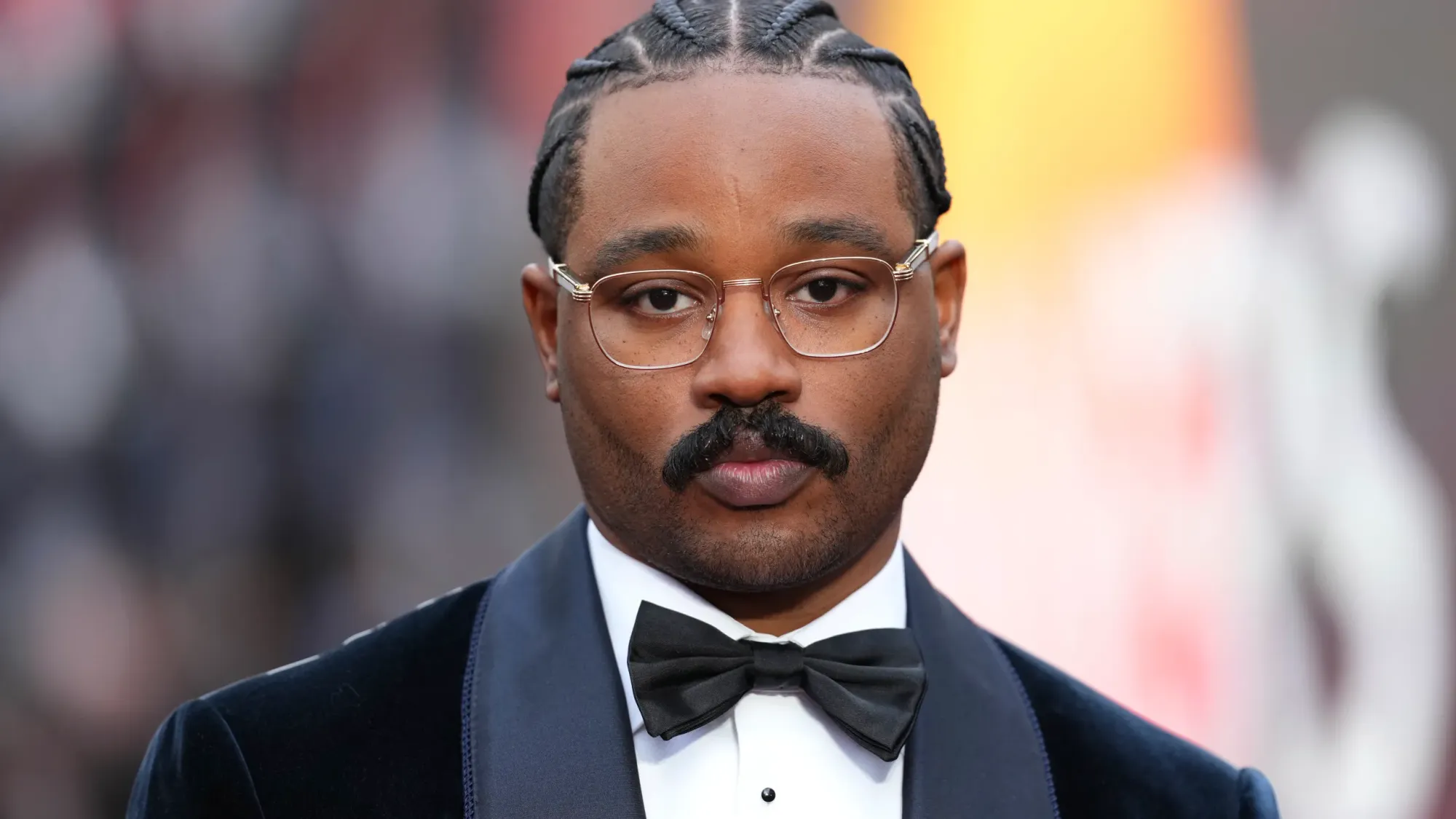
When news of the sixteen nominations broke, Coogler shared that his father stood beside him counting each announcement aloud, later delighting in being proven right. The moment captured something essential about this achievement, which is that it is communal, familial, and deeply rooted in belief that predates recognition.
As Black History Month approaches, Sinners stands as living proof of what happens when Black excellence is paired with strategy, when artistry meets ownership, and when belief is matched with action. This is not a fleeting awards-season headline, but a marker of history unfolding in real time.
Coogler and Jordan have not merely made a successful film. They have altered the terms of engagement for an entire industry. Wakanda may have been the introduction, but Sinners is the coronation, confirming that Black power in cinema no longer lives solely in imagined worlds. It now rules Hollywood itself, and the industry has already bowed.