The Queen of Tennis Returns to Her Throne


– 2 min read






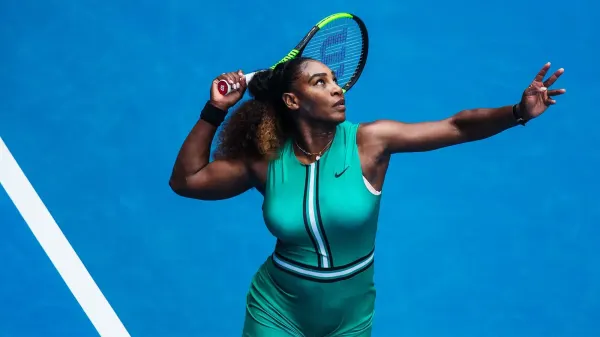
For more than two decades, Serena Williams occupied a space so rare that conversations about her greatness often extended far beyond the boundaries of tennis. Hall of Fame athletes, sports analysts, coaches, and fellow competitors have repeatedly argued that Williams belongs in the discussion not simply as the greatest women’s tennis player of all time, but as one of the greatest athletes ever produced by any sport. Her combination of explosive power, relentless work ethic, mental toughness, competitive fire, and longevity created a standard few have approached and none have duplicated.
When former athletes and commentators debate the defining competitor of her generation, Serena Williams’ name inevitably enters the conversation. Not because she dominated a single era, but because she redefined what dominance looked like. She won across generations. She won against rivals who studied her, feared her, and spent entire careers trying to solve the puzzle she presented on the court. She became the measuring stick by which excellence itself was judged.
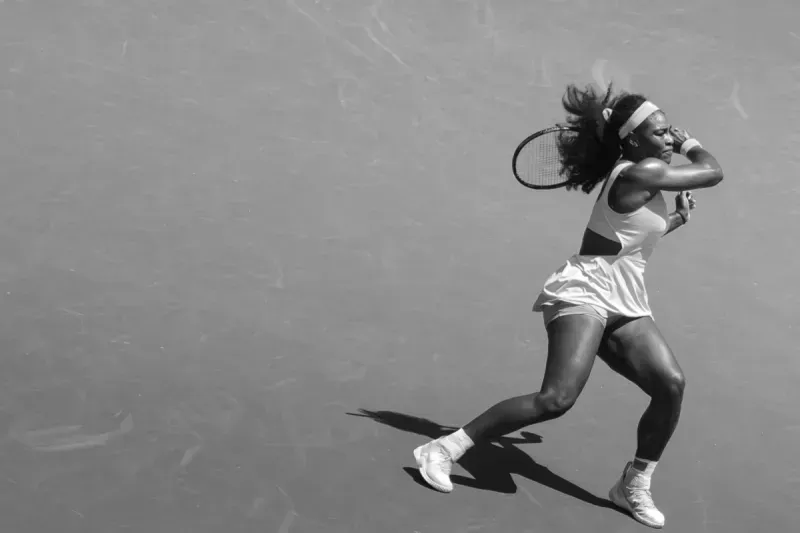
The numbers alone are staggering. Twenty-three Grand Slam singles titles. Four Olympic gold medals. More than 300 weeks ranked No. 1 in the world. Yet statistics tell only part of the story. Serena’s true legacy was built on something less tangible and far more powerful: an unshakable belief that no match was over until she said it was. Whether trailing in a final, battling injuries, or facing critics who questioned her every move, Williams carried herself with the confidence of an athlete who expected greatness because she had earned it.
That is why news of her return carries such weight. This is not simply the comeback of a former champion. It is the reemergence of a competitor whose name became synonymous with excellence itself. The possibility of Serena Williams stepping back onto a professional tennis court serves as a reminder of a truth many sports fans have believed for years: the greatest athletes never completely stop chasing the thrill of competition.
And now, that chase appears to be bringing Serena Williams back to the game she helped transform.
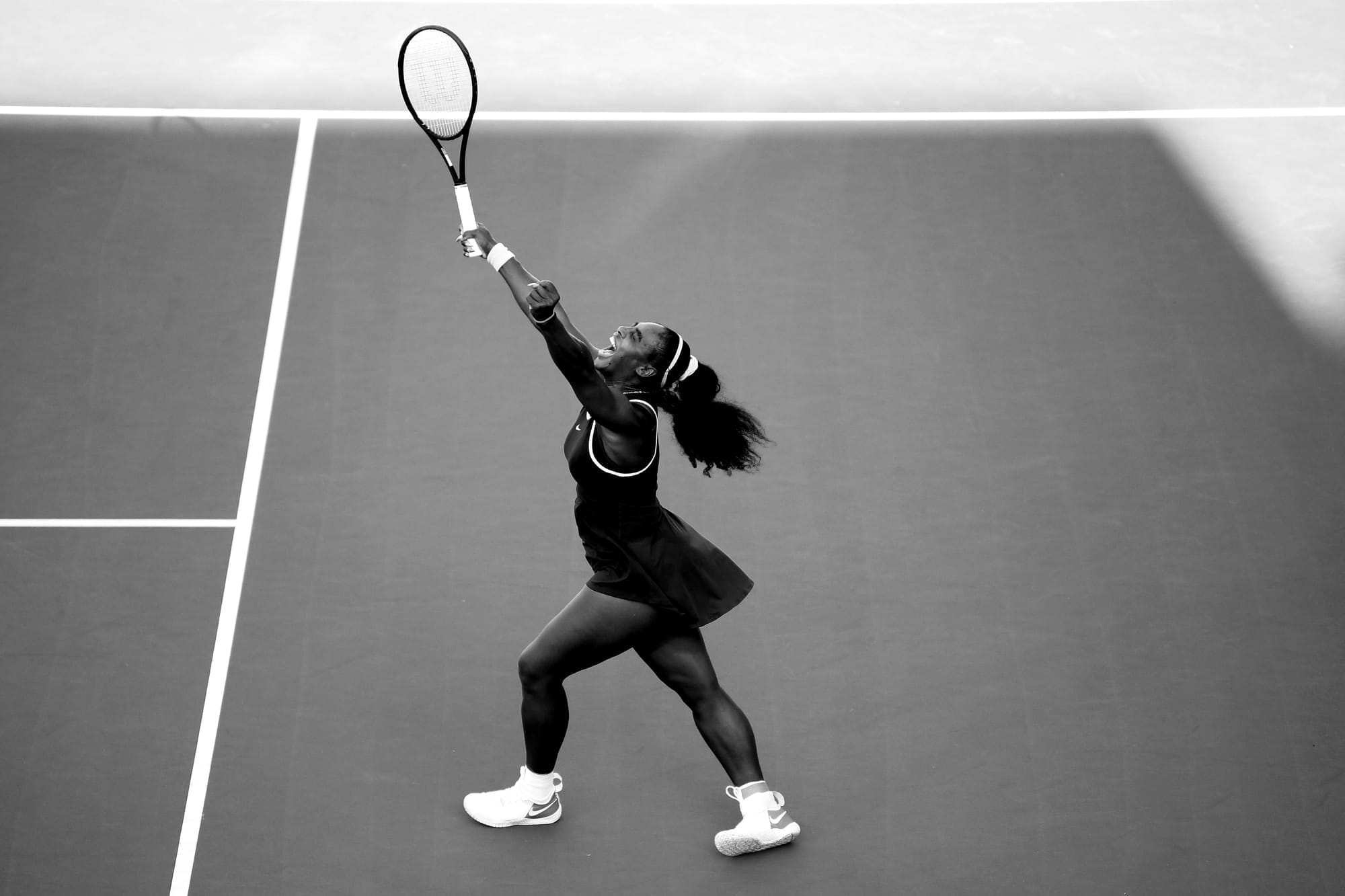
After nearly four years away from the court, the 23-time Grand Slam champion is back. And here at Lenox & Parker, we couldn’t be more thrilled.
Williams, now 44, has accepted a wildcard invitation to compete in the doubles draw at the HSBC Championships at Queen’s Club in London, kicking off June 8. She’ll partner with 19-year-old Victoria Mboko, the ninth-ranked singles player on the WTA tour—a pairing that feels like a passing of the torch and a reclaiming of the crown all at once.