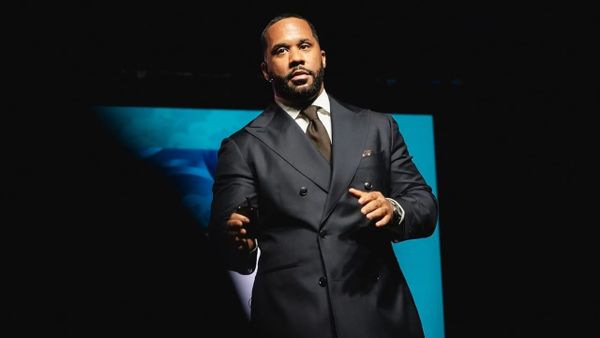
Pastor Dwight Buckner Connects Biblical Ownership to Land and Legacy for His People

– 4 min read





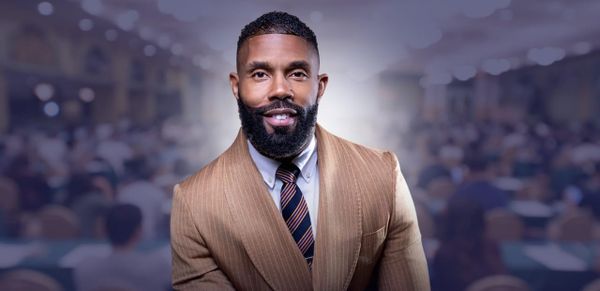
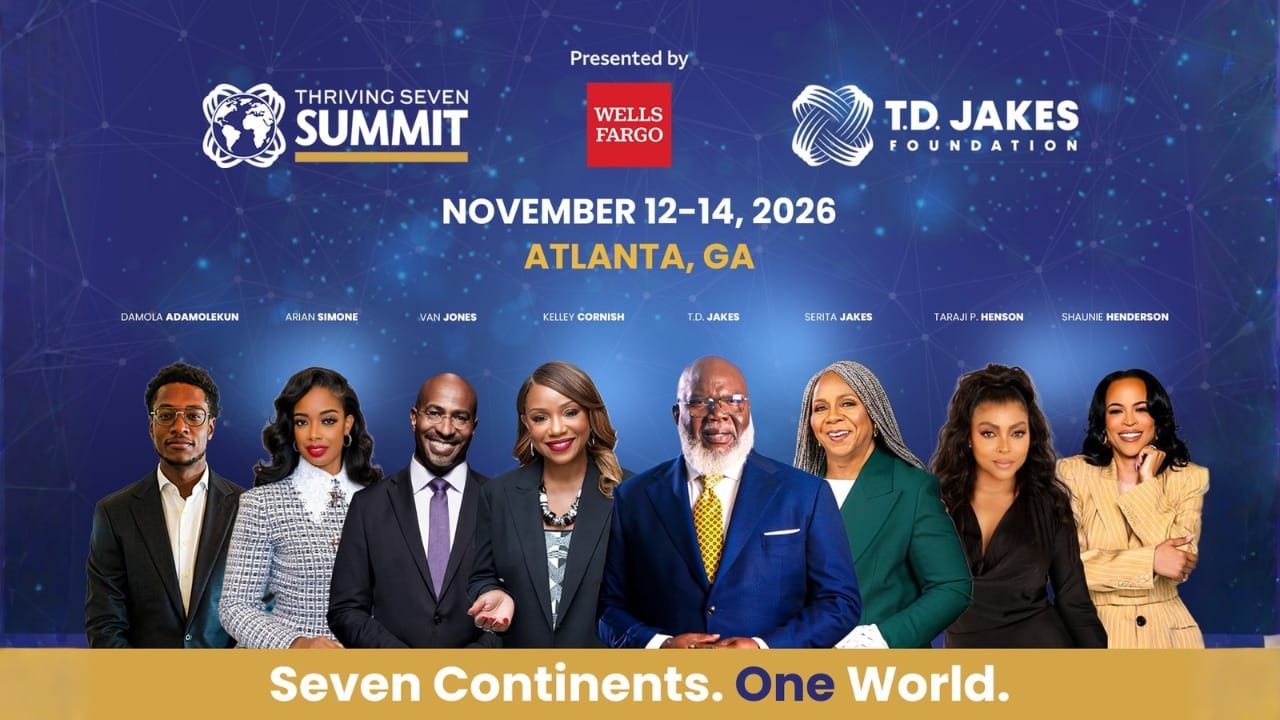
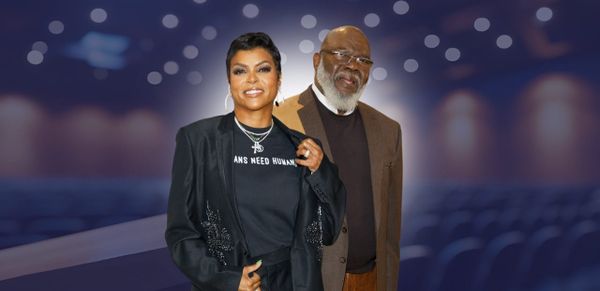
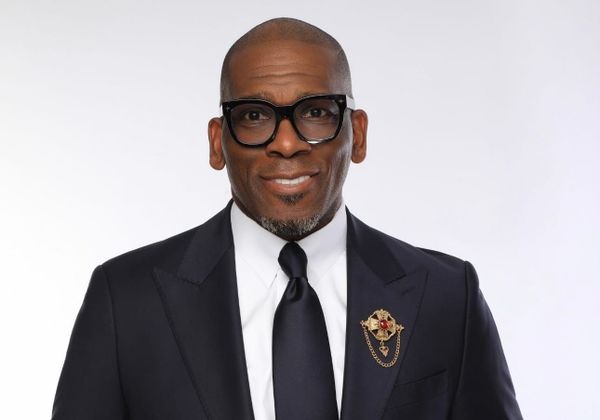
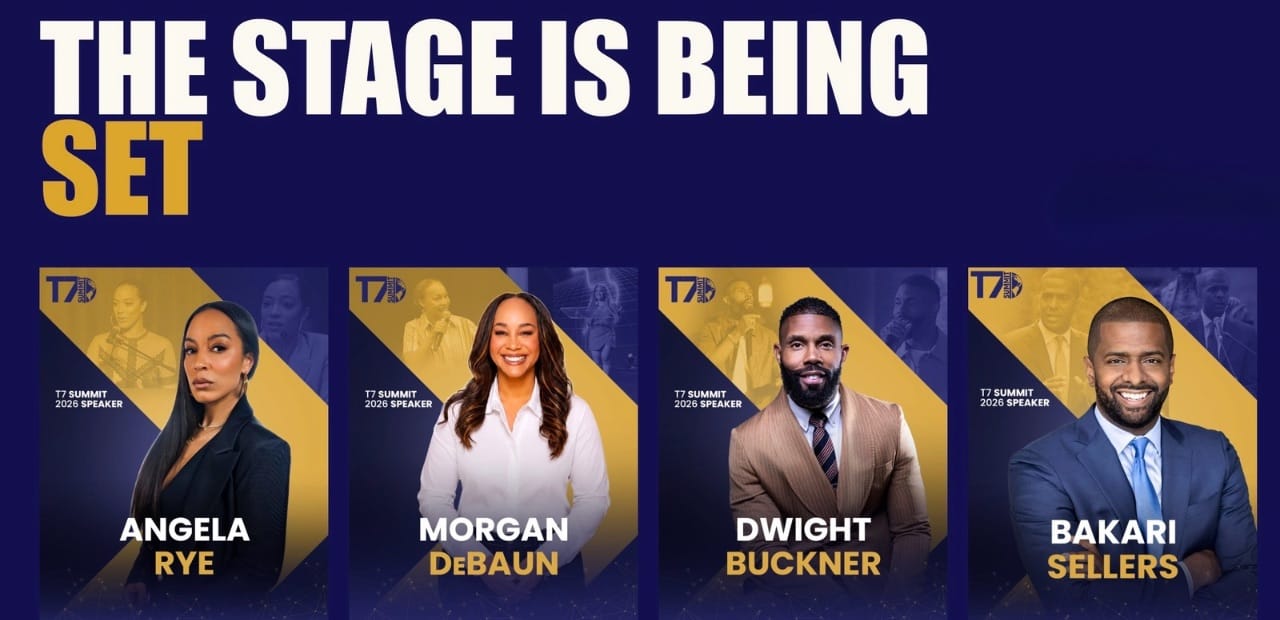
Atlanta continues to be the focal point of progression for the black community and this weekend worked to solidify the city's reputation by hosting the T.D. Jakes Foundation’s Thriving Seven Summit, known as T7. The November 12–14 conference brought together leaders in business, faith, technology, education and public service to talk about building stronger communities. Pastor Dwight Buckner, founder and senior pastor of Generation of Hope Church in Decatur, Georgia, was among the featured speakers.
I attended the summit and got to ask Pastor Buckner about the connection between religion and finance. We talked about getting finances in order, becoming entrepreneurs and pursuing ownership. Pastor Buckner said Bishop T.D. Jakes was in fact honoring God’s Word by encouraging our communities to learn financial responsibility. He continued by explaining how faith can shape not only what people believe, but also how they plan for their families and communities.
The conversation also landed in the middle of a long-running tension in the Black church. Some old-school prosperity preachers have faced well-earned criticism when wealth is framed as proof of faith, or when people are pressured to give in exchange for promises of blessing. At the same time, many people grew up hearing pastors preach humility and warn against worldly riches, with money discussed from the pulpit mainly when it was time to collect tithes. Those messages can leave little room for practical conversations about budgeting, building credit, starting businesses or buying property.
Pastors T.D. Jakes, Jamal Bryant and Buckner are part of a generation bringing those subjects into the conversation in a different way. Their work connects faith with financial education, entrepreneurship, homeownership and the responsibility to build resources that can benefit a community. Jakes has spoken about homeownership and financial literacy as tools for closing the wealth gap, while Bryant has written about moving beyond consumer spending toward ownership and investment. Pastor Buckner brought that conversation to our interview through the Bible’s promises of land and inheritance.
He pointed to Genesis 12:7, where God promises land to Abraham’s descendants, and Genesis 13:15, which extends that promise across generations. Deuteronomy 11:24 speaks about the places Israel’s people would inhabit, while Psalm 37:29 describes the righteous inheriting the land and living there. These scriptures come from different moments in the Bible, but each connects land with inheritance, belonging and what can be passed on.
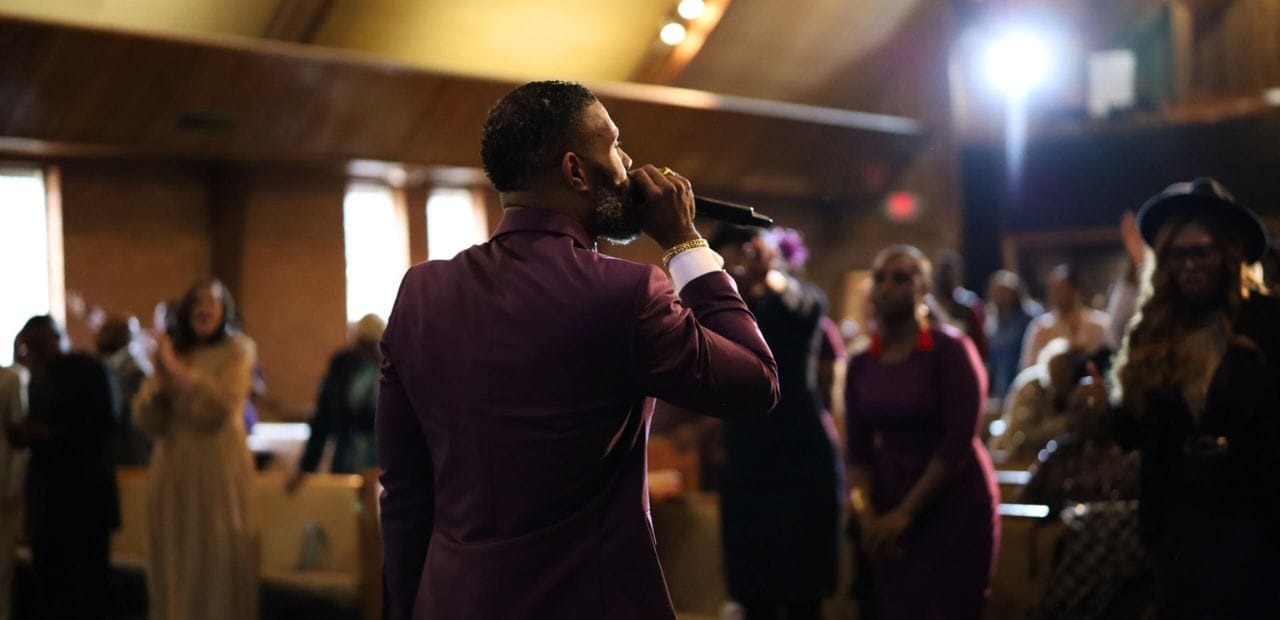
That connection feels especially meaningful when we think about who owns the places where communities gather and grow. Land can be a home, a business location, a place of worship or a resource that supports a neighborhood for years to come. For families who have had fewer chances to build wealth through property, ownership can also help create stability and a stronger say in what happens next.
I congratulated Pastor Buckner and his wife on recently purchasing their church. He thanked me and shared that they hope to buy the block the church is part of. Their goal is to be in a stronger position to help parishioners and the surrounding neighborhood. It’s a big vision, and one that takes the conversation about ownership beyond the church building. The hope is to have a lasting stake in the community where members live, work and worship.
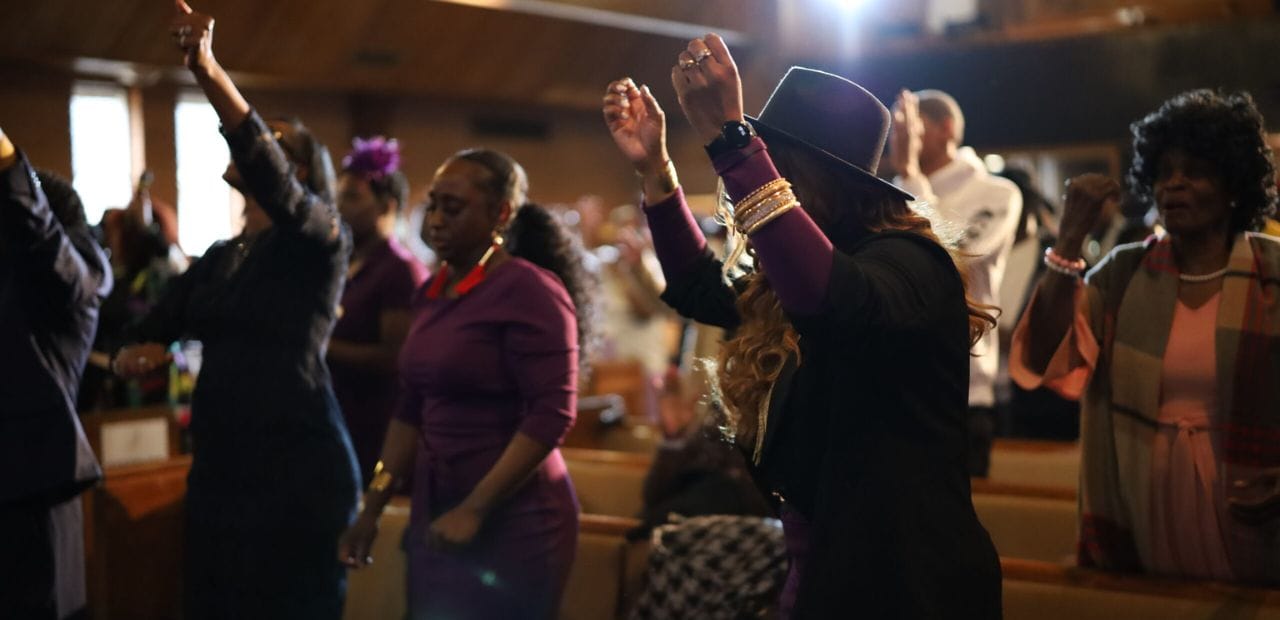
The church’s story makes that neighborhood focus easy to understand. Pastor Buckner started a Bible study in his Decatur barbershop in 2012, teaching practical lessons and offering meals to people who needed them. The next year, he founded Generation of Hope Church with twelve members. The church says its mission is to bring hope and change to the greater Atlanta area and beyond.
Buying more of the block could give the church more ways to carry out that mission. A congregation with a secure place in the neighborhood may be able to support families, create programs and respond to needs over time. Pastor Buckner’s vision suggests that stewardship can include both serving people today and building something that remains available to the next generation.
Our conversation at T7 brought scripture and everyday decisions into the same room. Building financial stability, starting a business and buying property all take planning and work. Pastor Buckner’s message connected those steps to a larger idea: faith communities can talk about money with purpose, helping people build resources and use them to strengthen the places they call home.
Watch my video interview with Pastor Buckner below.