NPR Got It Right: Joe’s Tiny Desk Concert Is a Black Music Month Must-Watch

– 8 min read





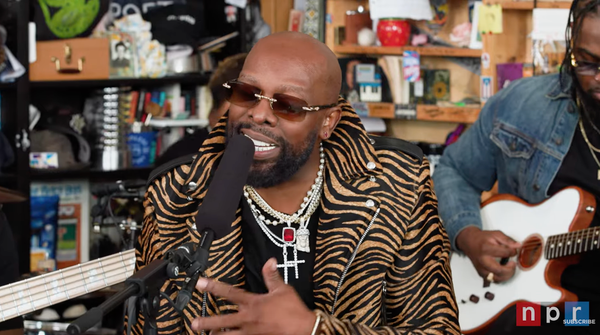
One of the greatest things about Black Music Month is that it gives us an opportunity to revisit artists whose contributions to the culture deserve far more recognition than they often receive. This year, NPR got it absolutely right by finally bringing Joe to the Tiny Desk stage. For longtime fans, the performance felt long overdue. For younger listeners who may only know him from a handful of songs or from the theme music of Power, it served as a reminder that Joe is one of the most gifted vocalists of his generation. More importantly, it reminded us that some artists are simply too unique to be measured by chart positions or awards. Their impact is felt in the way their music continues to resonate years after it was released, and Joe’s catalog is filled with records that have stood the test of time.
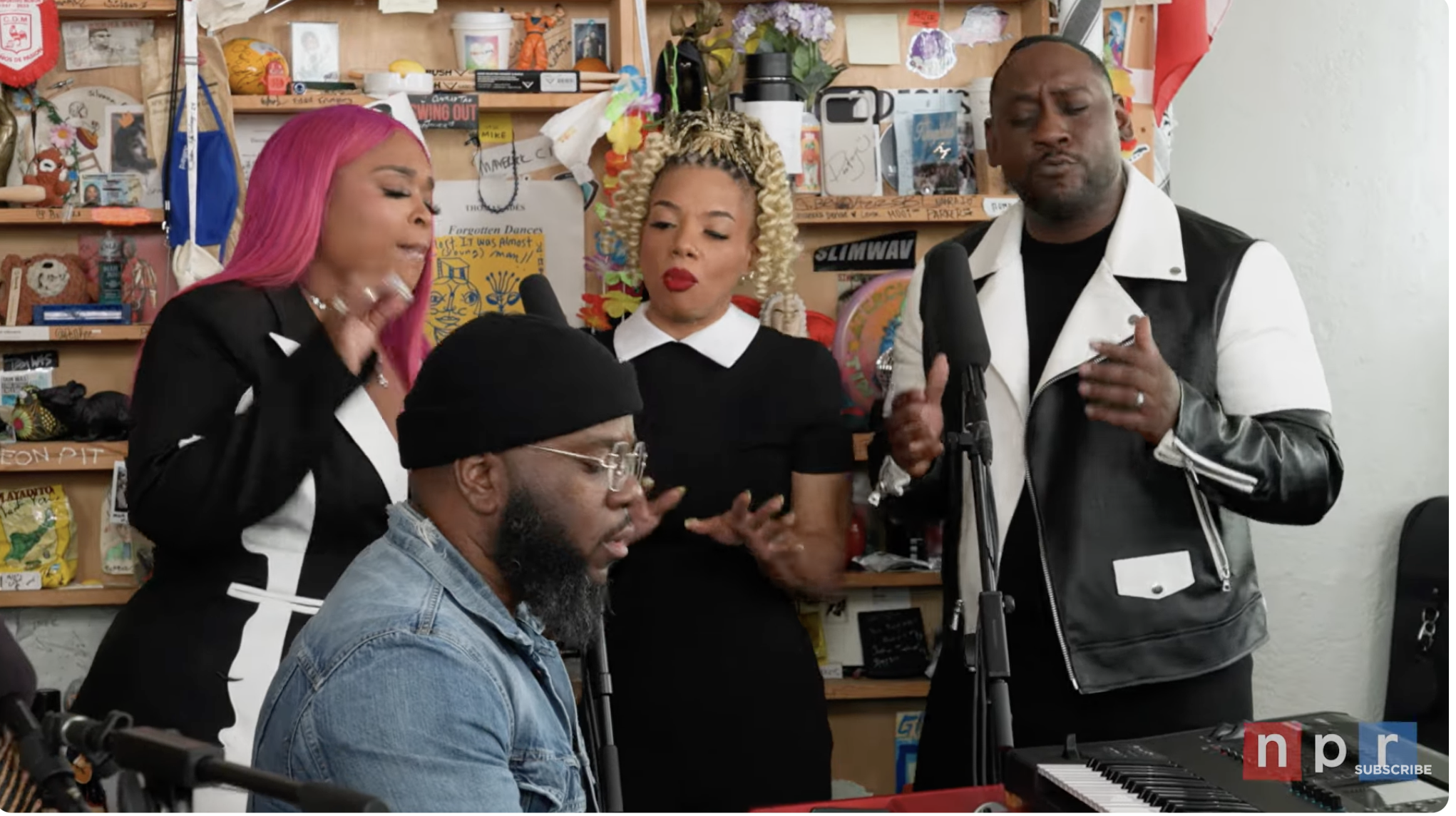
When people talk about the soundtrack of the 1990s, the conversation usually centers around the same names. You’ll hear people mention Boyz II Men, Jodeci, Dru Hill, Jagged Edge, 112, and several others who helped define what many consider the golden era of R&B. All of those artists deserve their flowers because they created music that still inspires nostalgia and emotion decades later. However, if we’re talking about artists whose voices could instantly change the mood of a room, whose music matured alongside their audience, and whose records sound even better with age, then Joe absolutely belongs in that conversation. In fact, I would argue that he occupies a lane all his own because there has never really been anyone else who sounds quite like him.
What has always separated Joe from many of his peers is not simply his vocal ability. There are plenty of singers who can hit impressive notes and demonstrate technical skill. What makes Joe special is his tone. The moment he begins singing, there is an unmistakable richness in his voice that immediately commands your attention. It is soulful without feeling forced, masculine without becoming overly aggressive, and smooth without sounding overly polished or manufactured. His voice has a warmth and maturity that draws listeners in and makes them believe every word he’s singing. That quality has allowed him to connect with audiences across generations and musical styles in a way that very few artists ever achieve.
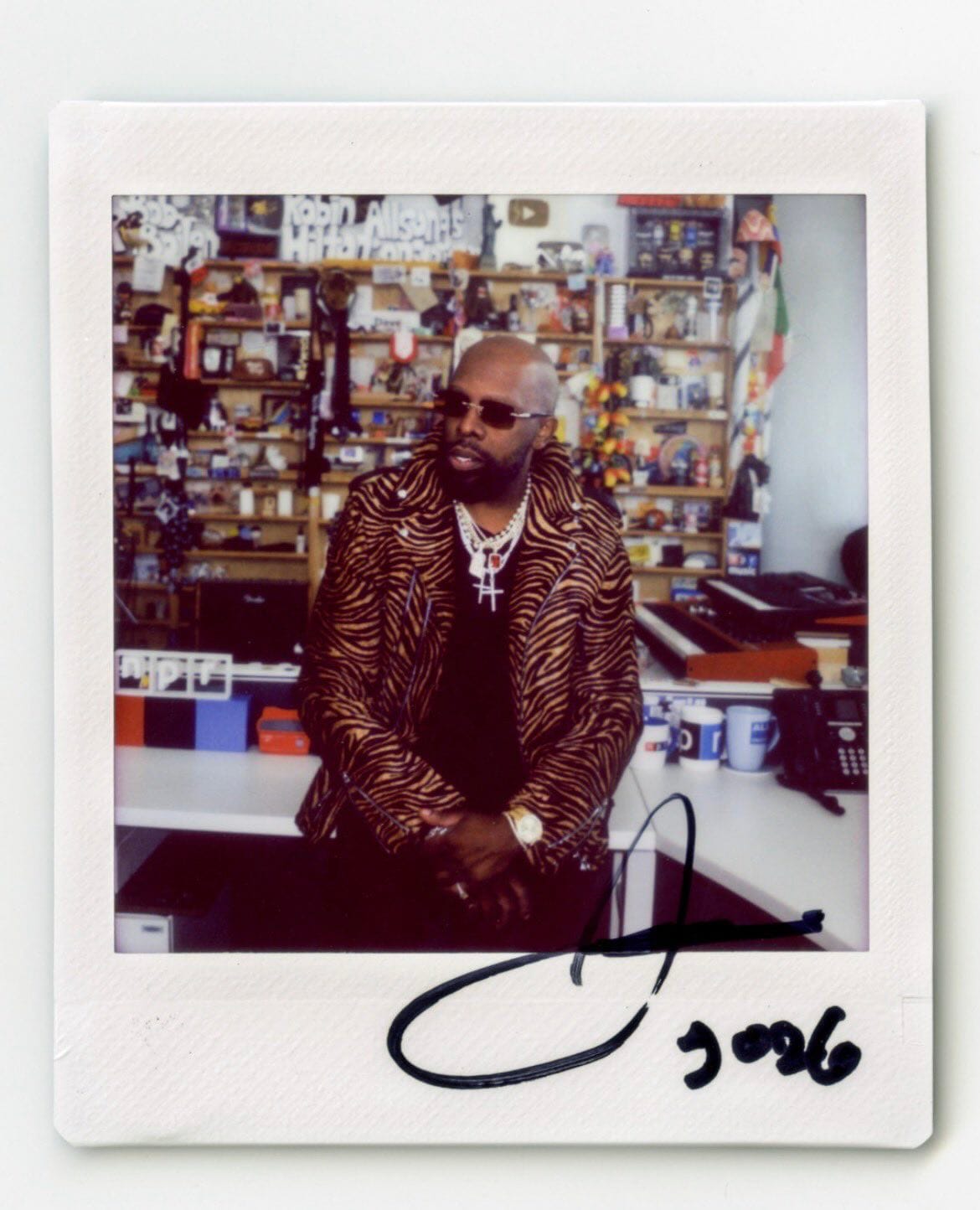
Part of what makes Joe’s career so fascinating is that he has never been an artist who could be easily placed into a single category. This is the same man who gave us “I Wanna Know,” a song that perfectly captured the vulnerability and excitement of falling in love. He is also the artist behind “All the Things (Your Man Won’t Do),” a record that remains one of the most confident and sincere declarations of devotion ever recorded in R&B. He could give listeners the playful confidence of “Don’t Wanna Be a Player” and then turn around and deliver the emotional depth of “All That I Am.” At the same time, he was able to step into a completely different space and become the voice behind “Big Rich Town,” the iconic theme song for Power. That record became so closely associated with the series that fans openly rejected attempts to replace it. When audiences become that attached to a song, it speaks to something deeper than popularity. It speaks to the emotional connection that an artist has created with listeners.
What is especially impressive about that accomplishment is that “Big Rich Town” wasn’t even operating in Joe’s traditional lane. It wasn’t a romantic ballad. It wasn’t a slow jam. It wasn’t designed to be played during date night or become part of a wedding playlist. Yet Joe’s voice fit the song perfectly because his gift has never been limited to one type of music or one specific emotion. Whether he is singing about love, ambition, heartbreak, temptation, regret, or redemption, there is a sincerity in his delivery that makes listeners trust him. He doesn’t simply sing lyrics. He inhabits them. That ability to communicate genuine emotion is one of the reasons his music continues to resonate with audiences decades after it was first released.
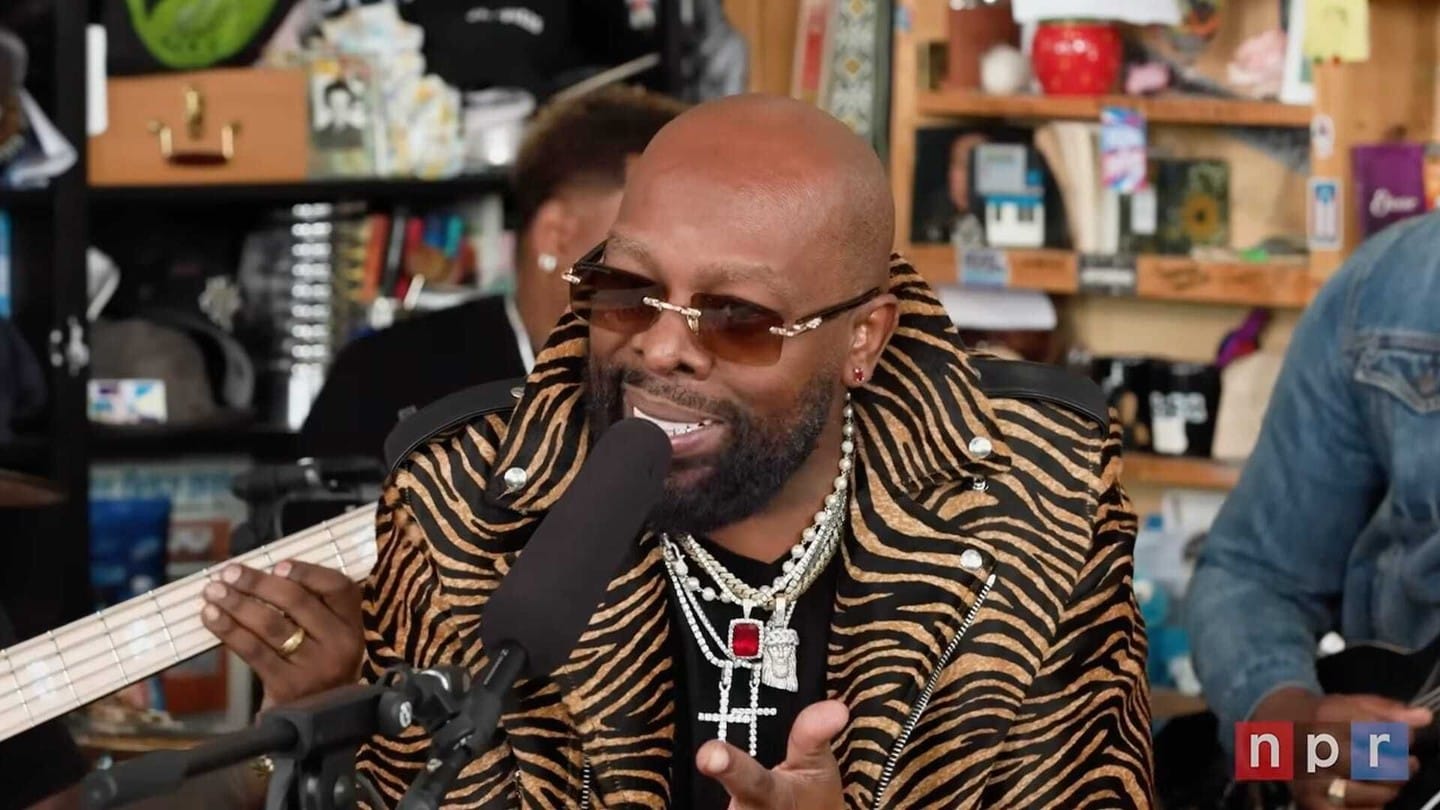
In many ways, Joe deserves to be recognized not only as one of R&B’s greatest voices but also as one of its architects. While most people know him for the songs he recorded himself, his influence extends far beyond his own catalog. Joe helped shape the sound of modern R&B through his songwriting, creating records that became staples in the collections of music lovers everywhere. His writing credits include Luther Vandross’ “Can Heaven Wait,” Case’s “Missing You,” Backstreet Boys’ “No One Else Comes Close,” Babyface’s “Reason for Breathing,” Xscape’s “Softest Place on Earth,” Changing Faces’ “That Other Woman,” and N II U’s “You Don’t Have to Cry.” Those are not random album cuts. They are records that helped define an era and contributed to the emotional language of 90s and early 2000s R&B.
When you examine those songs collectively, a pattern begins to emerge. Joe consistently wrote about vulnerability, devotion, desire, heartbreak, and commitment in ways that felt authentic and relatable. Whether he was behind the microphone or behind the scenes with a pen in his hand, he understood how to capture the complexity of relationships without reducing them to clichés. Long before people were having conversations about emotional intelligence, healthy masculinity, and vulnerability, Joe was embedding those themes into some of the most memorable songs of the era. That is why I believe he was more than a participant in R&B’s golden age. He helped build it. He helped define what romance sounded like for an entire generation, and his fingerprints remain all over the genre today.
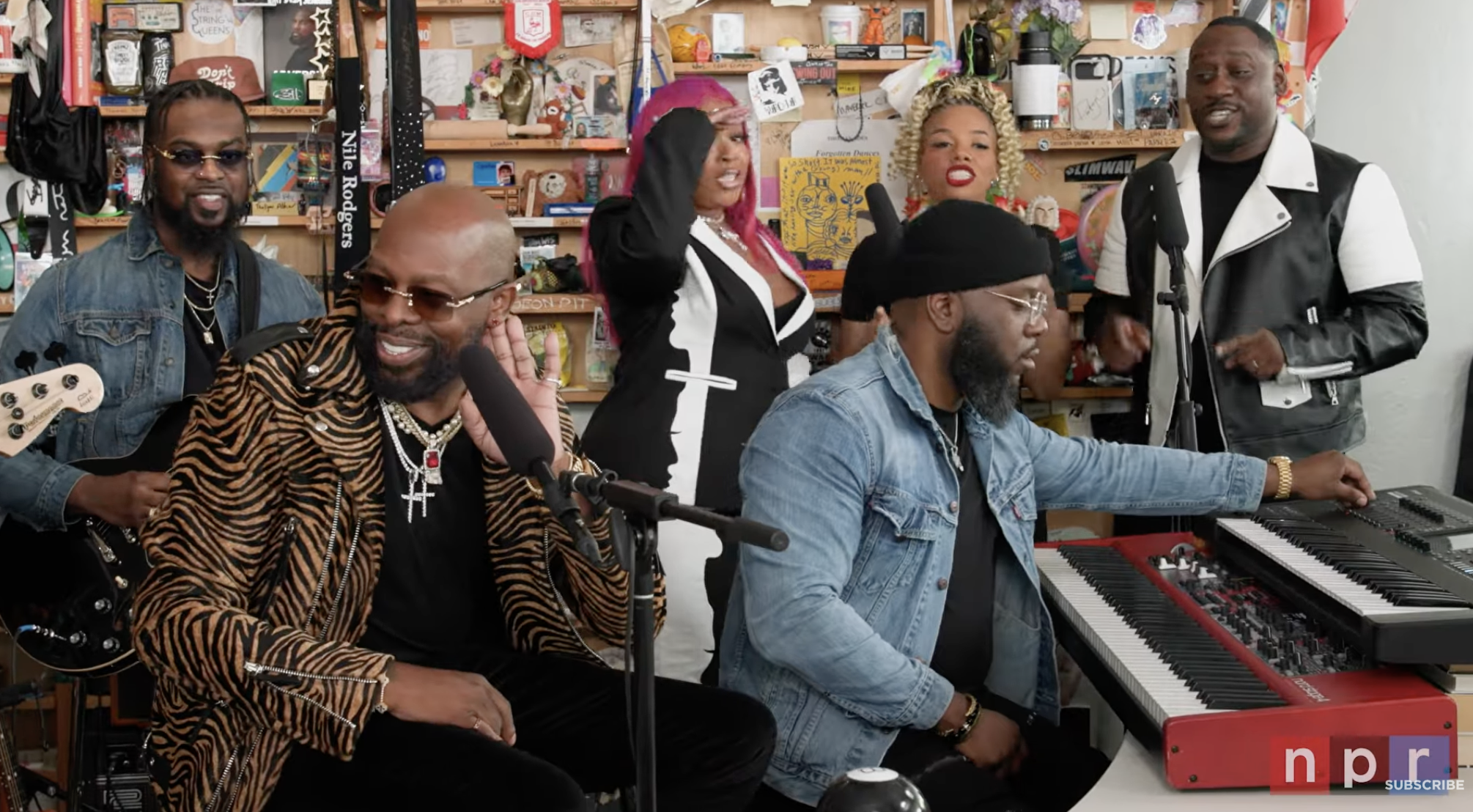
Another example of Joe’s extraordinary versatility can be found in his cover of Adele’s “Hello.” Cover songs are notoriously difficult because listeners often have a deep emotional attachment to the original version. Too many artists approach covers by attempting to imitate what made the original successful. Joe took a completely different approach. He found his own way into the song and delivered a performance that felt fresh while still honoring the spirit of the original. By bringing his own experiences, perspective, and vocal texture to the record, he transformed it into something uniquely his own. The result was one of the most beautiful and emotionally compelling covers I’ve heard in years, and it served as another reminder that Joe possesses a rare ability to reinterpret music without losing its essence.
What I have always appreciated most about Joe is that he never seemed interested in chasing trends. While the music industry evolved around him and artists constantly reinvented themselves to remain relevant, Joe remained remarkably consistent in who he was and what he represented. His music consistently celebrated mature relationships, emotional honesty, appreciation for women, and the complexities of genuine love. Even his most sensual records felt grounded in admiration rather than conquest. There was always a level of sophistication in his music that separated him from artists who relied solely on sex appeal or shock value. Joe’s songs felt like conversations between adults who understood that love involves much more than attraction.
As I watched the Tiny Desk performance, I also found myself reflecting on how my relationship with Joe’s music has evolved over the years. My favorite Joe song at twenty wasn’t necessarily my favorite Joe song at forty or fifty, and I think that’s part of what makes his catalog so special. When I was younger, I loved “Good Girls.” There was something about that record that perfectly captured the era. Back then, it was still considered cool to be a good girl. You could be sweet, smart, a little flirtatious, a little sassy, and still take pride in carrying yourself with a certain level of grace. Like a lot of young women, I saw myself in that song. Joe had a way of celebrating women without making them feel like trophies or conquests, and “Good Girls” felt like an anthem for girls who knew who they were and weren’t in a rush to become someone else.
As I got older, other songs began to reveal themselves differently. “Don’t Wanna Be a Player” was obviously a massive crossover hit and remains one of the songs most people immediately associate with Joe. But for those of us who were truly invested in R&B as an art form, records like “Stutter” and “All That I Am” hit differently. “All That I Am” remains one of the most beautiful romantic ballads ever recorded because it allows listeners to witness the vulnerability of a Black man in love. There is no bravado. There is no performance. There is simply a man laying his heart on the table and expressing a level of devotion that we don’t often hear represented with such honesty. Joe built an entire career around moments like that, and it is one of the reasons his music continues to age so beautifully.
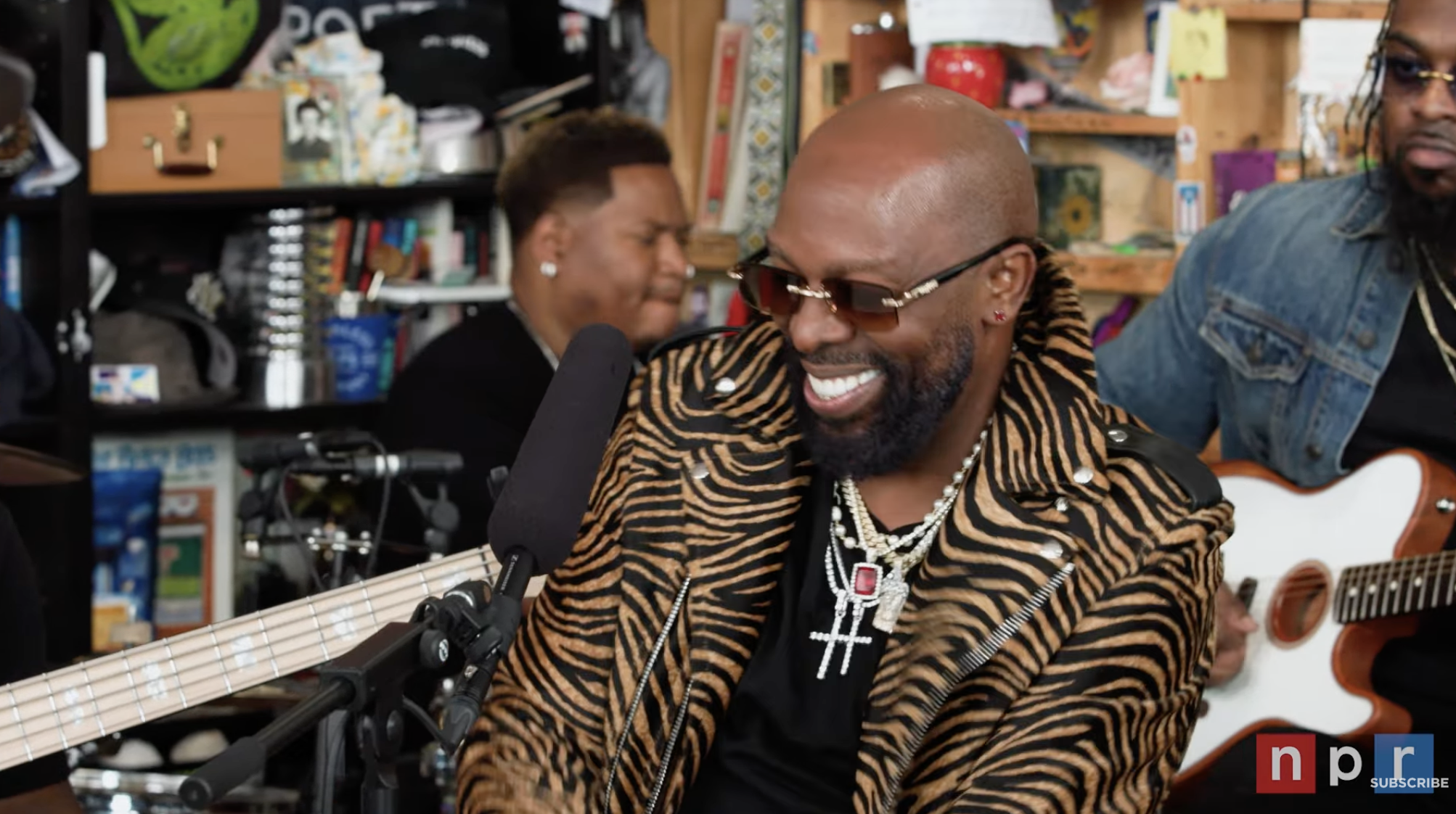
Maybe that’s why his music continues to resonate across generations. His albums feel like a collection of love letters. They celebrate romance without becoming unrealistic. They celebrate women without objectifying them. More importantly, they create space for listeners to experience a side of Black masculinity that is often overlooked. Throughout his catalog, Joe consistently reminds us that strength and vulnerability can coexist. He reminds us that there is beauty in commitment, tenderness in devotion, and power in emotional honesty. His music allows women to feel appreciated while also allowing men to feel seen, and that balance is much rarer than we often acknowledge.
Watching Joe’s Tiny Desk Concert reminded me of just how important it is for the culture to continue celebrating artists whose contributions have sometimes been overlooked. We spend a great deal of time discussing the biggest stars and the most commercially successful acts, but there is also tremendous value in honoring artists whose influence extends far beyond sales figures and headlines. Joe belongs in that category. He is one of those rare artists whose voice immediately evokes a feeling. He is an artist whose music has soundtracked first dates, marriages, heartbreaks, reconciliations, and countless moments in between. His songs have become woven into the fabric of our lives in ways that many people probably don’t even realize.
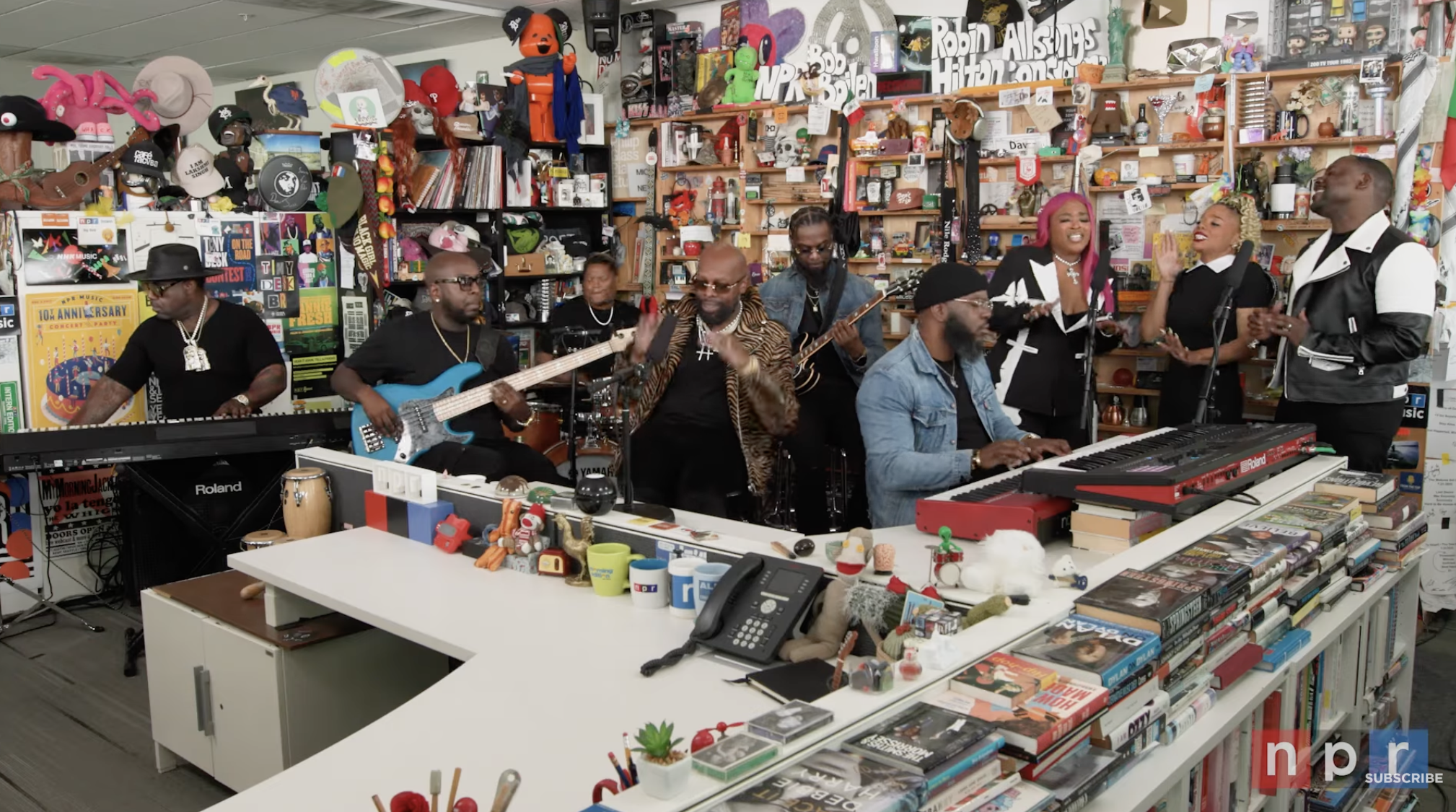
As Black Music Month continues, I hope this Tiny Desk performance is not the last opportunity we have to celebrate Joe’s contributions to music and culture. I hope it opens the door for more conversations about his artistry, his influence, and the unique qualities that have made him one of R&B’s most distinctive voices. I hope we get more cultural opportunities to get to know Joe beyond the records that made him famous because artists like him deserve more than occasional nostalgia. They deserve ongoing appreciation. Some artists create hits. Some artists create memories. Joe has spent his entire career creating feelings. He helped define the sound of romance for a generation, helped shape the genre as a songwriter, and continues to remind us what emotional honesty sounds like in music. That is why NPR got it right, and that is why Joe remains one of the most underrated architects of modern R&B.