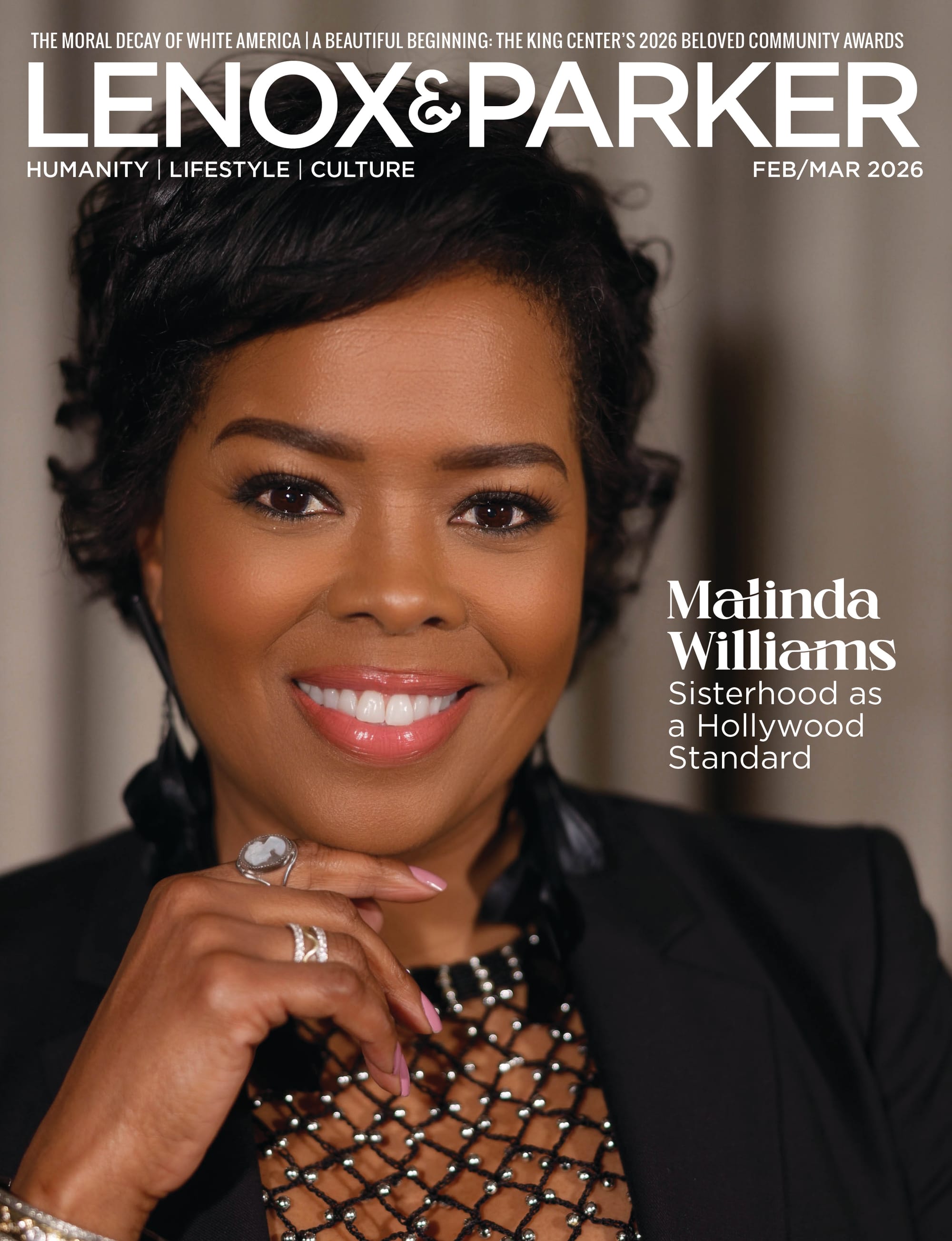
Malinda Williams, Sisterhood as a Hollywood Standard

– 7 min read






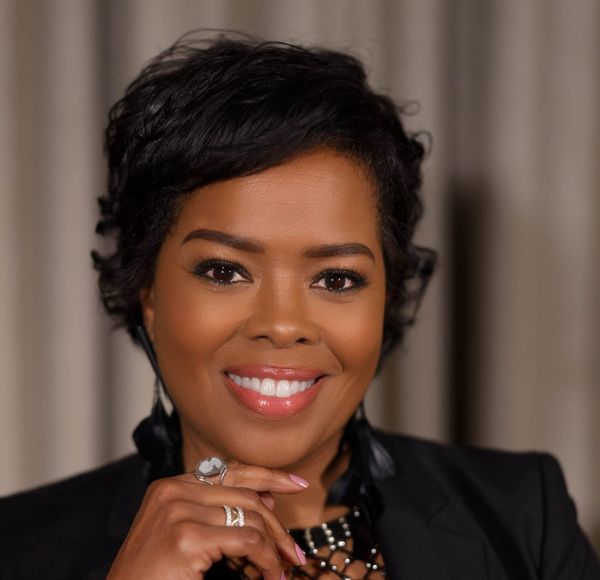
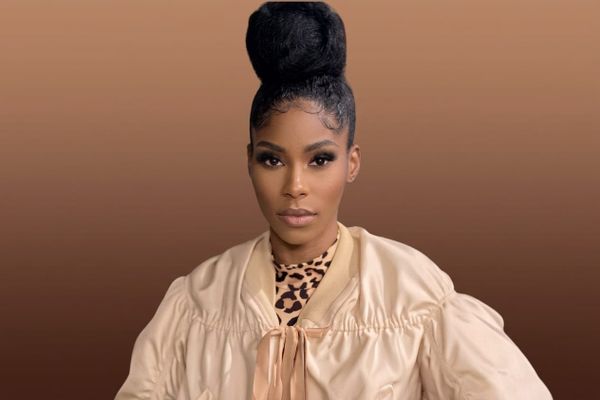
y the time I sat down with Malinda Williams in Los Angeles, the moment already felt familiar in a way that had nothing to do with Hollywood. The skyline stretched behind her, the Hollywood sign visible in the distance, but what anchored the conversation was her presence. She was warm, open, and grounded, carrying the kind of ease that makes you feel less like you are conducting an interview and more like you are reconnecting with someone you have known for years.
That sense of familiarity is part of Malinda Williams’ legacy. She is one of those women who has lived on our screens for so long that she feels woven into our personal histories. She feels like a girlfriend you grew up with, a cousin you see at every family gathering, or the girl next door who was always beautiful but never distant or unreachable. Her face has been a constant, and her energy has always felt safe.
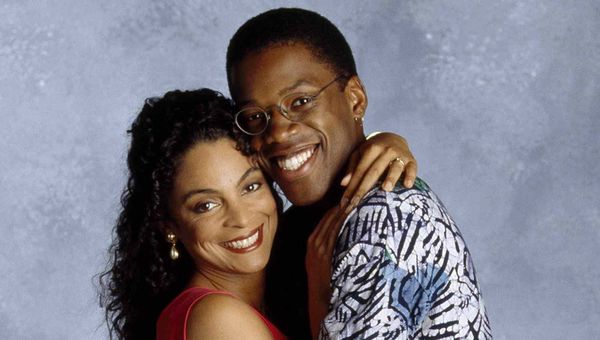
For many of us, our first memory of Malinda came through The Cosby Show, a series that shaped how Black families were portrayed and understood across America. Years later, she became even more deeply embedded in our collective memory as part of the ensemble cast of Soul Food, a show that centered Black women, sisterhood, love, and family dynamics with honesty and care. These were stories that reflected our lives back to us at a time when Hollywood rarely prioritized that perspective.
Malinda was part of a generation of actresses who defined what Black womanhood looked like on screen in the 1990s and early 2000s. Alongside women like Nia Long, Gabrielle Union, Regina King, and Sanaa Lathan, she represented an era of Black storytelling that was rich with romance, friendship, vulnerability, and joy. These women were not simply starring in films and television shows; they were shaping cultural memory and expanding what was possible for Black women on screen.
What makes Malinda’s story especially compelling is not simply how long she has worked, but how sustainably she has done so. In an industry known for burnout, rivalry, and reinvention at all costs, she built a career rooted in values that were instilled in her long before Hollywood ever called her name.
Malinda’s introduction to the entertainment industry did not come through stage parents or a relentless push toward fame. It came through childhood play. Growing up in New Jersey, she remembers being outside with her sisters and neighborhood friends, playing hopscotch and laughing freely, immersed in the uncomplicated joy of being a child.
During one of those afternoons, Hollywood scouts approached the group. Malinda is quick to acknowledge that, viewed through today’s lens, the scenario could easily sound alarming. In another context, it might have been predatory. In her case, it was not. The adults asked where their parents were, and Malinda and her sister walked them home, where the scouts explained to her mother and father that they believed the girls had the look and presence for television and film.
An audition followed soon after, and Malinda booked immediately. Commercials and modeling work came quickly, and for a time she worked steadily as a child. Then, just as quickly, she stopped. One day, she told her parents that she no longer wanted to do it. She wanted to play, to enjoy the parts of childhood that work had begun to interrupt.
Her mother listened and agreed. Without pressure or guilt, they told the industry she was done. Malinda returned to being a regular girl, spending time with friends and enjoying the freedom that childhood should allow. That pause, rare in an industry that often prioritizes profit over protection, would later become one of the most important foundations of her life.
Years later, after taking a job at a grocery store, Malinda received her first non-entertainment paycheck. The contrast was immediate and illuminating. She realized that acting was not only something she enjoyed, but something that offered her a different kind of future. When she told her mother she wanted to return to the industry, the response was the same as it had always been.
She was supported.
This time, however, the road was not entirely smooth. A casting agent questioned her commitment, presenting resistance that could have discouraged someone less secure in herself. Instead, it motivated Malinda. She viewed it as an opportunity to prove her seriousness, and she booked the role. From there, she continued to work consistently, building a résumé defined not by spectacle, but by reliability and purpose.
There is another layer to Malinda’s longevity that she speaks about with honesty and quiet gratitude. From the beginning of her career, she was often cast as the younger girl, the ingénue, the innocent presence in the room. Looking young, she says, worked in her favor in more ways than one. It allowed her to play roles that extended her career organically, but it may have also offered a level of protection at a time when the industry was far less transparent about its dangers.
When Malinda reflects on those early years, she is clear about one thing: she was never navigating the industry alone. Whenever she was on set, in meetings, or stepping into professional spaces as a child and young woman, someone was always with her. A parent. A trusted adult. A protector. She credits her mother and father with understanding the importance of presence, boundaries, and vigilance, even when opportunities seemed exciting or harmless on the surface. Their insistence on supervision created a sense of safety that allowed her to grow without carrying the kind of trauma that has derailed so many young performers.
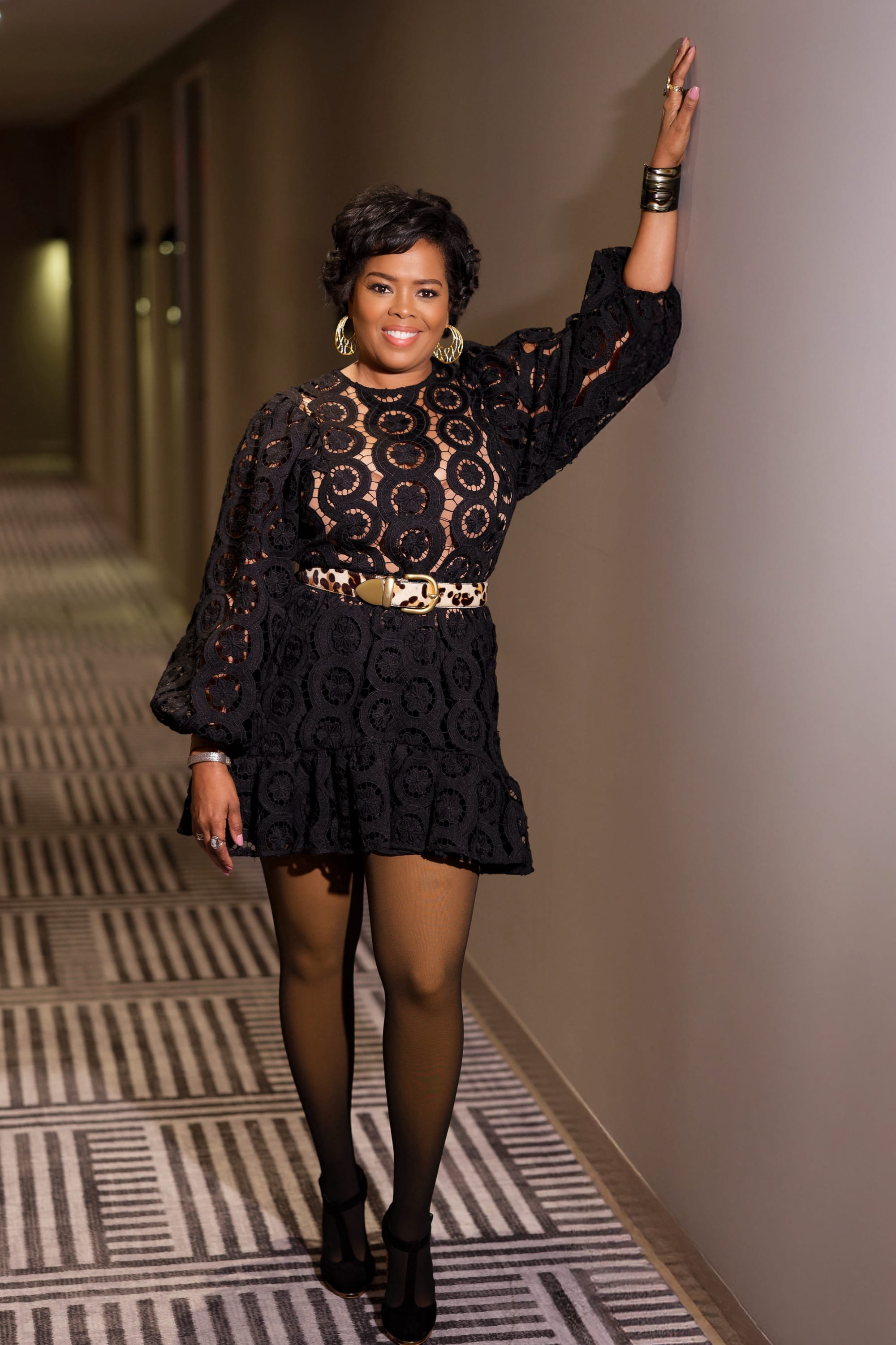
As she matured, she began to recognize that her youthful appearance was not something to resist or resent. It gave her time. It extended her ability to play a wide range of roles. It softened how she was perceived in an industry that can be unforgiving to women as they age. What many might dismiss as simply good genes, Malinda came to understand as another layer of grace that quietly worked in her favor.
Of course, she still bears a striking resemblance to the woman audiences fell in love with years ago on Soul Food, a fact that many admire and more than a few envy. Yet what becomes most evident in conversation is that her beauty has never been limited to the surface. Her spirit carries the same warmth, sincerity, and openness that defined her earliest performances. Time has added depth, not distance, and experience has refined rather than hardened her.
As Malinda’s career grew, she often found herself surrounded by other Black women who were defining an era alongside her, and she speaks about those years with unmistakable affection. She names Nia Long, Gabrielle Union, Regina King, and Sanaa Lathan with reverence, describing them not as competitors, but as women she respected deeply and felt connected to through shared experience. In an industry that often framed Black women as interchangeable or positioned them against one another, Malinda rejected that narrative entirely.
That outlook was rooted in how she had been raised. Her father emphasized the importance of sisterhood from an early age, teaching Malinda and her sisters that family was sacred and that no one else on earth shared their bond or their blood. He taught them that if the world ever felt unkind or uncertain, their sisters would always be their foundation. Malinda carried that lesson into Hollywood, expanding it beyond biology and into community.
“I never saw other Black women as competition. I saw them as my sisters. And when you move that way, there’s always room for everyone to win.” — Malinda Williams
That philosophy shaped how she showed up on set, how she built relationships, and how she sustained a career in an industry that often thrives on division. While others internalized fear and scarcity, Malinda chose abundance and mutual respect.
From early on, Malinda was intentional about the work she accepted. She wanted a career she could stand behind, one filled with roles she could revisit with pride rather than regret. That intention required discernment, patience, and a willingness to walk away from opportunities that did not align with her values.
As a result, her career became a catalogue of roles that reflected Black women with dignity, warmth, and humanity. She became known not only for her talent, but for her consistency and character. While others chased exposure at any cost, Malinda prioritized integrity, understanding that longevity required more than being visible.
Malinda speaks candidly about a period when her career was thriving but her personal life was unraveling. That disconnect forced her to confront a difficult truth, which was that success without peace is not success at all. In that season, she returned to her faith with intention and humility.
Her relationship with God deepened, not as a public declaration, but as a private necessity. She prayed for guidance, healing, and clarity, and she credits that spiritual grounding with carrying her through moments that could have derailed her entirely. Faith became the throughline
that allowed her to remain centered in
an industry that often pulls people away from themselves.
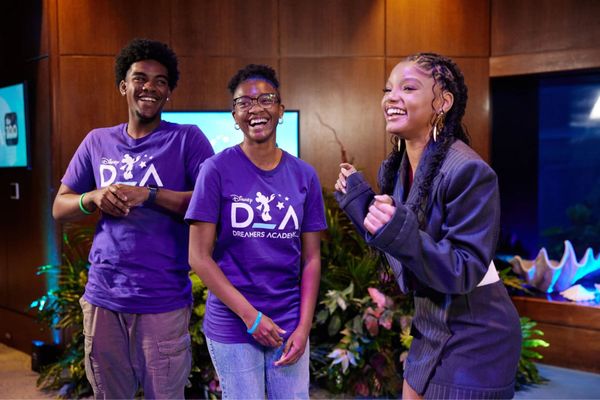
As Hollywood evolved, Malinda recognized the need for a reset. She moved back to New Jersey, stepping away from the constant demands of the industry to reconnect with her purpose. During that period, she founded a nonprofit organization, responding to what she felt was a clear calling to help others. That work expanded her understanding of success, shifting the focus from visibility to impact.
She also embraced new platforms and possibilities, creating digital content centered on beauty, wellness, and the lessons she had learned across decades in entertainment. By engaging technology and storytelling together, she found herself at the intersection of creativity and innovation, adapting to a changing industry without abandoning the values that had guided her from the beginning.
What stayed with me most after our conversation was how deeply consistent Malinda Williams remains at her core. The warmth is lived. The humility is genuine. The sisterly energy that once radiated through the screen still exists in the room with her today.
In an industry that often rewards rivalry, Malinda chose reverence. In a culture that encourages reinvention through erasure, she chose alignment. She was raised to honor sisterhood, and that foundation became the blueprint for a legendary career built on sustainability rather than spectacle. Being a Black woman was never something she needed to overcome. It was the superpower she recognized early, protected carefully, and carried with her every step of the way.