Lessons from Black Wall Street

– 8 min read






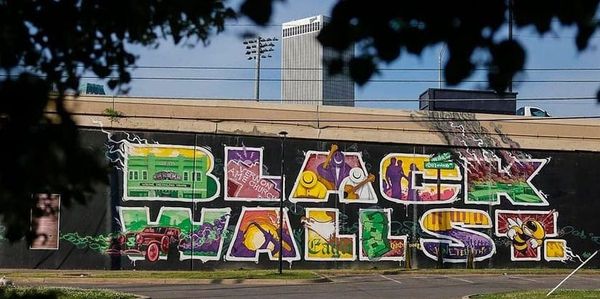
For many Americans, Juneteenth is a celebration of freedom. Families gather for cookouts and festivals, communities host parades and commemorative events, and conversations turn toward the resilience of a people who endured unimaginable hardships while continuing to build, create, and thrive. Yet in Tulsa, Oklahoma, Juneteenth carries an even deeper significance because it exists alongside the legacy of Black Wall Street, one of the greatest examples of Black economic achievement in American history. The holiday serves as a reminder that freedom alone was never the final destination. Freedom created opportunity, but education, entrepreneurship, ownership, and community responsibility transformed that opportunity into generational progress. Those lessons remain just as relevant today as they were more than a century ago, and they continue to shape the mission of Solid Foundations Preparatory Arts Academy, a school dedicated to preparing young people not only for academic success but for lives of leadership, service, and purpose.
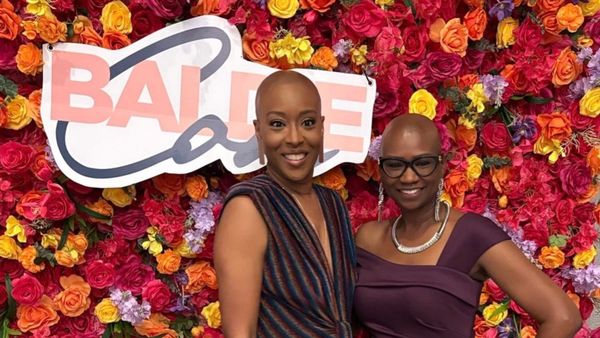
At the heart of that mission is founder Jayme Broome, a Tulsa native whose life has been dedicated to education, community service, and preserving the legacy of Black excellence for future generations. Over the years, her commitment has earned recognition from some of Tulsa’s most respected organizations and institutions. Broome has been named Change Maker of the Year by The Black Wall Street Times, received Community Servant honors from the Tulsa Alumni Chapter of Kappa Alpha Psi Fraternity and Omega Psi Phi Fraternity, Inc., and was honored with the Benefactor’s Award from J’Parle. Her impact has also been recognized through the Terrance Crutcher Foundation’s Social Justice Award, the Legacy Fest Education Award, Morning Star Baptist Church’s Living Legend distinction, and the Black Women Rock Award presented by the Booker T. Washington Class of 1966. While the accolades are impressive, those who know Broome best would argue that awards have never been the driving force behind her work. Instead, they serve as evidence of a decades long commitment to creating opportunities for children, strengthening families, and investing in the future of the community she calls home.

Long before she became an award winning educator and school founder, Broome was surrounded by examples of educational excellence and artistic expression. Her great-grandmother operated Latimer’s Fine Arts Academy, where music and artistic expression were viewed as essential tools for developing young minds. Her mother continued that tradition as a piano instructor, ensuring that creativity remained woven into the fabric of family life. Because of those influences, Broome never viewed the arts as something separate from academic achievement. In her family, education and artistic development worked hand in hand, helping children build discipline, confidence, and self expression. Looking back, she now recognizes that those early lessons planted the seeds for the educational philosophy that would later become the foundation of her school.
Like many people who ultimately discover their life’s purpose, Broome’s path was not a straight line. After serving in the military, she attended the University of Oklahoma and later entered the field of education. She eventually became a teacher at a charter school and was passionate about helping children succeed. At the same time, she was raising her daughter and navigating the challenges that come with parenthood. It was through that experience that she encountered a problem that would ultimately change the course of her life. As the mother of an only child, Broome paid close attention to her daughter’s academic development and trusted that the school would communicate any concerns. What she eventually discovered was that her daughter had fallen behind academically, yet no one had informed her of the severity of the situation. The experience left her frustrated and determined to create something different for families like her own.

Rather than accepting the circumstances, Broome began imagining a school where communication, accountability, and parental involvement would be central to the educational experience. Around that same time, she connected with another parent who was facing similar frustrations with her own children. The two women quickly realized they shared a common vision and a desire to create the type of learning environment they wished existed for their families. Together, they took a leap of faith and launched what would become Solid Foundations Preparatory Arts Academy. Their first class was small by any measure, consisting of their own children and four additional students. With only seven students enrolled, the founders relied on faith, determination, and an unwavering belief that children deserved a more intentional educational experience. What began as a modest effort to serve a handful of families has grown into one of Tulsa’s most respected educational institutions.
Today, Solid Foundations Preparatory Arts Academy is celebrating its twenty third year and has built a reputation for academic excellence, strong family engagement, and student achievement. Graduates of the school have gone on to receive scholarships to prestigious private schools and colleges throughout the country. While those accomplishments are certainly worth celebrating, Broome believes the school’s greatest success cannot be measured solely by academic outcomes. She wants students to leave her school with confidence, leadership skills, and a sense of responsibility toward their communities. She believes education should help children understand who they are, where they come from, and how they can contribute to the world around them. That philosophy has guided the school from its earliest days and continues to influence every aspect of its curriculum and culture.
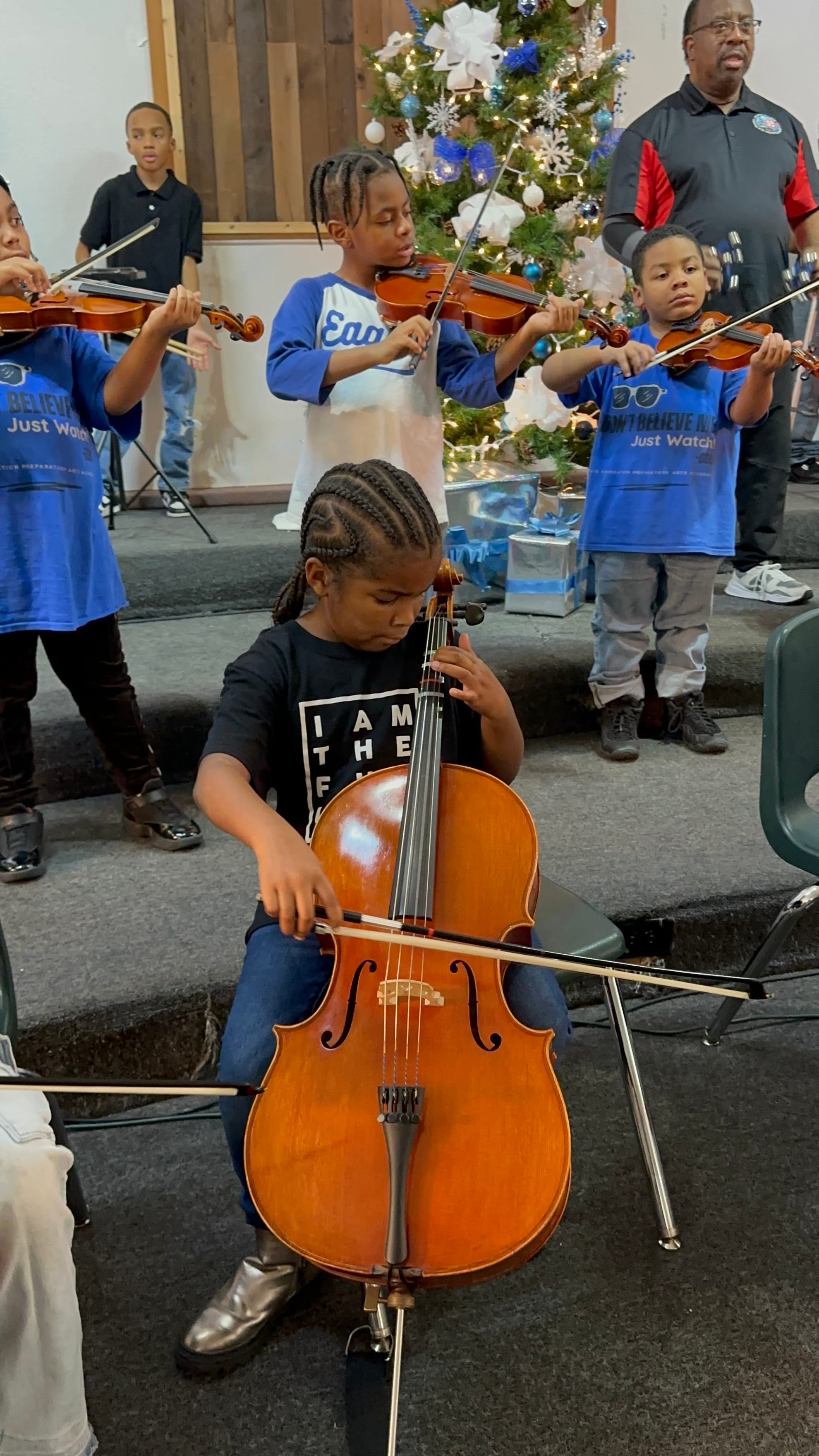
Growing up in Tulsa gave Broome a unique perspective on the importance of economic empowerment and community investment. The story of Black Wall Street was not simply a chapter in a textbook. It was part of the city’s identity and a reminder of what Black communities could accomplish when education, entrepreneurship, and ownership worked together. The business owners, educators, and visionaries who built Greenwood created more than wealth. They created opportunities, institutions, and pathways that strengthened entire generations. Those lessons remain central to Broome’s educational philosophy. She believes children should understand not only how to earn a living but how to create opportunities for themselves and others. She wants them to see entrepreneurship not as something reserved for adults but as a way of thinking that encourages creativity, innovation, and leadership.
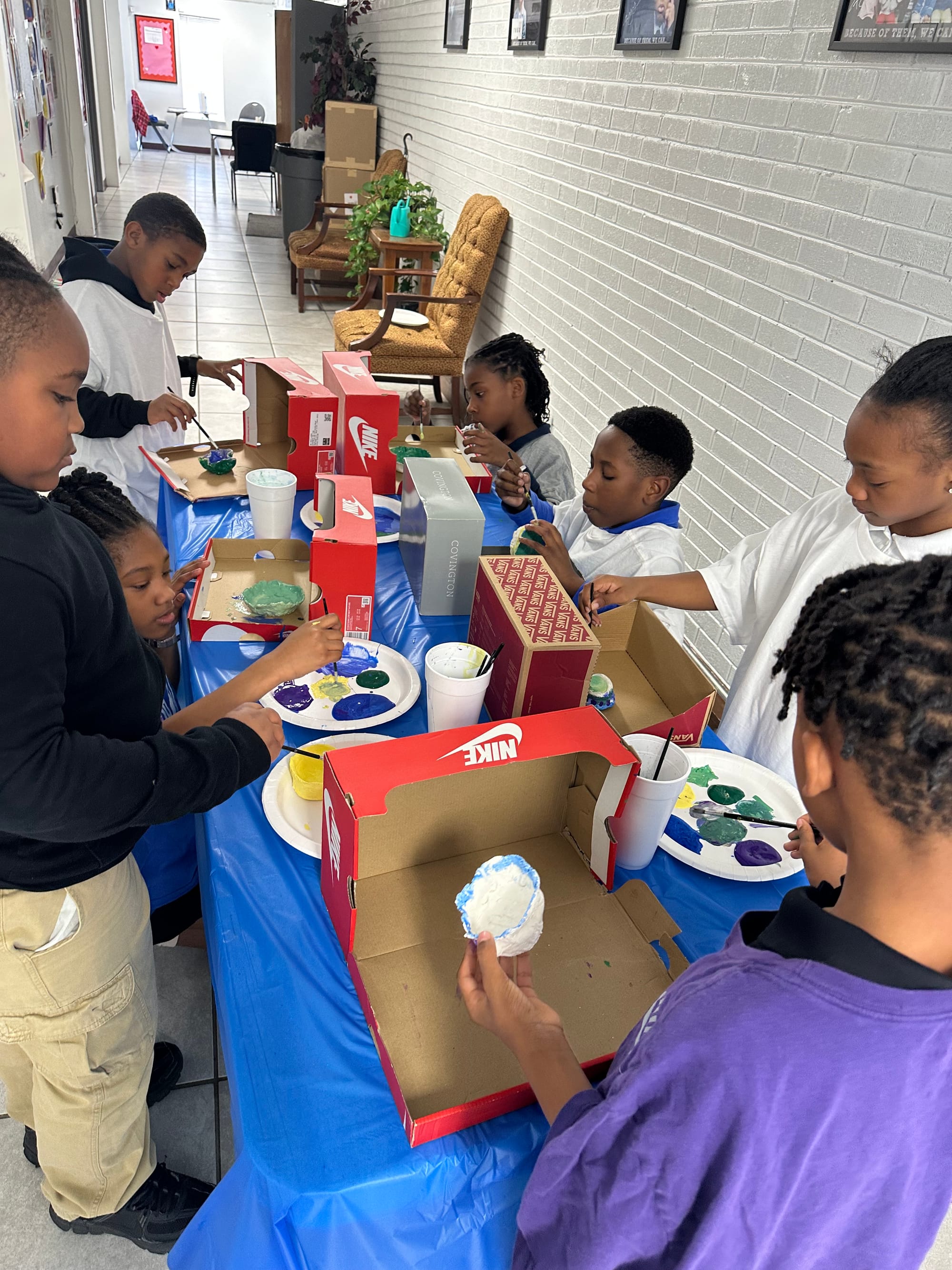
That belief is reflected throughout the halls of Solid Foundations Preparatory Arts Academy. Students are encouraged to develop business concepts, create plans for turning ideas into reality, and learn the fundamentals of leadership and networking. They are taught that ownership matters and that economic empowerment has always been a critical part of Black progress. Broome wants her students to understand that many of the freedoms and opportunities they enjoy today were built upon the sacrifices and accomplishments of previous generations. By introducing entrepreneurial thinking at an early age, she hopes to cultivate a generation of young people who view themselves as creators, problem solvers, and community builders. In many ways, the entrepreneurial spirit that once defined Black Wall Street continues to live on through the work happening inside her classrooms.

Equally important to Broome is the role parents play in a child’s success. She often emphasizes that schools cannot educate children in isolation and that family engagement remains one of the strongest predictors of positive outcomes. While she understands that not every family has the ability to move their children into a different school environment, she encourages parents to become active participants wherever their children are enrolled. She advises families to join the PTA, volunteer when possible, attend school events, communicate regularly with teachers, and remain visible throughout their child’s educational journey. According to Broome, children are more accountable when they know their parents are paying attention, and schools often become more responsive when families are actively involved. Her message to parents is simple but powerful: show up. Presence matters, and involvement can make a meaningful difference in a child’s educational experience.
As Juneteenth continues to gain national recognition, Broome is encouraged to see more Americans embracing opportunities to learn about Black history and celebrate Black achievement. At the same time, she admits that she has concerns about the current climate surrounding education and historical preservation. While debates continue about what should and should not be taught in schools, Broome worries about something even more troubling. She fears that many young people are becoming disconnected from the stories, sacrifices, and victories that made their opportunities possible. She believes that some students are growing up without a meaningful understanding of Black Wall Street, Juneteenth, and the countless individuals whose courage and determination helped shape the communities they now enjoy. More concerning, she worries that indifference may become just as damaging as efforts to erase history altogether.
Those concerns fuel her commitment to ensuring that students understand both the triumphs and struggles that have shaped Black America. She believes children who understand their history are more likely to appreciate their opportunities and feel a responsibility to contribute to their communities. That commitment extends beyond the classroom and into the broader Tulsa community, where Broome remains actively involved in events and initiatives that preserve and celebrate local history. One of those efforts is Legacy Fest, an annual celebration honoring the survivors and descendants connected to the Tulsa Race Massacre. Her participation reflects a belief that preserving history requires more than annual observances. It requires year round engagement, education, and investment in future generations. For Broome, every lesson taught and every student empowered represents another step toward preserving a legacy that must never be forgotten.

As America prepares to celebrate another Juneteenth, Broome hopes families will do more than attend festivals and community events. She hopes parents will engage their children in meaningful conversations about history, ownership, education, and responsibility. She hopes young people will understand that Black Wall Street is not simply a story about what was lost but also a lesson about what can be built. Most importantly, she hopes future generations recognize that they now carry the responsibility of protecting and expanding the opportunities created by those who came before them. The same determination that built Greenwood, survived unimaginable tragedy, and continued to thrive despite tremendous obstacles is needed today. That belief serves as the guiding principle behind the work happening at Solid Foundations Preparatory Arts Academy every single day.
When asked what she hopes the founders of Black Wall Street, the survivors of the Tulsa Race Massacre, and the ancestors who sacrificed so much would say if they walked through the halls of her school today, Broome’s answer is rooted in humility. She hopes they would see children learning, creating, leading, and preparing for bright futures. She hopes they would recognize a continued commitment to education, entrepreneurship, and community responsibility. Most of all, she hopes they would feel that the work they began generations ago is still being honored and carried forward. On a more personal level, she hopes her great-grandmother would be proud of what has grown from the seeds she planted so many years ago through music, education, and service. For Broome, there is no greater measure of success than knowing that the legacy entrusted to her is helping shape a brighter future for the generations that will follow.