From Wendy Williams to Tasha K: Why Hollywood Keeps Creating the Women It Claims to Despise
– 6 min read





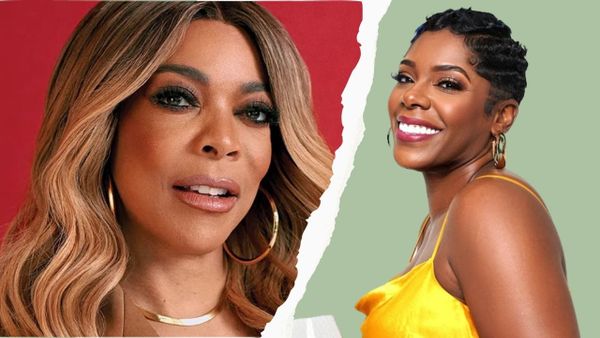
Every generation has a media personality that Hollywood claims to hate but the public refuses to stop watching. They are criticized for being too loud, too opinionated, too messy, too invasive, and too willing to say the things that make powerful people uncomfortable. They are accused of going too far and crossing lines that others would never cross. Yet despite all the outrage, they continue to attract audiences because they satisfy a curiosity that has always existed. People want information. They want context. They want access to conversations that are typically reserved for insiders. For one generation, that person was Wendy Williams. For today’s audience, that person is Tasha K.
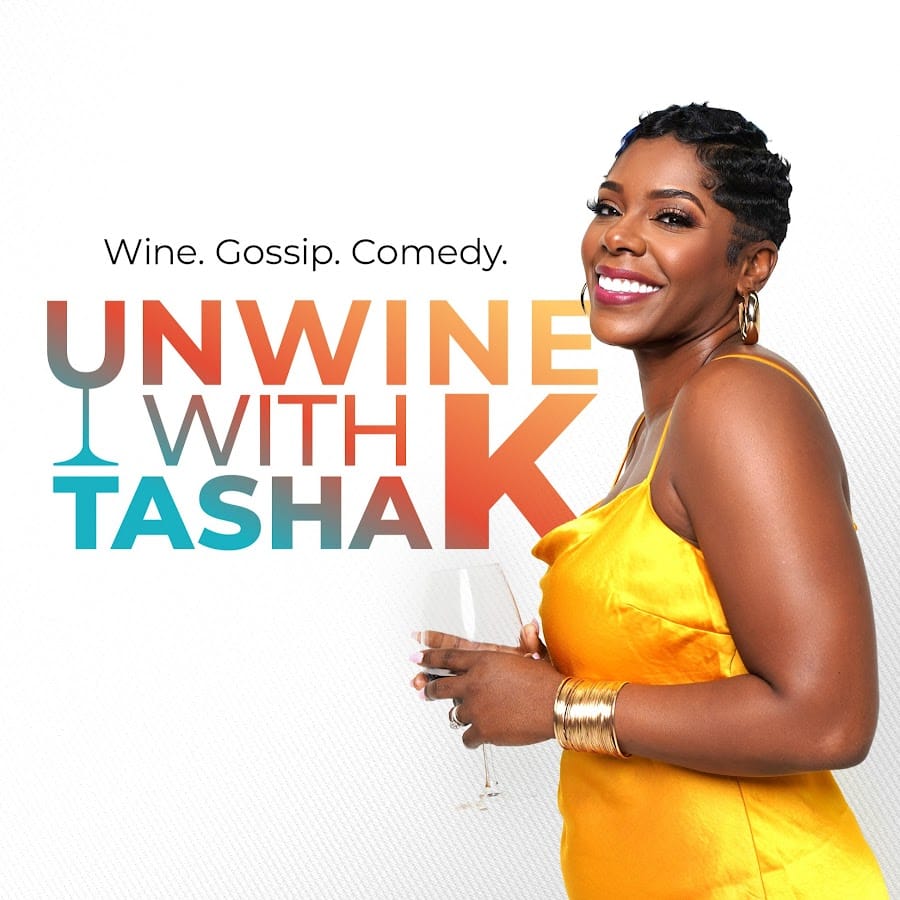
When news broke that Tasha K had signed a partnership deal with Oceanic Tradewinds, the syndication company responsible for helping build media powerhouses including Wendy Williams, Rickey Smiley, Russ Parr, and Donnie McClurkin, many people viewed the announcement as an exciting business move. What stood out to me was something entirely different. The partnership felt less like a new chapter and more like the continuation of a story that began decades ago when Wendy Williams first stepped behind a microphone and changed entertainment media forever. In many ways, Tasha K’s career trajectory mirrors Wendy’s rise more than any other personality currently operating in the culture space. The similarities are impossible to ignore once you stop focusing on the platform and start examining the audience connection.
People sometimes forget just how controversial Wendy Williams was before daytime television softened her image for mainstream audiences. Younger viewers remember the purple chair, celebrity interviews, and “Hot Topics.” Those of us who remember her radio years remember something very different. Wendy Williams was the personality celebrities dreaded hearing discuss them on air. She built her reputation by speaking openly about stories that other media personalities avoided. She wasn’t particularly concerned with preserving relationships in the entertainment industry, and she certainly wasn’t interested in being everyone’s friend. While many journalists focused on maintaining access to celebrities, Wendy focused on giving her audience what she believed they wanted, which was an honest conversation about the entertainment industry and the people who operated within it.
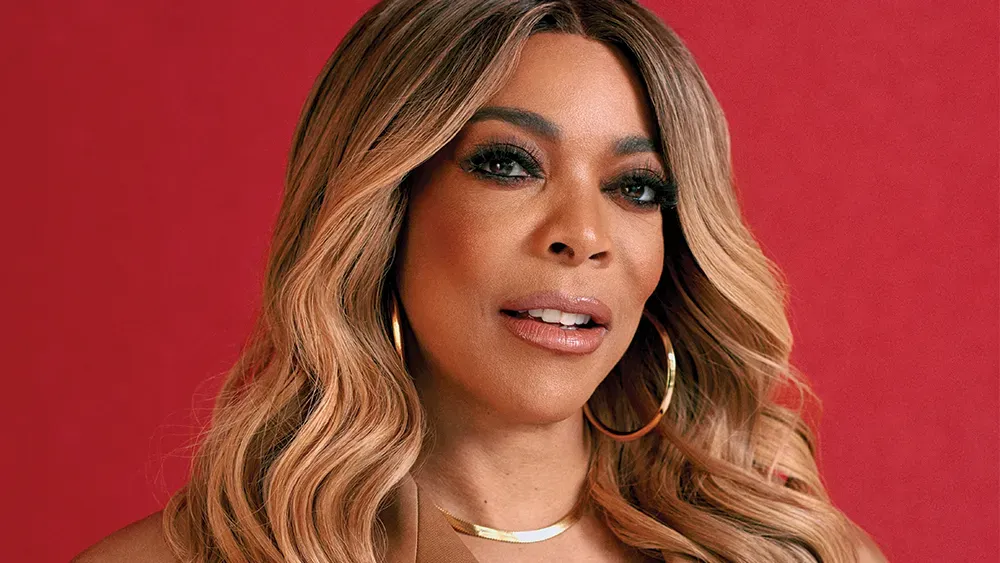
Looking back now, it is remarkable how many conversations Wendy was having years before the rest of the media caught up. Whether discussing rumors surrounding celebrity relationships, questioning carefully curated public images, or raising concerns about influential figures in entertainment, Wendy often found herself at the center of controversy because she was willing to discuss subjects that others considered off limits. In many cases, stories that were dismissed as gossip eventually became mainstream headlines years later. That does not mean every rumor was accurate or every allegation proved true. What it does mean is that Wendy understood something most traditional media outlets either ignored or underestimated. There was often a significant gap between what industry insiders knew and what the public knew, and audiences were eager for someone willing to bridge that gap.
That is why I believe comparisons between Wendy Williams and Tasha K are not only fair but necessary. Like Wendy, Tasha K built her audience by positioning herself outside of the traditional entertainment machine. She did not begin her career seeking validation from Hollywood. She did not spend years trying to become part of an exclusive celebrity circle. Instead, she focused on cultivating a direct relationship with her viewers. When I interviewed Tasha K, one of the things that immediately stood out was how genuine her fascination with celebrity culture seemed to be. She openly discussed her love of gossip and her interest in stories that exist beneath the surface. That passion reminded me of the same curiosity that fueled Wendy Williams’ rise decades earlier.
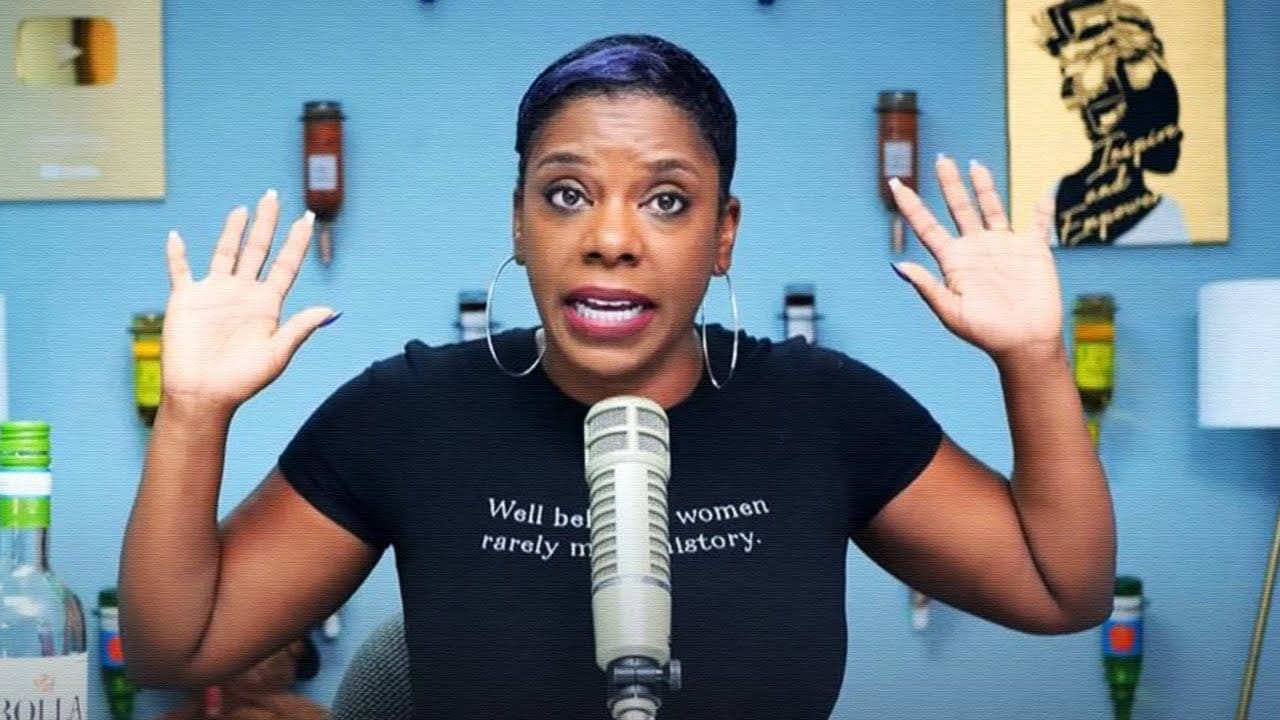
What makes Tasha particularly interesting is that she has managed to build an empire during a time when traditional gatekeepers have far less control over media. Wendy Williams needed radio stations and television syndication to reach millions of people. Tasha K built her audience through ownership. She leveraged YouTube, Instagram, Facebook, TikTok, and other digital platforms to create a media ecosystem that reaches hundreds of millions of viewers every month. According to Oceanic Tradewinds, Tasha’s platforms generate between 150 and 200 million views monthly. That level of engagement would have been nearly impossible during Wendy’s early years in radio. While Wendy mastered the tools available in her era, Tasha has mastered the tools available in ours.
The comparisons become even more compelling when examining the criticism both women have faced throughout their careers. Neither Wendy nor Tasha has ever been universally embraced by celebrities. Both have built reputations for discussing stories that powerful people would prefer remain private. Both have been accused of profiting from controversy. Both have faced lawsuits, backlash, public criticism, and attempts to discredit their platforms. Yet neither woman built her audience by appealing to Hollywood insiders. Their audiences consist primarily of everyday people who believe they are getting information and perspectives that are unavailable through traditional media channels. Whether critics agree with their methods is almost irrelevant because their success has always been rooted in audience trust rather than industry approval.
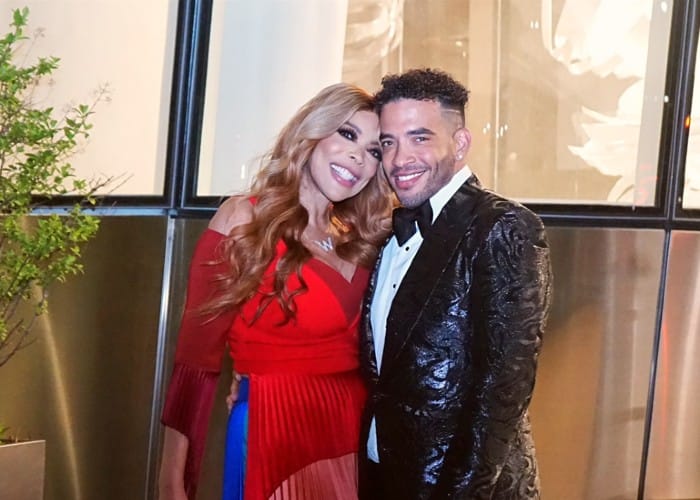
The conversation surrounding Wendy Williams’ departure from daytime television also reveals why Tasha K’s rise feels so significant. When Wendy’s show ended, there was widespread speculation regarding who could fill the void she left behind. Some people believed Jason Lee was the logical choice. Others suggested a variety of personalities who had built substantial followings online. Ultimately, the industry moved in a safer direction with Sherri Shepherd. To be clear, Sherri has built a successful show and has proven herself to be an exceptional daytime host. However, she was never attempting to recreate Wendy Williams’ formula, and viewers who expected that experience were inevitably disappointed. Wendy’s audience wasn’t necessarily looking for comfort. They were looking for unpredictability, sharp commentary, and conversations that felt a little dangerous.
What many executives failed to recognize is that Wendy’s audience never disappeared. They simply migrated to platforms where those conversations were still taking place. In many ways, Tasha K became the beneficiary of that migration. Her audience expects the same type of fearless commentary that once made Wendy Williams a household name. They tune in because they believe Tasha is willing to discuss stories that others won’t touch. Whether she’s covering entertainment news, celebrity scandals, or cultural controversies, her viewers believe she is giving voice to conversations happening in group chats, barber shops, beauty salons, and living rooms across the country. That connection is incredibly difficult to manufacture, which is why so few personalities have successfully occupied this lane.
The recent announcement from Oceanic Tradewinds only strengthens the argument that industry veterans see the same parallels many viewers have recognized for years. Gary Bernstein, founder and president of Oceanic Tradewinds, specifically referenced Wendy Williams when discussing his partnership with Tasha K. He described seeing the same connection to audiences and the same type of star power that helped transform Wendy into a national phenomenon. Those comments carry tremendous weight because they are coming from someone who played a direct role in Wendy’s rise. Similarly, legendary radio personality and executive producer Rick Party compared Tasha’s appeal to both Wendy Williams and Petey Greene, another media icon known for his unfiltered communication style and deep connection to everyday people.
Perhaps that is what Hollywood continues to misunderstand about personalities like Wendy Williams and Tasha K. The industry often focuses on the controversy while audiences focus on the authenticity. Hollywood tends to view these women through the lens of disruption, while their supporters view them through the lens of transparency. Whether one agrees with every story, every opinion, or every approach is beside the point. The reason these women succeed is because audiences believe they are speaking to them rather than speaking for the industry. In an era where so much entertainment coverage feels carefully managed and strategically curated, that perception has tremendous value.
The truth is that the search for Wendy Williams’ successor may have ended long before the industry realized it. While executives searched for someone capable of recreating her success, Tasha K was already building her own version of it. She took the same fearless approach that made Wendy a cultural force and adapted it for a digital era where ownership matters more than access. Wendy Williams dominated radio and daytime television because she understood the audience better than many of her critics. Tasha K has built an empire because she understands that same audience today. A different platform uses different technology and serves a different generation, yet the underlying formula remains remarkably familiar. Hollywood may claim to despise women like Wendy Williams and Tasha K, but history suggests something else. It is often the women the industry criticizes most that end up changing it forever.